Unit 5 第6课时 Presenting ideas & Reflection(讲解课件)-【优翼·学练优】2026-2027学年八年级英语上册同步备课(外研版·新教材)
|
16页
|
19人阅读
|
0人下载
教辅

摘要:
该初中英语课件围绕“规则的设计与理解”展开,通过小组合作分析课堂团队合作、课间行为等学校生活领域的具体问题,引导学生从问题出发制定规则,形成“问题分析-规则制定-展示反思”的学习支架,帮助学生系统掌握相关语言知识和实践能力。
其亮点在于以任务型教学为核心,结合思维品质(分析问题、解决问题)和语言能力(用英语表达规则及重要性),通过小组讨论问题、设计规则板、同伴反馈等活动,让学生在真实情境中运用语言。反思环节促进学习能力提升,学生能深化对规则的理解,教师可借助结构化活动高效组织教学。
内容正文:
Unit 5 Play by the rules?
Presenting ideas & Reflection
Learning Objectives
In this lesson, you will:
1. design new rules for your class.
2. talk about what you understand more about rules.
Task
Design new rules for your class.
Step 1
Work in groups. Choose an area of school life you think could be better and consider the following questions.
▪classroom teamwork ▪breaktime behaviour ▪in-class behaviour
1 What are the problems?
2 What rules could solve the problems?
Classroom Teamwork
Problems:
Some students don’t participate or let others do all the work.
Arguments happen when group members disagree.
Unequal effort—some students work hard while others don’t contribute.
Time wasted because groups get distracted or don’t stay on task.
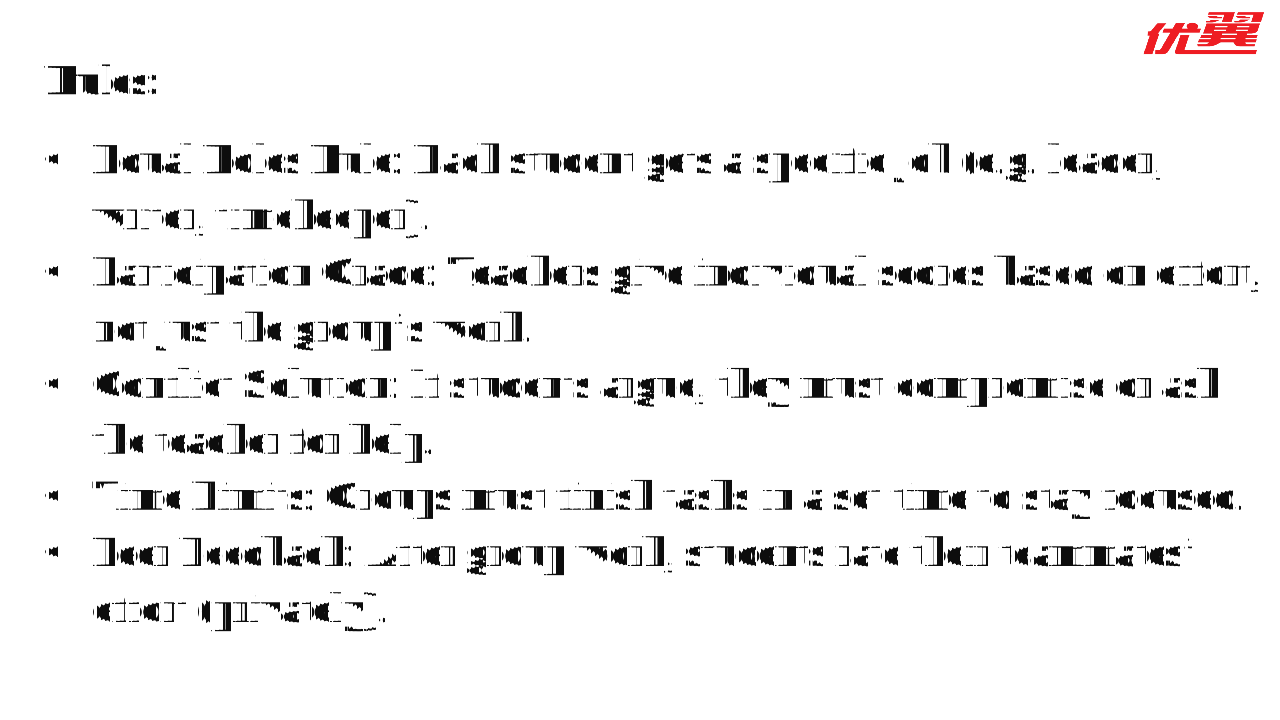
Rules:
Equal Roles Rule: Each student gets a specific job (e.g. leader, writer, timekeeper).
Participation Grade: Teachers give individual scores based on effort, not just the group’s work.
Conflict Solution: If students argue, they must compromise or ask the teacher for help.
Time Limits: Groups must finish tasks in a set time to stay focused.
Peer Feedback: After group work, students rate their teammates’ effort (privately).
Breaktime Behaviour
Running or pushing in halls causes accidents.
Bullying or exclusion(排挤) happens during free time.
Littering in the playground or cafeteria.
Too much noise, making it hard for others to relax.
Problems:
Rules:
Safe Movement Rule: No running indoors; walk calmly in hallways.
Buddy System: Encourage students to include others in games.
Clean-Up Duty: Each class takes turns monitoring litter.
Quiet Zones: Designate areas for students who want peace.
In-class Behaviour
Students talk over the teacher or classmates.
Phones distract from learning.
Some students don’t bring materials or do homework.
Side conversations disrupt lessons.
Problems:
Rules:
Hand-Raise Rule: No shouting out; raise your hand to speak.
Phone Policy: Phones go in a basket during class unless needed for work.
Preparation Check: Teachers give small rewards for students who always bring supplies.
Silent Signals: Teachers use a sign (like lights off) to remind the class to refocus.
Step 2
Design a rule board to present your rules to the class. Organise your ideas with the help of the following outline. You can use the language tips in the outline or find useful expressions or sentences from this unit.
Rules What it’s about Why it’s important
Rule 1 - The rule is “Please be...".
- The aim of this rule is to... - lt brings... to us.
- We think this rule
will help to...
- That way, ... can...
Rule 2
- The rule is “No...".
- This rule is about...
- Here are the basic rules for
you to know in order to...
- It tries to stop...
- With this rule, there won't
be...
Rule 3
- The rule is “Please do /
don't...".
- The school can use this rule to... - To..., it's important to...
- At the moment... For that
reason, ...
- There will be fewer / less...
Step 3
Practise and present your rule board to the class.
Step 4
Vote on the best three rule boards and the best three presentations.
Reflection
1. After completing this unit, I understand more about the
importance of rules.
changed
need to change
2. To express my understanding, I can ...
use words and expressions in the unit to talk about rules.
use infinitive of purpose to tell stories about following rules.
describe the importance of rules.
* 1=excellent 2=good 3=not yet
3. I still need to improve: _____________________________
_________________________________________________
声 明
本文件著作权为创作公司所有,仅限于教师教学及其他非商业性和非盈利性用途。如发现盗用、转卖、网络传播等侵权行为,本公司将依法追究其相应法律责任。
部分素材选自网络,如有争议,请联系删改。
$
资源预览图