Unit 5 Exploring space(写作突破专项训练)英语人教PEP版六年级上册(新教材)
2026-07-21
|
5页
|
160人阅读
|
7人下载
摘要:
**基本信息**
以“探索太空”为主题,构建“方法指引-词汇句型-写作实践”三维训练体系,系统培养语言表达与逻辑思维能力。
**专项设计**
|模块|题量/典例|方法提炼|知识逻辑|
|----|-----------|----------|----------|
|写作方法指引|1篇原文解析|分“开篇引入-细节描写-内容填充-日常安排-情感升华”五步法|从主题引入到情感表达,构建完整写作逻辑链|
|核心词汇|4类30+词|按“天体-工具-宇航员-相关事物”分类记忆|词汇与主题场景深度绑定,形成语义网络|
|参考句型|3类20+句|“特征描述-探索方式-生活细节”功能句型模板|句型与写作任务精准匹配,实现从输入到输出|
|写作任务|2题(基础/提高版范文)|“词汇选用-句型套用-情感升华”分层写作策略|从基础描述到高阶表达,符合语言能力进阶规律|
内容正文:
Unit 5 Exploring space
写作方法指引- 原文指路
Chinese astronauts are called taikonauts. Their life in space is special.
开篇引入:点明中国航天员的专属称呼,总述太空生活的独特性,引出写作主题
The taikonauts get up early in the morning. But getting ready is different. They can't use water to wash their faces. So taikonauts have to use a wet cloth.
细节描写:描述太空晨起洗漱的特殊方式,对比地球生活,体现太空环境的特殊性
Each day, the taikonauts are very busy. They do a lot of work. For example, they grow vegetables and rice. Sometimes, they also give classes to children and answer questions about space.
内容填充:列举航天员的核心工作内容,用"for example"举例使写作更具体充实
Every afternoon they do exercise to keep healthy and strong.
日常安排:补充下午的健康管理环节,展现太空生活的严谨性与科学性
They can see the sunrise and sunset 16 times a day. The view is amazing! There is no other job like this one.
情感升华:描述太空独有的视觉体验,抒发对航天员工作的赞叹,让文章更有感染力
一、核心词汇
1. 太空天体类
Earth(地球)Sun(太阳)Moon(月球)Mars(火星)star(恒星)planet(行星)
satellite(卫星)Venus(金星)Jupiter(木星)Neptune(海王星)Saturn(土星)
2. 太空探索工具类
telescope(望远镜)spaceship(宇宙飞船)space station(空间站)rover(火星车)
3. 宇航员相关类
astronaut(宇航员)taikonaut(中国宇航员)
4. 其他相关词汇
cloud(云)mountain(山)ocean(海洋)soil(土壤)vegetable(蔬菜)rice(水稻)
space junk(太空垃圾)wind(风)storm(风暴)
二、参考句型
1. 描述天体特征
Earth is a planet that travels around the Sun.
The Moon travels around Earth and people can often see it at night.
The Sun is a big and hot star that gives us light and keeps us warm.
Mars has water and soil but there aren't any living things on it.
Venus is the hottest planet with a temperature of about 467℃.
Jupiter's Great Red Spot is a big storm that may be more than 300 years old and wider than Earth.
Neptune has the fastest wind in the solar system, which can reach over 2,000 kilometres per hour.
Saturn has over ten moons and scientists are still looking for more of them.
Footprints on the Moon could stay there for thousands of years.
There are thousands of pieces of space junk floating around Earth and the number is growing.
2. 描述太空探索方式
We can look into space with telescopes.
Astronauts go into space by spaceship.
Astronauts work on a space station for months.
China has already put a rover on Mars to learn more about the "red planet".
3. 描述宇航员(taikonaut)的太空生活
Chinese astronauts are called taikonauts and their life in space is special.
Taikonauts get up early in the morning and use a wet cloth to wash their faces because they can't use water.
Taikonauts brush their teeth with special toothpaste and have to "eat" it.
Taikonauts grow vegetables and rice in space every day.
Sometimes taikonauts give classes to children and answer their questions about space.
Taikonauts do exercise every afternoon to keep healthy and strong.
Taikonauts can see the sunrise and sunset 16 times a day and the view is amazing.
易错点提示
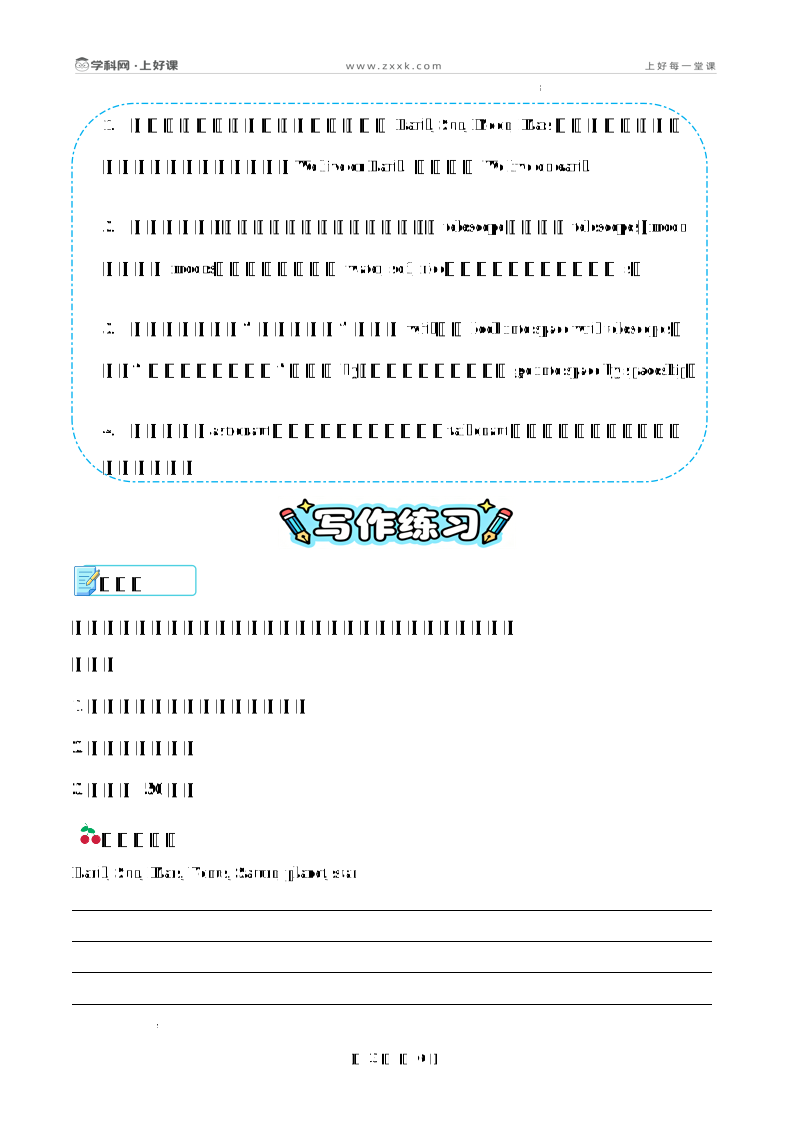
1. 专有名词大写:表示天体的单词(如Earth, Sun, Moon, Mars等)作为专有名词时首字母必须大写,例如:We live on Earth. 不能写成We live on earth.
2. 名词单复数:可数名词要注意单复数变化,如telescope的复数是telescopes,moon的复数是moons;不可数名词(如water, soil, rice)没有复数形式,不能加s。
3. 介词搭配:表示“用某种工具”用介词with,如look into space with telescopes;表示“乘坐某种交通工具”用介词by,且中间不加冠词,如go into space by spaceship。
4. 词汇辨析:astronaut泛指所有国家的宇航员,taikonaut特指中国宇航员,使用时要注意场景。
5. 时态运用:描述客观宇宙事实用一般现在时,如The Earth goes around the Sun.;描述已经完成的探索动作用现在完成时,如China has already put a rover on Mars.
写作一
请你介绍太阳系里你感兴趣的几个天体,说说它们的主要特点。
要求:
1.书写规范,正确使用标点符号。
2.语言表达流畅。
3.不少于 50 词。
参考单词:
Earth, Sun, Mars, Venus, Saturn, planet, star
写作二
请你描述中国宇航员(taikonaut)在太空的生活,分享2-3个你觉得有趣的细节。
要求:
1.书写规范,正确使用标点符号。
2.语言表达流畅。
3.不少于 50 词。。
参考单词:
taikonaut, space station, spaceship, vegetable, exercise, sunrise
参考范文
写作一
范文(基础版):
The Sun is a big and hot star. It gives us light and keeps us warm. (介绍太阳)Earth is our home, a nice planet that travels around the Sun. Mars is a red planet. Venus is the hottest planet. Saturn has many moons. (行星科普)I think the solar system is really cool! (收获感悟)
范文(提高版):
The Sun is a big and hot star. It gives us light and warmth every day. (介绍太阳)Earth is our blue home, a planet that travels around the Sun. Mars is called the "red planet". It has water and soil but no living things. Venus is the hottest planet with a high temperature. Saturn has over ten moons and scientists are still looking for more. (行星科普)I love learning about these amazing celestial bodies! (收获感悟)
写作二
范文(基础版):
Chinese astronauts are called taikonauts. They go into space by spaceship and work on the space station. (介绍航天员)They get up early and use a wet cloth to wash their faces. They grow vegetables there. They do exercise every afternoon. They can see sunrise 16 times a day. (太空日常)Their space life is very special! (收获感悟)
范文(提高版):
Chinese astronauts are called taikonauts, and their life in space is full of fun details. They take spaceships to the space station and work there for months. (介绍航天员)Every morning, they use wet cloths to wash their faces because they can't use running water. They grow vegetables and do exercise every day to stay healthy. Sometimes they give classes to children and answer their space questions. (太空日常) They can see sunrise and sunset 16 times a day, which is amazing! (收获感悟)
第 1 页 共 5 页
学科网(北京)股份有限公司
学科网(北京)股份有限公司
$
资源预览图

1

2
3

相关资源
示范课
由于学科网是一个信息分享及获取的平台,不确保部分用户上传资料的 来源及知识产权归属。如您发现相关资料侵犯您的合法权益,请联系学科网,我们核实后将及时进行处理。