Unit7–Unit12 语法讲练 2025-2026学年仁爱科普版英语七年级下册
2026-07-11
|
7页
|
1020人阅读
|
26人下载
普通
内容正文:
新版仁爱科普版七年级下册 Unit7–Unit12 全套语法精讲
Unit 7 Being a Smart Shopper(购物)
核心语法:量词短语(中考必考)
一、用法总规则
英语中不可数名词不能直接加数字、不能变复数,必须借助「量词短语」表达数量。
万能黄金规则:只有量词变复数,后面名词不变!
二、常考固定量词搭配
1. a piece of 一片 / 一块(面包、纸、肉)
2. a bottle of 一瓶(水、牛奶、果汁)
3. a kilo of 一公斤(水果、蔬菜、肉类)
4. a bowl of 一碗(米饭、面条)
5. a glass of 一杯(饮品)
6. a bag of 一袋
7. a box of 一盒
8. a pair of 一双 / 一对(袜子、鞋子、裤子、眼镜)
三、易错考点
· two pieces of bread ✅(piece 变复数,bread 不变)
· two piece of bread ❌
四、随堂小练习
1. I need three______ (piece) of paper.
2. She buys two______ (kilo) of bananas。
答案
1. pieces 2. kilos
Unit 8 Our Blue Planet(地球与环境)
语法 1:大数表达 hundred /thousand/million /billion
一、四大计数单位基础释义
· hundred 百
· thousand 千
· million 百万
· billion 十亿
二、两大必考核心规则
1. 前面有具体基数词(one/two…nine)
hundred/thousand/million/billion 不加 s、不加 of,直接修饰名词。
例:
six hundred trees 六百棵树
eight thousand students 八千名学生
three million people 三百万人
one billion stars 十亿颗星星
2. 模糊泛指 “数百、数千、数百万、数十亿”
词尾加 s,后面必须搭配介词 of。
例:
hundreds of books 数百本书
thousands of birds 数千只小鸟
millions of stars 数百万星星
billions of years 数十亿年
语法 2:英文大数分段读法(三位一分段)
1. 书写:数字从右向左每三位用逗号隔开,依次对应 thousand、million、billion;
2. 百位和后两位之间加 and,。
典型例题:
① 4,600 → four thousand six hundred
② 93,000,000 → ninety-three million
③ 4,186 → four thousand one hundred and eighty-six
④ 12,589 → twelve thousand five hundred and eighty-nine
⑤ 508,000,000 → five hundred and eight million
⑥ 2,000,000,000 → two billion
随堂小练习
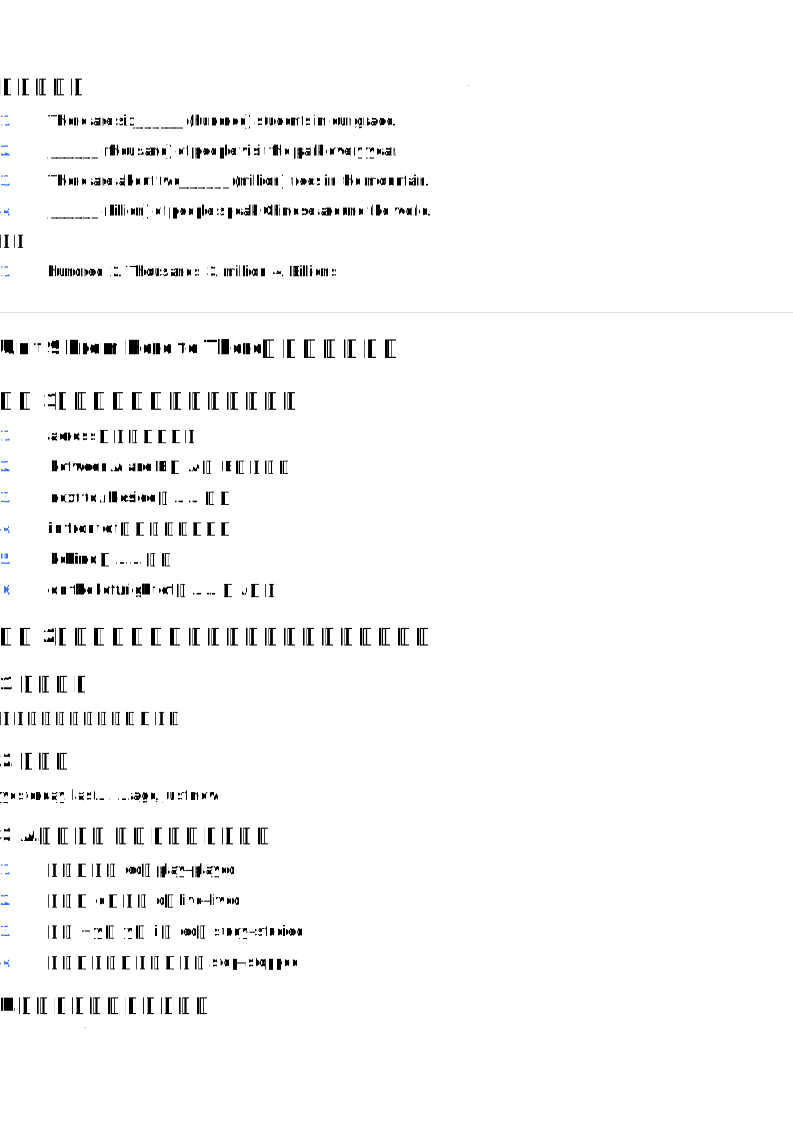
1. There are six______ (hundred) students in our grade.
2. ______ (thousand) of people visit the park every year.
3. There are about two______ (million) trees in the mountain.
4. ______ (billion) of people speak Chinese around the world.
答案
1. hundred 2. Thousands 3. million 4. Billions
Unit 9 From Here to There(出行与方位)
语法 1:方位介词(七下超级重点)
1. across 从物体表面横穿
2. between A and B 在 A 和 B 两者之间
3. next to / beside 在…… 旁边
4. in front of 在物体外部的前面
5. behind 在…… 后面
6. on the left/right of 在…… 左 / 右边
语法 2:一般过去时(重点实义动词动词变形规则)
1. 时态含义
过去发生、已经结束的动作。
2. 标志词
yesterday, last…, …ago, just now
3 A.规则动词 四种过去式变形规则
1. 一般直接加 ed:play–played
2. 不发音 e 结尾加 d:live–lived
3. 辅音 + y 变 y 为 i 加 ed:study–studied
4. 重读闭音节双写尾字母:stop–stopped
B.高频不规则动词(必背)
go–went、do–did、have–had、see–saw、say–said、take–took、make–made
5.
随堂小练习
1. I______ (walk) to school yesterday.
2. Did he______ (go) to the park?
答案
1. walked 2. go
Unit 10 Lending a Helping Hand(帮助他人)
语法1:一般过去时两大句型体系(was/were ; 实义动词 did)
体系一:be 动词过去式 was /were
1. 人称使用:I/he/she/it/ 单数名词用 was;you/we/they/ 复数名词用 were
2. 完整句型结构
· 肯定句:主语 + was/were + 表语
例:She was at home yesterday.
· 否定句:主语 + was/were + not(wasn’t/weren’t)+ 表语
例:They weren’t late last morning.
· 一般疑问句:Was/Were + 主语 + 表语?
例:Were you in the library just now?
体系二:实义动词过去式(借助助动词 did)
1. 完整句型公式
· 肯定句:主语 + 动词过去式 + 其他
· 否定句:主语 + didn’t + 动词原形 + 其他
· 一般疑问句:Did + 主语 + 动词原形 + 其他?
关键易错点
be 动词变否定、疑问直接改动 was/were,不用 did;
实义动词否定、疑问必须用 did/didn’t,动词变回原形。
❌ I didn’t went. ✅ I didn’t go.
随堂小练习
1. She______ (have) lunch at school yesterday.
2. They______ (be) busy last Sunday.
3. Did you______ (see) the cat?
答案
1. had 2. were 3. see
Unit 11 Rules Matter!(规则制度)
语法 1:情态动词 must /should
1. must 必须(硬性规定)
否定:mustn’t 禁止、绝不允许
2. should 应该(建议、劝告)
否定:shouldn’t 不应该
✅ 口诀:情态动词后 永远加动词原形
语法 2:反身代词(七下必考新词)
八大反身代词
myself 我自己
yourself 你自己
himself 他自己
herself 她自己
itself 它自己
ourselves 我们自己
yourselves 你们自己
themselves 他们自己
固定搭配(考试高频)
· enjoy oneself 玩得开心
· help oneself 随便吃
· teach oneself 自学
随堂小练习
1. You______ (mustn’t/should) run in the classroom.
答案
1. mustn’t
Unit 12 Better Together(生活品质)
核心语法:形容词变副词(-ly 规则)
1. 基本规则
形容词 + ly → 副词,用来修饰动词
· quick → quickly
· slow → slowly
· careful → carefully
2. 特殊变形(必考)
1. 辅音 + y 结尾:变 y 为 i 加 ly
happy → happily;easy → easily
2. 形副同形(不加 ly):early, fast, late
3. 终极用法区别(必考)
· 形容词修饰名词:a happy girl
· 副词修饰动词:run happily
随堂小练习
1. He speaks______ (slow).
2. They look______ (happy) and sing______ (happy).
答案
1. slowly
2. happy ; happily
学科网(北京)股份有限公司
$
资源预览图

1

2
3
相关资源
示范课
由于学科网是一个信息分享及获取的平台,不确保部分用户上传资料的 来源及知识产权归属。如您发现相关资料侵犯您的合法权益,请联系学科网,我们核实后将及时进行处理。