Unit 5 课时2 Reading1 (教学设计)2025-2026学年译林版英语七年级下册
2026-06-17
|
9页
|
201人阅读
|
0人下载
普通
摘要:
该初中英语教学设计聚焦描述动物的词汇、句型(如With..., enjoy doing...)及文章结构(开头-主体-结尾),通过“Pet Week”邀请函情境导入,结合豚鼠视频和学生宠物分享激活前课时形容词基础,用Fact File表格等支架梳理信息。
特色在于情境驱动任务(Pet Week激发学习兴趣,提升学习能力),分层阅读与写作支架(整体感知到深度研读,思维导图和写作框架培养思维品质),自然渗透人与动物和谐的文化意识。视频初识Teddy、Fact File填空等实例让教学更生动,助力学生语言能力提升,为教师提供结构化教学资源。
内容正文:
《Unit 5 Animal friends》第2课时教案
学科
英语
年级册别
七年级下册
共7课时
教材
译林版初中英语七年级下册
授课类型
阅读课(Reading 1)
第2课时
教材分析
教材分析
本单元围绕“动物朋友”主题展开,第一课时主要介绍了不同宠物的基本特征及形容词的用法。本课作为第二课时,核心内容是阅读Suzy关于她的小豚鼠Teddy的文章。文章结构清晰,分为标题、开头(介绍名字和外形)、主体(饮食与活动)、结尾(情感表达)四个部分。通过阅读,学生不仅能掌握描述动物的词汇和句型,还能学习如何有条理地撰写一篇关于宠物的短文,为后续的写作任务奠定基础。
学情分析
七年级学生已具备一定的英语基础,能够使用简单的形容词描述事物,但对如何构建一篇完整的介绍性文章仍缺乏系统性指导。学生在生活中可能养过宠物,有相关的生活经验,但在用英语准确表达情感(如“help me relax”)和逻辑连接上存在困难。本节课将通过故事线贯穿,引导学生从感性认识上升到理性写作,突破语言组织难点。
课时教学目标
语言能力
1. 学生能够准确朗读并理解课文《Teddy: my amazing animal friend》,掌握关键词汇如guinea pig, fur, body, enjoy, seldom等。
2. 学生能够运用课文中的句型结构(如With..., he/she looks...; He/She enjoys...; When I..., he/she...)来口头或书面描述一种动物。
文化意识
1. 学生能够理解人与动物之间和谐相处的关系,认识到宠物在人们生活中的陪伴作用。
2. 学生能够了解不同文化中人们对宠物的喜爱方式,培养尊重生命的情感。
思维品质
1. 学生能够通过预测、略读和扫读等策略,快速提取文章主旨和细节信息,提升逻辑思维和信息处理能力。
2. 学生能够分析文章的篇章结构,学习如何从外形、习性、情感等方面有条理地介绍事物。
学习能力
1. 学生能够在小组合作中分享自己的宠物故事,积极参与课堂互动,利用思维导图辅助阅读和写作。
2. 学生能够利用上下文猜测生词含义,养成自主学习和探究的学习习惯。
教学重点、难点
重点
1. 理解课文内容,掌握描述动物外形、习性和情感的表达方式。
2. 学习并运用文章的结构模式(Fact file + Article)进行仿写。
难点
1. 如何在写作中自然地将客观描述(looks, eats)与主观感受(feelings, special)结合起来。
2. 灵活运用When引导的时间状语从句以及enjoy doing sth.等语法点在语境中的运用。
教学方法与准备
教学方法
情境教学法、任务型教学法、整体语言教学法、合作探究法
教具准备
多媒体课件(含Teddy视频、图片)、Fact File表格卡、板书磁贴、单词卡片
教学环节
教师活动
学生活动
Step 1: Story Launch & Warm-up
【5分钟】
一、创设情境:Pet Week的邀请函
(1)、发布任务,激发兴趣
教师展示一张色彩鲜艳的“Pet Week”(宠物周)邀请函海报,上面写着:“Class 1, Grade 7 is going to have a Pet Week! We need a new member to join the show. Who is it?”
教师引导语:“Hello, everyone! Our school is holding a 'Pet Week' next week. The class needs an amazing animal friend to be the star of our event. But we don't know who will come. Look at this invitation. Do you want to help us find the perfect pet? Today, let's meet a special guest who has already been chosen by Suzy.”
(2)、视听结合,初识主角
教师播放一段简短的关于小豚鼠(Guinea Pig)的视频片段,视频中展示了它们可爱的外表和活泼的动作。
教师提问:“What animal is it? Is it a cat or a dog? Let's guess.”
预设学生回答:“It's a guinea pig!”
教师确认并板书课题:“Yes, it's a guinea pig. And its name is Teddy. Today, we are going to read Suzy's article about her amazing animal friend, Teddy.”
(3)、激活背景,联系生活
教师出示几张不同宠物的图片(猫、狗、兔子、仓鼠),并询问:“Do you have a pet at home? What is its name? What does it look like?”
邀请2-3名学生简单分享,教师给予积极评价:“Great! You love your pets. Now, let's see how Suzy loves Teddy.”
1. 观看邀请函视频,进入“寻找最佳宠物”的情境。
2. 观看视频,识别动物名称,猜测并回答问题。
3. 结合自身经验,分享自己宠物的名字和外貌特征。
4. 聆听课题,明确本节课的阅读任务。
评价任务
参与热情:☆☆☆
词汇识别:☆☆☆
口语表达:☆☆☆
设计意图
通过“Pet Week”的任务情境导入,迅速吸引学生注意力,将阅读目标转化为解决实际问题(寻找明星宠物),激发学生的阅读期待。同时激活学生已有的宠物知识储备,为理解课文内容搭建桥梁。
Step 2: Global Reading & Structure Analysis
【10分钟】
二、整体感知:破解Teddy的秘密档案
(1)、速读匹配,把握大意
教师分发课文《Teddy: my amazing animal friend》的打印稿或投影展示。要求学生快速浏览全文,完成以下任务:
Task 1: Match the paragraphs with their main ideas.
Para 1: A. What Teddy does and what Suzy feels.
Para 2: B. What Teddy looks like.
Para 3: C. Introduction (Name and Looks).
Wait, let's adjust based on the text structure provided in the教材:
Text Structure:
Part 1 (Paragraph 1): Name and Looks.
Part 2 (Paragraph 2): What it eats and does.
Part 3 (Paragraph 3): Special qualities and feelings.
Part 4 (Paragraph 4): Conclusion.
教师指令:“Please read quickly and match each part with the correct title. Don't worry about every word, just get the general idea.”
学生完成后,教师核对答案,并板书文章结构图:
Title: Teddy: my amazing animal friend
Part 1: Beginning (Name & Looks)
Part 2: Main Body (Food & Activities)
Part 3: Feelings (Special & Relationship)
Part 4: Ending (Conclusion)
(2)、细读验证,填充Fact File
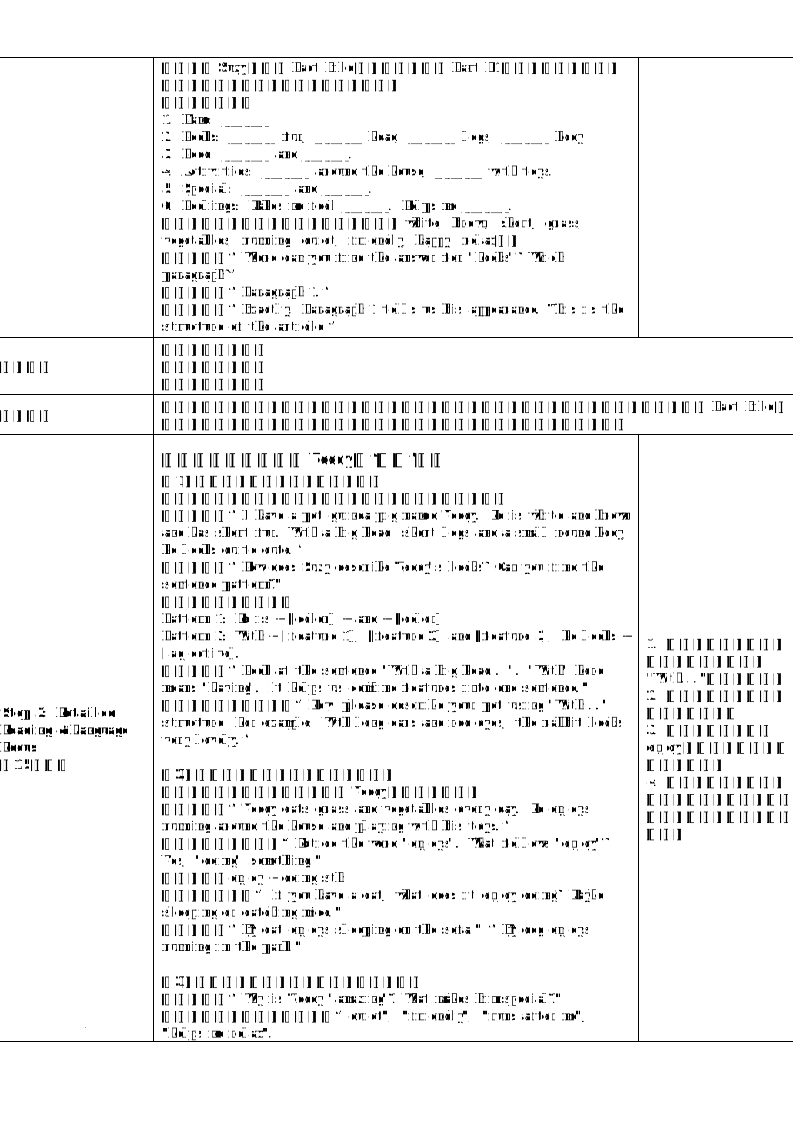
教师展示Suzy制作的Fact File表格(基于教材Part D1的内容),并引导学生再次仔细阅读课文,填写缺失的信息。
表格内容如下:
1. Name: _______
2. Looks: _______ fur, _______ head, _______ legs, _______ body.
3. Food: _______ and _______.
4. Activities: _______ around the house, _______ with toys.
5. Special: _______ and _______.
6. Feelings: Makes me feel _______. Helps me _______.
教师巡视课堂,指导学生定位关键词(如white, brown, short, grass, vegetables, running, quiet, friendly, happy, relax)。
教师提问:“Where can you find the answer for 'Looks'? Which paragraph?”
学生回答:“Paragraph 1.”
教师总结:“Exactly. Paragraph 1 tells us his appearance. This is the structure of the article.”
1. 快速浏览课文,将段落与主要内容进行匹配。
2. 根据文章结构图,理清作者的写作思路。
3. 细读课文,在文中圈画出关键信息。
4. 独立完成Fact File表格的填空,并与同伴核对答案。
评价任务
结构梳理:☆☆☆
信息提取:☆☆☆
细节捕捉:☆☆☆
设计意图
通过整体阅读和结构分析,帮助学生建立宏观的文本认知,理解说明文的基本框架。通过填充Fact File的任务,训练学生提取具体信息的能力,为后续的仿写写作提供清晰的素材支架。
Step 3: Detailed Reading & Language Focus
【15分钟】
三、深度研读:品味Teddy的“神奇”之处
(1)、聚焦第一段:描写外形的技巧
教师引导学生精读第一段,关注描写外形的句型和形容词。
原文摘录:“I have a pet guinea pig named Teddy. He is white and brown and has short fur. With a big head, short legs and a small round body, he looks quite cute.”
教师提问:“How does Suzy describe Teddy's looks? Can you find the sentence pattern?"
教师讲解并板书句型:
Pattern 1: He is + [color] + and + [color].
Pattern 2: With + [feature 1], [feature 2] and [feature 3], he looks + [adjective].
教师示范:“Look at the sentence 'With a big head...'. 'With' here means 'having'. It helps us combine features into one sentence."
教师请学生模仿造句:“Now, please describe your pet using 'With...' structure. For example: With long ears and red eyes, the rabbit looks very lovely.”
(2)、聚焦第二段:动作与爱好的表达
教师引导学生阅读第二段,找出Teddy喜欢做的事情。
原文摘录:“Teddy eats grass and vegetables every day. He enjoys running around the house and playing with his toys.”
教师强调动词搭配:“Notice the word 'enjoys'. What follows 'enjoy'? Yes, 'doing' something."
教师板书:enjoy + doing sth.
教师创设情境:“If you have a cat, what does it enjoy doing? Maybe sleeping or catching mice."
学生练习:“My cat enjoys sleeping on the sofa." “My dog enjoys running in the park."
(3)、聚焦第三段:情感与特殊品质的升华
教师提问:“Why is Teddy 'amazing'? What makes him special?"
引导学生关注第三段关键词:“quiet", "friendly", "runs after me", "helps me relax".
教师深入挖掘情感表达:“When I am down, Teddy will stay next to me. How do I feel then?"
学生回答:“I feel better/happy."
教师总结:“Animals are not just pets; they are family members. They give us comfort. This is the relationship between humans and animals."
教师带领学生朗读最后一段,体会温馨的氛围:“We have so much fun together. I think he is the best pet in the world."
1. 精读第一段,分析描写外形的句型,理解"With..."结构的用法。
2. 模仿句型描述其他动物的外貌特征。
3. 阅读第二段,找出enjoy的用法,并进行口头造句练习。
4. 深入思考第三段,理解作者对宠物的情感,分享自己与宠物互动的感人瞬间。
评价任务
句型运用:☆☆☆
情感共鸣:☆☆☆
朗读感悟:☆☆☆
设计意图
通过分层细读,不仅落实了语言知识点(with结构、enjoy doing),更引导学生深入文本内部,体会作者对宠物的深厚情感,实现语言学习与情感教育的融合,为写作奠定情感和语言双重基础。
Step 4: Production & Writing Practice
【10分钟】
四、迁移创新:我是小小饲养员
(1)、构思大纲,绘制导图
教师布置任务:“Now, you are the host of the Pet Week. Please choose an animal friend (real or imaginary) and write a short introduction like Suzy."
教师提供写作支架(Writing Frame):
Title: My Amazing Animal Friend
Part 1: I have a pet named _______. It is _______. With ________, it looks ________.
Part 2: It eats ________ and ________. It enjoys ________ and ________.
Part 3: It is ________ and ________. When I ________, it ________.
Part 4: I think it is the best pet because ________.
学生分组讨论,选择动物,并在草稿纸上绘制简单的思维导图,列出关键词。
(2)、独立写作,巡回指导
学生根据思维导图和写作支架进行独立写作。教师巡视课堂,重点关注以下几点:
1. 是否使用了本课学到的句型(With..., enjoy doing...)。
2. 拼写是否正确(特别是guinea pig, vegetables等长词)。
3. 标点符号的使用是否规范。
教师针对个别困难学生进行一对一辅导,鼓励其大胆开口说,再落笔写。
(3)、展示交流,多元评价
邀请2-3名学生上台展示他们的作品,或者同桌互换作文进行互评。
评价标准:
1. Content: Does it cover looks, food, activities, and feelings?
2. Language: Are the sentences correct and rich?
3. Structure: Is the writing organized clearly?
教师给予具体的表扬和建议:“Your description of the rabbit's ears is very vivid!" “Remember to use 'enjoys doing' instead of 'enjoys to do'."
1. 选择自己喜欢的动物,确定写作主题。
2. 利用思维导图梳理写作要点,完善写作支架。
3. 独立撰写一篇关于动物朋友的短文。
4. 展示作品,参与互评,听取老师建议并修改。
评价任务
内容完整:☆☆☆
语言准确:☆☆☆
书写规范:☆☆☆
设计意图
通过“小小饲养员”的角色扮演,将阅读输入转化为写作输出。提供清晰的写作支架降低了难度,让学生有章可循。多元化的评价方式增强了学生的自信心,促进了同伴间的互助学习。
Step 5: Summary & Homework
【5分钟】
五、总结升华,布置作业
(1)、回顾总结
教师引导学生回顾本节课的重点:
1. 文章结构:Beginning -> Main Body -> Ending.
2. 重点句型:With..., he/she looks...; He/She enjoys...; When I..., he/she...
3. 情感升华:Animals are our friends, we should love them.
教师深情结语:“Today we learned about Teddy. Every pet has its own story. Remember to treat them with love and care."
(2)、分层作业
必做题:整理并背诵课文中描写Teddy的优美句子;完善课堂上的作文。
选做题:为你的宠物画一幅画像,并附上英文标签(Label),下节课展示。
1. 跟随老师回顾本节课的核心知识点。
2. 记录作业要求,课后完成。
3. 表达对动物的爱护之情。
评价任务
知识回顾:☆☆☆
情感态度:☆☆☆
作业完成:☆☆☆
设计意图
通过总结强化记忆,将零散的知识点系统化。分层作业满足不同层次学生的需求,绘画作业增加了趣味性,延伸了课堂学习。
作业设计
一、Read and fill in the blanks.
根据课文内容,补全下列句子。
1. Teddy is a pet __________ named Teddy.
2. He is white and brown and has short __________.
3. With a big head, short legs and a small round body, he looks quite __________.
4. Teddy eats __________ and vegetables every day.
5. He enjoys __________ around the house and __________ with his toys.
6. Teddy is __________ and friendly. He seldom makes loud noises.
7. When I come home from school, he runs after me, and that makes me feel __________.
8. If I am down, Teddy will stay next to me and help me __________.
二、Write a short passage about your animal friend.
题目:My Amazing Animal Friend
要求:
1. 按照课文的结构(开头、中间、结尾)写一篇短文。
2. 至少包含以下内容:名字、外貌、食物、爱好、为什么它是你的好朋友。
3. 正确使用本课所学的句型:With..., He/She enjoys..., When I...
4. 字数在60词左右。
三、Creative Task (Optional).
Draw a picture of your favorite animal. Label the parts of the body (e.g., ears, tail, legs) and write three sentences to describe it using adjectives (e.g., It has long ears. It is very cute.).
【答案解析】
一、Read and fill in the blanks.
1. guinea pig
2. fur
3. cute
4. grass
5. running; playing
6. quiet
7. happy
8. relax
板书设计
Unit 5 Animal friends (Period 2)
Teddy: my amazing animal friend
[Structure]
Beginning: Name & Looks (With... looks...)
Main Body: Food & Activities (enjoy doing...)
Feelings: Special & Relationship (When I..., ...)
Ending: Conclusion (the best pet)
[Key Sentences]
1. With a big head, short legs..., he looks quite cute.
2. He enjoys running around the house and playing with his toys.
3. When I am down, Teddy will stay next to me and help me relax.
[Emotion]
Love & Care → Friends Forever
教学反思
成功之处
1. 情境创设有效:通过“Pet Week”的任务驱动,极大地激发了学生的学习兴趣和参与度,使阅读过程变得生动有趣。
2. 支架搭建合理:从Fact File的填空到写作框架的提供,层层递进,有效降低了写作难度,让大部分学生都能有话可说。
3. 情感教育渗透:在教学过程中自然融入了人与动物和谐相处的理念,提升了学生的核心素养。
不足之处
1. 时间把控需优化:在细节阅读环节,部分学生对"With"结构的理解不够透彻,导致后续造句时间稍显紧张。
2. 个体差异关注不足:在写作环节,对于基础较弱的学生,提供的帮助还不够及时,部分学生未能完全独立完成高质量的写作。
3. 互动形式单一:小组讨论环节可以更加多样化,例如增加角色扮演或采访环节,以进一步活跃课堂气氛。
学科网(北京)股份有限公司
$
资源预览图

1

2
3
相关资源
示范课
由于学科网是一个信息分享及获取的平台,不确保部分用户上传资料的 来源及知识产权归属。如您发现相关资料侵犯您的合法权益,请联系学科网,我们核实后将及时进行处理。