Unit 6 Crossing Cultures(知识清单)英语新教材人教版八年级下册
2026-04-20
|
2份
|
47页
|
2413人阅读
|
70人下载
精品
资源信息
| 学段 | 初中 |
|---|---|
| 学科 | 英语 |
| 教材版本 | 初中英语人教版八年级下册 |
| 年级 | 八年级 |
| 章节 | Unit 6 Crossing Cultures |
| 类型 | 学案-知识清单 |
| 知识点 | - |
| 使用场景 | 同步教学-单元练习 |
| 学年 | 2026-2027 |
| 地区(省份) | 全国 |
| 地区(市) | - |
| 地区(区县) | - |
| 文件格式 | ZIP |
| 文件大小 | 737 KB |
| 发布时间 | 2026-04-20 |
| 更新时间 | 2026-04-27 |
| 作者 | 青&忆 |
| 品牌系列 | 上好课·上好课 |
| 审核时间 | 2026-04-20 |
| 下载链接 | https://m.zxxk.com/soft/57435744.html |
| 价格 | 3.00储值(1储值=1元) |
| 来源 | 学科网 |
摘要:
该初中英语单元知识清单系统整合了“Crossing Cultures”单元内容,涵盖跨文化交际相关的61个核心词汇、73个实用短语、35个功能句型、3类状语从句语法及邮件写作任务,构建了从基础语言知识到跨文化应用的递进式学习支架。
清单通过“知识点分级详解+语法结构关联+写作模板示范”呈现知识体系,如将so...that、unless等语法点标注为重点并结合句型实例解析,用表格对比used to/ be used to的用法差异,培养学生的语言能力和文化意识。特别设计“写作五步法”和邮件范文,帮助学生掌握跨文化建议类邮件的写作逻辑,既便于学生自主梳理知识,也为教师精准教学提供清晰框架。
内容正文:
Unit 6 Crossing Cultures
单词
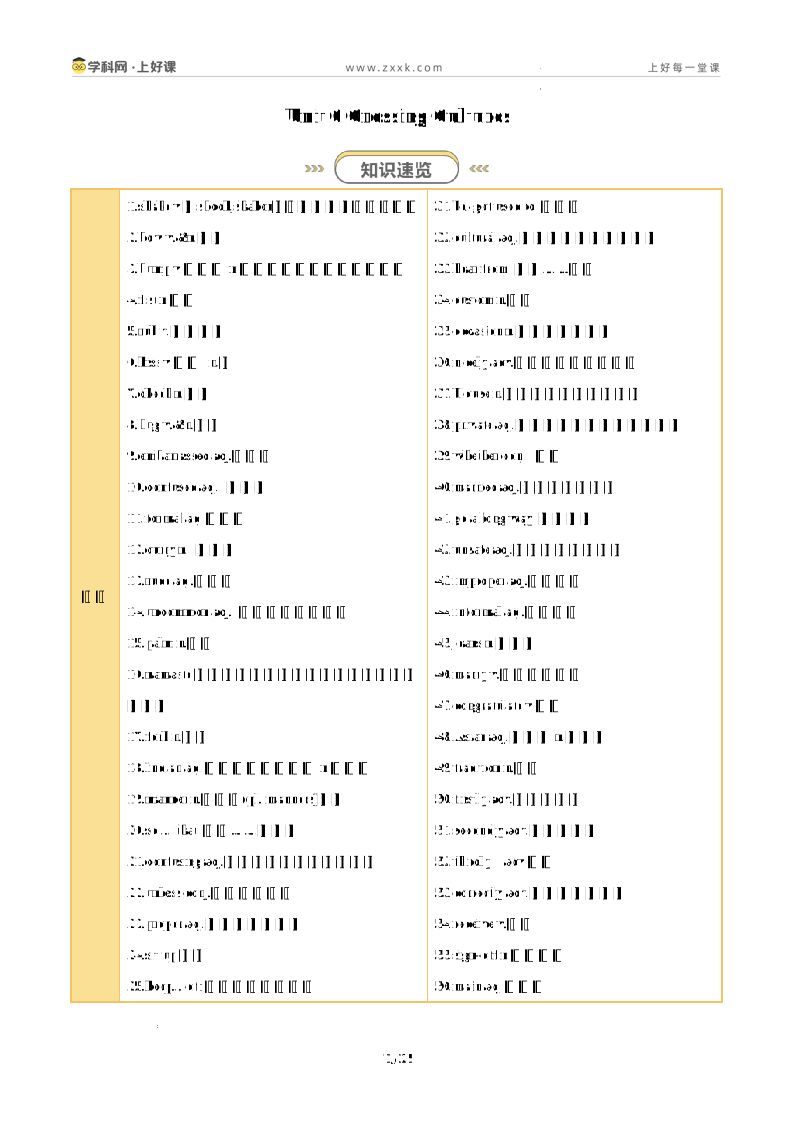
1.____________ 与(某人)握手;摇动
2.____________ 鞠躬
3.___________ 碰;撞;碰撞;(撞击造成的)肿块
4.____________ 拳头
5.____________ 摩擦;揉
6.____________ 亲吻;吻
7.____________ 脸颊
8.____________ 拥抱
9.____________ 尴尬的
10.____________ 困惑的
11.____________ 正式的
12.____________ 咖喱菜
13.____________ 粗鲁的
14.____________ 罕见的;不寻常的
15.____________ 手掌
16.____________ 有礼了(印度人行合十礼时口中所念之词)
17.____________ 叉子
18.____________ 印度的;印度人的;印度人
19.____________ 方式;(pl. manners)礼仪
20.____________ 如此......以至于
21.____________ 令人困惑的;难以理解的
22.____________ 除非;如果不
23.____________ 恰当的;正确的
24.___________ 坐直
25.____________ 使不碰到;使避开
26.____________ 手肘
27.____________ 分菜用的;一份食物
28.____________ (usually pl.)筷子
29.____________ 公筷
30.____________ 使人难堪的
31.____________ 习惯于
32.___________ 与文化有关的;文化的
33.____________ 得到......消息
34.____________ 习俗
35.____________ 场合;重大活动
36.____________ 漂亮地;令人愉快地
37.____________ (女式)衬衫或短上衣
38.____________ 不喜欢谈论私事的;私人的
39.____________ 是否
40.____________ 已婚的;婚姻的
41.____________ 帮助很大
42.____________ 不安全的;危险的
43.____________ 不合适的
44.____________ 非正式的
45.___________ 牛仔裤
46.____________ 结婚;娶;嫁
47.____________ 祝贺
48.____________ 亚洲的;亚洲人
49.____________ 传统
50.____________ 第一;首先
51.____________ 第二;其次
52.____________ 第三
53.____________ 正确地;得体地
54.____________ 收到
55.____________ 结束写信
56.____________ 主要的
57.____________ 四十多岁
58.____________ 错误的;不真实的
59.____________ 印象
60.____________ 欢呼;庆祝
61.____________ 再见;干杯
短语
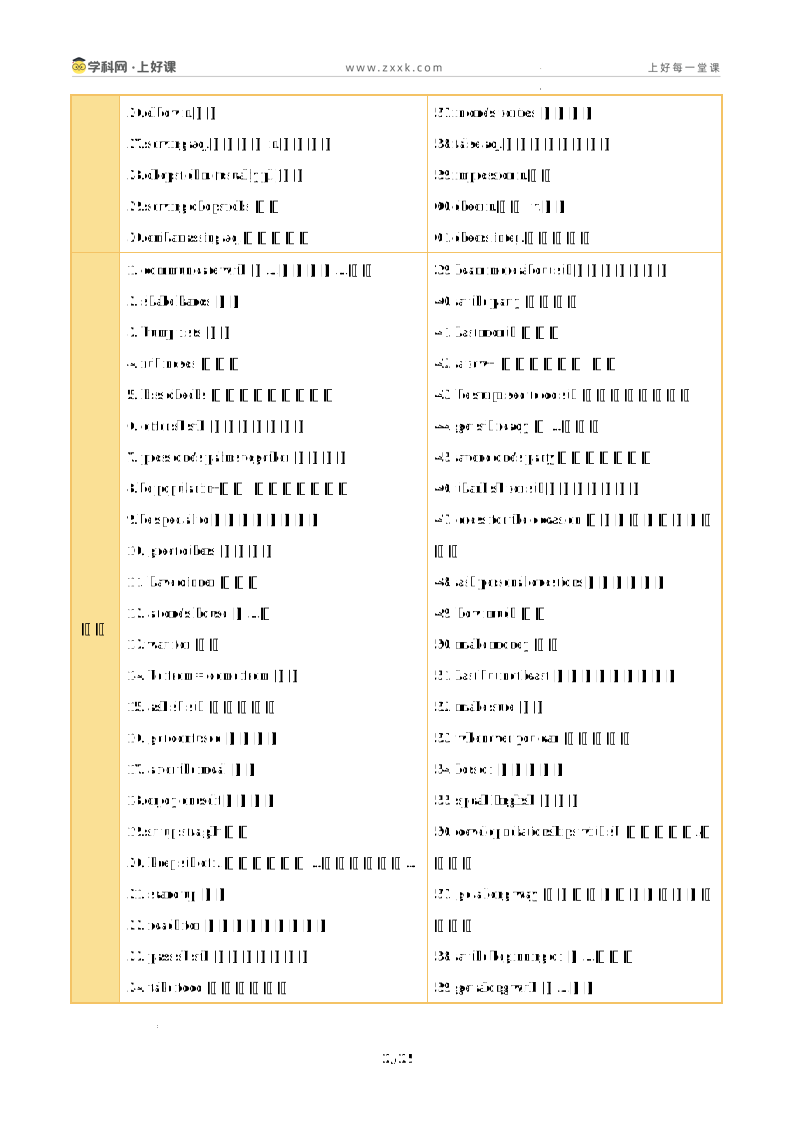
1.____________ 与...交流;与...沟通
2.____________ 握手
3.____________ 碰拳
4.____________ 碰鼻礼
5.____________ 亲吻脸颊(贴面礼)
6.____________ 为某人提供某物
7.____________ 双手合十
8.____________ 在某地很受欢迎
9.____________ 对某人来说很特别
10.___________ 问候他人
11.____________ 吃晚餐
12.____________ 在...家
13.____________ 等待
14.____________ 来自
15.____________ 问某人某事
16.____________ 感到困惑
17.____________ 饭后
18.____________ 玩得开心
19.____________ 坐直
20.____________ 使某物不接触...;让某物远离...
21.____________ 站起
22.____________ 伸手去拿;伸手去够
23.____________ 把某物传给某人
24.____________ 夹菜;取食物
25.____________ 给某人关于...的建议
26.____________ 对...感到惊讶;被...惊到
27.____________ 飞机起飞;脱下衣物等
28.____________ 期望某人做某事;指望某人做某事
29.____________ 准时;按时
30.____________ 把某物插入...;把某物戳进...
31.____________ 邀请某人做某事
32.____________ 与...不同
33.____________ 下车;下(飞机、船等)
34.____________ 站得离某人近
35.____________ 习惯(做)某事
36.____________ 对...变得好奇
37.____________ 收到某人的消息/来信/来电
38.____________ 交一些朋友
39.____________ 更多地了解某事
40.____________ 在聚会上
41.____________ 上个月
42.____________ 一些
43.___________ 对做某事感到惊讶
44.____________ 把...准备好
45.____________ 参加某人的聚会
46.____________ 因某事感谢某人
47.____________ 根据场合着装;着装得体
48.____________ 询问私人问题
49.____________ 多少
50.____________ 赚钱
51.___________ 最后但同样重要的是
52.____________ 确保
53.____________ 只要有可能
54.____________ 许多;大量
55.____________ 说英语
56.____________ 与某人建立/培养关系
57.____________ 走很长的路;大有帮助;作用很大
58.____________ 在...的开始
59.____________ 与...相处
60.____________ 迫不及待做某事;等不及要做某事
61.____________ 刚才;刚刚
62.____________ 把某物拉到...旁边
63.____________ 指着
64.__________ 挥舞...
65.____________ 还剩一周时间
66.____________ (飞机)降落于
67.____________ 和...待在一起
68.____________ 在某人四十多岁的时候
69.____________ 给某人带来某物
70.____________ 担心做某事
71.____________ 给某人某物
72.____________ 想要做
73.____________ 期待(做)某事
句型
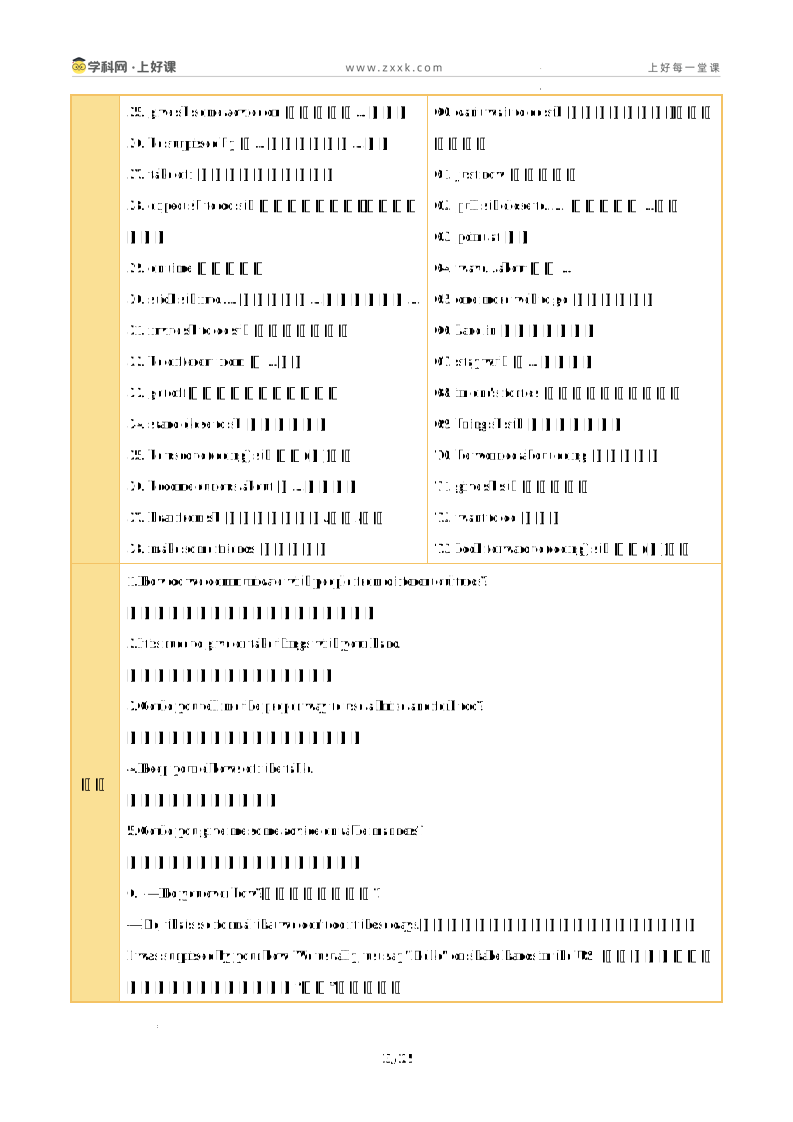
1.How do we communicate with people from different cultures?
我们如何与来自不同文化背景的人交流?
2.It is rude to give or take things with your hand.
用手递送或接取东西是不礼貌的。
3.Could you tell me the proper way to use a knife and fork too?
你也能告诉我使用刀叉的正确方式吗?
4.Keep your elbows off the table.
胳膊肘不要放在桌子上。
5.Could you give me some advice on table manners?
你能给我一些关于餐桌礼仪的建议吗?
6. —Do you ever bow?你们会行鞠躬礼吗?
—No, that's so formal that we don't do it these days.不会,那太正式了以至于我们现在不这么做。
I was surprised by your bow. We usually just say "Hello" or shake hands in the US. 你的鞠躬让我很惊讶。在美国,我们通常只说“你好”或者握手。
- That's surprising! In Japan, we bow as soon as we meet a teacher.
——真令人惊讶!在日本,我们一见到老师就鞠躬。
8. —Should I bring something?我应该带一些东西吗?
—Sure. Bring a small gift, but don't bring food unless the host asks you to.
带个小礼物,但除非主人要求,不然别带食物
9.In Japan, we bow as soon as we meet a teacher.在日本,我们一见到老师就要鞠躬。
10. —Don't look so embarrassed!别看起来这么尴尬!
—But it is embarrassing!可它太令人尴尬了!
11.But once I was used to it, I became more curious and interested in learning about the culture there.但一旦我习惯了,我就对那里的文化变得更加好奇和感兴趣。
12.It's so great to hear from you.收到你的来信真是太棒了。
13.When I attended my friend's party, I didn't bring anything.
我去参加朋友的聚会时,什么也没带。
14. But English table manners are so confusing that I'm a little worried.
但英式餐桌礼仪太让人困惑了,我有点担心。
15. Bring a small gift, but don't bring food unless the host asks you to.
带个小礼物,但除非主人让你带,否则别带食物。
16. And remember to wait for the host to start before you eat.
还有记住,要等主人开始用餐后你再吃。
17. If you get confused, watch what everyone else does.
如果你感到困惑,就看看其他人怎么做。
18. I was a little lonely at first, but I'm starting to make some friends.
一开始我还有点孤单,但我已经开始交到一些朋友了。
19. They helped me to learn more about the customs here after I had some embarrassing experiences at a party last month.
上个月我在一场派对上有过几次尴尬的经历之后,他们帮我更多地了解了这里的习俗。
20. It's important to bring a gift when you visit someone.
拜访别人的时候,带上一份礼物是很重要的。
21. Everyone else brought gifts like chocolates or flowers to thank him for the party.
其他人都带了巧克力、鲜花之类的礼物,来感谢他举办这场派对。
22.They don't like it when others ask them about their age, their family, whether they are married, or how much money they make.他们不喜欢别人问他们的年龄、家庭、是否结婚,或者赚多少钱。
23.Last but not least, make sure you use French whenever you can.
最后但同样重要的是,确保你尽可能使用法语。
24.What should I take with me to the party? - You could take some fruit or flowers.
我该带什么东西去聚会呢?——你可以带些水果或花。
25. At that party it was surprising to see how nicely everyone was dressed.
在那场派对上,看到每个人都打扮得那么得体,真令人惊讶。
26. It's best not to ask personal questions unless you know the person quite well.
除非你和对方相当熟络,否则最好不要问私人问题。
27.It is impolite to point at people in many countries.
在许多国家,用手指指着别人是不礼貌的。
28.I can't wait to congratulate them.
我迫不及待地想向他们表示祝贺。
29.She wished her friend happy birthday on the wrong date.
她在错误的日期祝福朋友生日快乐。
30.person receiving the email收到电子邮件的人
31. Lots of people speak English here, but you can develop closer relationships with them if you use French.这里很多人都会说英语,但如果你用法语,就能和他们建立更亲密的关系。
32. You'll see what I mean as soon as you get here! 你一到这儿,就会明白我的意思了。
33.Mr. and Mrs. Zhao are both in their forties, and they have a son who is younger than me.
赵先生和赵太太都是四十多岁,他们有一个比我小的儿子。
34.First impressions are so important that I don't want to say or do anything wrong!
第一印象如此重要,以至于我不想说错或做错任何事!
35.I'm looking forward to hearing from you soon.
我期待着很快收到你的来信。
语法
so...that.. unless as soon as引导的状语从句
写作
写一封邮件来给出关于中国习俗的建议
一、知识点清单
知识点1:1.How do we communicate with people from different cultures?我们如何与来自不同文化背景的人交流?
【详解】 communicate with
用法:表示“与……交流/沟通”,后接人或群体,强调双向信息传递。
例句:We should learn to communicate with our parents patiently.我们应该学会耐心地与父母沟通。
知识点2:It is rude to give or take things with your hand.用手递送或接取东西是不礼貌的。
【详解1】 rude
用法:形容词,意为“粗鲁的;无礼的”,常与介词 to 搭配(be rude to sb.)。
例句:It’s impolite to be rude to the elderly.对老人粗鲁是不礼貌的。
【详解2】 take sth. with sth.
take sth. with sb. / take sb. sth.用法:随身携带某物 / 为某人带某物。
例句:Don’t forget to take your ID card with you. / Can you take him a glass of water?别忘了带上身份证。/ 你能给他倒杯水吗?
常见句型与结构
1. It takes sb. + 时间 + to do sth.
用法:表示“做某事花费某人多少时间”。take 用于此句型时主语必须是 it。
例句:It took me two hours to finish the homework.完成作业花了我两个小时。
2. take + 名词 + 介词(固定搭配)
take pride in = be proud of 以……为自豪
例句:We take pride in our school. → 我们为学校自豪。
take an interest in 对……产生兴趣
例句:He takes an interest in science. → 他对科学产生了兴趣。
take control of 控制
例句:The police took control of the situation. → 警方控制了局面。
知识点3:Keep your elbows off the table.胳膊肘不要放在桌子上。
【详解】用法:动词短语,意为“使……远离;不让……接近”,常接名词或代词作宾语。
例句:Please keep the dog off the grass.请勿让狗踩踏草坪。
5.Could you give me some advice on table manners?你能给我一些关于餐桌礼仪的建议吗?
【详解1】
此处情态动词could并非表示过去时态,而是表示委婉语气,后跟动词原形表达有礼貌地请求或请求允许做某事。表示请求时与please连用会使语气更加委婉。
☞ Could I watch TV? 我可以看电视吗?
☞ —Could you please give me a piece of paper? 请你给我一张纸好吗?
—Sure. Here you are. 当然可以。给你。
【知识拓展】
1. 常见表示委婉请求做某事的句型及其答语
委婉请求:Could you please+do sth?
Could you + do sth?
Would you please + do sth?
Would you + do sth?
肯定回答:Sure. / Of course. / No problem. / I’d love to.
否定回答:Sorry. / Sorry, I can’t. / I’d love to, but...
2. Could you please...? 句型的否定结构是在please后加not。
☞ Could you please not make noises? 请你不要制造噪音好吗?
【详解2】advice的用法
词性及意义
常见搭配
advice为不可数名词,意为“劝告;建议”
①a piece of advice一条建议
②ask sb. for advice向某人征求建议
③give sb. advice (on/about sth.)
(就某事)给某人建议
④take/follow one’s advice采纳某人的建议
advise为动词,意为“劝告;建议”
①advise doing sth. 建议做某事
②advise sb. (not) to do sth.
建议某人(不要)做某事
③advise that sb. (should) do sth.
建议某人(应该)做某事
辨析advice与suggestion
advice为不可数名词,不能直接和数词连用;suggestion为可数名词。如:four pieces of advice=four suggestions 四条建议
知识点4:—Do you ever bow?你们会行鞠躬礼吗?
—No, that's so formal that we don't do it these days.不会,那太正式了以至于我们现在不这么做。
so …that… 如此……以至于……
“so + 形容词/副词 + that + 从句”; so…that 意思是“如此…以至于…”
拓展:如果名词被many, much, few, little等词修饰,则名词前不用such而用so。
so that
so that表示“以便”, 用来引导目的状语从句。相当于in order that, 从句中常用can, could, may, might等情态动词.
知识点5:I was surprised by your bow. We usually just say "Hello" or shake hands in the US. 你的鞠躬让我很惊讶。在美国,我们通常只说“你好”或者握手。
——That's surprising! In Japan, we bow as soon as we meet a teacher.真令人惊讶!在日本,我们一见到老师就鞠躬。
【详解1】
surprise还可作动词,意为“(使)惊讶/吃惊”,其形容词为surprising和surprised。具体用法如下:
①surprising“令人惊讶的”,主语为物,如:His idea is surprising. 他的想法很让人惊讶。
②surprised“感到意外的”,主语是人,常用结构:sb. be surprised to do sth. 某人对做某事感到意外;be surprised at/by sth./sb. 对某事/某人感到很意外。
如:I was surprised at how quickly she agreed. 我没想到她这么快就同意了。
She looked surprised when I told her. 我告诉她时她显得很惊讶。
【详解2】shake hands
用法:固定短语,意为“握手”,hands 用复数,可与 with sb. 连用。
例句:In many cultures, people shake hands when they meet for the first time.在许多文化中,人们初次见面时会握手。
【详解3】as soon as
用法:连词,引导时间状语从句,表示“一……就……”,遵循 主将从现 原则(主句用将来时,从句用一般现在时)。
例句:I’ll call you as soon as I arrive at the airport.我一到机场就给你打电话。
知识点6: —Don't look so embarrassed!别看起来这么尴尬!
—But it is embarrassing!可它太令人尴尬了!
用法:形容词,意为“尴尬的;难为情的”,主语通常为人;比较 embarrassing(令人尴尬的,修饰事物)。
例句:He felt embarrassed when he couldn’t answer the easy question.他答不出那个简单问题时感到很尴尬。
知识点7:But once I was used to it, I became more curious and interested in learning about the culture there.但一旦我习惯了,我就对那里的文化变得更加好奇和感兴趣。
辨析
意义及用法
used to do sth.
意为“过去经常做某事(现在不做了)”,to 为不定式符号,后接动词原形,只用于过去时态。
be used to
(doing) sth.
意为“习惯于(做)某事”,to是介词,后接名词、代词或动词-ing形式。
be used to do sth.
意为“被用来做某事”,是被动语态,不定式表示目的。
知识点8:It's so great to hear from you.收到你的来信真是太棒了。
hear动词,意为"听说"。hear from sb 意为"收到某人的来信"。
常用结构为:
(1)hear sb do sth意为"听见某人做某事"。
(2)hear sb doing sth意为"听见某人正在做某事"。
(3)hear of /about sb / sth意为"听说某人或某事"。
(4)hear+that从句意为"听说……"。
知识点9:When I attended my friend's party, I didn't bring anything.我去参加朋友的聚会时,什么也没带。
辨析
意义及用法
join
①指加入某党派、组织、社会团体等,并成为其中一员,相当于become a member of。
②join sb. 指“加入某人的行列”。
join in
多指参加小规模的活动,如比赛、游戏等,常用于日常口语。
attend
意为“出席”,多为正式用语,可指参加婚礼、典礼、葬礼或上课等,但不一定起到积极的作用。
take part in
指参加某一活动并在其中发挥一定的作用。take an active part in 积极参加
知识点10: And remember to wait for the host to start before you eat.还有记住,要等主人开始用餐后你再吃。
【详解1】remember
用法:动词,意为“记住;记得”,常考结构:
remember to do sth.(记得要去做某事,事情未做)
remember doing sth.(记得做过某事,事情已做)
例句:Please remember to turn off the lights before leaving.离开前请记得关灯。
【详解2】wait的用法
如:①I’m quite happy to wait for you here.我非常高兴在此等候您。
②Don’t wait to solve problems until the things go worse. 别等到事情变得更糟才解决问题。
知识点11:It's important to bring a gift when you visit someone.拜访别人的时候,带上一份礼物是很重要的。
【详解1】本句是一个含有宾语从句的主从复合句,其句式结构如下:
[ it is important to bring a gift when you visit someone ].真正主语
形式主语
在从句中,it是形式主语,不定式复合结构to bring a gift when you visit someone是真正的主语。
【知识拓展】 it作形式主语的用法
(1)当不定式(短语)、动名词(短语)或从句在某句中作主语时,常用it作形式主语置于句首,而真正的主语放在句尾。
(2)it作形式主语的三种常见句型结构:
①It’s + adj. + to do...
②It’s + adj. + for sb + to do...
③It’s + adj. + of sb + to do...
(3)It’s + adj. + for sb +to do...与It’s+ adj. +of sb +to do...的用法辨析
It’s + adj. + for sb + to do...
句中的形容词常表示客观情况,如:hard,easy,important等
It’s + adj. + of sb + to do...
句中的形容词常表示人的性格、品质与特点等,如kind,nice,clever等
知识点12:They don't like it when others ask them about their age, their family, whether they are married, or how much money they make.他们不喜欢别人问他们的年龄、家庭、是否结婚,或者赚多少钱。
知识点2: marry动词,意为“结婚;嫁;娶”。常见搭配:
固定搭配
用法
marry sb.
嫁给某人/与某人结婚
marry sb. to sb.
把某人嫁给某人/为某人娶某人
get married to sb.
“与某人结婚”,get married强调动作,不能与时间段连用;而be married强调状态,可以与时间段连用
be married to sb.
Eg.She married a doctor. 她和一位医生结了婚。
She was determined to marry her daughter to a rich man. 她决定要把自己的女儿嫁给一个有钱人。
They got married last year.他们去年结婚了。
His parents have been married for twenty years.他的父母已经结婚20年了。
知识点13:.Last but not least, make sure you use French whenever you can.
最后但同样重要的是,确保你尽可能使用法语。
make sure
用法:短语动词,意为“确保;查明”,后可接 of sth. 或 that 从句。
例句:Make sure you lock the door when you go out.出门时务必锁好门。
whenever=not matter when “无论何时;任何时候”
【拓展】类似的由“特殊疑问词+-ever”构成的合成词还有:
无论谁 no matter who = _________ 无论什么no matter what = ________
无论哪里 no matter where = _______ 不管怎样 no matter how = _________
知识点14: It's best not to ask personal questions unless you know the person quite well.
除非你和对方相当熟络,否则最好不要问私人问题。
用法:连词,意为“除非;如果不”,引导条件状语从句,相当于 if not,遵循 主将从现。
例句:You won’t pass the exam unless you study hard.除非你努力学习,否则你不会通过考试。
知识点15:It is impolite to point at people in many countries.
在许多国家,用手指指着别人是不礼貌的。
point at的意思是"指向",相当于point to,二者一般可互换。point to 指向较近之物。point at指向较远之物,point 后可直接跟名词/代词作宾语,point...at...表示"将……指向……"。
☞ The teacher pointed to one of the pictures. 老师指着其中的一幅图片。
☞ She was pointing her finger at me. 她用手指指着我。
☞ He pointed his gun at the enemy. 他举枪对准了敌人。
知识点16:I can't wait to congratulate them.我迫不及待地想向他们表示祝贺。
用法:固定句式,意为“迫不及待地想做某事”,表达急切心情。
例句:The children can’t wait to open their Christmas presents.孩子们迫不及待地想打开圣诞礼物。
知识点17:I was a little lonely at first, but I'm starting to make some friends.
一开始我还有点孤单,但我已经开始交到一些朋友了。
at first意为"首先,最初",通常用于句首或句末,与后来发生的事情相对照,其反义短语为at last,意为"最后,最终"。
☞ At first I didn’t want to go, but I soon changed my mind. 起初我不想去,可是不久我改变了主意。
【易混辨析】
at first
与at the beginning同义,表示"起初(但后来……)",与后来发生的事相对照。
☞ At first I wasn’t sure if I could continue it. 起初我不确定能否继续经营下去。
first of all
与first同义,表示"首先;最重要",说明顺序,后面常接next,then等。
☞ First of all, open the window. 首先,打开窗户。
知识点18:She wished her friend happy birthday on the wrong date.她在错误的日期祝福朋友生日快乐。
辨析
用法
wish
wish for sth. 想要某物
wish sb. sth. 祝愿某人……
wish (sb.) to do sth. 希望(某人)做某事
wish (that)... 希望……
hope
hope for sth. 想要某物
hope to do sth. 希望做某事
hope (that)... 希望……
Look forward to
look forward to sth. /doing sth. 期盼某物/做某事
30.person receiving the email收到电子邮件的人
【妙辨异同】accept/receive
辨析
意义及用法
图解助记
accept
意为“接受”,指主观上愿意接受,如idea, praise等。
receive
意为“收到;接收”,指客观上收到,如gift, letter等,但主观上不一定接受。常与介词from连用。
知识点19:Mr. and Mrs. Zhao are both in their forties, and they have a son who is younger than me.
赵先生和赵太太都是四十多岁,他们有一个比我小的儿子。
in one’s + 基数词复数
用法:表示“在某人几十多岁时”,基数词复数形式(如 twenties, thirties)指代年龄段。
例句:My father started his own business in his thirties.我父亲在三十多岁时开始了自己的事业。
知识点20:First impressions are so important that I don't want to say or do anything wrong!
第一印象如此重要,以至于我不想说错或做错任何事!
impression
用法:名词,意为“印象”,常考搭配:
make a(n) … impression on sb.(给某人留下……的印象)
have/get the impression that…(有……的印象)
例句:Her kindness made a deep impression on me.她的善良给我留下了深刻的印象。
知识点21:I'm looking forward to hearing from you soon.我期待着很快收到你的来信。
【妙辨异同】hear from/hear of/about
辨析
意义及用法
hear from
表示“收到某人来信/消息”,后接人称代词宾格。相当于receive/get a letter from sb. 。
hear of/about
表示“听说;得知(某人或某事)”,后接人或物。
二、语法点清单
unless、as soon as、so...that引导的状语从句
一、语法概述
在主从复合句中,用作状语的句子叫状语从句。unless、as soon as、so...that分别引导条件状语从句、时间状语从句和结果状语从句。
二、unless、as soon as、so...that引导的状语从句的用法
引导词
用法及示例
unless
意为“ __________ ”,相当于if...not。引导条件状语从句,句中的谓语动词常用一般现在时代替一般将来时,即遵循“ _______ ”原则。
Eg.如果明天不下雨,我们将去游泳。
If it doesn’t rain tomorrow, we will go swimming.
=______________________________________________.
as soon as
意为“____________”,引导时间状语从句,若主句是一般将来时,从句用一般现在时表示将来,即遵循“_____________ ”原则;若主句是一般过去时或过去将来时,从句用一般过去时。
Eg.我一吃完饭就会做作业。
______________________________________________________.
so...that
意为“_________________”,引导结果状语从句,其结构如下:
►so +形容词/副词+ that从句
►so +形容词+ a/an +可数名词单数+ that从句
►so + many/few +可数名词复数+ that从句
►so + much/little +不可数名词+ that从句
【口诀】“多多少少(many/much/few/little)要用so”
Eg.他如此强壮以至于能搬动这个箱子。
___________________________________________________
她是如此漂亮的一个女孩,以至于我们都喜欢她。
______________________________________________________.
【拓展延伸】
1.在so...that中,当that引导的结果状语从句是肯定句且从句主语与主句主语相同时,so...that可以与...enough to do 进行转换;当that引导的结果状语从句是否定句时,可与too...to...或not...enough to do进行转换。
Eg.He is so strong that he can carry the box.他如此强壮,能搬动这个箱子。
= He is strong enough to carry the box.
Jimmy is so young that he can’t go to school. 吉米(年龄)太小了,不能去上学。
= Jimmy is too young to go to school.
= Jimmy is not old enough to go to school.
2.such...that也可以引导结果状语从句,其结构为:
►such + a/an +形容词+可数名词单数+ that从句
►such +形容词+可数名词单数+ that从句
►such +形容词+不可数名词+ that从句
Eg.They are such good students that the teacher likes them. 他们是很好的学生,所以老师喜欢他们。
3、 写作清单
一、话题分析
单元话题: 跨文化交流与礼仪习俗
本单元的核心写作任务是撰写一封“给外国朋友介绍中国礼仪”的建议类邮件,承接前序跨文化习俗词汇、状语从句语法及邮件阅读技巧。
写作目标:
能正确使用本单元“跨文化交际”相关核心词汇及短语;
能熟练运用“be supposed/expected to”句型介绍文化习俗,掌握so that/unless/as soon as等状语从句;
能按照邮件格式,从“见面礼仪、做客礼仪、餐桌礼仪”等方面分条介绍中国文化习俗。
体裁要求: 应用文(电子邮件),以第一人称和第二人称为主。
人称要求: 第一人称(I)介绍中国文化,第二人称(you)向外国朋友提出建议。
字数要求: 80–120词,用一般现在时描述文化习俗,使用表示顺序的连接词(first, second, what‘s more等)提升连贯性。
二、思路点拨
(一)写作步骤
本单元写作可采用“五步法”构思:
Step 1 确认写作任务 → 明确邮件对象(外国朋友)和写作目的(介绍中国礼仪习俗)
Step 2 选取介绍维度 → 通常从三个维度入手:见面礼仪、做客礼仪、餐桌礼仪
Step 3 分条逐一说明 → 每个维度用1-2句话说明中国人怎么做,外国朋友应该怎么做
Step 4 指出常见误区 → 提醒外国朋友避免做哪些“不礼貌”的事
Step 5 表达祝愿 → 希望朋友在中国有愉快的经历
(二)三段式结构详解
第一段:开头——说明写信目的
功能:问候朋友,表达得知对方要来的喜悦,引出写信目的
常用句式:I’m glad to hear that you‘re coming to China. Now let me tell you some customs in China.
第二段:主体——分条介绍中国礼仪习俗
功能:从不同方面详细说明中国的文化习俗
写作要点:通常按“见面礼仪→做客礼仪→餐桌礼仪”的顺序组织内容
用好连接词(first, second, third, what’s more)让文章层次分明
每个方面给出具体的行为建议和行为禁忌
第三段:结尾——总结与祝愿
功能:对上述建议进行总结,表达祝愿,邀请进一步询问
常用句式:I hope the above is helpful. Please feel free to ask for more information. Have a good time in China!
三、常用词汇与句型
(一)核心词汇
【名词类】
custom习俗;风俗 culture文化 manner礼仪;方式
greeting 问候;招呼 impression印象 host 主人
guest客人 gift礼物 chopstick 筷子
behavior行为;举止 politeness礼貌 respect尊重
difference差异
【动词类】
greet 问候;打招呼 shake (shook/shaken)摇动;握手 bow鞠躬
hug 拥抱 kiss 亲吻 receive收到;接待
behave表现;举止 respect尊重 communicate交流;沟通
avoid避免
【形容词类】
polite礼貌的 rude 无礼的 proper恰当的;得体的
normal正常的 false 错误的;假的 different不同的
traditional传统的 unique独特的
(二)核心短语
be supposed to do sth.应该做某事
be expected to do sth.应该做某事
shake hands握手
table manners 餐桌礼仪
greet each other互相问候
make a good impression 留下好印象
in advance提前
on time准时
a few minutes late 迟到几分钟
bring a small gift 带一份小礼物
eat with chopsticks 用筷子吃饭
drink tea 喝茶
talk about 谈论……
be polite to对……有礼貌
pay attention to注意;关注
instead of 代替;而不是
learn about了解
communicate with 与……交流
cultural differences 文化差异
make mistakes 犯错
look forward to期待;盼望
hear from sb. 收到某人的来信
be excited to do sth.兴奋地做某事
be nervous about对……感到紧张
(三)核心句型
1. 表达写信目的
I’m glad to hear that you‘re coming to China. (很高兴听说你要来中国。)
Now let me tell you some customs in China. (现在让我告诉你一些中国的习俗。)
I’m writing to give you some advice about Chinese manners. (我写信是想给你一些关于中国礼仪的建议。)
2. 介绍见面礼仪
When you meet someone for the first time in China, you’re supposed to shake hands. (在中国第一次见某人时,你应该握手。)
You‘d better greet people with a smile. (你最好带着微笑问候别人。)
It’s polite to say “ni hao” when you meet someone. (见到某人时说“你好”是有礼貌的。)
You are not supposed to kiss or hug when meeting for the first time. (第一次见面时不应该亲吻或拥抱。)
3. 介绍做客礼仪
If you visit a Chinese friend‘s home, you should call in advance. (如果你去中国朋友家做客,应该提前打电话。)
It’s a good idea to bring a small gift, like some fruit or flowers. (带一份小礼物是个好主意,比如水果或鲜花。)
You‘d better arrive on time or a few minutes late. (你最好准时到达或迟到几分钟。)
Don’t arrive early, as it may cause trouble for the host. (不要早到,因为这可能会给主人带来麻烦。)
4. 介绍餐桌礼仪
Chinese people usually eat with chopsticks. (中国人通常用筷子吃饭。)
You‘re expected to wait for the host to start eating first. (你应该等主人先开始吃。)
It’s bad manners to point at others with your chopsticks. (用筷子指着别人是不礼貌的。)
Don‘t stick your chopsticks upright into your bowl of rice. (不要把筷子竖直插在米饭碗里。)
It’s polite to say “thank you” when someone serves you food. (别人给你夹菜时说“谢谢”是有礼貌的。)
5. 提出建议
You should learn some basic Chinese phrases before you come. (你应该在来之前学习一些基本的中文短语。)
It‘s important to respect Chinese customs and traditions. (尊重中国的习俗和传统很重要。)
Don’t be nervous if you make a mistake — Chinese people are understanding. (如果犯了错不要紧张——中国人是很通情达理的。)
6. 表达祝愿与结尾
I hope you have a wonderful time in China. (希望你在中国过得愉快。)
I‘m looking forward to seeing you soon. (期待很快见到你。)
Please feel free to ask me if you want to know more. (如果你想了解更多,请随时问我。)
I hope the above is helpful. (希望以上内容对你有所帮助。)
四、写作模板
逐段模板(以邮件形式为例)
第一段(约20词)——问候+说明写信目的
基础句式: Dear + 名字, I’m glad to hear that you‘re coming to China. Let me tell you some customs here.
参考示例:
Dear Tina,
I’m glad to hear that you‘re coming to China next week. Let me tell you some customs here to help you feel more comfortable.
第二段(约60词)——分条介绍礼仪习俗
基础句式: First, when you meet someone for the first time, you’re supposed to + 动作. You are not supposed to + 禁忌动作. Second, if you visit a friend‘s home, you should + 建议动作. It’s a good idea to + 补充建议. Third, at the table, Chinese people usually + 习惯. You‘d better + 注意事项.
参考示例:
First, when you meet someone for the first time, you’re supposed to shake hands. You are not supposed to kiss or hug. Second, if you visit a Chinese friend‘s home, you should call in advance. It’s a good idea to bring a small gift, like fruit or flowers. Third, at the table, Chinese people usually eat with chopsticks. You‘d better not stick your chopsticks into your rice bowl, as it is bad manners.
第三段(约20词)——总结祝愿
基础句式: I hope you have a good time in China. Please feel free to ask me if you want to know more.
参考示例:
I hope you have a wonderful time in China. Please feel free to ask me if you have any questions. I’m looking forward to seeing you!
完整范文
Dear Tina,
I‘m glad to hear that you’re coming to China next week. Let me tell you some customs here to help you feel more comfortable.
First, when you meet someone for the first time, you‘re supposed to shake hands. You are not supposed to kiss or hug. Second, if you visit a Chinese friend’s home, you should call in advance. It‘s a good idea to bring a small gift, like fruit or flowers. Third, at the table, Chinese people usually eat with chopsticks. You’d better not stick your chopsticks into your rice bowl, as it is bad manners.
I hope you have a wonderful time in China. Please feel free to ask me if you have any questions. I‘m looking forward to seeing you!
Yours,
Li Hua
典例:
1.题目:*How to behave politely when crossing cultures*
写作要点:
1. 不同国家有不同文化习俗;
2. 尊重习俗,了解基本礼仪(问候、公共场合、餐桌礼仪等);
3. 注意语言和肢体语言,避免冒犯他人;
4. 入乡随俗, 友好交流。
要求:
1. 包含所有要点,可适当发挥;
2. 词数80–100;
3. 文中不得出现真实姓名和校名。
________________________________________________________________________________________________________________________________________________________________________________________________________________________________________________________________________________________________________________________________________________________________________________________________________________________________________________________________________________________________________________________________________________________________________
2.向世界传递中国文化,让世界倾听中国声音。 “汉语桥”活动即将开展,世界各国的青少年们即将来到中国体验中国文化。假如你是林嘉,是此次 “汉语桥”活动的志愿者之一。请你根据以下表格提示,用英文写一篇发言稿,向外国小伙伴们介绍我们中国的一些文化习俗。
Customs and manners
Dos
Don’ts
Greeting customs
shake hands…
hug; bow…
Table manners
the old start eating first
stick chopsticks into the food;
talk with a full mouth;point at others with chopsticks
…
写作要求:
1.短文应包括提示内容,条理清晰,行文连贯,可适当发挥;
2.短文中不能出现真实的人名、校名、地名等信息;
3.短文不少于80词。开头已给出,不计入总词数。
Hello, everyone! Welcome to China! I’m Lin Jia. Now, let me introduce some customs and manners to you in China.
_________________________________________________________________________________________________________________________________________________________________________________________________________________________________________________________________________________________________________________________________________________________________________________________________________________________________________________________________________________
3.俗话说:“人无礼则不立。”请以“How to Be a Person with Good Manners”为题,根据以下要点,为学校的英语演讲比赛写一篇80词左右的演讲稿。(开头结尾已给出,不计入总词数)
公共场合礼仪
轻声细语;排队等候
餐桌礼仪
(自拟至少2点)
校园礼仪
(自拟至少2点)
How to Be a Person with Good Manners
As the saying goes, “Manners make the man.” A person with good manners behaves politely. As teenagers, what should we do to show good manners?
______________________________________________________________________________________________________________________________________________________________________________________________________________________________________________________________________________________________________________________________________________________________________________________________________________________________________________________________________________________________________________________________________________________________________________
Let’s practise good manners to make ourselves better people!
1 / 11
学科网(北京)股份有限公司
学科网(北京)股份有限公司
$
Unit 6 Crossing Cultures
单词
1.shake v.(shook,shaken)与(某人)握手;摇动
2.bow v.&n.鞠躬
3.bump v.碰;撞n.碰撞;(撞击造成的)肿块
4.fist n.拳头
5.rub v.摩擦;揉
6.kiss v.亲吻 n.吻
7.cheek n.脸颊
8.hug v.&n.拥抱
9.embarrassed adj.尴尬的
10.confused adj. 困惑的
11.formal adj.正式的
12.curry n. 咖喱菜
13.rude adj.粗鲁的
14.uncommon adj. 罕见的;不寻常的
15.palm n.手掌
16.namaste有礼了(印度人行合十礼时口中所念之词)
17.fork n.叉子
18.Indian adj.印度的;印度人的n.印度人
19.manner n.方式;(pl. manners)礼仪
20.so ... that 如此……以至于
21.confusing adj.令人困惑的;难以理解的
22.unless conj.除非;如果不
23.proper adj.恰当的;正确的
24.sit up坐直
25.keep... off使不碰到;使避开
26.elbow n.手肘
27.serving adj.分菜用的n.一份食物
28.chopstick n.(usually pl.)筷子
29.serving chopsticks 公筷
30.embarrassing adj.使人难堪的
31.be/ get used to 习惯于
32.cultural adj.与文化有关的;文化的
33.hear from 得到……消息
34.custom n.习俗
35.occasion n.场合;重大活动
36.nicely adv.漂亮地;令人愉快地
37.blouse n.(女式)衬衫或短上衣
38.private adj.不喜欢谈论私事的;私人的
39.whether conj. 是否
40.married adj.已婚的;婚姻的
41.go a long way 帮助很大
42.unsafe adj.不安全的;危险的
43.improper adj.不合适的
44.informal adj.非正式的
45.jeans n.牛仔裤
46.marry v.结婚;娶;嫁
47.congratulate v.祝贺
48.Asian adj.亚洲的n.亚洲人
49.tradition n.传统
50.firstly adv.第一;首先
51.secondly adv.第二;其次
52.thirdly adv.第三
53.correctly adv.正确地;得体地
54.receive v.收到
55.sign-off n.结束写信
56.main adj.主要的
57.in one's forties 四十多岁
58.false adj.错误的;不真实的
59.impression n.印象
60.cheer n.欢呼 v.庆祝
61.cheers interj.再见;干杯
短语
1. communicate with 与…交流;与…沟通
2. shake hands 握手
3. bump fists 碰拳
4. rub noses 碰鼻礼
5. kiss checks 亲吻脸烦(贴面礼)
6. offer sb sth 为某人提供某物
7. press one's palms together 双手合十
8.be popular in+地点 在某地很受欢迎
9.be special to对某人来说很特别
10. greet others 问候他人
11. have dinner 吃晚餐
12. at one's house 在…家
13.wait for 等待
14. be from = come from 来自
15. ask sb sth 问某人某事
16. get confused 感到困惑
17. after the meal 饭后
18.enjoy oneself玩得开心
19.sit up straight坐直
20. keep sth off...使某物不接触…;让某物远离…
21. stand up 站起
22. reach for 伸手去拿;伸手去够
23. pass sb sth 把某物传给某人
24. take food 夹菜:取食物
25. give sb some advice on 给某人关于…的建议
26. be surprised by 对…感到惊讶:被…惊到
27. take off 飞机起飞:脱下衣物等
28. expect sb to do sth 期望某人做某事;指望某人做某事
29. on time 准时;按时
30. stick sth into..…把某物插入…;把某物戳进…
31. invite sb to do sth 邀请某人做某事
32. be different from 与…不同
33. get off下车;下(飞机、船等)
34. stand close to sb 站得离某人近
35. be used to (doing) sth 习惯(做)某事
36. become curious about 对…变得好奇
37. hear from sb 收到某人的消息/来信/来电
38. make some friends 交一些朋友
39. learn more about sth更多地了解某事
40. at the party 在聚会上
41. last month 上个月
42. a few+ 可数名词复数 一些
43. be surprised to do sth 对做某事感到惊讶
44. get sth ready 把…准备好
45. attend one's party参加某人的聚会
46. thank sb for sth因某事感谢某人
47. dress for the occasion 根据场合着装;着装得体
48. ask personal questions询问私人问题
49. how much 多少
50. make money 赚钱
51. last but not least 最后但同样重要的是
52. make sure 确保
53. whenever you can 只要有可能
54. lots of 许多;大量
55. speak English 说英语
56. develop relationships with sb 与某人建立/培养关系
57. go a long way 走很长的路;大有帮助;作用很大
58. at the beginning of 在…的开始
59. get along with 与…相处
60. can't wait to do sth 迫不及待做某事;等不及要做某事
61. just now 刚才;刚刚
62. pull sth close to..… 把某物拉到…旁边
63. point at 指着
64. wave...about挥舞…
65. one more wek to go 还剩一周时间
66. land in (飞机)降落于
67. stay with 和…待在一起
68. in one's forties 在某人四十多岁的时候
69. bring sb sth 给某人带来某物
70. be worried about doing 担心做某事
71. give sb sth 给某人某物
72. want to do 想要做
73. look forward to (doing) sth 期待(做)某事
句型
1.How do we communicate with people from different cultures?
我们如何与来自不同文化背景的人交流?
2.It is rude to give or take things with your hand.
用手递送或接取东西是不礼貌的。
3.Could you tell me the proper way to use a knife and fork too?
你也能告诉我使用刀叉的正确方式吗?
4.Keep your elbows off the table.
胳膊肘不要放在桌子上。
5.Could you give me some advice on table manners?
你能给我一些关于餐桌礼仪的建议吗?
6. —Do you ever bow?你们会行鞠躬礼吗?
—No, that's so formal that we don't do it these days.不会,那太正式了以至于我们现在不这么做。
I was surprised by your bow. We usually just say "Hello" or shake hands in the US. 你的鞠躬让我很惊讶。在美国,我们通常只说“你好”或者握手。
- That's surprising! In Japan, we bow as soon as we meet a teacher.
——真令人惊讶!在日本,我们一见到老师就鞠躬。
8. —Should I bring something?我应该带一些东西吗?
—Sure. Bring a small gift, but don't bring food unless the host asks you to.
带个小礼物,但除非主人要求,不然别带食物
9.In Japan, we bow as soon as we meet a teacher.在日本,我们一见到老师就要鞠躬。
10. —Don't look so embarrassed!别看起来这么尴尬!
—But it is embarrassing!可它太令人尴尬了!
11.But once I was used to it, I became more curious and interested in learning about the culture there.但一旦我习惯了,我就对那里的文化变得更加好奇和感兴趣。
12.It's so great to hear from you.收到你的来信真是太棒了。
13.When I attended my friend's party, I didn't bring anything.
我去参加朋友的聚会时,什么也没带。
14. But English table manners are so confusing that I'm a little worried.
但英式餐桌礼仪太让人困惑了,我有点担心。
15. Bring a small gift, but don't bring food unless the host asks you to.
带个小礼物,但除非主人让你带,否则别带食物。
16. And remember to wait for the host to start before you eat.
还有记住,要等主人开始用餐后你再吃。
17. If you get confused, watch what everyone else does.
如果你感到困惑,就看看其他人怎么做。
18. I was a little lonely at first, but I'm starting to make some friends.
一开始我还有点孤单,但我已经开始交到一些朋友了。
19. They helped me to learn more about the customs here after I had some embarrassing experiences at a party last month.
上个月我在一场派对上有过几次尴尬的经历之后,他们帮我更多地了解了这里的习俗。
20. It's important to bring a gift when you visit someone.
拜访别人的时候,带上一份礼物是很重要的。
21. Everyone else brought gifts like chocolates or flowers to thank him for the party.
其他人都带了巧克力、鲜花之类的礼物,来感谢他举办这场派对。
22.They don't like it when others ask them about their age, their family, whether they are married, or how much money they make.他们不喜欢别人问他们的年龄、家庭、是否结婚,或者赚多少钱。
23.Last but not least, make sure you use French whenever you can.
最后但同样重要的是,确保你尽可能使用法语。
24.What should I take with me to the party? - You could take some fruit or flowers.
我该带什么东西去聚会呢?——你可以带些水果或花。
25. At that party it was surprising to see how nicely everyone was dressed.
在那场派对上,看到每个人都打扮得那么得体,真令人惊讶。
26. It's best not to ask personal questions unless you know the person quite well.
除非你和对方相当熟络,否则最好不要问私人问题。
27.It is impolite to point at people in many countries.
在许多国家,用手指指着别人是不礼貌的。
28.I can't wait to congratulate them.
我迫不及待地想向他们表示祝贺。
29.She wished her friend happy birthday on the wrong date.
她在错误的日期祝福朋友生日快乐。
30.person receiving the email收到电子邮件的人
31. Lots of people speak English here, but you can develop closer relationships with them if you use French.这里很多人都会说英语,但如果你用法语,就能和他们建立更亲密的关系。
32. You'll see what I mean as soon as you get here! 你一到这儿,就会明白我的意思了。
33.Mr. and Mrs. Zhao are both in their forties, and they have a son who is younger than me.
赵先生和赵太太都是四十多岁,他们有一个比我小的儿子。
34.First impressions are so important that I don't want to say or do anything wrong!
第一印象如此重要,以至于我不想说错或做错任何事!
35.I'm looking forward to hearing from you soon.
我期待着很快收到你的来信。
语法
so...that.. unless as soon as引导的状语从句
写作
写一封邮件来给出关于中国习俗的建议
一、知识点清单
知识点1:1.How do we communicate with people from different cultures?我们如何与来自不同文化背景的人交流?
【详解】 communicate with
用法:表示“与……交流/沟通”,后接人或群体,强调双向信息传递。
例句:We should learn to communicate with our parents patiently.我们应该学会耐心地与父母沟通。
知识点2:It is rude to give or take things with your hand.用手递送或接取东西是不礼貌的。
【详解1】 rude
用法:形容词,意为“粗鲁的;无礼的”,常与介词 to 搭配(be rude to sb.)。
例句:It’s impolite to be rude to the elderly.对老人粗鲁是不礼貌的。
【详解2】 take sth. with sth.
take sth. with sb. / take sb. sth.用法:随身携带某物 / 为某人带某物。
例句:Don’t forget to take your ID card with you. / Can you take him a glass of water?别忘了带上身份证。/ 你能给他倒杯水吗?
常见句型与结构
1. It takes sb. + 时间 + to do sth.
用法:表示“做某事花费某人多少时间”。take 用于此句型时主语必须是 it。
例句:It took me two hours to finish the homework.完成作业花了我两个小时。
2. take + 名词 + 介词(固定搭配)
take pride in = be proud of 以……为自豪
例句:We take pride in our school. → 我们为学校自豪。
take an interest in 对……产生兴趣
例句:He takes an interest in science. → 他对科学产生了兴趣。
take control of 控制
例句:The police took control of the situation. → 警方控制了局面。
知识点3:Keep your elbows off the table.胳膊肘不要放在桌子上。
【详解】用法:动词短语,意为“使……远离;不让……接近”,常接名词或代词作宾语。
例句:Please keep the dog off the grass.请勿让狗踩踏草坪。
5.Could you give me some advice on table manners?你能给我一些关于餐桌礼仪的建议吗?
【详解1】
此处情态动词could并非表示过去时态,而是表示委婉语气,后跟动词原形表达有礼貌地请求或请求允许做某事。表示请求时与please连用会使语气更加委婉。
☞ Could I watch TV? 我可以看电视吗?
☞ —Could you please give me a piece of paper? 请你给我一张纸好吗?
—Sure. Here you are. 当然可以。给你。
【知识拓展】
1. 常见表示委婉请求做某事的句型及其答语
委婉请求:Could you please+do sth?
Could you + do sth?
Would you please + do sth?
Would you + do sth?
肯定回答:Sure. / Of course. / No problem. / I’d love to.
否定回答:Sorry. / Sorry, I can’t. / I’d love to, but...
2. Could you please...? 句型的否定结构是在please后加not。
☞ Could you please not make noises? 请你不要制造噪音好吗?
【详解2】advice的用法
词性及意义
常见搭配
advice为不可数名词,意为“劝告;建议”
①a piece of advice一条建议
②ask sb. for advice向某人征求建议
③give sb. advice (on/about sth.)
(就某事)给某人建议
④take/follow one’s advice采纳某人的建议
advise为动词,意为“劝告;建议”
①advise doing sth. 建议做某事
②advise sb. (not) to do sth.
建议某人(不要)做某事
③advise that sb. (should) do sth.
建议某人(应该)做某事
辨析advice与suggestion
advice为不可数名词,不能直接和数词连用;suggestion为可数名词。如:four pieces of advice=four suggestions 四条建议
知识点4:—Do you ever bow?你们会行鞠躬礼吗?
—No, that's so formal that we don't do it these days.不会,那太正式了以至于我们现在不这么做。
so …that… 如此……以至于……
“so + 形容词/副词 + that + 从句”; so…that 意思是“如此…以至于…”
拓展:如果名词被many, much, few, little等词修饰,则名词前不用such而用so。
so that
so that表示“以便”, 用来引导目的状语从句。相当于in order that, 从句中常用can, could, may, might等情态动词.
知识点5:I was surprised by your bow. We usually just say "Hello" or shake hands in the US. 你的鞠躬让我很惊讶。在美国,我们通常只说“你好”或者握手。
——That's surprising! In Japan, we bow as soon as we meet a teacher.真令人惊讶!在日本,我们一见到老师就鞠躬。
【详解1】
surprise还可作动词,意为“(使)惊讶/吃惊”,其形容词为surprising和surprised。具体用法如下:
①surprising“令人惊讶的”,主语为物,如:His idea is surprising. 他的想法很让人惊讶。
②surprised“感到意外的”,主语是人,常用结构:sb. be surprised to do sth. 某人对做某事感到意外;be surprised at/by sth./sb. 对某事/某人感到很意外。
如:I was surprised at how quickly she agreed. 我没想到她这么快就同意了。
She looked surprised when I told her. 我告诉她时她显得很惊讶。
【详解2】shake hands
用法:固定短语,意为“握手”,hands 用复数,可与 with sb. 连用。
例句:In many cultures, people shake hands when they meet for the first time.在许多文化中,人们初次见面时会握手。
【详解3】as soon as
用法:连词,引导时间状语从句,表示“一……就……”,遵循 主将从现 原则(主句用将来时,从句用一般现在时)。
例句:I’ll call you as soon as I arrive at the airport.我一到机场就给你打电话。
知识点6: —Don't look so embarrassed!别看起来这么尴尬!
—But it is embarrassing!可它太令人尴尬了!
用法:形容词,意为“尴尬的;难为情的”,主语通常为人;比较 embarrassing(令人尴尬的,修饰事物)。
例句:He felt embarrassed when he couldn’t answer the easy question.他答不出那个简单问题时感到很尴尬。
知识点7:But once I was used to it, I became more curious and interested in learning about the culture there.但一旦我习惯了,我就对那里的文化变得更加好奇和感兴趣。
辨析
意义及用法
used to do sth.
意为“过去经常做某事(现在不做了)”,to 为不定式符号,后接动词原形,只用于过去时态。
be used to
(doing) sth.
意为“习惯于(做)某事”,to是介词,后接名词、代词或动词-ing形式。
be used to do sth.
意为“被用来做某事”,是被动语态,不定式表示目的。
知识点8:It's so great to hear from you.收到你的来信真是太棒了。
hear动词,意为"听说"。hear from sb 意为"收到某人的来信"。
常用结构为:
(1)hear sb do sth意为"听见某人做某事"。
(2)hear sb doing sth意为"听见某人正在做某事"。
(3)hear of /about sb / sth意为"听说某人或某事"。
(4)hear+that从句意为"听说……"。
知识点9:When I attended my friend's party, I didn't bring anything.我去参加朋友的聚会时,什么也没带。
辨析
意义及用法
join
①指加入某党派、组织、社会团体等,并成为其中一员,相当于become a member of。
②join sb. 指“加入某人的行列”。
join in
多指参加小规模的活动,如比赛、游戏等,常用于日常口语。
attend
意为“出席”,多为正式用语,可指参加婚礼、典礼、葬礼或上课等,但不一定起到积极的作用。
take part in
指参加某一活动并在其中发挥一定的作用。take an active part in 积极参加
知识点10: And remember to wait for the host to start before you eat.还有记住,要等主人开始用餐后你再吃。
【详解1】remember
用法:动词,意为“记住;记得”,常考结构:
remember to do sth.(记得要去做某事,事情未做)
remember doing sth.(记得做过某事,事情已做)
例句:Please remember to turn off the lights before leaving.离开前请记得关灯。
【详解2】wait的用法
如:①I’m quite happy to wait for you here.我非常高兴在此等候您。
②Don’t wait to solve problems until the things go worse. 别等到事情变得更糟才解决问题。
知识点11:It's important to bring a gift when you visit someone.拜访别人的时候,带上一份礼物是很重要的。
【详解1】本句是一个含有宾语从句的主从复合句,其句式结构如下:
[ it is important to bring a gift when you visit someone ].真正主语
形式主语
在从句中,it是形式主语,不定式复合结构to bring a gift when you visit someone是真正的主语。
【知识拓展】 it作形式主语的用法
(1)当不定式(短语)、动名词(短语)或从句在某句中作主语时,常用it作形式主语置于句首,而真正的主语放在句尾。
(2)it作形式主语的三种常见句型结构:
①It’s + adj. + to do...
②It’s + adj. + for sb + to do...
③It’s + adj. + of sb + to do...
(3)It’s + adj. + for sb +to do...与It’s+ adj. +of sb +to do...的用法辨析
It’s + adj. + for sb + to do...
句中的形容词常表示客观情况,如:hard,easy,important等
It’s + adj. + of sb + to do...
句中的形容词常表示人的性格、品质与特点等,如kind,nice,clever等
知识点12:They don't like it when others ask them about their age, their family, whether they are married, or how much money they make.他们不喜欢别人问他们的年龄、家庭、是否结婚,或者赚多少钱。
知识点2: marry动词,意为“结婚;嫁;娶”。常见搭配:
固定搭配
用法
marry sb.
嫁给某人/与某人结婚
marry sb. to sb.
把某人嫁给某人/为某人娶某人
get married to sb.
“与某人结婚”,get married强调动作,不能与时间段连用;而be married强调状态,可以与时间段连用
be married to sb.
Eg.She married a doctor. 她和一位医生结了婚。
She was determined to marry her daughter to a rich man. 她决定要把自己的女儿嫁给一个有钱人。
They got married last year.他们去年结婚了。
His parents have been married for twenty years.他的父母已经结婚20年了。
知识点13:.Last but not least, make sure you use French whenever you can.
最后但同样重要的是,确保你尽可能使用法语。
make sure
用法:短语动词,意为“确保;查明”,后可接 of sth. 或 that 从句。
例句:Make sure you lock the door when you go out.出门时务必锁好门。
whenever=not matter when “无论何时;任何时候”
【拓展】类似的由“特殊疑问词+-ever”构成的合成词还有:
无论谁 no matter who = ____whoever_____ 无论什么no matter what = ____whatever_____
无论哪里 no matter where = ___wherever_____ 不管怎样 no matter how = ____however_____
知识点14: It's best not to ask personal questions unless you know the person quite well.
除非你和对方相当熟络,否则最好不要问私人问题。
用法:连词,意为“除非;如果不”,引导条件状语从句,相当于 if not,遵循 主将从现。
例句:You won’t pass the exam unless you study hard.除非你努力学习,否则你不会通过考试。
知识点15:It is impolite to point at people in many countries.
在许多国家,用手指指着别人是不礼貌的。
point at的意思是"指向",相当于point to,二者一般可互换。point to 指向较近之物。point at指向较远之物,point 后可直接跟名词/代词作宾语,point...at...表示"将……指向……"。
☞ The teacher pointed to one of the pictures. 老师指着其中的一幅图片。
☞ She was pointing her finger at me. 她用手指指着我。
☞ He pointed his gun at the enemy. 他举枪对准了敌人。
知识点16:I can't wait to congratulate them.我迫不及待地想向他们表示祝贺。
用法:固定句式,意为“迫不及待地想做某事”,表达急切心情。
例句:The children can’t wait to open their Christmas presents.孩子们迫不及待地想打开圣诞礼物。
知识点17:I was a little lonely at first, but I'm starting to make some friends.
一开始我还有点孤单,但我已经开始交到一些朋友了。
at first意为"首先,最初",通常用于句首或句末,与后来发生的事情相对照,其反义短语为at last,意为"最后,最终"。
☞ At first I didn’t want to go, but I soon changed my mind. 起初我不想去,可是不久我改变了主意。
【易混辨析】
at first
与at the beginning同义,表示"起初(但后来……)",与后来发生的事相对照。
☞ At first I wasn’t sure if I could continue it. 起初我不确定能否继续经营下去。
first of all
与first同义,表示"首先;最重要",说明顺序,后面常接next,then等。
☞ First of all, open the window. 首先,打开窗户。
知识点18:She wished her friend happy birthday on the wrong date.她在错误的日期祝福朋友生日快乐。
辨析
用法
wish
wish for sth. 想要某物
wish sb. sth. 祝愿某人……
wish (sb.) to do sth. 希望(某人)做某事
wish (that)... 希望……
hope
hope for sth. 想要某物
hope to do sth. 希望做某事
hope (that)... 希望……
Look forward to
look forward to sth. /doing sth. 期盼某物/做某事
30.person receiving the email收到电子邮件的人
【妙辨异同】accept/receive
辨析
意义及用法
图解助记
accept
意为“接受”,指主观上愿意接受,如idea, praise等。
receive
意为“收到;接收”,指客观上收到,如gift, letter等,但主观上不一定接受。常与介词from连用。
知识点19:Mr. and Mrs. Zhao are both in their forties, and they have a son who is younger than me.
赵先生和赵太太都是四十多岁,他们有一个比我小的儿子。
in one’s + 基数词复数
用法:表示“在某人几十多岁时”,基数词复数形式(如 twenties, thirties)指代年龄段。
例句:My father started his own business in his thirties.我父亲在三十多岁时开始了自己的事业。
知识点20:First impressions are so important that I don't want to say or do anything wrong!
第一印象如此重要,以至于我不想说错或做错任何事!
impression
用法:名词,意为“印象”,常考搭配:
make a(n) … impression on sb.(给某人留下……的印象)
have/get the impression that…(有……的印象)
例句:Her kindness made a deep impression on me.她的善良给我留下了深刻的印象。
知识点21:I'm looking forward to hearing from you soon.我期待着很快收到你的来信。
【妙辨异同】hear from/hear of/about
辨析
意义及用法
hear from
表示“收到某人来信/消息”,后接人称代词宾格。相当于receive/get a letter from sb. 。
hear of/about
表示“听说;得知(某人或某事)”,后接人或物。
二、语法点清单
unless、as soon as、so...that引导的状语从句
一、语法概述
在主从复合句中,用作状语的句子叫状语从句。unless、as soon as、so...that分别引导条件状语从句、时间状语从句和结果状语从句。
二、unless、as soon as、so...that引导的状语从句的用法
引导词
用法及示例
unless
意为“ 除非;如果不 ”,相当于if...not。引导条件状语从句,句中的谓语动词常用一般现在时代替一般将来时,即遵循“ 主将从现 ”原则。
Eg.如果明天不下雨,我们将去游泳。
If it doesn’t rain tomorrow, we will go swimming.
= Unless it rains tomorrow, we will go swimming .
as soon as
意为“一……就……”,引导时间状语从句,若主句是一般将来时,从句用一般现在时表示将来,即遵循“ 主将从现 ”原则;若主句是一般过去时或过去将来时,从句用一般过去时。
Eg.我一吃完饭就会做作业。
I will do my homework as soon as I finish the meal .
so...that
意为“如此……以至于……”,引导结果状语从句,其结构如下:
►so +形容词/副词+ that从句
►so +形容词+ a/an +可数名词单数+ that从句
►so + many/few +可数名词复数+ that从句
►so + much/little +不可数名词+ that从句
【口诀】“多多少少(many/much/few/little)要用so”
Eg.他如此强壮以至于能搬动这个箱子。
He is so strong that he can carry the box .
她是如此漂亮的一个女孩,以至于我们都喜欢她。
She is so beautiful a girl that we all like her .
【拓展延伸】
1.在so...that中,当that引导的结果状语从句是肯定句且从句主语与主句主语相同时,so...that可以与...enough to do 进行转换;当that引导的结果状语从句是否定句时,可与too...to...或not...enough to do进行转换。
Eg.He is so strong that he can carry the box.他如此强壮,能搬动这个箱子。
= He is strong enough to carry the box.
Jimmy is so young that he can’t go to school. 吉米(年龄)太小了,不能去上学。
= Jimmy is too young to go to school.
= Jimmy is not old enough to go to school.
2.such...that也可以引导结果状语从句,其结构为:
►such + a/an +形容词+可数名词单数+ that从句
►such +形容词+可数名词单数+ that从句
►such +形容词+不可数名词+ that从句
Eg.They are such good students that the teacher likes them. 他们是很好的学生,所以老师喜欢他们。
3、 写作清单
一、话题分析
单元话题: 跨文化交流与礼仪习俗
本单元的核心写作任务是撰写一封“给外国朋友介绍中国礼仪”的建议类邮件,承接前序跨文化习俗词汇、状语从句语法及邮件阅读技巧。
写作目标:
能正确使用本单元“跨文化交际”相关核心词汇及短语;
能熟练运用“be supposed/expected to”句型介绍文化习俗,掌握so that/unless/as soon as等状语从句;
能按照邮件格式,从“见面礼仪、做客礼仪、餐桌礼仪”等方面分条介绍中国文化习俗。
体裁要求: 应用文(电子邮件),以第一人称和第二人称为主。
人称要求: 第一人称(I)介绍中国文化,第二人称(you)向外国朋友提出建议。
字数要求: 80–120词,用一般现在时描述文化习俗,使用表示顺序的连接词(first, second, what‘s more等)提升连贯性。
二、思路点拨
(一)写作步骤
本单元写作可采用“五步法”构思:
Step 1 确认写作任务 → 明确邮件对象(外国朋友)和写作目的(介绍中国礼仪习俗)
Step 2 选取介绍维度 → 通常从三个维度入手:见面礼仪、做客礼仪、餐桌礼仪
Step 3 分条逐一说明 → 每个维度用1-2句话说明中国人怎么做,外国朋友应该怎么做
Step 4 指出常见误区 → 提醒外国朋友避免做哪些“不礼貌”的事
Step 5 表达祝愿 → 希望朋友在中国有愉快的经历
(二)三段式结构详解
第一段:开头——说明写信目的
功能:问候朋友,表达得知对方要来的喜悦,引出写信目的
常用句式:I’m glad to hear that you‘re coming to China. Now let me tell you some customs in China.
第二段:主体——分条介绍中国礼仪习俗
功能:从不同方面详细说明中国的文化习俗
写作要点:通常按“见面礼仪→做客礼仪→餐桌礼仪”的顺序组织内容
用好连接词(first, second, third, what’s more)让文章层次分明
每个方面给出具体的行为建议和行为禁忌
第三段:结尾——总结与祝愿
功能:对上述建议进行总结,表达祝愿,邀请进一步询问
常用句式:I hope the above is helpful. Please feel free to ask for more information. Have a good time in China!
三、常用词汇与句型
(一)核心词汇
【名词类】
custom习俗;风俗 culture文化 manner礼仪;方式
greeting 问候;招呼 impression印象 host 主人
guest客人 gift礼物 chopstick 筷子
behavior行为;举止 politeness礼貌 respect尊重
difference差异
【动词类】
greet 问候;打招呼 shake (shook/shaken)摇动;握手 bow鞠躬
hug 拥抱 kiss 亲吻 receive收到;接待
behave表现;举止 respect尊重 communicate交流;沟通
avoid避免
【形容词类】
polite礼貌的 rude 无礼的 proper恰当的;得体的
normal正常的 false 错误的;假的 different不同的
traditional传统的 unique独特的
(二)核心短语
be supposed to do sth.应该做某事
be expected to do sth.应该做某事
shake hands握手
table manners 餐桌礼仪
greet each other互相问候
make a good impression 留下好印象
in advance提前
on time准时
a few minutes late 迟到几分钟
bring a small gift 带一份小礼物
eat with chopsticks 用筷子吃饭
drink tea 喝茶
talk about 谈论……
be polite to对……有礼貌
pay attention to注意;关注
instead of 代替;而不是
learn about了解
communicate with 与……交流
cultural differences 文化差异
make mistakes 犯错
look forward to期待;盼望
hear from sb. 收到某人的来信
be excited to do sth.兴奋地做某事
be nervous about对……感到紧张
(三)核心句型
1. 表达写信目的
I’m glad to hear that you‘re coming to China. (很高兴听说你要来中国。)
Now let me tell you some customs in China. (现在让我告诉你一些中国的习俗。)
I’m writing to give you some advice about Chinese manners. (我写信是想给你一些关于中国礼仪的建议。)
2. 介绍见面礼仪
When you meet someone for the first time in China, you’re supposed to shake hands. (在中国第一次见某人时,你应该握手。)
You‘d better greet people with a smile. (你最好带着微笑问候别人。)
It’s polite to say “ni hao” when you meet someone. (见到某人时说“你好”是有礼貌的。)
You are not supposed to kiss or hug when meeting for the first time. (第一次见面时不应该亲吻或拥抱。)
3. 介绍做客礼仪
If you visit a Chinese friend‘s home, you should call in advance. (如果你去中国朋友家做客,应该提前打电话。)
It’s a good idea to bring a small gift, like some fruit or flowers. (带一份小礼物是个好主意,比如水果或鲜花。)
You‘d better arrive on time or a few minutes late. (你最好准时到达或迟到几分钟。)
Don’t arrive early, as it may cause trouble for the host. (不要早到,因为这可能会给主人带来麻烦。)
4. 介绍餐桌礼仪
Chinese people usually eat with chopsticks. (中国人通常用筷子吃饭。)
You‘re expected to wait for the host to start eating first. (你应该等主人先开始吃。)
It’s bad manners to point at others with your chopsticks. (用筷子指着别人是不礼貌的。)
Don‘t stick your chopsticks upright into your bowl of rice. (不要把筷子竖直插在米饭碗里。)
It’s polite to say “thank you” when someone serves you food. (别人给你夹菜时说“谢谢”是有礼貌的。)
5. 提出建议
You should learn some basic Chinese phrases before you come. (你应该在来之前学习一些基本的中文短语。)
It‘s important to respect Chinese customs and traditions. (尊重中国的习俗和传统很重要。)
Don’t be nervous if you make a mistake — Chinese people are understanding. (如果犯了错不要紧张——中国人是很通情达理的。)
6. 表达祝愿与结尾
I hope you have a wonderful time in China. (希望你在中国过得愉快。)
I‘m looking forward to seeing you soon. (期待很快见到你。)
Please feel free to ask me if you want to know more. (如果你想了解更多,请随时问我。)
I hope the above is helpful. (希望以上内容对你有所帮助。)
四、写作模板
逐段模板(以邮件形式为例)
第一段(约20词)——问候+说明写信目的
基础句式: Dear + 名字, I’m glad to hear that you‘re coming to China. Let me tell you some customs here.
参考示例:
Dear Tina,
I’m glad to hear that you‘re coming to China next week. Let me tell you some customs here to help you feel more comfortable.
第二段(约60词)——分条介绍礼仪习俗
基础句式: First, when you meet someone for the first time, you’re supposed to + 动作. You are not supposed to + 禁忌动作. Second, if you visit a friend‘s home, you should + 建议动作. It’s a good idea to + 补充建议. Third, at the table, Chinese people usually + 习惯. You‘d better + 注意事项.
参考示例:
First, when you meet someone for the first time, you’re supposed to shake hands. You are not supposed to kiss or hug. Second, if you visit a Chinese friend‘s home, you should call in advance. It’s a good idea to bring a small gift, like fruit or flowers. Third, at the table, Chinese people usually eat with chopsticks. You‘d better not stick your chopsticks into your rice bowl, as it is bad manners.
第三段(约20词)——总结祝愿
基础句式: I hope you have a good time in China. Please feel free to ask me if you want to know more.
参考示例:
I hope you have a wonderful time in China. Please feel free to ask me if you have any questions. I’m looking forward to seeing you!
完整范文
Dear Tina,
I‘m glad to hear that you’re coming to China next week. Let me tell you some customs here to help you feel more comfortable.
First, when you meet someone for the first time, you‘re supposed to shake hands. You are not supposed to kiss or hug. Second, if you visit a Chinese friend’s home, you should call in advance. It‘s a good idea to bring a small gift, like fruit or flowers. Third, at the table, Chinese people usually eat with chopsticks. You’d better not stick your chopsticks into your rice bowl, as it is bad manners.
I hope you have a wonderful time in China. Please feel free to ask me if you have any questions. I‘m looking forward to seeing you!
Yours,
Li Hua
典例:
1.题目:*How to behave politely when crossing cultures*
写作要点:
1. 不同国家有不同文化习俗;
2. 尊重习俗,了解基本礼仪(问候、公共场合、餐桌礼仪等);
3. 注意语言和肢体语言,避免冒犯他人;
4. 入乡随俗, 友好交流。
要求:
1. 包含所有要点,可适当发挥;
2. 词数80–100;
3. 文中不得出现真实姓名和校名。
______________________________________________________________________________________________________________________________________________________________________________________________________________________________________________________________________________________________________________________________________________________________________________________________________________________________________________________________________________________________________________________________________________________________________________
【答案】例文:
How to behave politely when crossing cultures
Different countries have different cultures and customs. We should learn to behave politely when communicating cross-culturally.
First, we must respect local customs and learn basic manners, such as proper greetings and table manners. Second, we should pay attention to our words and body language to avoid offending others.
When abroad, we’d better follow local people and act as they do.
By understanding and respecting cultural differences, we can communicate smoothly and make more international friends.
Just remember the saying “When in Rome, do as the Romans do”, keep friendly and we can get on well with local people.
【详解】写作步骤
[第一步:审题立意]
确定文体:说明性短文,以一般现在时为主,用于介绍跨文化交流的注意事项
明确要点:跨文化交流中需礼貌行事,具体包括尊重当地习俗、注意言行举止、跟随当地人做法,以及理解尊重差异的意义
确定人称:第二人称(we),面向读者提出建议,语气亲切、具有指导性
注意事项:围绕“跨文化交流”核心,不偏离主题,重点突出“礼貌行事”和“尊重差异”两个关键
[第二步:构思布局]
三段式结构:
开头段:总起句,点明核心观点——不同国家有不同文化习俗,跨文化交流时应学会礼貌行事
主体段:分点阐述跨文化交流的具体注意事项,条理清晰地说明如何做到礼貌交流
结尾段:总结升华,说明理解和尊重文化差异的意义,呼应开头观点
[第三步:要点展开]
要点一:尊重当地习俗,学习基本礼仪(respect local customs and learn basic manners)
具体内容:了解当地基本礼仪,例如合适的问候方式(proper greetings)、餐桌礼仪(table manners)等,常用表达还有“greet others politely”(礼貌问候)。
目的作用:避免因不了解习俗而产生误解,体现对当地文化的尊重。
要点二:注意言行和肢体语言(pay attention to words and body language)
具体内容:说话时注意措辞(be careful with words),规范自身肢体语言(standardize body language),避免使用冒犯性语言(offensive words)。
目的作用:避免冒犯他人,确保交流顺畅。
要点三:在国外时跟随当地人做法(follow local people when abroad)
具体内容:出国后(when abroad),尽量模仿当地人的行为举止(imitate local people’s behaviors),贴合当地习惯(fit local customs)。
目的作用:快速适应当地环境,减少文化冲突。
要点四:理解尊重文化差异的意义(understand and respect cultural differences)
具体内容:主动了解不同文化的差异(learn about cultural differences actively),尊重彼此的不同(respect each other’s differences),践行跨文化交流(cross-cultural communication)。
目的作用:实现顺畅交流,结交更多国际朋友,促进文化友好。
2.向世界传递中国文化,让世界倾听中国声音。 “汉语桥”活动即将开展,世界各国的青少年们即将来到中国体验中国文化。假如你是林嘉,是此次 “汉语桥”活动的志愿者之一。请你根据以下表格提示,用英文写一篇发言稿,向外国小伙伴们介绍我们中国的一些文化习俗。
Customs and manners
Dos
Don’ts
Greeting customs
shake hands…
hug; bow…
Table manners
the old start eating first
stick chopsticks into the food;
talk with a full mouth;point at others with chopsticks
…
写作要求:
1.短文应包括提示内容,条理清晰,行文连贯,可适当发挥;
2.短文中不能出现真实的人名、校名、地名等信息;
3.短文不少于80词。开头已给出,不计入总词数。
Hello, everyone! Welcome to China! I’m Lin Jia. Now, let me introduce some customs and manners to you in China.
_________________________________________________________________________________________________________________________________________________________________________________________________________________________________________________________________________________________________________________________________________________________________________________________________________________________________________________________________________________
【答案】
Hello, everyone! Welcome to China! I’m Lin Jia. Now, let me introduce some customs and manners to you in China.
First, about greeting customs. When we meet people, we usually shake hands to show friendliness. It’s polite to do so, but don’t hug or bow to others, as it’s not our common tradition. Second, about table manners. We should wait for the elderly to start eating first to show our respect. However, there are some things you mustn’t do: don’t stick your chopsticks into the food, don’t talk with a full mouth, and never point at others with your chopsticks, as these are considered very rude.
I hope you can follow these rules and have a wonderful time in China!
【详解】【第一步:审题立意】
确定文体:应用文(发言稿),以一般现在时为主 明确要点:围绕中国文化习俗,完整覆盖表格中见面礼仪和餐桌礼仪的Dos和Don'ts,词数不少于80词
确定人称:第一人称(I/we),面向第二人称(you/foreign friends)
注意事项:不得出现真实人名、校名、地名,条理清晰,行文连贯,开头已给出不计入总词数
【第二步:构思布局】
开头段:题目已给出问候与自我介绍,引出中国习俗介绍
主体段:分两部分介绍:①见面礼仪的正确与禁忌做法;②餐桌礼仪的正确与禁忌做法
结尾段:表达欢迎与祝福,礼貌收尾
【第三步:要点展开】
要点一:见面礼仪
核心词汇:shake hands/it’s polite to.../don’t hug or bow to others/greet each other/it’s a common tradition/avoid hugging or bowing
要点二:餐桌礼仪
核心词汇:wait for the elderly to start eating first/don’t stick chopsticks into the food/don’t talk with a full mouth/don’t point at others with chopsticks/show respect to the elderly/it’s impolite to.../avoid these rude behaviors
要点三:表达祝福
核心词汇:follow these rules/feel comfortable/have wonderful time in China/respect our traditions/enjoy your stay in China
3.俗话说:“人无礼则不立。”请以“How to Be a Person with Good Manners”为题,根据以下要点,为学校的英语演讲比赛写一篇80词左右的演讲稿。(开头结尾已给出,不计入总词数)
公共场合礼仪
轻声细语;排队等候
餐桌礼仪
(自拟至少2点)
校园礼仪
(自拟至少2点)
How to Be a Person with Good Manners
As the saying goes, “Manners make the man.” A person with good manners behaves politely. As teenagers, what should we do to show good manners?
______________________________________________________________________________________________________________________________________________________________________________________________________________________________________________________________________________________________________________________________________________________________________________________________________________________________________________________________________________________________________________________________________________________________________________
Let’s practise good manners to make ourselves better people!
【答案】例文
How to Be a Person with Good Manners
As the saying goes, “Manners make the man.” A person with good manners behaves politely. As teenagers, what should we do to show good manners?
Above all, when in public places, it’s polite of us to keep our voices down. We should be patient enough to wait in line.
What’s more, it’s important for us to have good table manners. When we are sitting at the table, we should not start eating until everyone is ready. It’s polite for us to wait for everyone to finish before leaving the table.
At school, we must follow all the school rules. It’s a good habit to greet teachers with a warm smile. We should respect our classmates too.
Let’s practise good manners to make ourselves better people!
【详解】【总体分析]
①题材:本文是一篇讲稿;
②时态:一般现在时
③提示:围绕“公共场合礼仪”“餐桌礼仪”“校园礼仪”三个要点展开,需自拟后两点的具体内容。
【写作步骤]
第一步:简述公共场合礼仪(轻声、排队)。
第二步:自拟两点餐桌礼仪(等所有人到齐再开始吃;等所有人吃完再离席)。
第三步:自拟两点校园礼仪(微笑问候老师;尊重同学)。
第四步:总结呼吁,呼应开头。
[亮点词汇]
①politely有礼貌地
②respect尊重
③practise练习
[高分句型]
①it’s polite for us to keep our voices down. (it作形式主语的句型)
②When we are sitting at the table, we should not start eating until everyone is ready. (when引导的时间状语从句)
1 / 11
学科网(北京)股份有限公司
学科网(北京)股份有限公司
$
资源预览图
1
2
3
所属专辑

相关资源
由于学科网是一个信息分享及获取的平台,不确保部分用户上传资料的 来源及知识产权归属。如您发现相关资料侵犯您的合法权益,请联系学科网,我们核实后将及时进行处理。