Unit 9 课时 7 Reading for Writing 课堂教学设计 2025-2026学年八年级英语下册(仁爱科普版)
2026-03-10
|
8页
|
444人阅读
|
1人下载
精品

资源信息
| 学段 | 初中 |
|---|---|
| 学科 | 英语 |
| 教材版本 | 初中英语仁爱科普版八年级下册 |
| 年级 | 八年级 |
| 章节 | Reading for Writing |
| 类型 | 教案-教学设计 |
| 知识点 | - |
| 使用场景 | 同步教学-新授课 |
| 学年 | 2026-2027 |
| 地区(省份) | 全国 |
| 地区(市) | - |
| 地区(区县) | - |
| 文件格式 | DOCX |
| 文件大小 | 42 KB |
| 发布时间 | 2026-03-10 |
| 更新时间 | 2026-03-10 |
| 作者 | 小圈儿的英语角 |
| 品牌系列 | - |
| 审核时间 | 2026-03-10 |
| 下载链接 | https://m.zxxk.com/soft/56734177.html |
| 价格 | 2.00储值(1储值=1元) |
| 来源 | 学科网 |
内容正文:
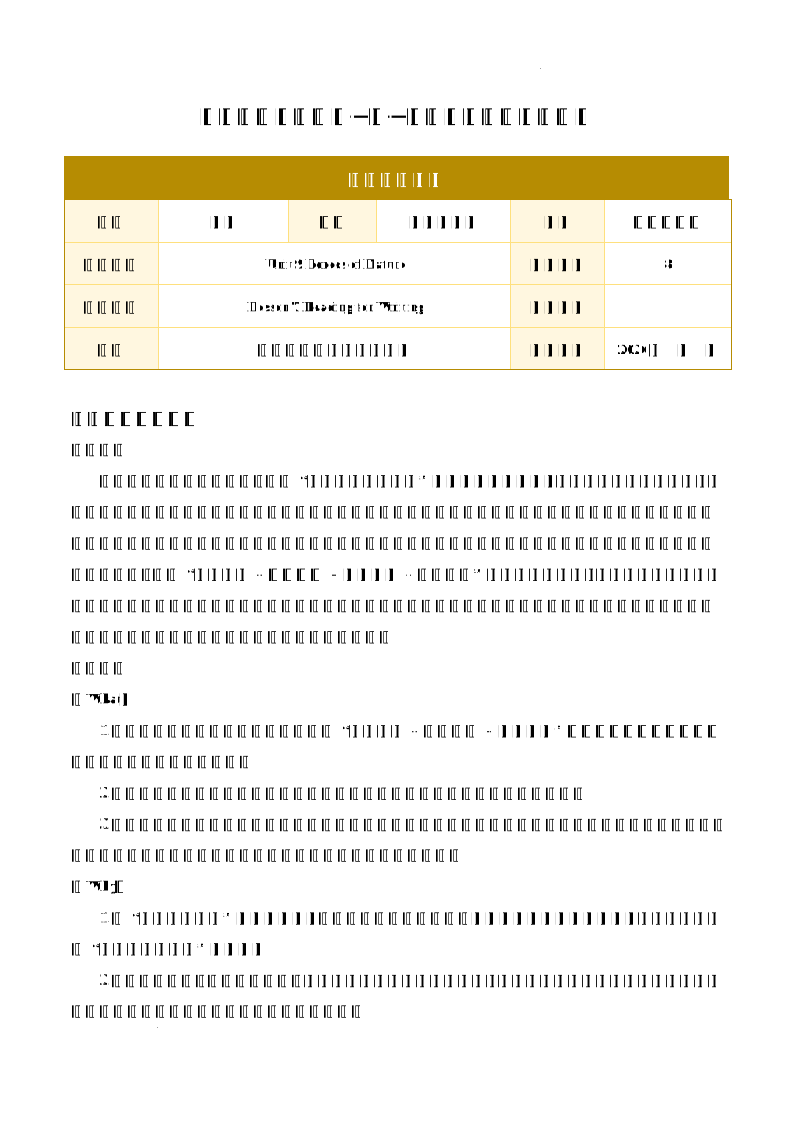
基于课程标准的教—学—评一致性课堂教学设计
教学基本信息
学科
英语
学段
八年级下册
版本
仁爱科普版
单元标题
Unit 9 Forces of Nature
总课时数
8
授课课时
Lesson 7 Reading for Writing
授课教师
课型
读写综合(以读促写)课
授课时间
2026年 月 日
一、课时内容分析
主题情境
本课时为单元核心读写课,围绕 “自然灾害亲身经历” 的记叙文写作展开,依托教材结对话题讨论、范文研读、因果逻辑梳理、初稿撰写、自评互评五大核心活动,先通过生活经历分享激活写作素材,再深度拆解暴雨求生记叙文的叙事结构、语言亮点与逻辑脉络,最后引导学生完成个人自然灾害经历的作文创作与修改润色,实现 “读前激活 - 读中解构 - 读后仿写 - 互评提升” 的完整读写闭环。本课时设计遵循学生认知发展规律,从基础的知识理解,到中层的分析应用,再到高层的评价创造,层层递进完成读写能力的进阶培养,同步落实初中英语核心素养的培养要求。
语篇解读
【What】
1.读懂暴雨求生主题记叙文,梳理文章 “事件引入 - 经历叙述 - 结果感悟” 的三段式叙事结构,掌握时间顺序的记叙文写作逻辑;
2.运用单元所学的因果分析思维,梳理文本中的因果关联,完成对应分析图表;
3.掌握范文中的核心短语、叙事句型与细节描写方法,结合单元主题词汇、副词比较级和最高级语法,完成一篇结构完整、内容贴合自身经历的自然灾害经历记叙文。
【Why】
1.以 “个人亲身经历” 为写作核心,话题高度贴合学生生活,能让学生有真实内容可写,解决记叙文写作 “无素材、无真情” 的痛点;
2.范文结构清晰、叙事逻辑连贯、语言难度适配八年级学生水平,是自然灾害主题记叙文的优质仿写范本,能帮助学生快速掌握同类作文的写作方法;
3.以读促写的模式,既能复现巩固单元所学的因果分析思维、主题词汇与语法知识,也能实现从语言输入到书面输出的能力转化;
4.依托写作主题,深化敬畏自然、科学防灾、提升自我保护能力的价值理念,实现语言学习与价值引领的深度融合。
【How】
1.采用阶梯式分层读写设计,从基础的知识理解,到中层的分析应用,再到高层的评价创造,层层递进完成读写能力的进阶培养,适配学生的认知发展规律;
2.采用读写结合教学法,以范文研读为核心,拆解记叙文写作的结构、语言、逻辑三大核心要素,为写作搭建完整支架;
3.采用过程性写作法,遵循 “思路梳理 - 初稿撰写 - 互评修改 - 润色完善” 的完整写作流程,引导学生完整经历写作的全过程;
4.采用自评 + 同伴互评的多元评价模式,引导学生学会客观评价作文,在修改中提升写作能力,培养批判性思维。
二、学情分析
已有基础
1.通过前 6 课时的学习,已全面掌握单元自然灾害相关的核心词汇、因果分析思维、防护表达句型,对单元主题有系统的认知;
2.掌握 if 条件句、副词比较级和最高级的核心语法,具备基础的记叙文写作能力,能完成简单的叙事类段落创作;
3.对暴雨、热浪、雷暴等恶劣天气有丰富的亲身经历,有真实的写作素材与表达意愿。
待突破难点
1.对记叙文的时间叙事逻辑掌握不牢,写作时段落层次混乱,事件的起因、经过、结果叙述不清晰;
2.写作时只会照搬范文句子,内容空洞,缺少贴合自身经历的细节描写与真情实感;
3.不能灵活运用单元词汇、副词比较级和最高级语法,句子表达单一,因果逻辑的运用不够自然;
4.自评互评时提不出具体有效的修改建议,对作文的优劣判断没有清晰的标准。
学习特点
1.对和自身亲身经历相关的写作话题兴趣浓厚,有强烈的表达与创作意愿;
2.对有明确框架、素材提示的写作任务接受度高,抵触无方向的自由写作;
3.喜欢同伴互评的互动形式,愿意参考同伴的建议修改自己的作文;
4.对有细节、有故事性的叙事类范文接受度高,愿意模仿优质的写作表达。
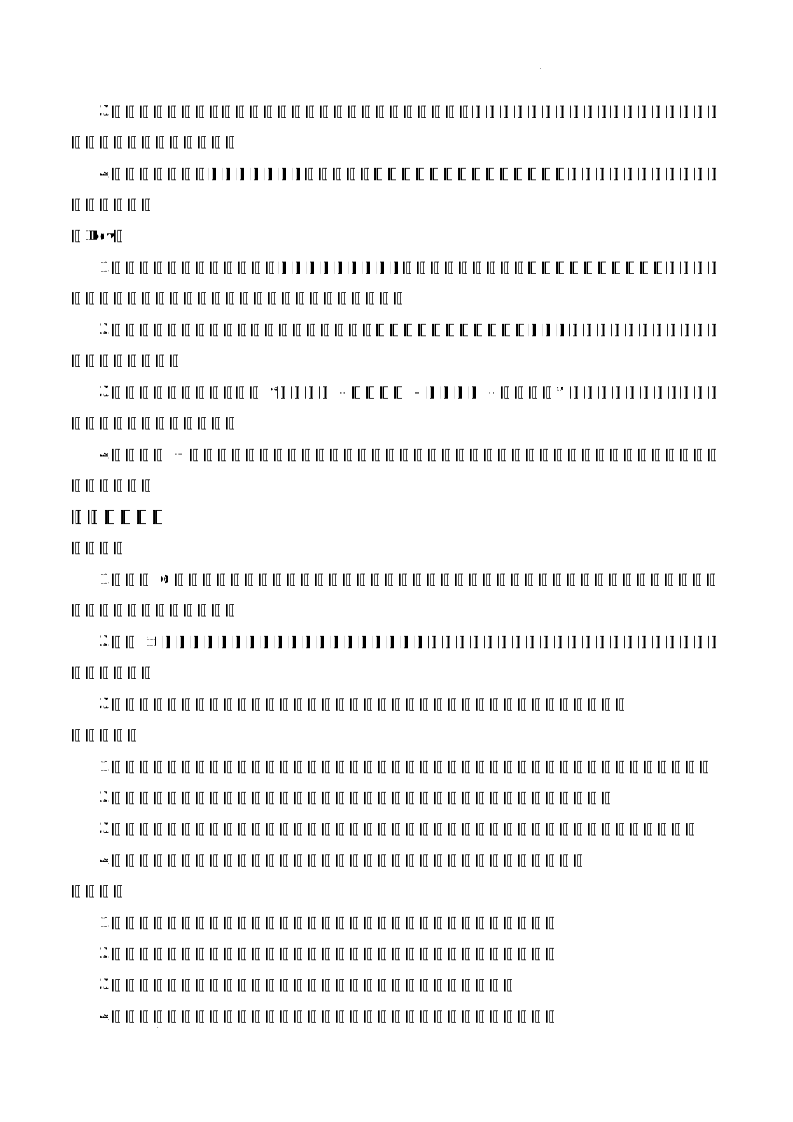
四、课时教学目标
维度
具体目标
学习理解
1. 准确认读、拼写本课时核心词汇,掌握范文中的核心短语与叙事句型;
2. 读懂记叙文范文,梳理文章的三段式叙事结构,理解时间顺序的叙事逻辑;
3. 运用因果分析思维,梳理文本中的因果关联,完成因果分析图表,正确率达到 90% 以上。
应用实践
1. 能分析范文的细节描写、叙事逻辑等写作亮点,提炼可复用的写作方法;
2. 能结合自身经历,完成个人自然灾害经历的因果图表梳理,搭建写作思路;
3. 借助写作支架,完成记叙文初稿的撰写,做到结构完整、叙事清晰,正确运用单元核心语言知识。
迁移创新
1. 能运用评分标准完成作文自评与同伴互评,给出具体、可落地的修改建议;
2. 能结合修改建议,润色完善作文,创作出有细节、有真情实感的个性化记叙文;
3. 课后能结合写作内容,深化对人与自然关系的理解,树立科学防灾的理念。
五、教学重、难点
重点
1.研读范文,梳理自然灾害经历记叙文的三段式写作结构、时间叙事逻辑与核心语言素材;
2.运用所学内容,完成结构完整、叙事清晰的个人自然灾害经历作文。
难点
1.灵活运用单元词汇、副词比较级和最高级、因果逻辑,写出有细节、有真情实感的作文;
2.掌握记叙文 “事件起因 - 经过 - 结果 - 感悟” 的叙事逻辑,做到段落清晰、表达有条理。
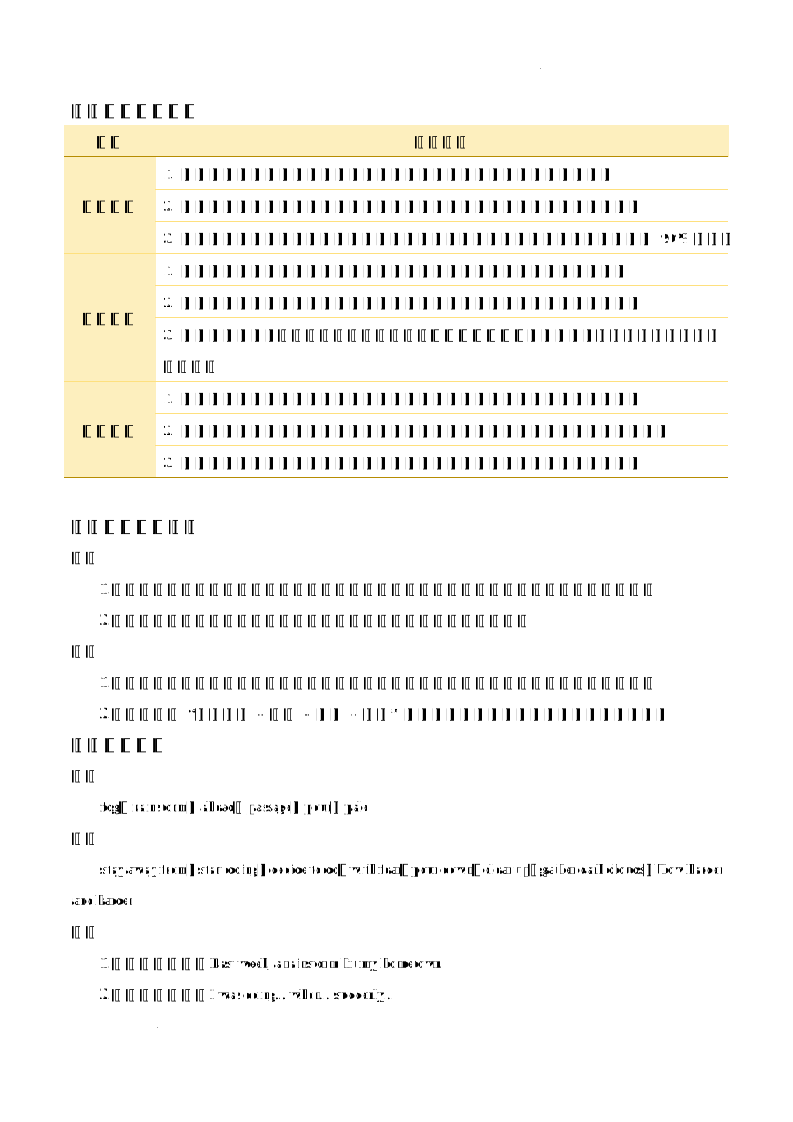
五、核心语言
词汇
fog、rainstorm、ahead、passage、pour、pale
短语
stay away from、start doing、decide to do、with fear、pour down、clear up、gather dark clouds、blow harder and harder
句型
1.事件引入句型:Last week, a rainstorm hit my hometown.
2.叙事进展句型:I was doing... when... suddenly...
3.时间顺序句型:when/after/finally
4.感悟表达句型:Luckily, .../ I learned that...
六、教学工具
1.自然灾害主题教学课件
2.范文结构拆解学习任务单
3.写作框架模板与语言提示卡
4.作文自评互评评分表
5.补充叙事类范文素材
七、教学策略
1.读写结合教学法:以读促写,通过范文研读解构记叙文写作的核心要素,为写作搭建完整支架,实现从输入到输出的能力转化。
2.阶梯式分层任务设计:从知识理解、分析应用到评价创造,层层递进设计读写任务,适配学生的认知发展规律,兼顾不同水平学生的学习需求。
3.支架式教学法:从结构、语言、内容三个维度搭建阶梯式写作支架,降低学生的写作难度,帮助学生循序渐进完成写作任务。
4.过程性写作法:遵循思路梳理、初稿撰写、互评修改、润色完善的完整写作流程,引导学生完整经历规范的写作全过程。
5.教学评一体化策略:每完成一个核心任务,即时开展 1 分钟同伴互查 + 教师针对性点评,实现教学与评价的即时闭环。
九、教学过程
教学环节
教师活动
学生活动
Step 1 Warm-up & Pre-reading(5 分钟)
1. Present the questions in Activity1, guide students to work in pairs, talk about the natural disasters they have experienced and what they did during the disaster;
2. Invite 2-3 students to share their experiences, write down key related phrases on the blackboard;
3. Lead into today’s topic: Write an essay about your experience in a natural disaster, introduce the learning objectives.
1. Work in pairs, talk about the natural disasters they have experienced, share their stories;
2. Share their experiences in class actively, accumulate related phrases;
3. Clarify today’s learning topic and objectives.
效果评价
观察学生参与度:90% 以上的学生能主动参与结对讨论,能结合自身经历分享至少 1 个自然灾害故事,快速进入写作主题情境。
设计意图
用贴近学生生活的话题讨论,激活学生的亲身经历与写作素材,同时复现巩固单元核心词汇,自然切入本节课的读写主题。
Step 2 While-reading: Analyze the Narrative Essay(15 分钟)
1. Ask students to skim the essay Surviving a Rainstorm quickly, guide them to divide the essay into three parts, sum up the main idea of each part, and sort out the three-part narrative structure;
2. Guide students to read the essay carefully, finish the cause and effect chart in Activity2, check answers and explain the causal logic in the text;
3. Help students extract core phrases, narrative sentence patterns and detail description highlights from the essay, explain the writing methods;
4. Sum up the writing key points of natural disaster experience narrative essays.
1. Skim the essay quickly, divide the text into three parts, sort out the three-part narrative structure: event introduction, experience narration, result and feeling;
2. Read the essay carefully, sort out the cause and effect logic, finish the chart in Activity2;
3. Extract and note down core phrases, sentence patterns and writing highlights;
4. Master the key writing points of the narrative essay.
效果评价
检查任务完成情况:85% 以上的学生能准确梳理出范文的三段式结构,90% 的学生能正确完成因果分析图表,精准提取核心写作素材。
设计意图
通过分层阅读,引导学生从梳理结构,到分析逻辑,再到提取语言素材,层层深入解构范文,为后续写作搭建结构、语言、逻辑三大支架。
Step 3 While-writing: Draft Your Essay(15 分钟)
1. Hand out writing framework templates and language prompt cards, guide students to finish the cause and effect chart of their own natural disaster experience first, sort out their writing ideas;
2. Guide students to write the first draft of the essay according to the three-part narrative structure, remind them to use the unit’s core vocabulary, adverb comparative and superlative forms, and causal logic;
3. Walk around the classroom, provide one-to-one guidance for students in need, help students solve difficulties in writing.
1. Use the prompt cards to sort out their own experience, finish the cause and effect chart, clarify the writing ideas;
2. Write the first draft of the essay according to the three-part structure, try to use the learned core language and writing methods;
3. Ask the teacher for help when meeting difficulties in writing.
效果评价
观察写作参与度 100%,90% 的学生能在规定时间内完成初稿,结构完整,叙事逻辑清晰,能正确运用所学的短语与句型。
设计意图
通过多维度的写作支架,降低学生的写作难度,让学生有方向、有素材可写,在写作过程中落实单元的语言知识,实现从范文分析到自主创作的能力转化。
Step 4 Post-writing: Self-rating & Peer Review(7 分钟)
1. Present the rating form in Activity4, explain the scoring standards in detail, guide students to understand the evaluation dimensions;
2. Guide students to finish self-rating first, then exchange essays with partners to complete peer review, remind them to write down specific and practical revision suggestions;
3. Walk around to guide students to give targeted suggestions, invite 1-2 students to share their essays and revision ideas.
1. Clarify the scoring standards of each evaluation dimension;
2. Complete self-rating first, then exchange essays with partners, finish peer review and write down specific revision suggestions;
3. Revise the first draft according to the suggestions, share the essays and revision ideas in class.
效果评价
检查评分表完成情况:所有学生能完成自评与互评,能给出至少 1 条具体的修改建议,能根据建议初步修改作文。
设计意图
通过自评与同伴互评,引导学生学会客观评价作文,在修改中提升写作能力,同时培养批判性思维与合作学习能力。
Step 5 Summary & Homework(3 分钟)
1. Review the three-part narrative structure, core phrases and sentence patterns of the natural disaster experience essay;
2. Emphasize the idea of respecting nature, learning scientific disaster prevention methods and improving self-protection ability;
3. Assign layered homework: - Basic: Revise the draft and correct language mistakes, copy the core words and phrases 3 times;
- Improved: Polish the essay and finish the final version with complete details;
- Extended: Make a hand-copied newspaper of your natural disaster experience, with the English essay and related pictures.
1. Follow the review to consolidate the core writing knowledge and value concept of this lesson;
2. Note down the homework and clarify the task requirements.
效果评价
确保所有学生明确不同层次的作业要求,能结合自身水平完成对应任务。
设计意图
巩固本节课的核心写作知识,深化敬畏自然、科学防灾的价值认知,通过分层作业延伸写作过程到课后,引导学生完成作文终稿,实现从课堂写作到个性化创作的迁移。
十、板书设计
Unit 9 Lesson 7 An Experience in a Natural Disaster
一、核心词汇
rainstorm 暴风雨
pour 倾盆而下
pale 苍白的
ahead 在前面
passage 通道
二、记叙文三段式写作结构
1.开头 Opening:引入事件,交代灾害背景
2.主体 Body:按时间顺序叙述经历 + 自我保护行动
3.结尾 Ending:事件结果 + 个人感悟
三、核心句型
I was doing... when... suddenly...
Finally, ...
Luckily, ...
十一、教后反思
本节课遵循学生认知发展规律设计了分层读写任务,整体达成预设教学目标。学生能顺利拆解范文的叙事结构,完成个人经历的思路梳理,大部分学生能写出结构完整的记叙文初稿,互评环节也能给出基础的修改建议。但也存在明显不足:部分基础薄弱的学生作文内容空洞,只会照搬范文的句型,缺少贴合自身经历的细节描写;还有学生对时间顺序的叙事逻辑掌握不牢,事件经过的叙述混乱;互评环节部分学生只能给出泛泛的表扬,提不出具体可落地的修改建议。后续要优化分层写作支架,给基础薄弱的学生补充细节描写提示卡,细化互评的评分标准,引导学生精准评价作文;同时增加优秀范文的片段赏析,帮助学生提升细节描写的能力,让每个学生的写作水平都能得到针对性提升。
学科网(北京)股份有限公司
$
资源预览图
1
2
3

相关资源
由于学科网是一个信息分享及获取的平台,不确保部分用户上传资料的 来源及知识产权归属。如您发现相关资料侵犯您的合法权益,请联系学科网,我们核实后将及时进行处理。