Unit 2 Stay Healthy Section B (Project) 教学设计 2025-2026学年人教版八年级英语下册
2026-03-04
|
6页
|
628人阅读
|
10人下载
普通
资源信息
| 学段 | 初中 |
|---|---|
| 学科 | 英语 |
| 教材版本 | 初中英语人教版八年级下册 |
| 年级 | 八年级 |
| 章节 | Project |
| 类型 | 教案-教学设计 |
| 知识点 | - |
| 使用场景 | 同步教学-新授课 |
| 学年 | 2026-2027 |
| 地区(省份) | 全国 |
| 地区(市) | - |
| 地区(区县) | - |
| 文件格式 | DOCX |
| 文件大小 | 47 KB |
| 发布时间 | 2026-03-04 |
| 更新时间 | 2026-03-04 |
| 作者 | _sleeepy |
| 品牌系列 | - |
| 审核时间 | 2026-03-04 |
| 下载链接 | https://m.zxxk.com/soft/56649773.html |
| 价格 | 0.50储值(1储值=1元) |
| 来源 | 学科网 |
内容正文:
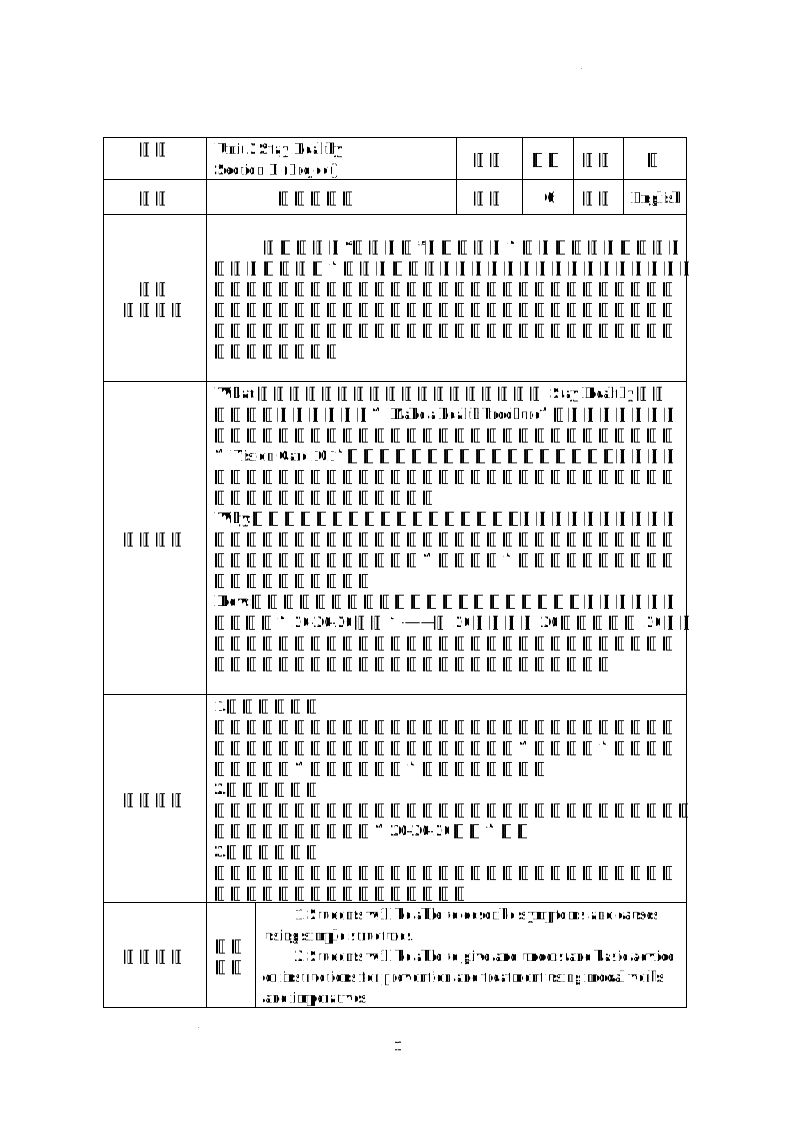
课题
Unit 2 Stay Healthy
Section B (Project)
学段
初中
年级
八
课型
项目活动课
课时
6
学科
English
单元
主题分析
本单元属于“人与自我”范畴,涉及“身心健康,抗挫能力,珍爱生命的意识”子主题内容,围绕身体健康管理与自我关怀展开,具有极强的现实意义与教育价值。单元内容从识别健康问题、给予合理建议,到探讨健康生活方式,形成了一个从认识到行动的完整逻辑链条。此外,该主题自然融入了情感关怀与责任意识,体现了学科育人的理念。
文本解读
What:本课时是人教版新版八年级下册第二单元Stay Healthy的第六课时,该项目课题是“Make a health brochure”,本课明确列出了多种常见的健康问题,如食物过敏、牙痛、眼疲劳等,并通过范例“Vision Care 101”具体说明某一健康问题的表现与成因。这帮助学生准确识别不同健康问题,并理解其具体症状,如眼疲劳可能导致眼睛干涩、头痛、视力模糊等。
Why:本课强调及时处理健康问题的必要性,避免小问题发展为长期困扰。例如,眼疲劳若长期忽视,可能导致视力下降,影响学习与生活。这种设计引导学生树立“防微杜渐”的健康意识,理解健康是生活与学习的基础。
How:本课注重实践指导,提供具体、可操作的建议。例如针对眼疲劳,提出“20-20-20原则”——每20分钟远眺20英尺外物体20秒。同时鼓励学生通过制作宣传册、进行课堂展示等形式,将知识转化为行动,既巩固学习成果,也提升表达能力与合作意识。
学情分析
1.已有知识经验
学生已具备基础的日常健康问题词汇和简单描述身体状况的能力,他们熟悉手机、电脑等电子设备的使用,对“眼睛疲劳”有亲身感受,能理解“减少屏幕时间”等基本健康建议。
2.潜在学习难点
学生容易提出多休息、注意健康等泛泛而谈的建议,难以给出具体、可操作的行为指导(如“20-20-20原则”)。
3.教学支持建议
提供句型模板和具体行为范例列表,引导学生说出详细措施。可分组前共同头脑风暴,积累表达素材。
教学目标
语言
能力
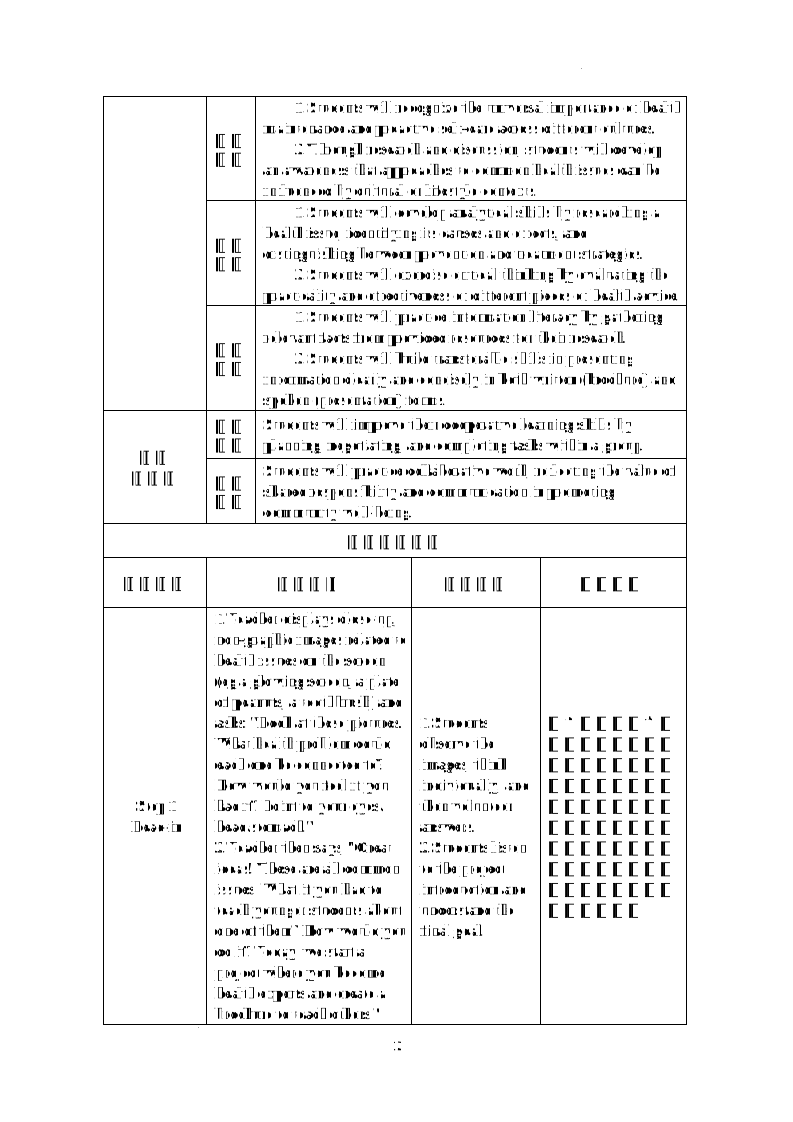
1.Students will be able to describe symptoms and causes using simple structures.
2.Students will be able to give and understand basic advice or instructions for prevention and treatment using modal verbs and imperatives.
文化意识
1.Students will recognize the universal importance of health maintenance and proactive self-care across different cultures.
2.Through research and discussion, students will develop an awareness that approaches to common health issues can be influenced by cultural or lifestyle contexts.
思维品质
1.Students will develop analytical skills by researching a health issue, identifying its causes and effects, and distinguishing between prevention and treatment strategies.
2.Students will exercise critical thinking by evaluating the practicality and effectiveness of different pieces of health advice.
学习能力
1.Students will practice information literacy by gathering relevant facts from provided resources for their research.
2.Students will build transferable skills in presenting information clearly and concisely in both written (brochure) and spoken (presentation) forms.
教学
重难点
教学重点
Students will improve their cooperative learning skills by planning, negotiating, and completing tasks within a group.
教学难点
Students will practice collaborative work, reflecting the value of shared responsibility and communication in promoting community well-being.
教学过程设计
教学环节
教师活动
学生活动
设计意图
Step 1
Lead-in
1.Teacher displays close-up, non-graphic images related to health issues on the screen (eg,a glowing screen, a plate of peanuts, a toothbrush) and asks: "Look at these pictures. What health problem could each one be connected to? How would you feel if you had it? Point to your eyes/ head/stomach."
2.Teacher then says, "Great ideas! These are all common issues. What if you had to teach younger students about one of them? How would you do it? Today, we start a project where you become health experts and create a brochure to teach others."
1.Students observe the images, think individually, and then volunteer answers.
2.Students listen to the project introduction and understand the final goal.
用“神秘病症”猜图游戏进行导入,通过视觉刺激迅速激活学生关于健康问题的已有词汇和体验,营造轻松、好奇的课堂氛围,赋予项目真实的受众和目的感,提升学习内驱力。
Step 2
Work in groups
Work on 4a&4b
1.Teacher divides students into small groups and lists the health problems from the textbook on the board, allowing groups to add one more of their choice. Groups negotiate and choose one topic to focus on.
2.Teacher presents the five research questions from the textbook on the board:
·What causes this health problem?
·How might you feel when you have it?
·Why is it important to deal with it?
·What should we do to treat it and avoid it?
·What other facts do you know?
3.Teacher briefly models with "eye strain," brainstorming answers to the questions with whole-class input. Teacher introduces the "20-20-20 rule" as a specific prevention tip.
4.Teacher provides groups with curated resources: printed fact sheets, links to approved kid-friendly health websites, or textbooks. Teacher circulates to ensure understanding.
5.Teacher invites several groups of students to share the health problems they chose and the answers in 4b.
1.Students form groups, discuss, and select one health topic.
2.Students read the research questions and start discussing and predicting possible answers based on prior knowledge.
3.Participate in the teacher-led brainstorming for "eye strain."
4.Receive research materials and begin planning how to find answers.
小组自选课题尊重学生兴趣,促进主动学习。明确的研究问题框架为学生的自主探究提供了清晰的思维导图,避免了研究的盲目性。教师以“眼疲劳”为例进行示范,特别是引“20-20-20原则”,为学生提供了“具体化建议”的范例,直接应对潜在的学习难点,为后续制作高质量宣传册打下基础。
Step 3
Creating a brochure
Work on 4c
1.Teacher acts as a facilitator, circulating among groups and asking questions: "Have you found two main causes?" "Can you think of three specific pieces of advice?" "Is that fact from a reliable source?"
2.After 10-15 minutes of research, teacher shows a sample brochure ("Vision Care 101") and deconstructs its layout on the board:
Section 1:What is it? (Causes &Symptoms)
Section 2:Why care? (Importance)
Section 3:How to fix/prevent it? (Clear Advice)
Visuals:Space for diagrams, icons, or drawings.
3.Teacher provides materials: blank paper folded into thirds (brochure template), markers, colored pencils, or allows access to simple digital design tools if available.
Teacher monitors group work, helping with language (eg, providing sentence starters: "To avoid ___, you should ___."), mediating disputes, and ensuring each member has a role (Researcher, Writer, Designer, Editor/Presenter).
1.Students conduct research using provided resources, discussing findings, and taking notes in their group.
2.Observe the brochure sample and discuss as a group how to organize their information into the suggested sections.
3.Start creating their brochure. They decide on a title, allocate sections, write key information concisely, and add visuals.
4.Collaborate actively, practicing language and negotiating content and design choices.
这是项目的核心实践环节。教师从“讲授者”转变为“引导者”和“资源提供者”,重点支持信息加工与创作过程。通过解构范例宣传册,为学生提供了可模仿的文本结构和图文并茂的创作支架,有效降低了创作难度,确保产出质量。关注小组合作过程,提供语言支持,直接助力学生克服信息转化与表达的难点。
Step 4
Sharing
1.Teacher arranges the classroom for presentations. Teacher sets clear, friendly guidelines: "Each group has 2-3 minutes.Show your brochure, explain the main points.Listen carefully ----we will give one compliment after each presentation."
2.Teacher invites groups up one by one. Teacher assists with timing and encourages the presenting group.After each group has presented, teacher summarizes and gives some positive feedback.
1.Students prepare for their short presentation within their group.
2.Students present their health brochure to the class. Non-presenting students act as an audience, listen actively, and give a positive comment after each presentation.
设置正式但低压力的展示环节,为学生提供语言输出和公开展示的宝贵机会,实现从输入到产出的完整循环。明确的倾听和反馈要求培养了尊重与合作的学习文化。
Step 5
Reflecting
1.Teacher guides the "Reflecting" questions from the textbook as a class discussion:
-Can you identity different health problems?
-Can you describe how you feel when you are sick?
-What advice can you give for the health problems covered in this unit?
-How do you think we can stay healthy and keep ourselves safe?
2.Teacher summarizes the project's success, praises specific efforts, and reiterates the closing quote: "Health is not everything, but you have nothing without it."
Students participate in the whole-class reflection, sharing their learning and listening to others.
利用教材既定的反思问题进行总结,帮助学生梳理、巩固和升华本课所学,从具体知识上升到健康生活态度的建立,实现育人目标。
Step 6
Summary
Teacher summarizes the content learned in this project class:Today we talked about health problems and advice, did some research,created and presented the health brochure.
Review the knowledge with teacher.
回顾本节课所学知识,总结和巩固学习成果,加深理解和记忆。
Step 7
Homework
Level A:Write a short conversation between a student and a school nurse. The student describes symptoms of one health problem, and the nurse gives advice based on the brochure.
Level B:Review your group's brochure. Design one new section for it, such as "Myth VS Fact". (eg,"Myth: Reading in dim light ruins your eyesight. Fact: It causes strain but doesn't cause permanent damage.")
Level C:Imagine you have 60 seconds to convince your school principal to launch a "Health Awareness Week." Prepare a short speech proposing the idea. Use arguments from your project research (why it's important) and suggest one specific activity.
本作业设计遵循“基础巩固-能力拓展-挑战创新”的分层逻辑,尊重学生个体差异。各层任务指向明确,学生可根据自身兴趣与能力自主选择,实现个性化发展。
板书设计
Unit 2 Stay Healthy
Section B (Project)
• What causes this health problem?
• How might you feel when you have it?
• Why is it important to deal with it?
• What should we do to treat it and avoid it?
• What other facts do you know about it?
教学反思
1、 成功之处:
1.支架清晰,难点突破:通过“神秘病症”游戏激活旧知,利用结构化研究问题引导探究,并解构范例宣传册提供创作模板。这些支架有效支持了学生克服从抽象概念理解到具体信息产出之间的难点。
2.语言与素养并重:教学过程不仅达成了识别健康问题、描述症状、给出建议的语言目标,更在小组研讨、信息筛选、公开展示中培养了学生的批判性思维、信息素养与合作精神。
二、存在问题:
1.研究深度与资源均衡性:部分小组在研究中过度依赖教师提供的有限资料或自身常识,未能有效利用课外资源进行更深入的拓展。
2.评价维度不全面:评价多聚焦于最终宣传册成品和展示效果,对小组合作过程、个体在研究中的贡献、以及从初稿到终稿的改进过程缺乏系统性的形成性评价。
三、改进措施:
1.优化研究指导,拓展资源路径:在提供基础资源的同时,设计简明的“信息可靠性判断”小指南,并推荐2-3个适合学生水平的权威健康科普网站或书籍章节作为延伸阅读。
2.完善评价体系,关注过程成长:设计“项目学习档案袋”,包含个人研究笔记、小组讨论纪要、宣传册草稿、同伴互评表等。
1
学科网(北京)股份有限公司
$
资源预览图
1
2

3

相关资源
由于学科网是一个信息分享及获取的平台,不确保部分用户上传资料的 来源及知识产权归属。如您发现相关资料侵犯您的合法权益,请联系学科网,我们核实后将及时进行处理。