Unit 5 Developing ideas 第5课时 单元写作专题Writing-【勤径学升】2025-2026学年八年级下册英语同步练测配套课件PPT(外研版·新教材)
2026-05-15
|
19页
|
117人阅读
|
6人下载
教辅

资源信息
| 学段 | 初中 |
|---|---|
| 学科 | 英语 |
| 教材版本 | 初中英语外研版八年级下册 |
| 年级 | 八年级 |
| 章节 | Reading for writing |
| 类型 | 课件 |
| 知识点 | - |
| 使用场景 | 同步教学-新授课 |
| 学年 | 2026-2027 |
| 地区(省份) | 全国 |
| 地区(市) | - |
| 地区(区县) | - |
| 文件格式 | PPTX |
| 文件大小 | 12.26 MB |
| 发布时间 | 2026-05-15 |
| 更新时间 | 2026-05-15 |
| 作者 | 哈尔滨勤为径图书经销有限公司 |
| 品牌系列 | 勤径学升·初中同步练测 |
| 审核时间 | 2026-02-28 |
| 下载链接 | https://m.zxxk.com/soft/56592084.html |
| 价格 | 2.00储值(1储值=1元) |
| 来源 | 学科网 |
摘要:
该初中英语课件聚焦外研版八年级下册Unit 5“探索自然”主题写作,围绕“人与自然”主题群中的“自然生态”展开,通过话题概述引入和谐共生理念,以句型荟萃(开头、中间、结尾句)搭建语言支架,结合例题展示、谋篇布局及范文赏析,形成从输入到输出的写作学习脉络。
其亮点在于融合语言能力与文化意识培养,提供多样化功能句型(如spend…doing sth, not just...but...)提升表达准确性,通过徐霞客、胡先骕等中国探索家案例渗透家国情怀。采用分层练透与实战演练,助力学生构建写作逻辑,培养思维品质,教师可借助系统资源高效开展教学,帮助学生提升写作能力与文化认同。
内容正文:
八年级英语
外研版 下册
Unit 5 Looking into nature
Developing ideas
第5课时 单元写作专题Writing
Nature presents us with endless wonders.
Nature is our home. It's a part of our life.
She spent hours looking into nature, taking photos of the beautiful scenery.
Looking into nature makes me feel peaceful.
Let's get close to nature together!
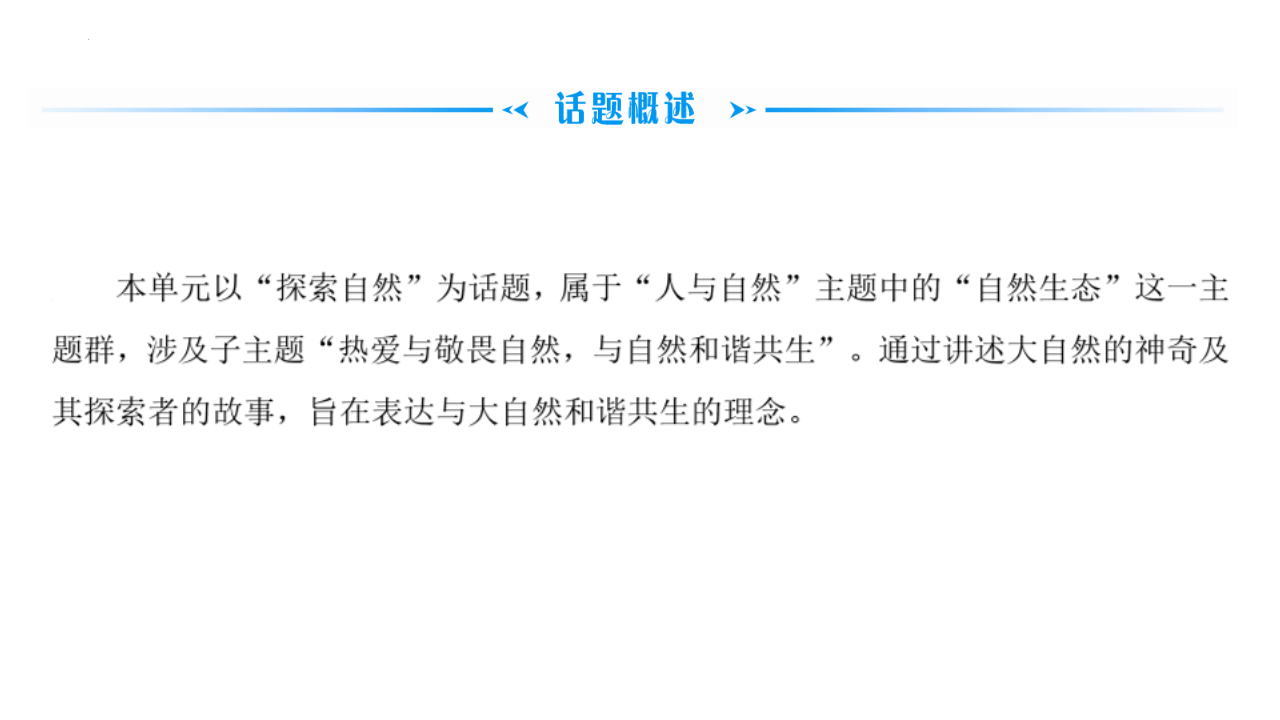
本单元以“探索自然”为话题,属于“人与自然”主题中的“自然生态”这一主题群,涉及子主题“热爱与敬畏自然,与自然和谐共生”。通过讲述大自然的神奇及其探索者的故事,旨在表达与大自然和谐共生的理念。
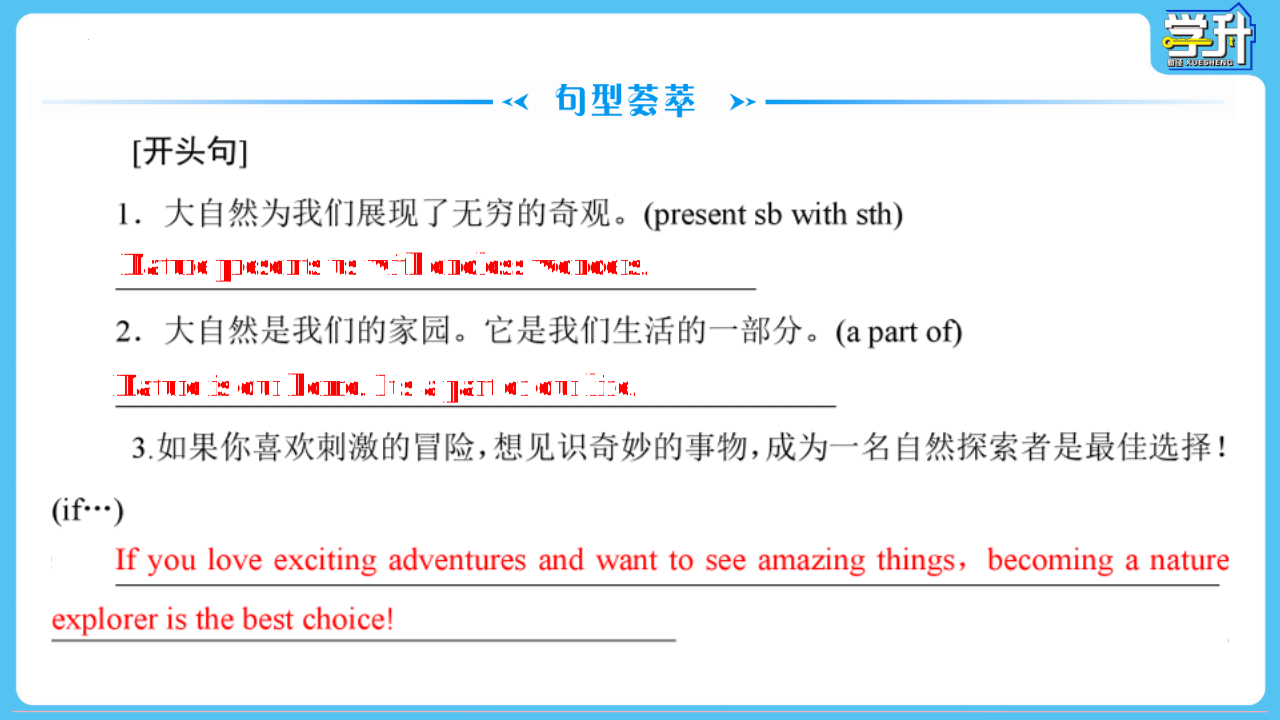
[开头句]
1.大自然为我们展现了无穷的奇观。(present sb with sth)
________________________________________
2.大自然是我们的家园。它是我们生活的一部分。(a part of)
_____________________________________________
3.如果你喜欢刺激的冒险,想见识奇妙的事物,成为一名自然探索者是最佳选择!(if…)
____________________________________________________________________________________________________________
If you love exciting adventures and want to see amazing things,becoming a nature explorer is the best choice!
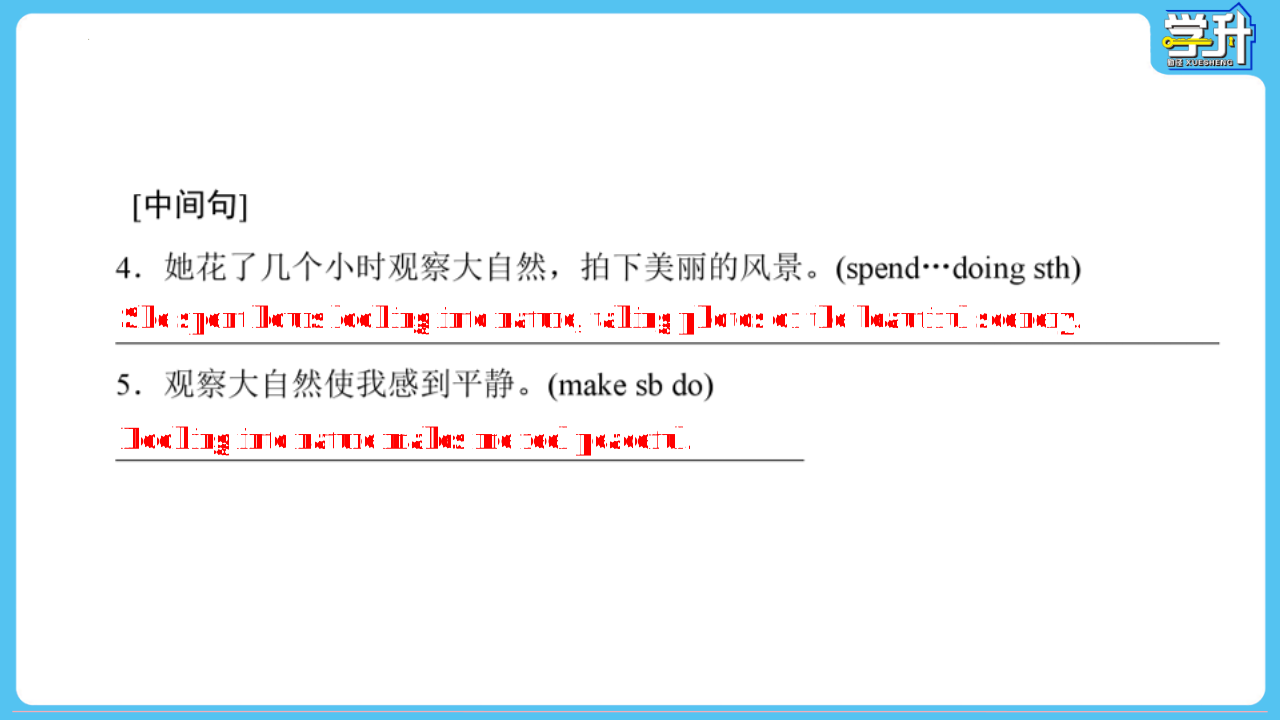
[中间句]
4.她花了几个小时观察大自然,拍下美丽的风景。(spend…doing sth)
_____________________________________________________________________
5.观察大自然使我感到平静。(make sb do)
___________________________________________
6.当我探索大自然时,我看到五颜六色的花朵,听到鸟儿唱歌,感觉风吹在我的脸上。太酷了!(hear sb do sth)
_______________________________________________________________________________________________________________
7.有时候,探索并不容易。我们可能会迷路或疲惫,但美丽的景色总是让这一切变得值得。(get lost)
____________________________________________________________________________________________________________
When I explore nature, I see colourful flowers, hear birds singing, and feel the wind on my face. It's so cool!
Sometimes, exploring is not easy. We may get lost or tired, but the beautiful views always make it worth it.
[结尾句]
8.让我们一起亲近大自然吧!(get close to)
___________________________________
9.成为一名自然探险家不仅仅是乐趣,它还教会我去爱和保护我们的星球。(not just…but…)
_______________________________________________________________________________________________
Being a nature explorer is not just fun, but it also teaches me to love and protect our planet.
10.如果你想感受自由,想看到美好的事物,那就开始探索大自然吧。你将永远不会感到无聊!(get bored)
________________________________________________________________________________________________
If you want to feel free and see wonderful things,start exploring nature.You'll never get bored!
[名言警句]
1.Look deep into nature, and then you will understand everything better.深入观察自然,而后你将对万物有更深的理解。
2.The best and shortest road towards knowledge of truth is nature.通往真理知识的最佳且最短的道路是自然。
请以“我最喜欢的中国自然探索家”为话题,写一篇英语短文。介绍这位探索者的事迹、成就,阐述你喜欢他/她的原因,以及其精神对你的影响。
注意:
(1)词数80~100;
(2)可适当增加细节,以使行文连贯;
(3)文中不能出现真实姓名及学校名称。
_____________________________________________________________________
_____________________________________________________________________
_____________________________________________________________________
_____________________________________________________________________
_____________________________________________________________________
人称: 第三人称
时态: 一般过去时
要点: 我最喜欢的中国自然探索家
My Favourite Chinese Nature Explorer
My favourite Chinese nature explorer is Xu Xiake.
He was born① in the Ming Dynasty. Xu spent most of his life travelling across China②. With just simple tools, he walked through mountains, explored rivers, and visited deep forests. He wrote down③ everything he saw, from beautiful waterfalls to strange rock formations. His book Travels of Xu Xiake not only tells us about nature but also helps people study geography.⑤
Xu's spirit of never giving up④ on exploring inspires me to love and discover the beauty of nature.
名师点评
[亮点词汇]
①be born 出生
②travel across China 环游中国
③write down 写下,记下
④give up 放弃
[高分句型]
⑤His book Travels of Xu Xiake not only tells us about nature but also helps people study geography.(not only…but also并列结构)
在植物探索的征程中,无数先驱者留下足迹。请你根据以下提示写一篇英语短文,介绍中国植物探索者胡先骕,展现其贡献与精神。
(1)胡先骕生于1894年;
(2)他发现许多新物种;
(3)1948年,他与郑万钧共同鉴定“活化石”水杉(Metasequoia glyptostroboides Hu et Cheng)
注意:
(1)词数80~100,开头已给出,不计入总词数;
(2)可适当增加细节,以使行文连贯;
(3)文中不能出现真实姓名及学校名称。
Hu Xiansu is a remarkable Chinese plant explorer.
___________________________________________________________________________________________________________________________________________________________________________________________________________________________________________________________________________________________________________________________________________________________________________________________________________________________________________________________________________________________________________________________
_____________________________________________________________________
He was born in 1894. He dedicated his life to exploring and studying plants. He travelled across mountains and through forests, enduring harsh conditions to collect specimens. Hu discovered many new plant species and made significant contributions to plant classification in China. His work laid a solid foundation for the understanding of China's rich plant resources. In 1948, he, together with Zheng Wangjun, identified Metasequoia glyptostroboides Hu et Cheng, the living fossil, which shocked the international botanical community.
Hu Xiansu's spirit of exploration and dedication continues to inspire generations.
$
资源预览图

1

2
3
4
5
6

相关资源
由于学科网是一个信息分享及获取的平台,不确保部分用户上传资料的 来源及知识产权归属。如您发现相关资料侵犯您的合法权益,请联系学科网,我们核实后将及时进行处理。