动词时态与语态 课件-2025-2026学年初高中英语衔接语法复习专项
2026-01-21
|
37页
|
2492人阅读
|
9人下载
普通
资源信息
| 学段 | 高中 |
|---|---|
| 学科 | 英语 |
| 教材版本 | - |
| 年级 | 高一 |
| 章节 | - |
| 类型 | 课件 |
| 知识点 | 时态,被动语态 |
| 使用场景 | 初升高衔接 |
| 学年 | 2025-2026 |
| 地区(省份) | 山东省 |
| 地区(市) | 临沂市 |
| 地区(区县) | - |
| 文件格式 | PPTX |
| 文件大小 | 5.27 MB |
| 发布时间 | 2026-01-21 |
| 更新时间 | 2026-01-21 |
| 作者 | 高中英语老师本师 |
| 品牌系列 | - |
| 审核时间 | 2026-01-21 |
| 下载链接 | https://m.zxxk.com/soft/56061297.html |
| 价格 | 1.50储值(1储值=1元) |
| 来源 | 学科网 |
内容正文:
动词的形式、时态与语态
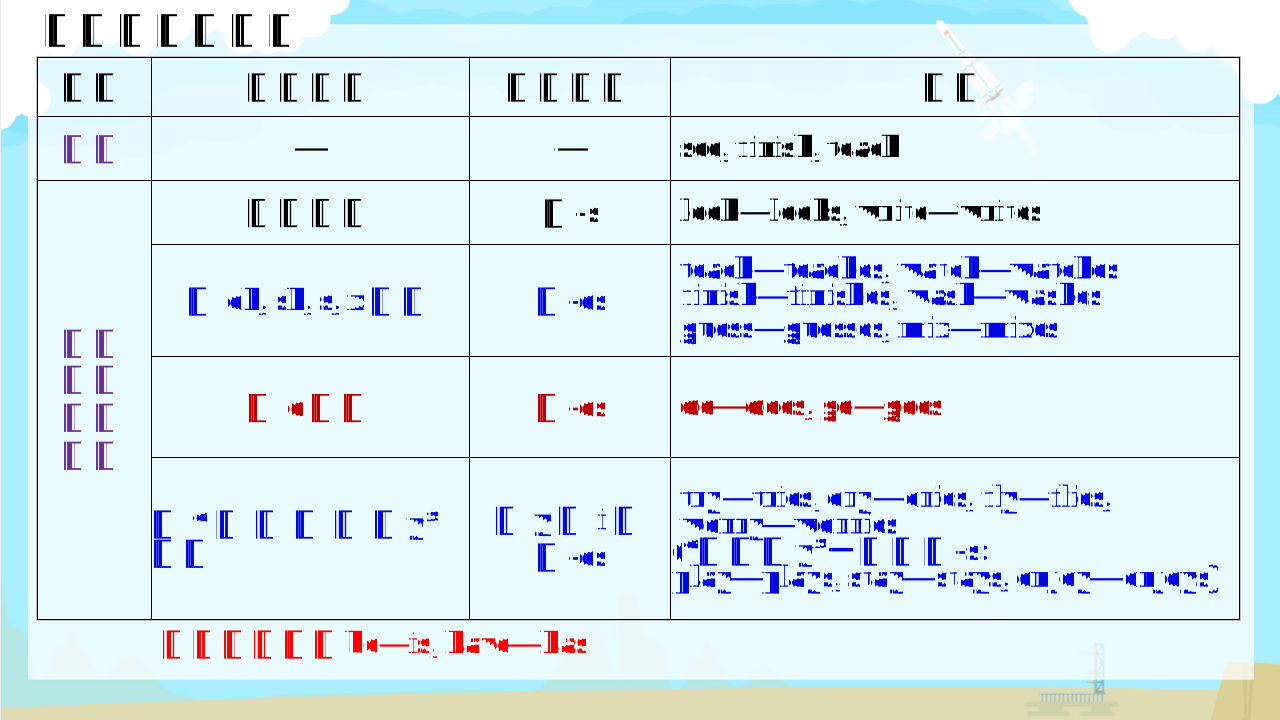
一、动词的形式
形式 变化规则 构成方法 例词
原形 — — see, finish, teach
第三
人称
单数
形式 一般情况 加-s look—looks, write—writes
以 ch, sh, s, x 结尾 加-es teach—teaches, watch—watches
finish—finishes, wash—washes
guess—guesses, mix—mixes
以 o 结尾 加-es do—does, go—goes
以 “ 辅 音 字 母 +y”结尾 变 y 为 i ,
加-es try—tries, cry—cries, fly—flies,
worry—worries
(“元音+y”→直接加-s:
play—plays, stay—stays, enjoy—enjoys)
不规则变化:be—is, have—has
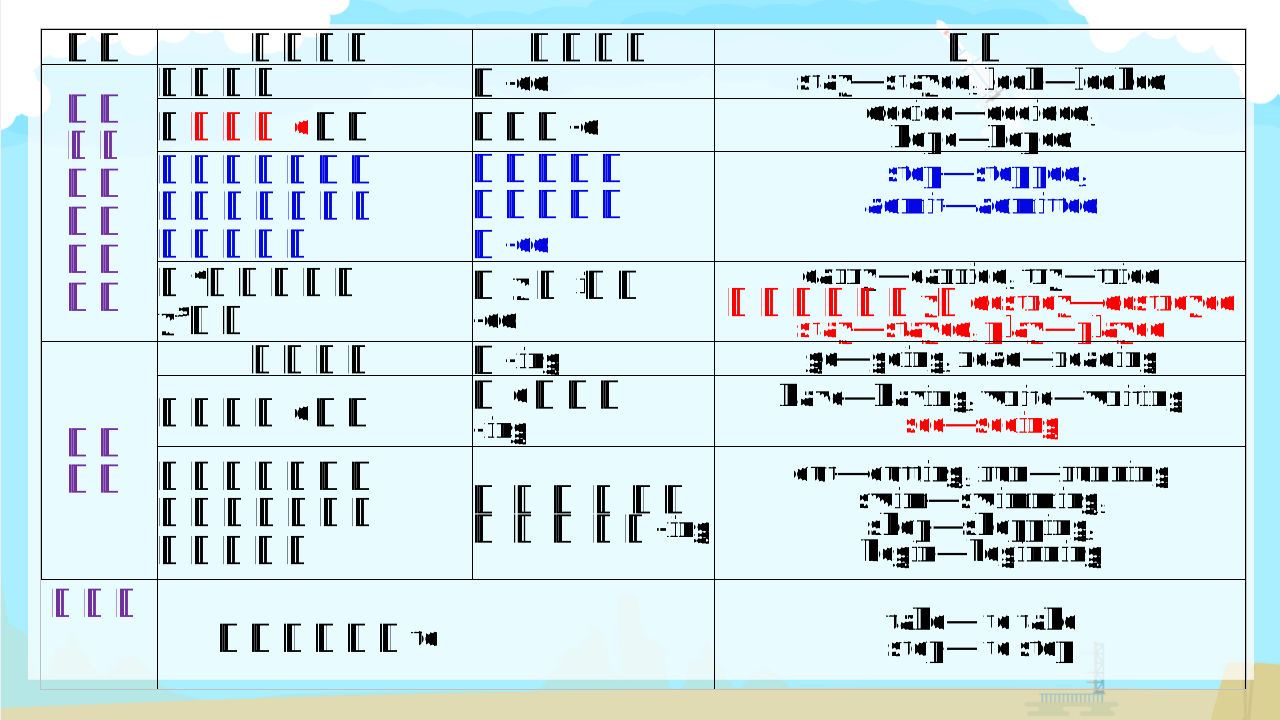
形式 变化规则 构成方法 例词
过去
式、
过去
分词
规则
变化 一般情况 加-ed stay—stayed, look—looked
以不发音 e 结尾 直接加-d decide—decided,
hope—hoped
以重读闭音节结
尾,末尾只有一
个辅音字母 双写末尾的
辅音字母再
加-ed stop—stopped,
admit—admitted
以“辅音字母+
y”结尾 变 y 为 i,加
-ed carry—carried, try—tried
(元音字母+y)destroy—destroyed
stay—stayed, play—played
现在
分词 一般情况 加-ing go—going, read—reading
以不发音 e 结尾 去 e ,再加
-ing have—having, write—writing
see—seeing
以重读闭音节结
尾,末尾只有一
个辅音字母 双 写 末 尾 的辅 音 字 母 再加-ing cut—cutting, run—running
swim—swimming,
shop—shopping,
begin—beginning
不定式 动词前直接加to take— to take
stop— to stop
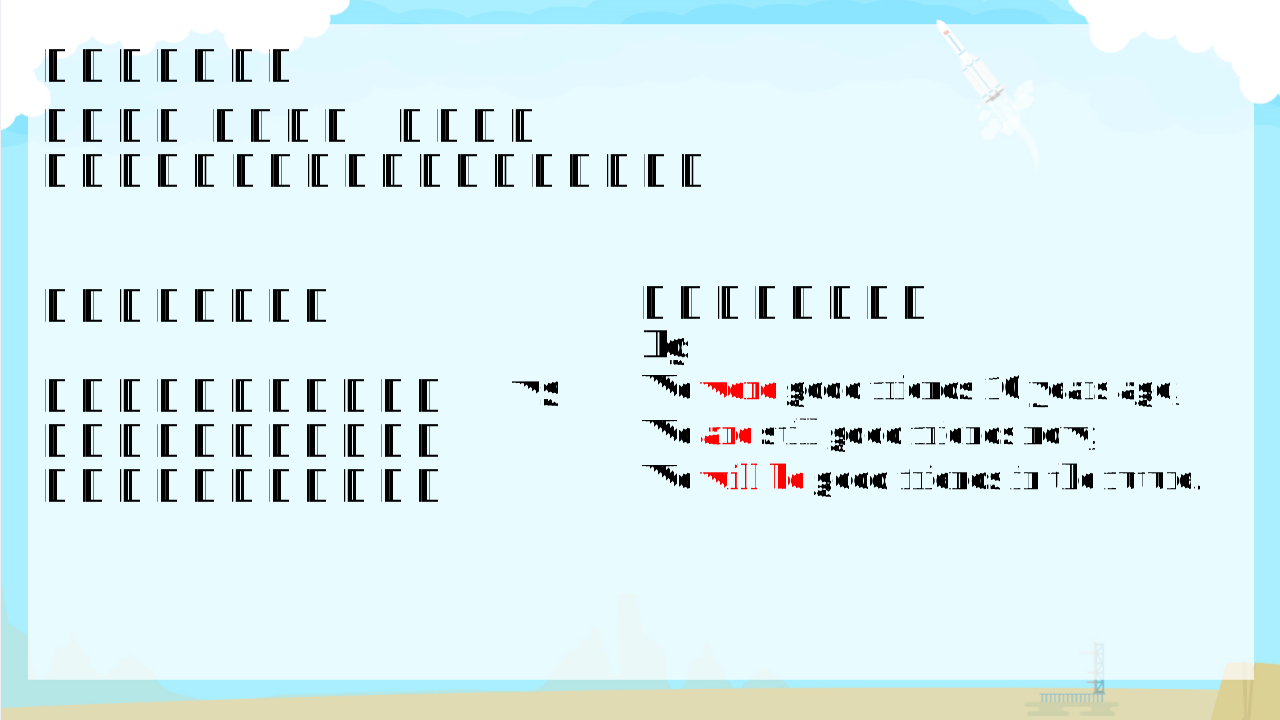
【时态】 时:时间 态:状态
动词时态:动词在不同时间点上的状态。
中文无时态差异:
十年前,我们是好朋友;
现在,我们也是好朋友;
将来,我们还是好朋友。
We were good friends 10 years ago;
We are still good friends now;
We will be good friends in the future.
二、动词的时态
英文有时态差异:
Eg:
vs
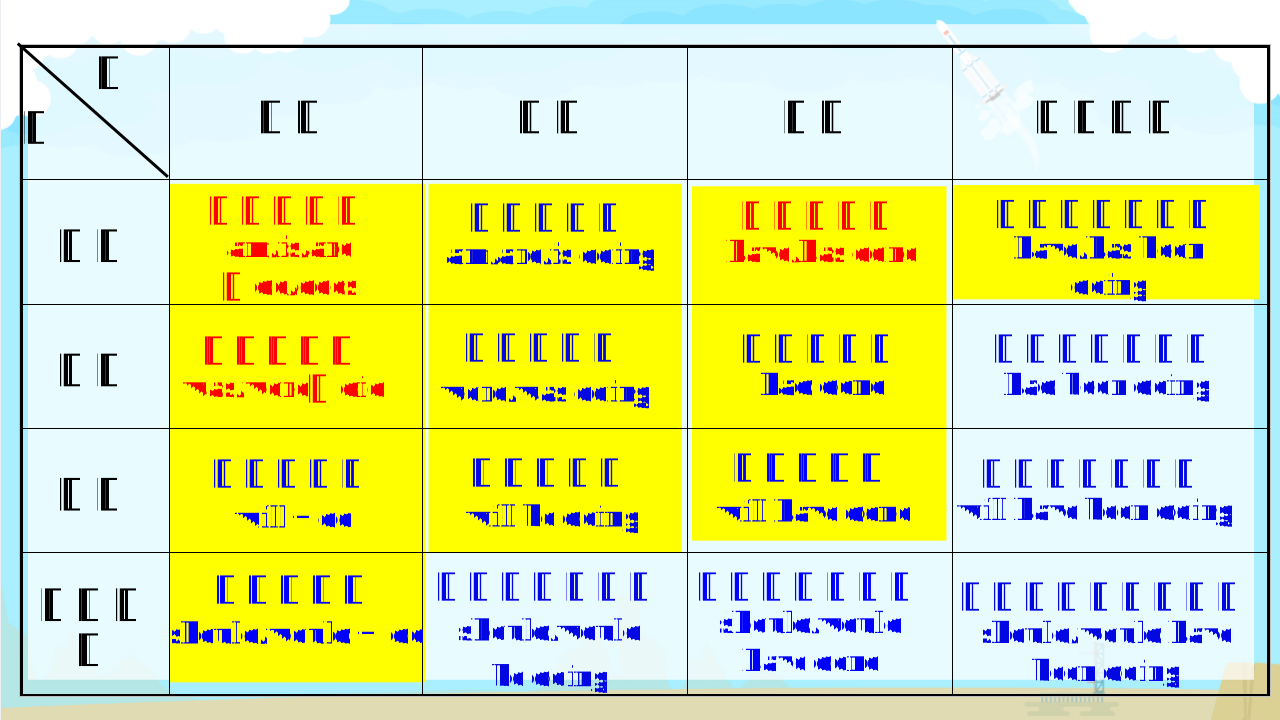
体
时 一般 进行 完成 完成进行
现在
过去
将来
过去将来
一般现在时
am/is/are
或do/does
现在完成时
have/has done
一般将来时
will + do
将来进行时
will be doing
将来完成时
will have done
过去将来时
should/would + do
过去将来完成时
should/would
have done
过去将来进行时
should/would
be doing
将来完成进行时
will have been doing
过去将来完成进行时
should/would have
been doing
一般过去时
was/were或did
现在进行时
am/are/is doing
现在完成进行时
have/has been doing
过去进行时
were/was doing
过去完成时
had done
过去完成进行时
had been doing
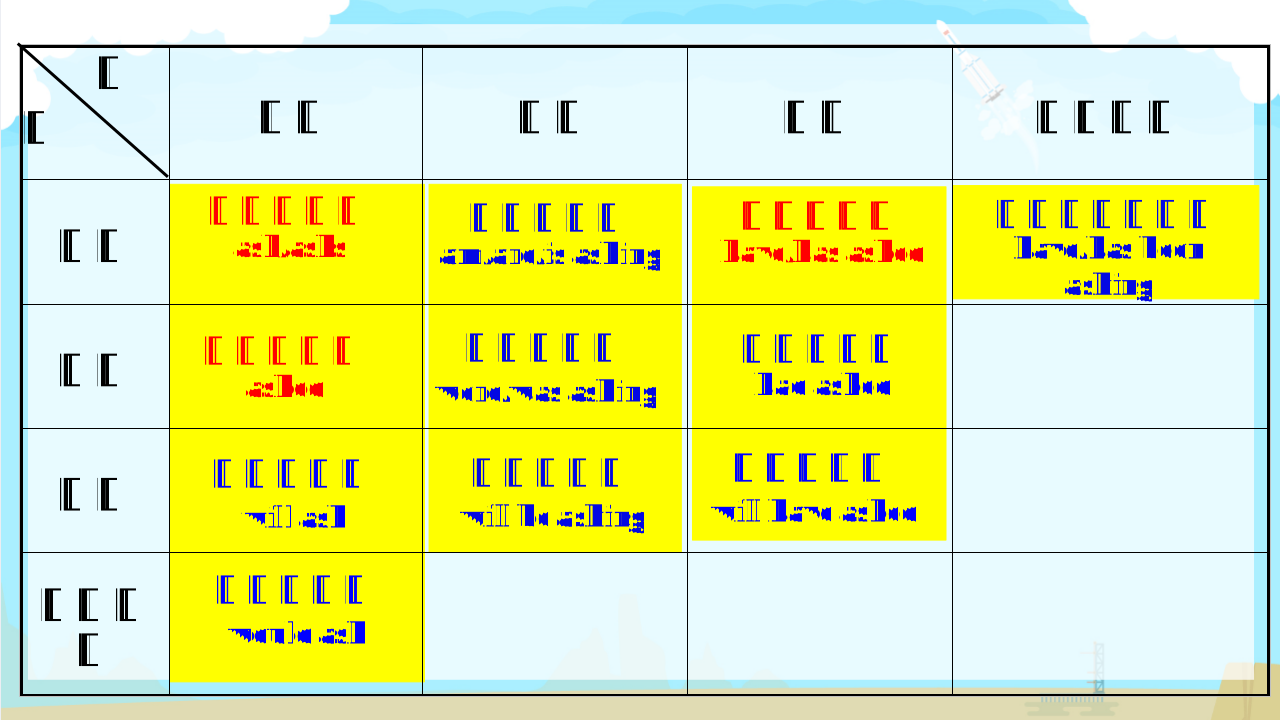
体
时 一般 进行 完成 完成进行
现在
过去
将来
过去将来
一般现在时
ask/asks
现在完成时
have/has asked
一般将来时
will ask
将来进行时
will be asking
将来完成时
will have asked
过去将来时
would ask
一般过去时
asked
现在进行时
am/are/is asking
现在完成进行时
have/has been asking
过去进行时
were/was asking
过去完成时
had asked
三、动词的语态
主动形式
(Active Voice) 被动形式
(Passive Voice)
一般现在时 do/does
一般过去时 did
现在进行时 am/is/are doing
现在完成时 have/has done
情态动词 情态动词+do
am/is/are done
was/were done
am/is/are being done
has/have been done
情态动词+be done
注意以下几类词无被动语态:
1.不及物动词没有被动语态
2.常见的系动词如feel,smell,taste,look, sound,go(变得),grow(变得)等,无被动语态
3.表示发生的动词(短语)无被动语态,如take place, happen, break out。
1. He breaks the window.
The window is broken by him.
2.We gave the student some
books.
The student was given some books by us.
Some books were given to the student by us.
Observe & Conclude:(把主动句变成被动句,并观察总结规律)
主动
被动
主动态变被动态的口诀:
“助动词be+及物动词的过去分词(+by+动作执行者)”
宾语提前主语变,时态人称“be”关键,
过去分词勿变错,原主变宾“by”后见。
Practice.
1. They have painted those pictures.
2. The workers are repairing the bridge.
3. We must keep our room clean and tidy.
Those pictures have been painted by them.
The bridge is being repaired by the workers.
Our room must be kept clean and tidy.
四、非谓语动词
什么是非谓语动词?
何时使用非谓语动词?
佳丽
佳丽
妃
佳丽
★ 一个句子中已经存在一个____________, 又没有_________的情况下,另一个动词需要用____________的形式。
谓语动词
连词
非谓语动词
连词
并列连词
or、and、but、so、however...
从属连词
when、who、that、because...
doing(表主动和进行)
to do (表目的和将来)
done(表被动和完成)
非谓语动词的三种形式
Exercise 1
判断下列句子应使用(A.谓语)还是 (B.非谓语动词)。
(1)The book was written by San Mao.
(2)I like reading the novels written by San Mao.
A
B
He likes playing football.
They went to ride a bike.
B
A
(1)The girl_____________(dance) in the classroom now.
→分析:该句中_________(有/没有)谓语动词,所以该空格应使用________(谓语/非谓语动词),时态为______________。
(2)The girl__________(dance) in the classroom now and she looks very confident.
→分析:该句中_____(有/没有)谓语动词,但是有并列连词_______连接了两个动词,所以空格应使用____________(谓语/非谓语动词)。
没有
谓语动词
现在进行时
is dancing
有
and
谓语动词
is dancing
(3)The girl__________(dance) in the classroom now looks very confident.
→分析:该句中______(有/没有)谓语动词,并且______(有/没有)连词,所以空格应使用_____________(谓语/非谓语动词)。
(4)The girl who____________(dance) in the classroom now looks very confident.
→分析:该句中_____(有/没有)谓语动词,但是有从属连词_______,所以空格应使用__________(谓语/非谓语动词),时态为____________。
有
没有
非谓语动词
有
who
谓语动词
现在进行时
is dancing
dancing
(1)He often works hard to earn more money.
为了赚更多的钱,他努力工作。
(2)The meeting is to be held next week.
会议将于下周召开。
→ 动词不定式to do 在句中通常表:________和________。
目的
将来
(3)Hearing the news, he couldn’t help laughing.
听到消息时,他忍不住笑了。
(4)We see them dancing “Sea Grass” in the TV now.
我们看见他们正在电视上跳海草舞。
→ 现在分词(doing) 通常在句中表:__________和___________。
主动
进行
(5)Pointed at by others, he was told “No zuo no die why you try.”
他被别人指着说:“不作死就不会死。”
(6)You can drink boiled water.
你可以喝开水。
→ 过去分词(done) 通常在句中表: _________和__________。
被动
完成
(1)____________(catch) the early bus, she got up at 6:00.
To catch
practice
(2)I saw four girls ____________(wear) different clothes.
wearing
(3)Two women ____________(interview) about the product said they liked it.
interviewed
(4)The stadium _________(build) by the company last year can hold 1 million people.
built
(5)I should do more exercise __________(improve) my English.
to improve
(6)We can see Guan Xiaotong _________(give) a lecture on the stage.
giving
总结:
一、一个句子中只有一个谓语,其他都是非谓语,除非有连词;
二、非谓语的常见三种形式:to do; doing; done
$
资源预览图
1
2
3
4
5
6
相关资源
由于学科网是一个信息分享及获取的平台,不确保部分用户上传资料的 来源及知识产权归属。如您发现相关资料侵犯您的合法权益,请联系学科网,我们核实后将及时进行处理。