Unit 3 Sports and Fitness 知识清单(单词短语作文语法)-2025-2026学年高中英语人教版必修第一册
2025-11-06
|
3页
|
523人阅读
|
8人下载
普通
资源信息
| 学段 | 高中 |
|---|---|
| 学科 | 英语 |
| 教材版本 | 高中英语人教版必修第一册 |
| 年级 | 高一 |
| 章节 | Unit 3 Sports and Fitness |
| 类型 | 学案-知识清单 |
| 知识点 | - |
| 使用场景 | 同步教学-单元练习 |
| 学年 | 2025-2026 |
| 地区(省份) | 全国 |
| 地区(市) | - |
| 地区(区县) | - |
| 文件格式 | DOCX |
| 文件大小 | 80 KB |
| 发布时间 | 2025-11-06 |
| 更新时间 | 2025-11-06 |
| 作者 | 匿名 |
| 品牌系列 | - |
| 审核时间 | 2025-11-06 |
| 下载链接 | https://m.zxxk.com/soft/54745158.html |
| 价格 | 0.50储值(1储值=1元) |
| 来源 | 学科网 |
内容正文:
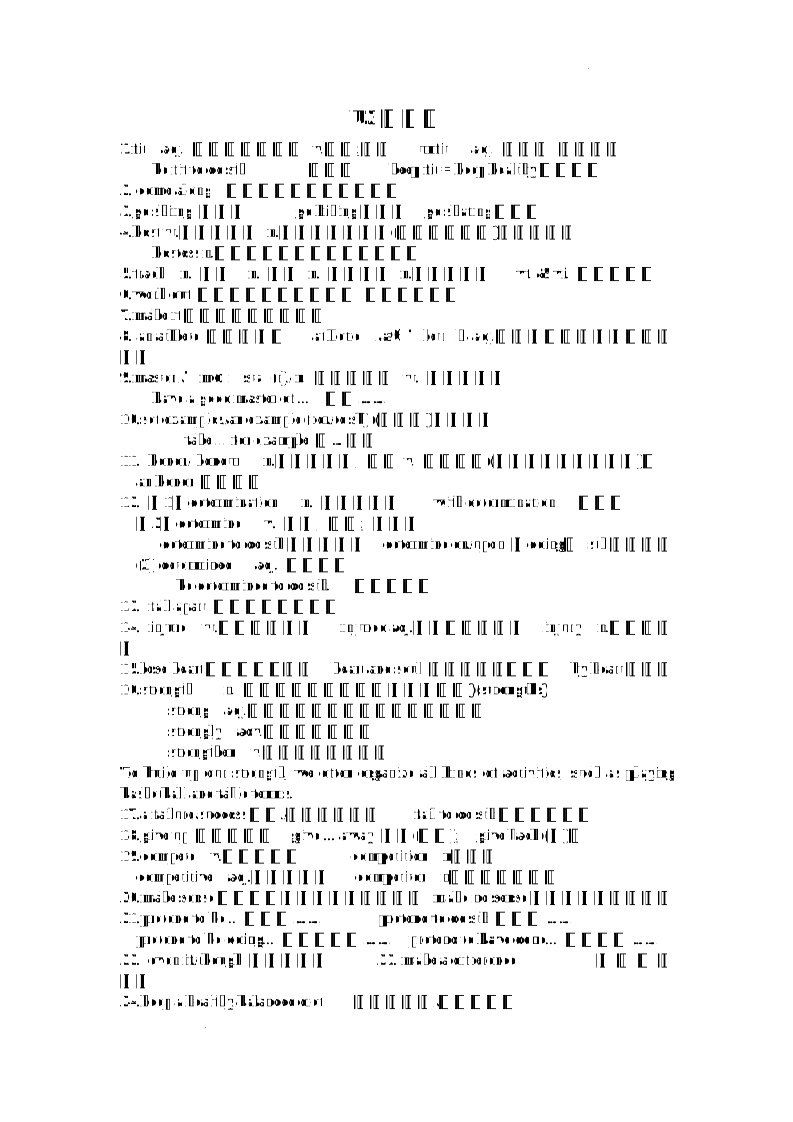
U3知识点
1.fit adj. 健康的;适合的 v.合适;合身 unfit adj. 不健康 不适合的
be fit to do sth 适合做 keep fit = keep healthy保持健康
2. come along 跟随;到达;进步;赶快
3.go skiing 去滑雪 go hiking去远足 go skating去滑冰
4.host vt.主办;主持 n.主人;东道主;(广播、电视的)节目主持人
hostess n.女主人;女东道主;女主持人
5.track n. 跑道 n. 足迹 n. 铁路轨道 n.小道;小路 vt. & vi. 追踪;跟踪
6.work out 锻炼;计算出;解决; 弄清;制定出
7.make it 获得成功;准时到达
8. an athlete 一个运动员 athletic /æθˈletɪk/ adj.运动的;体育的;运动员的;
9.master /ˈmɑːstə(r)/ n. 高手;主人 vt. 精通;掌握
have a good master of ... 精通……
10.set examples/an example (for/to sb) (为某人)树立榜样
take ... for example 以…为例
11. honor/ honour n.荣誉;尊敬; 荣幸v. 给予表扬(或奖励、头衔、称号);
an honor 一份荣誉
12. (1)determination n. 决心;决定 with determination 有决心
(2)determine v. 决定; 确定; 下决心
determine to do sth决定做某事 determine on/upon (doing) sth决定某事
(3) determined adj. 有决心的
be determined to do sth. 决心做某事
13. fall apart 破裂;破碎;崩溃
14. injure vt.使受伤;损害 injured adj.受伤的;有伤的 injury n.伤害;损伤
15.lose heart丧失信心;泄气 heart and soul 全心全意;完全地 by heart凭记忆
16.strength n. 力量;体力;优点;长处;优势)(strengths)
strong adj.强壮的;强劲的;坚强的;擅长的
strongly adv.强壮地;强劲地
strengthen v.加强;增强;巩固
To build up our strength, we often organize all kinds of activities, such as playing basketball and table tennis.
17.a failure/success失败/成功的人或事 fail to do sth未能做成某事
18.give up 放弃;投降 give ... away 泄露(秘密); give back (归)还
19.compete v.竞争;对抗 competition n.比赛
competitive adj.有竞争力的 competitor n.竞争者;对手
20.make sense有道理;合乎情理;表述清楚 make no sense没有意义;没有道理
21.pretend to be... 假装是…… pretend to do sth 假装做……
pretend to be doing... 假装正在做…… pretend to have done... 假装做过……
22. even if/though 尽管,即使 23. make a difference 有作用或影响
24.keep a healthy/balanced diet 保持健康的/平衡的饮食
25.rather than 而不是
26.compare ... to ... 把……比喻为……(两种不同事物间抽象比较)
compared with/to ... 与……相比 (同类事物间的比较)
27.stress /stres/ n. 压力;紧张;重音 v. 强调;重读;使焦虑不安
stressful adj.产生压力的;令人紧张的(物) stressed adj.焦虑不安的(人)
stress the importance of 强调……的重要性
under (great/huge) stress 在(巨大)压力之下
28.make an error = make errors 犯错 make a mistake = make mistakes 犯错
U3作文
In the past, I formed some unhealthy living habits. I often stayed up late and hardly work out. As a result, I became too fat and often fell ill. I put on so much weight that I found it very difficult to climb stairs.
Luckily, I became aware of the harm caused by unhealthy living habits. To keep fit, I determined to get rid of these bad habits. Firstly, I began to keep a balanced diet. Secondly, I took exercise actively every day. Lastly, I developed the habit of going to bed early and getting up early. With two months passing, I recovered.
I suggest you get out of your unhealthy living habits as soon as possible, because nothing is more important than health.
过去我养成了一些不健康的生活习惯,经常熬夜且几乎不运动。结果我变得过于肥胖,还总生病,体重增加太多,爬楼梯都觉得很吃力。
幸运的是,我意识到了不健康生活习惯带来的危害。为了保持健康,我决心改掉这些坏习惯。首先,我开始保持均衡饮食;其次,每天积极锻炼;最后,养成了早睡早起的习惯。两个月过去后,我的身体恢复了健康。
我建议你尽快摆脱不健康的生活习惯,因为没有什么比健康更重要。
附加疑问句动词的选择 (前肯后否,前否后肯)
附加疑问句代词的选择
1. I----you? this, that----it these, those-----they there be------there
2. everybody, everyone, somebody, someone, nobody, no one-----they/he
3. everything, nothing, anything, something-----it
4. used to-------usedn't 或didn't Let's-----shall we Let us------will you
5. seldom, hardly, never, rarely, few, little, nowhere, nothing等否定词或半否定词,后面用肯定 例如:She seldom goes to the cinema, does she?
6. 否定前缀,附加疑问部分一般仍用否定形式。 Tom dislikes the book, doesn't he?
7. think, believe, suppose, expect附加疑问部分则往往与从句的主语和谓语动词保持对应关系,且要注意否定的转移。例如: I don't think she cares, does she?
8.祈使句构成的附加疑问句中,附加疑问部分一般用will you, won't you, can you, can't you 例如: Don't open the door, will you?
学科网(北京)股份有限公司
$
资源预览图
1
相关资源
由于学科网是一个信息分享及获取的平台,不确保部分用户上传资料的 来源及知识产权归属。如您发现相关资料侵犯您的合法权益,请联系学科网,我们核实后将及时进行处理。