Unit8 Grammar课件2022-2023学年沪教牛津版八年级英语下册
2023-05-05
|
17页
|
964人阅读
|
371人下载
普通
资源信息
| 学段 | 初中 |
|---|---|
| 学科 | 英语 |
| 教材版本 | 初中英语沪教牛津版(广州深圳沈阳通用)(2012)八年级下册 |
| 年级 | 八年级 |
| 章节 | Unit 8 Life in the future |
| 类型 | 课件 |
| 知识点 | - |
| 使用场景 | 同步教学 |
| 学年 | 2023-2024 |
| 地区(省份) | 全国 |
| 地区(市) | - |
| 地区(区县) | - |
| 文件格式 | PPTX |
| 文件大小 | 3.38 MB |
| 发布时间 | 2023-05-05 |
| 更新时间 | 2023-05-05 |
| 作者 | 匿名 |
| 品牌系列 | - |
| 审核时间 | 2023-05-05 |
| 下载链接 | https://m.zxxk.com/soft/38968904.html |
| 价格 | 0.00储值(1储值=1元) |
| 来源 | 学科网 |
内容正文:
1. 构成:
过去进行时
was / were + doing
2. 用法:
表示过去某时或某阶段正在进行的状态或动作。
I was reading a book at 5 p.m. yesterday.
My mother was washing dishes at 9 last night.
What was he doing all day last Sunday?
常用的时间状语有:
过去某一时刻:at +时间点 this morning, this time yesterday, at that time, at 9:00 p.m.yesterday.等
过去的某一段时间:those days, the whole morning, from 7:00 to 9:00 yesterday evening
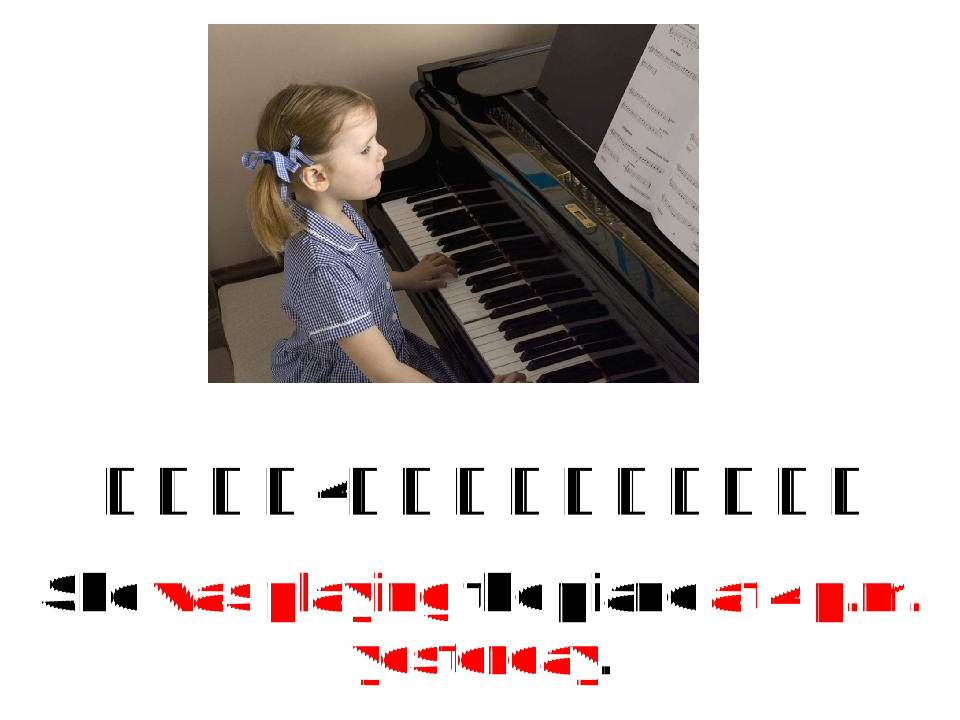
昨天下午4点钟,她正在弹钢琴。
She was playing the piano at 4 p.m. yesterday.
她上周六整天在练习拉小提琴。
She was practicing playing the violin
all day last Saturday.
他昨晚9点钟在看电视。
He was watching TV at 9 last night.
肯定句:
否定句:
一般疑问句:
过去进行时的构成
主+was / were + doing+其他
主+was / were not + doing+其他
Was/Were+主+doing+其他?
He was watching TV at 9 last night.
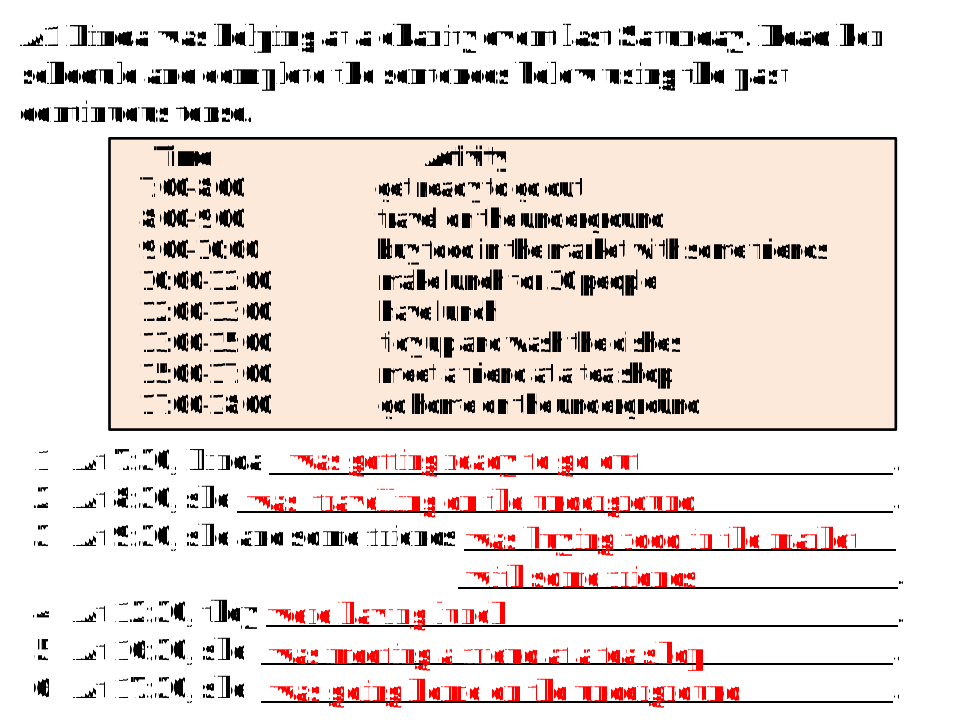
Time Activity
7:00-8:00 get ready to go out
8:00-9:00 travel on the underground
9:00-10:00 buy food in the market with some friends
10:00-12:00 make lunch for 30 people
12:00-13:00 have lunch
13:00-15:00 tidy up and wash the dishes
15:00-17:00 meet a friend at a tea shop
17:00-18:00 go home on the underground
1 At 7:30, Linda .
2 At 8:30, she .
3 At 9:30, she and some friends .
.
4 At 12:30, they .
5 At 16:30, she .
6 At 17:30, she .
was getting ready to go out
was travelling on the underground
was buying food
资源预览图

1
2

3

4

5
6
相关资源
由于学科网是一个信息分享及获取的平台,不确保部分用户上传资料的 来源及知识产权归属。如您发现相关资料侵犯您的合法权益,请联系学科网,我们核实后将及时进行处理。