Unit2 ReadingA Listening and Viewing(课件)英语沪外版必修第一册
2022-10-18
|
13页
|
369人阅读
|
6人下载
精品
内容正文:
Unit 2 Language and Culture
Listening & Viewing
folded hands
saying a prayer
asking for a favor
getting a high five
expressing gratitude
Please consider my proposal, sir! I placed all my effort and knowledge in it.
folded hands
When you are travelling abroad,
what body language will you use to communicate with local people?
gestures
postures
facial expressions
Listening: Cultural Differences in Body Language
Listening Strategy: Listening for the main idea
Choose the main idea of the programme:
Gestures differ from country to country in expressing similar ideas.
Similar gestures may have different meanings in different countries.
People often use their hands or heads to express their feelings.
People in different countries use different gestures to show disagreement.
Listening: Cultural Differences in Body Language
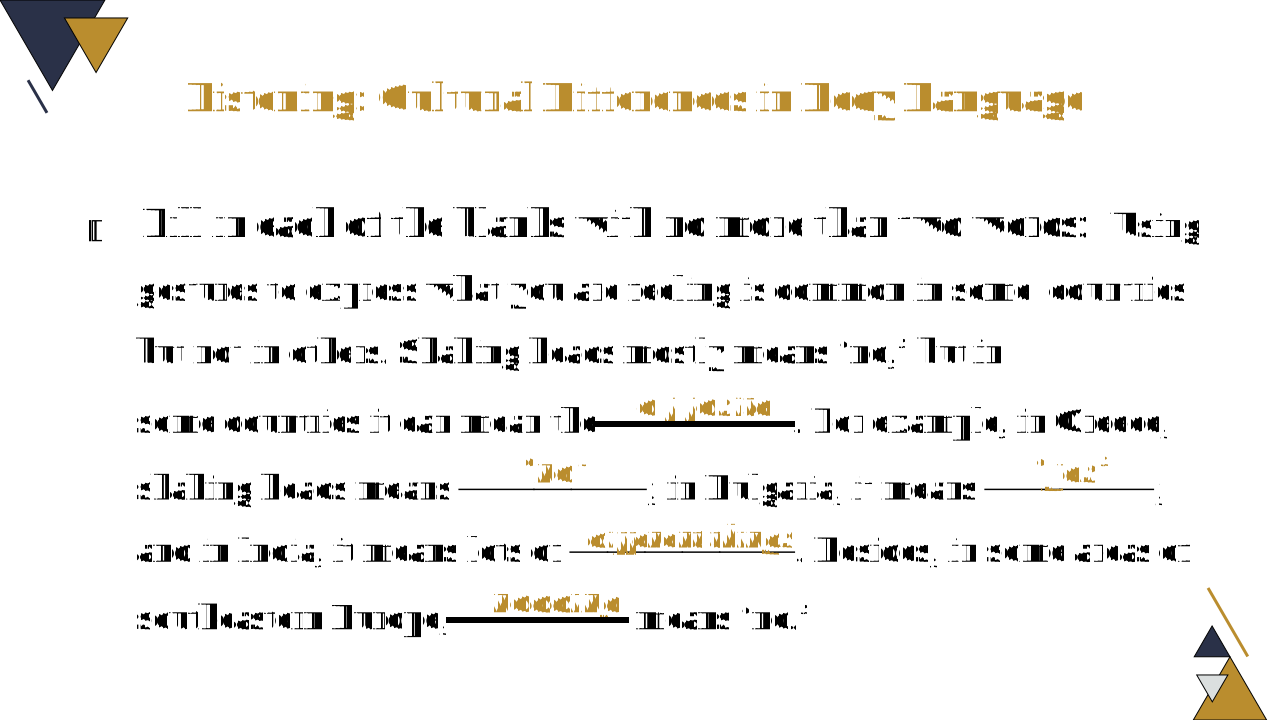
Fill in each of the blanks with no more than two words: Using gestures to express what you are feeling is common in some countries but not in others. Shaking heads mostly means ‘no,’ but in
some countries it can mean the opposite . For example, in Greece, shaking heads means ‘no’ ; in Bulgaria, it means ‘yes’ ; and in India, it means lots of different things . Besides, in some areas of southeastern Europe, nodding means ‘no.’
Research: Do you know any other body language that has different meanings in China and in other countries?
“I DON’T MIND” or “I DON’T CARE”?
① Friend: Do you want to paint the wall blue or brown?
You: __________________________.
② Friend: Should we go out tonight or stay home?
You: __________________________.
③ Friend: I heard that Mary is dating Steve now.
You: __________________________.
Viewing: “I Don’t Care” vs. “I Don’t Mind”
Listening Strategy: Listening for the main idea
a family argument
The video is about the difference .
between tea and coffee
in making decisions in the US and the UK
between American and British English
in showing disagreement in the US and the UK
This story is about
I don’t care
I don
资源预览图

1

2

3

4
5

6

相关资源
示范课
由于学科网是一个信息分享及获取的平台,不确保部分用户上传资料的 来源及知识产权归属。如您发现相关资料侵犯您的合法权益,请联系学科网,我们核实后将及时进行处理。