【语法攻略】2014届高三英语总复习专项课件:被动语态(16张PPT)
2013-12-24
|
16页
|
7332人阅读
|
1164人下载
普通
资源信息
| 学段 | 高中 |
|---|---|
| 学科 | 英语 |
| 教材版本 | - |
| 年级 | 高三 |
| 章节 | - |
| 类型 | 课件 |
| 知识点 | 被动语态 |
| 使用场景 | 高考复习-二轮专题 |
| 学年 | 2014-2015 |
| 地区(省份) | 全国 |
| 地区(市) | - |
| 地区(区县) | - |
| 文件格式 | PPT |
| 文件大小 | 128 KB |
| 发布时间 | 2013-12-24 |
| 更新时间 | 2013-12-25 |
| 作者 | xueqi2009 |
| 品牌系列 | - |
| 审核时间 | 2013-12-24 |
| 下载链接 | https://m.zxxk.com/soft/3190475.html |
| 价格 | 0.00储值(1储值=1元) |
| 来源 | 学科网 |
内容正文:
被动语态
1. 被动语态的构成:助动词be/get+及物动词的过去分词。
用法:
(1)动作的执行者不知道是谁或难以说明时常用被动语态,如 Street lights are often turned on at six in winter.
(2) 当强调动作的承受者时,用被动语态,如This kind of bicycle is not sold in our shop.
【注意】
(1) 带双宾语动词的被动语态,若将间接宾语变为被动语态中的主语,直接宾语则保留不变;若将直接宾语变为被动语态中的主语,间接宾语前则需加介词to 或for。
(2) 动词make, have, let, see, watch, hear, feel等接动词不定式作宾语补足语时,动词不定式不带to;但当它们变成被动语态时后面的不定式都须加上to,如The boss made them work ten hours a day.
⇒They were made to work ten hours a day by the boss.
(3) 当句子的谓语为say, believe, expect, think, know, write, consider, report, suggest, think等时,被动语态有两种形式:①谓语动词用被动语态,动词不定式作主补。②用it作形式主语,真正的主语在后面,用主语从句来表示,如Paper is known to have been first made in China.
⇒It is known that paper was first made in China.
2. 被动语态的时态:
(1)一般现在时
系动词am/is/are + 动词的过去分词。
(2) 一般过去时
系动词was/were + 动词的过去分词,如
The pupils were given some advice by the pianist.
⇒Some advice was given to the pupils by the pianist.
(3) 一般将来时
will 或be going to + be + 动词的过去分词,如
These books are going to be posted tomorrow.
(4) 现在完成时
助动词
资源预览图

1

2

3

4

5
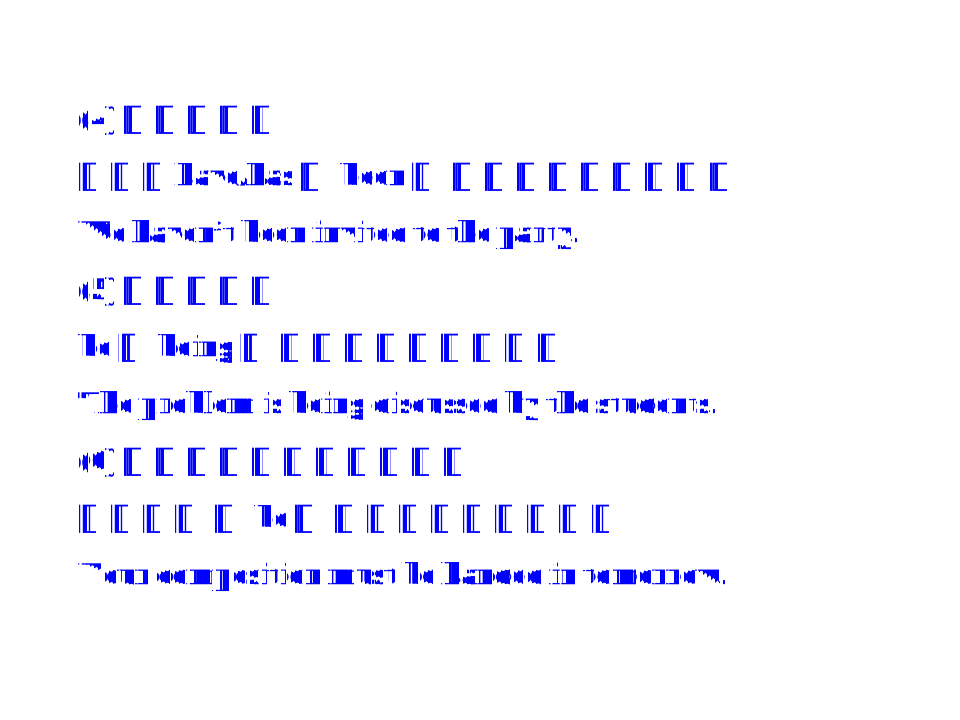
6
相关资源
由于学科网是一个信息分享及获取的平台,不确保部分用户上传资料的 来源及知识产权归属。如您发现相关资料侵犯您的合法权益,请联系学科网,我们核实后将及时进行处理。