2019高考英语最新阅读作文新闻素材课件:懒人经济 (共10张PPT)
2019-03-11
|
10页
|
791人阅读
|
57人下载
普通
资源信息
| 学段 | 高中 |
|---|---|
| 学科 | 英语 |
| 教材版本 | - |
| 年级 | 高三 |
| 章节 | - |
| 类型 | 课件 |
| 知识点 | - |
| 使用场景 | 高考复习 |
| 学年 | 2019-2020 |
| 地区(省份) | 全国 |
| 地区(市) | - |
| 地区(区县) | - |
| 文件格式 | PPTX |
| 文件大小 | 749 KB |
| 发布时间 | 2019-03-11 |
| 更新时间 | 2019-03-11 |
| 作者 | 匿名 |
| 品牌系列 | - |
| 审核时间 | 2019-03-11 |
| 下载链接 | https://m.zxxk.com/soft/9911219.html |
| 价格 | 0.50储值(1储值=1元) |
| 来源 | 学科网 |
内容正文:
“95后”越来越懒了?
1
Xiao Li, a college student born after 1995, used to wash her hair every two days. But as the weather has got colder, she has become lazier. She has bought a mist spray(喷雾), which allows her to wash her hair less often.
95后大学生小李原本两天洗一次头。但随着天气变冷,她也变得更懒了。她买了瓶免洗喷雾,这样一来就不用频繁洗头了。
She is not the only young Chinese who spends money because she’s “lazy”. According to a report issued in December by China’s e-commerce platform Taobao on China’s “lazy economy”, Chinese people spent 16 billion yuan on products and services online in 2018.
为偷懒花钱的中国年轻人不止小李一个。据中国电子商务平台淘宝12月发布的一份关于中国懒人经济的报告显示,2018年中国人在网络购物上花了160亿。
issue ['ɪʃuː; 'ɪsjuː]
vt. 发行,发布
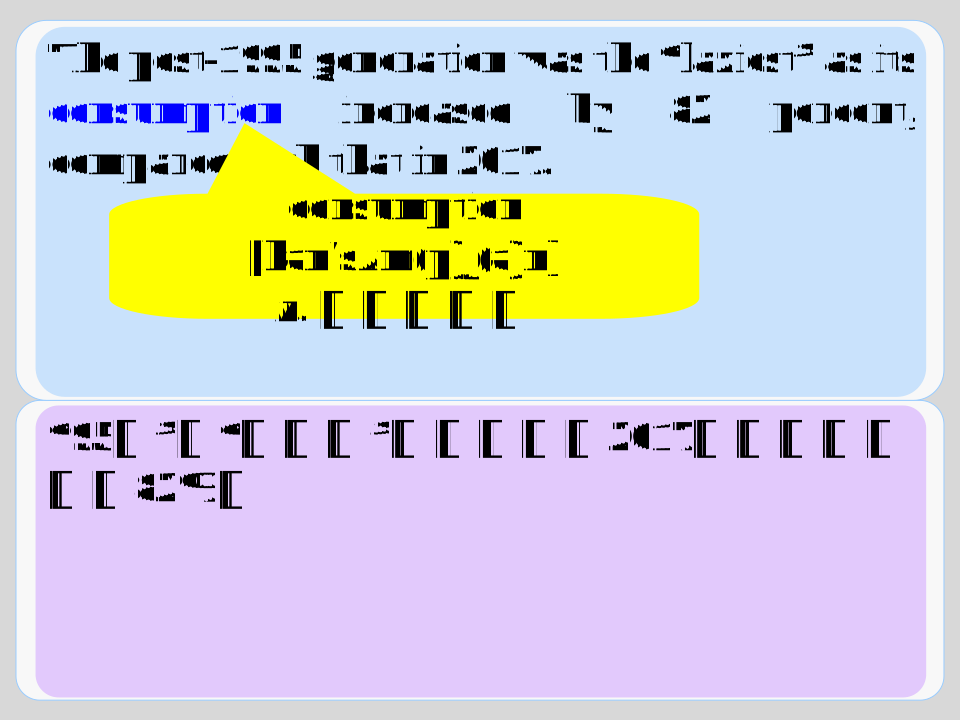
The post-1995 generation was the “laziest” as its consumption increased by 82 percent, compared with that in 2017.
“95后”是“最懒的”,其消费与2017年相比,增幅为82%。
consumption [kən'sʌm(p)ʃ(ə)n]
n. 消费;消耗
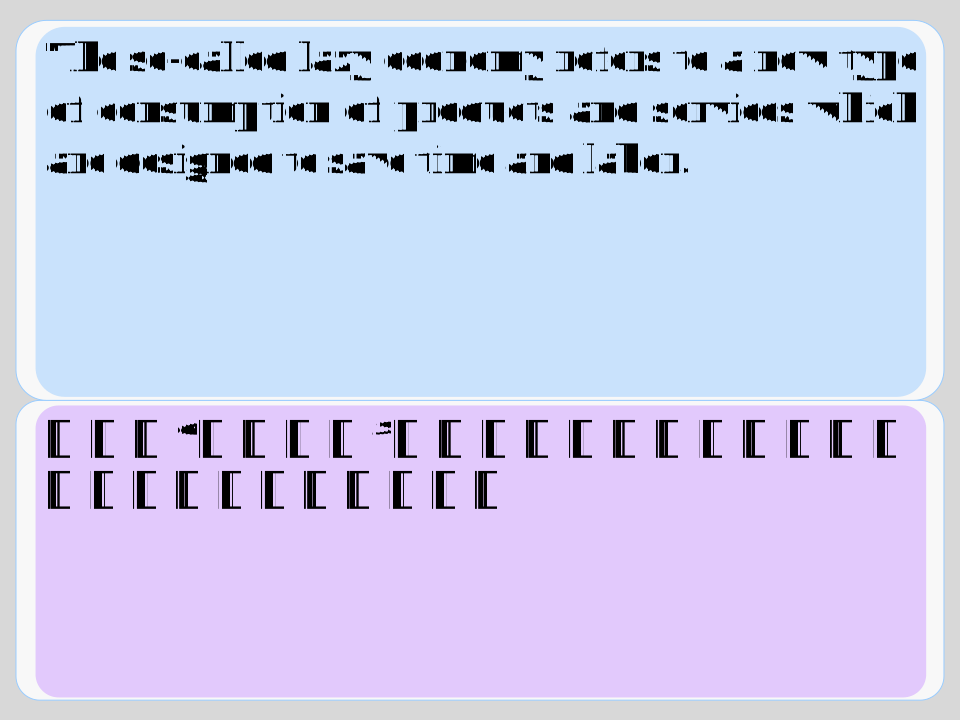
The so-called lazy economy refers to a new type of consumption of products and services which are designed to save time and labor.
所谓的“懒人经济”,指的是一种省时省力的新型商品或服务消费方
资源预览图

1

2

3
4
5

相关资源
由于学科网是一个信息分享及获取的平台,不确保部分用户上传资料的 来源及知识产权归属。如您发现相关资料侵犯您的合法权益,请联系学科网,我们核实后将及时进行处理。