Unit 4【刷题型】(选词填空精准练)-2026-2027学年九年级英语上册单元模块满分必刷题(新教材人教版)
|
2份
|
21页
|
627人阅读
|
9人下载

内容正文:
2026-2027学年九年级英语上册单元模块满分必刷题(新教材人教版)
Unit 4 Our Memory【刷题型】(选词填空精准练)
人与自我—记忆
基础篇
01
smart, relative, we, look, although, sure, for, study, ability, excited
Does my goldfish know who I am?
I think this is a great question. I do spend my days 1 how fish go about their lives. First of all, fish are much 2 than people think. People often talk of goldfish having three—second memories, but in fact they can learn all kinds of things and remember them 3 quite a long time.
This shouldn’t surprise 4 too much. Just like other animals, they can find enough to eat and know when it is safe to be out in the open. The 5 of learning and remembering things helps them do this.
Many kinds of fish can tell one from another according to their groups, their 6 and even their own eggs. But fish live in a very different world from us. For many kinds of fish, 7 sight is important, senses such as smell and touch are even more important.
So, does your fish know who you are? I believe your fish will 8 know when it is feeding time. My own fish become very 9 when my hand appears near the fishbowl, even before I drop the food in. I’m not sure whether your fish will be able to remember what your face 10 like, but I wouldn’t be too surprised if it could remember you in other ways, perhaps by the sound of your footsteps as you walk towards the fishbowl.
02
outline divide fully mindset memorize one-size-fits-all speech confidence panic image
Finding My Voice
Last month, I had to give a speech in front of the whole school. The moment I heard the news, I felt a wave of 1 wash over me. Public speaking had always been my biggest fear.
My teacher suggested I start by creating a clear 2 of what I wanted to say. She said trying to 3 every single word was a 4 approach that rarely works. Instead, I should 5 my speech into a few key points and understand them 6 .
I practiced in front of the mirror, trying to build my 7 . When I stumbled over my words, I reminded myself not to 8 . I also created a mental 9 of my main ideas so I could find my way back if I lost my place.
To my surprise, the day came and I delivered the speech successfully. I learned that preparation and the right 10 matter more than perfect memory.
03
beneficial acquire debate support effectively memorize reviewing opinions prefer necessary
The Value of Learning
Learning is a lifelong journey that brings many 1 things to our lives. Through education, we 2 new knowledge and skills that help us grow.
Some people 3 whether traditional memorization is still useful in the digital age. However, I believe that having a solid foundation of facts and concepts provides essential 4 for deeper understanding.
The key is to learn 5 . Instead of trying to 6 every single detail, we should focus on grasping core ideas and 7 them regularly. This approach helps us retain information better and apply it when needed.
Different people hold different 8 about the best learning methods. Some 9 to memorize information by connecting it to real-life experiences, while others find value in structured study. What matters most is finding what works the BEST for you.
In the end, learning isn’t just about accumulating facts—it’s 10 to develop the ability to think critically and adapt to new situations.
04
memory, image, likely, efficient, colour, passage, retell, divide, mix up, technique
Lisa always found it hard to 1 long texts for her history class. Facing a difficult 2 about ancient wars, she knew she needed a new method. Her teacher suggested a useful 3 : Turning information into a mind map or a(n) 4 graph. First, she would 5 the passage into three main parts. For each part, she would draw a simple 6 to represent (代表) it.
For example, for a part about a famous battle (战役), she marked two tiny flags. This visual (视觉的) method made it more 7 for the facts to stick in her mind. After studying, she would 8 the content to her younger sister without looking at her notes. Sometimes she would 9 the dates, but correcting herself helped her learn better. Through consistent (持续的) practice, she managed to master historical events and their details 10 .
培优篇
05
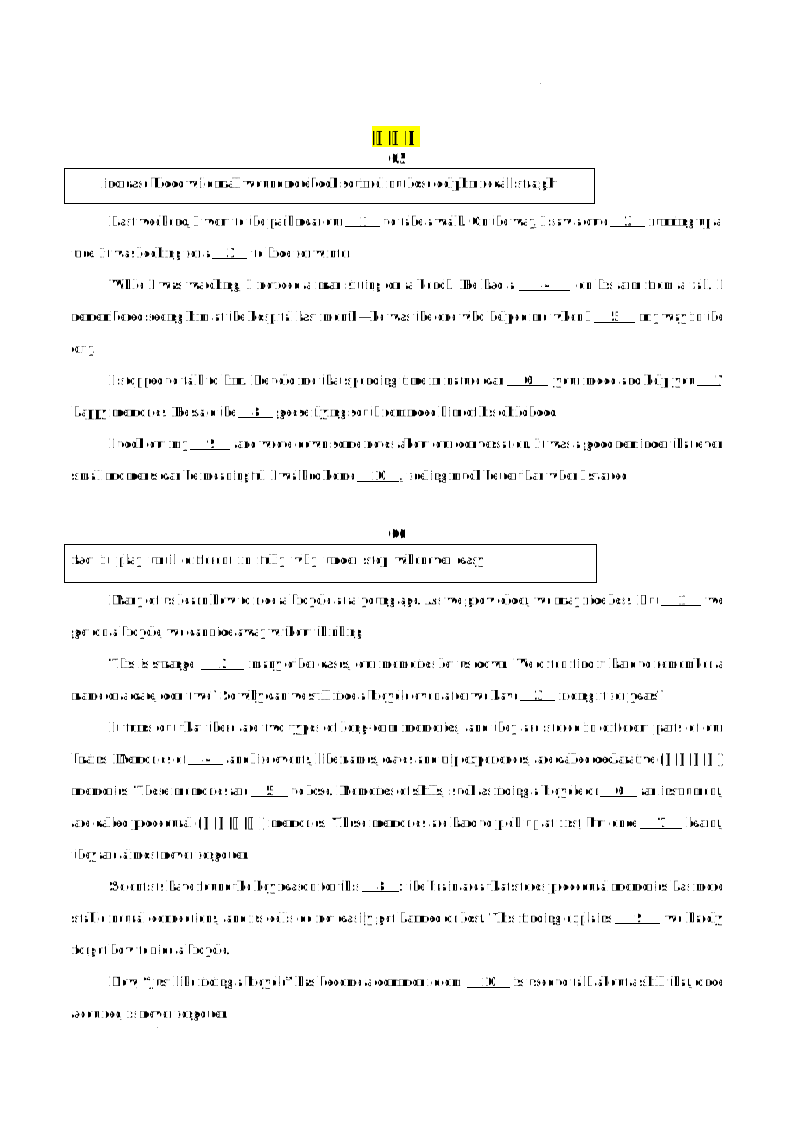
increase blood wild mall wound notebook squirrel nut lose dolphin recall straight
Last weekend, I went to the park near our 1 to take a walk. On the way, I saw a cute 2 running up a tree. It was looking for a 3 to hide for winter.
While I was watching, I noticed a man sitting on a bench. He had a 4 on his arm from a fall. I remembered seeing him at the hospital last month—he was the one who helped me when I 5 my way in the city.
I stopped to talk to him. He told me that spending time in nature can 6 your mood and help you 7 happy memories. He said the 8 geese flying south reminded him of his childhood.
I took out my 9 and wrote down some notes about our conversation. It was a good reminder that even small moments can be meaningful. I walked home 10 , feeling much better than when I started.
06
fact it play until different in fully why under stop whenever easy
Many of us learn how to ride a bicycle at a young age. As we grow older, we may ride less. But 1 we get on a bicycle, we can ride away without thinking.
This is strange. 2 many other cases, our memories let us down. We often find it hard to remember a name or a date, don’t we? So why can we still ride a bicycle even after we have 3 riding it for years?
It turns out that there are two types of long-term memories, and they are stored in different parts of our brains. Memories of 4 and life events, like names, dates and trip experiences, are called declarative (陈述性的) memories. These memories are 5 to lose. Memories of skills, such as riding a bicycle or 6 an instrument, are called procedural (程序性的) memories. These memories are hard to pick up at first, but once 7 learnt, they are almost never forgotten.
Scientists have found the key reason for this 8 : the brain area that stores procedural memories has more stable neural connections, and its cells do not easily get harmed or lost. This finding explains 9 we hardly forget how to ride a bicycle.
Now, “just like riding a bicycle” has become a common idiom. 10 is used to talk about a skill that, once acquired, is never forgotten.
07
grandson case memory emotion express attention instead sweet through follow
Last Sunday, I visited my grandmother. She is 85 years old now. Sometimes she forgets things, but she still has a good 1 of the past.
When I arrived, she was very happy to see me. She held my hands and said, “My dear 2 , you’ve grown so tall!” She smiled with 3 in her eyes. She always tries to 4 her love for our family.
We sat in the garden and talked. She told me stories about her childhood. She said she went 5 many difficult times, but she never gave up. “In my 6 , keeping a diary helps me remember important moments,” she said.
Then she brought me some cookies. “I made these for you,” she said. “They are 7 and delicious.” I thanked her and ate one. It tasted wonderful!
Sometimes she forgets what she just said, but 8 , she remembers the happy times with our family. She told me to 9 my heart and pay 10 to the people I love.
“Memories are precious gifts,” she said. “Keep them in your mind forever.”
08
opera, picnic, gunshot, pardon, sweet, recall, grapevine, familiar, taste, remind
Last Sunday, my family had a wonderful 1 in the countryside. We sat under a big tree and enjoyed the beautiful scenery. The air was fresh, and the food was delicious. Everything seemed perfect until we heard a sudden 2 in the distance. It frightened the birds, and they flew away quickly.
My grandfather smiled and said, “Don’t worry. It’s just a hunter.” Then he began to tell us an old story. He tried hard to 3 the details of his childhood, and his eyes were full of warmth. He said that when he was a child, there was no TV in his village. People got news through the 4 —word of mouth from one neighbor to another.
He also told us that the village theater used to put on an 5 every year. The music and singing were so wonderful that they left a deep impression on him. Even now, the songs still 6 him of those happy days.
“ 7 me,” my little brother asked, “Grandpa, do you still remember the songs?” Grandpa laughed and sang a few lines. The melody sounded 8 to me, it was so 9 , as if I had heard it somewhere before. Perhaps it’s in my blood, passed down from my grandfather.
At that moment, I realized that memories are like a 10 —the older we grow, the more we appreciate their sweetness. As a student, I hope to keep these precious memories forever.
09
short-term technique boost likely discuss image graph effective view increase ability organize
Do you want to improve your memory? Here are some useful 1 that can help you.
First, using mind maps is a great way to 2 your ideas. When you draw a mind map, you can see the relationship between different pieces of information clearly. This method is very 3 for remembering new words and phrases.
Second, creating a mental 4 in your mind can make things easier to remember. For example, if you want to remember a story, try to picture it like a movie in your head. This works well for both 5 memory and long-term memory.
Third, taking regular breaks while studying can 6 your brain power. Our brains need time to rest and process what we have learned. Studies show that students who take breaks are more 7 to remember information than those who study for hours without stopping.
Finally, your 8 to remember things can improve with practice. If you want to see your progress, you can draw a 9 to show how many words you remember each week. You can also 10 your learning methods with your classmates and share useful tips with each other.
10
active, attention, connect, improve, memory, method, note, repeat, brain, forget
Having a good 1 is very helpful for our study and life. There are many useful 2 to help you 3 your memory. First of all, you should keep your 4 active every day. If you always use your brain, it will stay 5 and you won’t 6 things easily. Second, when you learn new knowledge, you should pay more 7 to what you are learning. Don’t think about other things. Third, it’s a good way to 8 new information with what you have already known. If you still can’t remember it, you can 9 it over and over again. What’s more, taking 10 is also a good way to help you remember important points.
学科网(北京)股份有限公司
$
2026-2027学年九年级英语上册单元模块满分必刷题(新教材人教版)
Unit 4 Our Memory【刷题型】(选词填空精准练)
人与自我—记忆
基础篇
01
smart, relative, we, look, although, sure, for, study, ability, excited
Does my goldfish know who I am?
I think this is a great question. I do spend my days 1 how fish go about their lives. First of all, fish are much 2 than people think. People often talk of goldfish having three—second memories, but in fact they can learn all kinds of things and remember them 3 quite a long time.
This shouldn’t surprise 4 too much. Just like other animals, they can find enough to eat and know when it is safe to be out in the open. The 5 of learning and remembering things helps them do this.
Many kinds of fish can tell one from another according to their groups, their 6 and even their own eggs. But fish live in a very different world from us. For many kinds of fish, 7 sight is important, senses such as smell and touch are even more important.
So, does your fish know who you are? I believe your fish will 8 know when it is feeding time. My own fish become very 9 when my hand appears near the fishbowl, even before I drop the food in. I’m not sure whether your fish will be able to remember what your face 10 like, but I wouldn’t be too surprised if it could remember you in other ways, perhaps by the sound of your footsteps as you walk towards the fishbowl.
【答案】
1.studying 2.smarter 3.for 4.us 5.ability 6.relatives 7.although 8.surely 9.excited 10.looks
【导语】本文探讨了金鱼是否认识主人这一有趣的问题。文章介绍了鱼类其实拥有学习和记忆的能力,以及它们如何依靠这种能力生存,并指出除了视觉,嗅觉和触觉等感官对鱼类更为重要。
【详解】
1.句意:我确实花了很多天研究鱼是如何生活的。固定搭配spend time doing sth.表示“花费时间做某事”,空格处需要动名词形式。结合所给词汇,study表示“研究”,符合语法及“研究鱼类生活习性”的语境,故填studying。
2.句意:首先,鱼比人们想象的要聪明得多。空格前有much修饰,后有than,需要形容词比较级形式。结合所给词汇,smart表示“聪明的”,符合语法及“鱼比人们认为的更聪明”的语境,故填smarter。
3.句意:它们能学会各种东西,并将它们记住相当长一段时间。空格后接名词短语quite a long time,需要介词。结合所给词汇,for表示“持续(一段时间)”,符合语法及“记住很长一段时间”的语境,故填for。
4.句意:这不应该让我们太惊讶。空格位于及物动词surprise之后,需要人称代词宾格作宾语。结合语境,作者是在向读者阐述,此处指让“我们”惊讶,结合所给词汇,we的宾格形式是us,符合语法及“这件事不会使我们吃惊”的语境,故填us。
5.句意:学习和记忆事物的能力帮助它们做到这一点。空格前有定冠词The,后有of短语修饰,且谓语动词为第三人称单数helps,故空格处需要填单数名词作主语。结合所给词汇,ability表示“能力”,符合语法及“拥有学习记忆的能力”的语境,故填ability。
6.句意:许多种类的鱼可以根据它们的群体、它们的亲戚甚至它们自己的卵来区分彼此。空格前有形容词性物主代词their修饰,与groups、eggs并列,需要名词复数形式。结合所给词汇,relative表示“亲戚”,符合语法及“区分亲属”的语境,故填relatives。
7.句意:对许多种类的鱼来说,尽管视觉很重要,但嗅觉和触觉等感官更为重要。逗号前后是两个完整的句子,需要一个连词连接。结合语境,前半句承认视觉重要,后半句强调其他感官更重要,存在让步逻辑,结合所给词汇,although表示“尽管”,符合语法及“视觉重要,但其他感官更重要” 的语境,故填although。
8.句意:我相信你的鱼肯定会知道什么时候是喂食时间。空格位于情态动词will和动词原形know之间,需要副词修饰动词。结合所给词汇,sure的副词形式是surely,表示“肯定地、无疑地”,符合语法及“鱼一定能感知喂食时间”的语境,故填surely。
9.句意:当我的手出现在鱼缸附近时,我自己的鱼变得非常兴奋。系动词become后接形容词作表语。结合语境,鱼在主人靠近鱼缸(准备喂食)时变得很激动,结合所给词汇,excited表示“兴奋的”,符合语法及“鱼看到人手变得兴奋” 的语境,故填excited。
10.句意:我不确定你的鱼是否能记住你的脸长什么样子。空格所在的从句what your face __ like缺少谓语动词,主语your face为第三人称单数,谓语动词需用第三人称单数形式。结合所给词汇,固定搭配look like表示“看起来像”符合语法及“记住人脸样貌”的语境,故填looks。
02
outline divide fully mindset memorize one-size-fits-all speech confidence panic image
Finding My Voice
Last month, I had to give a speech in front of the whole school. The moment I heard the news, I felt a wave of 1 wash over me. Public speaking had always been my biggest fear.
My teacher suggested I start by creating a clear 2 of what I wanted to say. She said trying to 3 every single word was a 4 approach that rarely works. Instead, I should 5 my speech into a few key points and understand them 6 .
I practiced in front of the mirror, trying to build my 7 . When I stumbled over my words, I reminded myself not to 8 . I also created a mental 9 of my main ideas so I could find my way back if I lost my place.
To my surprise, the day came and I delivered the speech successfully. I learned that preparation and the right 10 matter more than perfect memory.
【答案】
1.panic 2.outline 3.memorize 4.one-size-fits-all 5.divide 6.fully 7.confidence 8.panic 9.image 10.mindset
【导语】本文讲述作者克服演讲恐惧,精心准备后成功演讲,并领悟到准备与良好心态比死记硬背更重要。
【详解】
1.句意:我听到这个消息的那一刻,一阵恐慌席卷了我。a wave of后接名词。后文“Public speaking had always been my biggest fear”提示情绪是恐慌,填panic。
2.句意:我的老师建议我先为我想要表达的内容写一份清晰的提纲。准备演讲第一步通常列提纲,outline意为“提纲”,符合语境。
3.句意:她说试图熟记每一个单词是一种一刀切的方法,很少奏效。try to do sth.意为“努力做某事”,to后接动词原形。memorize every single word“熟记每一个字”,对应背演讲稿的做法。
4.句意:她说试图熟记每一个单词是一种一刀切的方法,很少奏效。approach是名词,前面需要形容词修饰;one-size-fits-all意为“一刀切的”,形容这种死记硬背的方式并不适合所有人。
5.句意:相反,我应该把演讲划分成几个要点,并充分理解它们。should情态动词,后接动词原形。固定搭配:divide … into…意为“把……分成……”。
6.句意:相反,我应该把演讲划分成几个要点,并充分理解它们。此处修饰动词understand,要用副词;fully意为“充分地”,符合句意,体现对内容的掌握程度要求。。
7.句意:我对着镜子练习,努力树立信心。作者对着镜子反复演练,目的就是逐步建立自己在公开表达时的自信心,对应前文提到的“演讲是最大恐惧”的心理障碍,是脱敏练习的核心目标。build one’s confidence为固定搭配,意为“树立某人的信心”。
8.句意:当我说话磕磕绊绊时,我提醒自己不要慌乱。此处需要一个动词跟在“不定式符号to”后面,结合前文作者害怕公开演讲以及“stumbled over my words”可知,练习过程中出现说话不流畅的情况时,作者需要保持冷静,而不是因为出错而更加紧张;panic意为“恐慌,惊慌”,符合语境,所以选择panic。
9.句意:我还在脑海中构建核心观点的画面,这样如果忘词了,我就能找回思路。此处需要一个名词作“created”的宾语。结合后文“find my way back if I lost my place”可知,作者通过在脑海中建立主要观点的整体画面,帮助自己在演讲中忘记位置时重新找到思路;image意为“图像,形象”,符合这种“在脑海中形成画面”的语境,所以选择image。
10.句意:我认识到充分的准备和正确的心态比完美的记忆更加重要。此处需要一个名词与“preparation”并列作主语。结合全文可知,作者最终成功演讲并不是因为逐字记住了所有内容,而是因为进行了充分准备,并在出现问题时保持冷静、自信;mindset意为“心态,思维方式”,与preparation共同概括作者成功演讲的关键因素,符合全文主旨,所以选择mindset。
03
beneficial acquire debate support effectively memorize reviewing opinions prefer necessary
The Value of Learning
Learning is a lifelong journey that brings many 1 things to our lives. Through education, we 2 new knowledge and skills that help us grow.
Some people 3 whether traditional memorization is still useful in the digital age. However, I believe that having a solid foundation of facts and concepts provides essential 4 for deeper understanding.
The key is to learn 5 . Instead of trying to 6 every single detail, we should focus on grasping core ideas and 7 them regularly. This approach helps us retain information better and apply it when needed.
Different people hold different 8 about the best learning methods. Some 9 to memorize information by connecting it to real-life experiences, while others find value in structured study. What matters most is finding what works the BEST for you.
In the end, learning isn’t just about accumulating facts—it’s 10 to develop the ability to think critically and adapt to new situations.
【答案】
1.beneficial 2.acquire 3.debate 4.support 5.effectively 6.memorize 7.reviewing 8.opinions 9.prefer 10.necessary
【导语】本文是一篇说明文。文章主要讲述了学习的价值、高效学习的方法以及人们对学习方式的不同观点。
【详解】
1.句意:学习是一段终身的旅程,给我们的生活带来许多有益的事情。空处修饰名词things,指的是“带来许多有益的事情”,应用备选词beneficial,意为“有益的”。
2.句意:通过教育,我们获得新的知识和技能,帮助我们成长。该句指的是“获得新的知识和技能”,备选词acquire意为“获得”符合题意,句子描述客观事实,用一般现在时,主语we是复数,谓语动词用原形acquire。
3.句意:有些人争论传统记忆在数字时代是否仍然有用。该处指的是“争论传统记忆”,备选词debate意为“争论”符合题意,句子描述客观现象,用一般现在时,主语Some people是复数,谓语动词用原形debate。
4.句意:然而,我相信拥有坚实的事实和概念基础为更深的理解提供必要的支持。该处指的是“提供必要的支持”,essential是形容词,修饰名词,备选词support意为“支持”符合题意。
5.句意:关键是有效地学习。空处修饰动词learn,指的是“有效地学习”,备选词effectively意为“有效地”符合题意。
6.句意:与其试图记住每一个细节,我们应专注于掌握核心概念,并定期复习。该处指的是“记住每一个细节”,备选词memorize意为“记忆”符合题意,try to do sth.意为“试图做某事”,to后接动词原形memorize。
7.句意:与其试图记住每一个细节,我们应专注于掌握核心概念,并定期复习。该处指的是“定期复习”,focus on doing sth.意为“专注于做某事”,and连接并列成分,grasping是动名词,备选词reviewing“复习”符合题意。
8.句意:不同的人对最好的学习方法持有不同的观点。different修饰复数名词,该处指的是“持有不同的观点”,备选词opinions意为“观点”,符合语境。
9.句意:有些人更喜欢通过将信息与现实生活经历联系起来来记忆信息,而另一些人则觉得有条理的学习更有价值。该处指的是“有些人更喜欢……”,句子描述一般情况,用一般现在时,主语Some指代Some people,为复数,谓语动词用原形,备选词prefer意为“更喜欢”符合题意。
10.句意:最后,学习不仅仅是积累知识——培养批判性思考和适应新情况的能力是必要的。该处指“培养批判性思考和适应新情况的能力是必要的。”,It’s+adj.+to do sth.为固定搭配,空处作表语,备选词necessary意为“必要的”符合题意。
04
memory, image, likely, efficient, colour, passage, retell, divide, mix up, technique
Lisa always found it hard to 1 long texts for her history class. Facing a difficult 2 about ancient wars, she knew she needed a new method. Her teacher suggested a useful 3 : Turning information into a mind map or a(n) 4 graph. First, she would 5 the passage into three main parts. For each part, she would draw a simple 6 to represent (代表) it.
For example, for a part about a famous battle (战役), she marked two tiny flags. This visual (视觉的) method made it more 7 for the facts to stick in her mind. After studying, she would 8 the content to her younger sister without looking at her notes. Sometimes she would 9 the dates, but correcting herself helped her learn better. Through consistent (持续的) practice, she managed to master historical events and their details 10 .
【答案】
1.memorize 2.passage 3.technique 4.colourful 5.divide 6.image 7.likely 8.retell 9.mix up 10.efficiently
【导语】本文是一篇记叙文。文章主要讲述了Lisa在学习历史课文时遇到困难,后来在老师的建议下,通过使用思维导图、图像等视觉技巧,有效地提高了记忆和学习效率的故事。
【详解】
1.句意:Lisa总是发现很难记忆历史课的长篇文章。find it hard to do sth.意为“发现做某事很难”,to后接动词原形。方框中的memory“记忆”是名词,其动词形式为 memorize,符合语境。故填memorize。
2.句意:面对一篇关于古代战争的困难文章,她知道她需要一种新方法。空前有形容词difficult修饰,此处需填名词。根据上下文提到的long texts及后文the passage,此处指具体的学习材料,passage意为“文章、段落”,符合语境。故填passage。
3.句意:她的老师推荐了一个有用的技巧。空前有useful修饰,需填名词。根据后文提到的具体做法(Turning information into...),这是一种学习技巧,technique 意为“技巧、技法”,符合语境。故填technique。
4.句意:将信息转化为思维导图或色彩鲜艳的图表。空处修饰名词graph,需用形容词作定语。colour意为“颜色”,变为形容词colourful意为“色彩鲜艳的”,作名词定语,符合视觉化学习的语境。故填colourful。
5.句意:首先,她会将文章划分成三个主要部分。would后接动词原形。divide...into...是固定搭配,意为“把……分成……",符合将文章分部分的语境。故填 divide。
6.句意:对于每一部分,她会画一个简单的图像来代表它。空前有simple修饰,需填名词。根据后文提到的visual method及画旗帜的例子,此处指画图,image意为“图像”,符合语境。故填image。
7.句意:这种视觉方法使事实更可能留在她的脑海中。make it + adj. + for sb./sth. to do sth.是固定句型。likely意为“可能的”,it is likely for... to... 表示“……有可能……”,符合语境。故填likely。
8.句意:学习后,她会不看笔记向妹妹复述内容。would后接动词原形。根据向妹妹讲述内容且不看书的行为,retell意为“复述”,符合语境。故填retell。
9.句意:有时她会混淆日期,但自我纠正帮助她学得更好。would后接动词原形。根据后文correcting herself“自我纠正”,说明之前出现了错误,mix up意为“混淆”,符合语境。故填mix up。
10.句意:通过持续的练习,她成功地高效地掌握了历史事件及其细节。空处修饰动词master,需用副词。efficient是形容词,其副词形式为efficiently,意为“高效地”,符合语境。故填efficiently。
培优篇
05
increase blood wild mall wound notebook squirrel nut lose dolphin recall straight
Last weekend, I went to the park near our 1 to take a walk. On the way, I saw a cute 2 running up a tree. It was looking for a 3 to hide for winter.
While I was watching, I noticed a man sitting on a bench. He had a 4 on his arm from a fall. I remembered seeing him at the hospital last month—he was the one who helped me when I 5 my way in the city.
I stopped to talk to him. He told me that spending time in nature can 6 your mood and help you 7 happy memories. He said the 8 geese flying south reminded him of his childhood.
I took out my 9 and wrote down some notes about our conversation. It was a good reminder that even small moments can be meaningful. I walked home 10 , feeling much better than when I started.
【答案】
1.mall 2.squirrel 3.nut 4.wound 5.lost 6.increase 7.recall 8.wild 9.notebook 10.straight
【导语】本文讲述了作者上周末去公园散步时,遇到了一只松鼠、一位曾经帮助过自己的男士,并从中感悟到自然和美好回忆的力量。
【详解】
1.句意:上周末,我去我们购物中心附近的公园散步。根据“the park near our”可知,此处需要一个表示地点的名词。备选词中mall意为“购物中心”,park near our mall意为“我们购物中心附近的公园”,符合语境。
2.句意:在路上,我看到一只可爱的松鼠在爬树。根据下文“It was looking for a nut to hide for winter.”可知,寻找坚果过冬的动物是松鼠。备选词中squirrel意为“松鼠”,符合语境。
3.句意:它正在寻找一个坚果来藏起来过冬。根据常识可知,松鼠寻找坚果过冬。备选词中nut意为“坚果”,符合语境。
4.句意:他的手臂上有一处摔倒留下的伤口。根据“from a fall”可知,摔倒会导致伤口。备选词中wound意为“伤口”,符合语境。
5.句意:我记得上个月在医院见过他——他就是那个在我迷路时帮助我的人。根据下文“in the city”以及“helped me”可知,此处表示“我迷路时”。结合语境,应填lost,lost one’s way意为“迷路”。
6.句意:他告诉我,花时间在大自然中可以提升你的心情。根据“your mood”可知,大自然可以改善心情。备选词中increase意为“增加”,increase your mood意为“增加你的好心情”,符合语境。
7.句意:并帮助你回忆美好的记忆。根据“happy memories”可知,此处表示回忆。备选词中recall意为“回忆”,符合语境。
8.句意:他说野鹅南飞让他想起了童年。根据“geese flying south”可知,此处指野鹅。备选词中wild意为“野生的”,wild geese意为“野鹅”,符合语境。
9.句意:我拿出我的笔记本,写下了一些关于我们谈话的笔记。根据下文“wrote down some notes”可知,写笔记需要笔记本。备选词中notebook意为“笔记本”,符合语境。
10.句意:我径直走回家,感觉比出发时好多了。根据“walked home”可知,此处表示径直走回家。备选词中straight意为“径直地”,符合语境。
06
fact it play until different in fully why under stop whenever easy
Many of us learn how to ride a bicycle at a young age. As we grow older, we may ride less. But 1 we get on a bicycle, we can ride away without thinking.
This is strange. 2 many other cases, our memories let us down. We often find it hard to remember a name or a date, don’t we? So why can we still ride a bicycle even after we have 3 riding it for years?
It turns out that there are two types of long-term memories, and they are stored in different parts of our brains. Memories of 4 and life events, like names, dates and trip experiences, are called declarative (陈述性的) memories. These memories are 5 to lose. Memories of skills, such as riding a bicycle or 6 an instrument, are called procedural (程序性的) memories. These memories are hard to pick up at first, but once 7 learnt, they are almost never forgotten.
Scientists have found the key reason for this 8 : the brain area that stores procedural memories has more stable neural connections, and its cells do not easily get harmed or lost. This finding explains 9 we hardly forget how to ride a bicycle.
Now, “just like riding a bicycle” has become a common idiom. 10 is used to talk about a skill that, once acquired, is never forgotten.
【答案】
1.whenever 2.In 3.stopped 4.facts 5.easy 6.playing 7.fully 8.difference 9.why 10.It
【导语】本文是一篇说明文。文章主要讲述了人们为什么不会忘记骑自行车这项技能,介绍了陈述性记忆和程序性记忆的区别及其大脑存储机制。
【详解】
1.句意:但每当我们骑上自行车,我们都能不加思索地骑走。设空处引导时间状语从句,需填连词。结合“we get on a bicycle, we can ride away without thinking”可知,表示“每当”骑上自行车,whenever意为“每当”,符合语境。
2.句意:在许多其他情况下,我们的记忆让我们失望。设空处需填介词。in many other cases为固定搭配,意为“在许多其他情况下”,位于句首首字母大写,故填In。
3.句意:那么,为什么即使我们多年不骑自行车,仍然会骑呢?本句是现在完成时结构“have + 过去分词”,设空处需填动词的过去分词。结合“多年不骑车也依然会骑”的语境,此处表达“停止”骑车多年,stop意为“停止”,过去分词是stopped。
4.句意:关于事实和生活事件的记忆,如名字、日期和旅行经历,被称为陈述性记忆。设空处与“life events”并列作of的宾语,需填名词。结合后文“like names, dates and trip experiences”可知,这些是“事实”和生活事件,fact意为“事实”,此处表示泛指多个事实,用复数facts,符合语境。
5.句意:这些记忆很容易丢失。设空处作表语,需填形容词。前文提到日常里我们经常忘名字、忘日期,也就是陈述性记忆“容易”丢失,easy意为“容易的”,符合语境。
6.句意:关于技能的记忆,如骑自行车或演奏乐器,被称为程序性记忆。设空处与“riding a bicycle”并列作such as的宾语,需填动名词。结合“an instrument”可知是“演奏”乐器,play意为“演奏”,动名词为playing,符合语境。
7.句意:这些记忆起初很难掌握,但一旦完全学会,就几乎永远不会忘记。设空处修饰“learnt”,需填副词。结合“they are almost never forgotten”可知,“完全”学会之后几乎永远不会忘记,fully意为“完全地”,为副词,符合语境。
8.句意:科学家们已经找到了这种差异的关键原因。设空处作for的宾语,this后接单数名词。前文对比了陈述性记忆易丢失、程序性记忆难遗忘的两种不同特性,可知此处表达“科学家找到了造成这种差异的核心原因”,different的名词difference意为“差异”,符合语境。
9.句意:这一发现解释了为什么我们几乎不会忘记如何骑自行车。设空处引导宾语从句,需填连接词。结合前文“why can we still ride a bicycle”和后文“we hardly forget how to ride a bicycle”可知,是解释“为什么”我们不会忘记,why意为“为什么”,符合语境。
10.句意:它被用来谈论一种一旦获得就永远不会忘记的技能。设空处作主语,需填代词。结合前文“‘just like riding a bicycle’ has become a common idiom”可知,此处指代这个习语,用it,位于句首首字母大写,故填It。
07
grandson case memory emotion express attention instead sweet through follow
Last Sunday, I visited my grandmother. She is 85 years old now. Sometimes she forgets things, but she still has a good 1 of the past.
When I arrived, she was very happy to see me. She held my hands and said, “My dear 2 , you’ve grown so tall!” She smiled with 3 in her eyes. She always tries to 4 her love for our family.
We sat in the garden and talked. She told me stories about her childhood. She said she went 5 many difficult times, but she never gave up. “In my 6 , keeping a diary helps me remember important moments,” she said.
Then she brought me some cookies. “I made these for you,” she said. “They are 7 and delicious.” I thanked her and ate one. It tasted wonderful!
Sometimes she forgets what she just said, but 8 , she remembers the happy times with our family. She told me to 9 my heart and pay 10 to the people I love.
“Memories are precious gifts,” she said. “Keep them in your mind forever.”
【答案】
1.memory 2.grandson 3.emotion 4.express 5.through 6.case 7.sweet 8.instead 9.follow 10.attention
【导语】本文是一篇记叙文。主要讲述了作者上周日看望85岁祖母的经历,祖母虽然有时健忘,但对过去记忆深刻,她向作者表达爱意,分享人生经历,并教导作者要遵从内心、关爱他人。
【详解】
1.句意:有时她会忘记事情,但她对过去仍有良好的记忆。have a good memory of表示“对……有好的记忆”,符合语境中奶奶虽健忘但对往事记忆清晰的描述。
2.句意:亲爱的孙子,你长这么高了! 从“我看望奶奶”的身份逻辑,对应称呼grandson“孙子”。
3.句意:她眼里含着情感笑了。表示奶奶眼含笑意、满含情绪,emotion“情感”符合语境。
4.句意:她总是试图表达对我们家庭的爱。不定式to后接动词原形express,此处表示“表达对家人的爱”。
5.句意:她说她经历了许多困难时期,但她从未放弃。固定搭配go through表示“经历 (困难时期)”,符合“她经历很多艰难时光”的语境。
6.句意:她说:“在我的情况下,写日记帮助我记住重要时刻。固定搭配in my case表示“就我而言、在我的情况下”,符合语境。
7.句意:它们又甜又美味。形容饼干的口感,sweet“香甜的”和delicious并列匹配。
8.句意:有时她会忘记刚说的话,但反而,她记得和我们家人在一起的快乐时光。副词instead表示“相反,取而代之的是”,对应前文“她有时忘事”和后文“却记得和家人的快乐时光”的转折逻辑。
9.句意:她告诉我要跟随我的心并关注我爱的人。固定搭配follow my heart表示“追随我的内心”,符合语境。
10.句意:她告诉我要跟随我的心并关注我爱的人。固定搭配pay attention to表示“关注、在意”,符合奶奶嘱托的语义。
08
opera, picnic, gunshot, pardon, sweet, recall, grapevine, familiar, taste, remind
Last Sunday, my family had a wonderful 1 in the countryside. We sat under a big tree and enjoyed the beautiful scenery. The air was fresh, and the food was delicious. Everything seemed perfect until we heard a sudden 2 in the distance. It frightened the birds, and they flew away quickly.
My grandfather smiled and said, “Don’t worry. It’s just a hunter.” Then he began to tell us an old story. He tried hard to 3 the details of his childhood, and his eyes were full of warmth. He said that when he was a child, there was no TV in his village. People got news through the 4 —word of mouth from one neighbor to another.
He also told us that the village theater used to put on an 5 every year. The music and singing were so wonderful that they left a deep impression on him. Even now, the songs still 6 him of those happy days.
“ 7 me,” my little brother asked, “Grandpa, do you still remember the songs?” Grandpa laughed and sang a few lines. The melody sounded 8 to me, it was so 9 , as if I had heard it somewhere before. Perhaps it’s in my blood, passed down from my grandfather.
At that moment, I realized that memories are like a 10 —the older we grow, the more we appreciate their sweetness. As a student, I hope to keep these precious memories forever.
【答案】
1.picnic 2.gunshot 3.recall 4.grapevine 5.opera 6.remind 7. Pardon 8.familiar 9.sweet 10.taste
【导语】本文是一篇记叙文,主要讲述了作者一家在乡下野餐时,听祖父回忆童年往事,作者由此感悟到记忆珍贵如滋味般的故事。
【详解】
1.句意:上周日,我家在乡下进行了一次美妙的野餐。根据上文“Last Sunday”及后文“sat under a big tree... food was delicious”可知是在野餐,have a picnic为固定搭配,空前有a,填单数名词picnic。
2.句意:一切似乎都很完美,直到我们听到远处突然传来一声枪响。根据后文“frightened the birds”及祖父说的“hunter”可知是枪声,a sudden gunshot符合语境。
3.句意:他努力回忆童年的细节。try hard to do sth.表示“努力做某事”,后接动词原形,recall意为“回忆”。
4.句意:人们通过口耳相传获取消息。through the grapevine为固定习语,意为“通过小道消息/口耳相传”,符合后文“word of mouth”的解释。
5.句意:村剧院过去每年上演一部歌剧。根据“theater”及后文“music and singing”可知是歌剧,an opera符合语境。
6.句意:即使现在,这些歌仍然让他想起那些快乐的日子。歌声引起了回忆,remind sb of sth.意为“使某人想起某事”,主语songs为复数,时态为一般现在时,谓语动词用原形。
7.句意:“请原谅,”我的小弟弟问道。Pardon me用于请求对方重复或表示歉意,位于引语句首首字母需大写,符合语境。
8.句意:旋律对我来说听起来很熟悉。sound为系动词,后接形容词作表语,根据后文“heard it somewhere before”可知是熟悉的,填familiar,符合语境。
9.句意:它是如此甜美。was为系动词,后接形容词,且后文提到“appreciate their sweetness”,此处填sweet呼应下文。
10.句意:那一刻,我意识到记忆就像一种滋味。like a后接名词单数,根据后文“sweetness”可知与味觉有关,填taste味道,符合语境。
09
short-term technique boost likely discuss image graph effective view increase ability organize
Do you want to improve your memory? Here are some useful 1 that can help you.
First, using mind maps is a great way to 2 your ideas. When you draw a mind map, you can see the relationship between different pieces of information clearly. This method is very 3 for remembering new words and phrases.
Second, creating a mental 4 in your mind can make things easier to remember. For example, if you want to remember a story, try to picture it like a movie in your head. This works well for both 5 memory and long-term memory.
Third, taking regular breaks while studying can 6 your brain power. Our brains need time to rest and process what we have learned. Studies show that students who take breaks are more 7 to remember information than those who study for hours without stopping.
Finally, your 8 to remember things can improve with practice. If you want to see your progress, you can draw a 9 to show how many words you remember each week. You can also 10 your learning methods with your classmates and share useful tips with each other.
【答案】
1.techniques 2.organize 3.effective 4.image 5.short-term 6.boost 7.likely 8.ability 9.graph 10.discuss
【导语】本文是一篇说明文。文章主要介绍了四种提高记忆力的实用技巧,包括使用思维导图、创建心理图像、定期休息以及练习和分享学习方法。
【详解】
1.句意:这里有一些有用的技巧可以帮助你。some后接可数名词复数,结合后文介绍的四种提高记忆力的实用技巧,technique意为“技巧”,符合语境,需变为复数形式techniques。
2.句意:首先,使用思维导图是一个组织你的想法的好方法。a way to do sth.意为“做某事的方法”,不定式符号to后接动词原形,organize意为“组织”,符合“用思维导图整合思路”的语义。
3.句意:这种方法对记忆新单词和短语非常有效。空格处缺少形容词作表语,effective表示“有效的”,对应“记单词短语效果很好”的语境。
4.句意:其次,在脑海中创建一个心理图像可以使事情更容易记住。mental image意为“心理图像”,符合“在脑海中构建画面辅助记忆”的描述,a后用单数名词。
5.句意:这种方法对短期记忆和长期记忆都很有效。空格处与后文long-term memory对应,short-term意为“短期的”,修饰memory,符合语境。
6.句意:第三,学习时定期休息可以增强你的脑力。情态动词can后接动词原形,boost意为“增强”,符合“定时休息可以提升脑力”的语境。
7.句意:研究表明,会休息的学生比连续学习数小时不休息的学生更容易记住知识。be likely to do sth.意为“可能做某事”,符合“定时休息的学生更可能记住信息”的语境。
8.句意:最后,你记忆事物的能力可以通过练习提高。形容词性物主代词your后接名词,ability表示“能力”,符合“记忆能力可以通过练习提高”的语义。
9.句意:如果你想看到你的进步,你可以画一个图表来显示你每周记住多少单词。a后接单数名词,draw a graph意为“画图表”,符合“画图表记录每周记单词的进度”的描述。
10.句意:你也可以和同学讨论你的学习方法,互相分享有用的技巧。情态动词can后接动词原形,discuss 意为“讨论”,符合“和同学讨论学习方法、分享技巧”的语境。
10
active, attention, connect, improve, memory, method, note, repeat, brain, forget
Having a good 1 is very helpful for our study and life. There are many useful 2 to help you 3 your memory. First of all, you should keep your 4 active every day. If you always use your brain, it will stay 5 and you won’t 6 things easily. Second, when you learn new knowledge, you should pay more 7 to what you are learning. Don’t think about other things. Third, it’s a good way to 8 new information with what you have already known. If you still can’t remember it, you can 9 it over and over again. What’s more, taking 10 is also a good way to help you remember important points.
【答案】
1.memory 2.methods 3.improve 4.brain 5.active 6.forget 7.attention 8.connect 9.repeat 10.notes
【导语】本文是一篇说明文。文章主要讲述了拥有良好记忆力的重要性以及提高记忆力的几种具体方法。
【详解】
1.句意:拥有良好的记忆力对我们的学习和生活很有帮助。根据下文“help you...your memory”及语境可知,此处指“记忆力”,应用名词memory。故填memory。
2.句意:有许多有用的方法可以帮助你提高记忆力。many修饰可数名词复数,此处表示有用的方法,method应变为复数methods。故填methods。
3.句意:有许多有用的方法可以帮助你提高记忆力。help sb. (to) do sth.意为"帮助某人做某事",此处填动词原形,表示提高记忆力。improve“提高”符合语境。故填 improve。
4.句意:首先,你应该每天保持大脑活跃。根据下文“If you always use your brain”可知,此处指“大脑”,应用名词brain。故填brain。
5.句意:如果你总是使用大脑,它将保持活跃,你不会轻易忘记事情。stay为系动词,后接形容词作表语,active“活跃的”符合大脑常用就会保持活跃的语境。故填active。
6.句意:如果你总是使用大脑,它将保持活跃,你不会轻易忘记事情。won’t是情态动词will not的缩写,后接动词原形,大脑活跃就不会轻易忘记事情,forget“忘记”符合语境。故填forget。
7.句意:其次,当你学习新知识时,你应该更加注意你正在学习的内容。固定短语 pay attention to意为“注意”,此处填名词attention。故填attention。
8.句意:第三,将新信息与你已知的信息联系起来是一个好方法。a good way to do sth.意为"做某事的好方法",connect...with...意为“把……和……联系起来”,此处填动词原形connect。故填connect。
9.句意:如果你仍然记不住,你可以一遍又一遍地重复它。can为情态动词,后接动词原形,表示记不住,就重复,repeat“重复”符合语境。故填repeat。
10.句意:此外,做笔记也是帮助你记住要点的好方法。固定短语take notes意为“做笔记”,此处note应变为复数notes。故填notes。
学科网(北京)股份有限公司
$
资源预览图