Unit 1至Unit 8单元易错点汇总(Unit 1 Good habits——Unit 8 We love festivals!)(知识清单)-2026-2027学年译林版(三起)英语五年级上册
2026-09-03
|
5页
|
464人阅读
|
1人下载
普通
内容正文:
五年级英语上册Unit 1至Unit 8单元易错点汇总
(Unit 1 Good habits——Unit 8 We love festivals!)
Unit 1 Good habits
易错点
分析
动词第三人称单数的用法
在一般现在时的句子中,当主语是第一、第二和第三人称复数时,谓语动词使用原形;当主语是第三人称单数时,谓语动词要使用其第三人称单数形式。
例:用所给词的适当形式填空。
1. Mike's uncle ______ (do) exercise every day to keep fit.
2. They often ______ (clean) their rooms at weekends.
答案:1. does 2. clean
Unit 2 I feel good
易错点
分析
exciting与excited的用法
exciting意为“令人激动的;使人兴奋的”,修饰事物,表示事物本身具备能引发他人兴奋情绪的特质;excited意为“激动的,兴奋的”,用来描述人的主观感受,常用于固定搭配 be excited about/at sth(对某事感到兴奋)或 be excited to do sth(做某事很兴奋)。
例:选词填空。
1. The children are ______ (exciting/excited) about the trip.
2. It's ______ (exciting/excited) to travel to a new country.
答案:1. excited 2. exciting
Unit 3 Hobbies
易错点
分析
a lot与a lot of的用法
a lot意为“大量”,在句子中常用作状语,用来修饰动词、形容词和副词;a lot of意为“许多”,在句子中用作定语,修饰可数名词复数或不可数名词。
例:单项选择。
( )Helen reads ______ books in her free time. She learns ______ from them.
A. a lot; a lot of
B. a lot; a lot
C. a lot of; a lot
答案:C
Unit 4 Safety first
易错点
分析
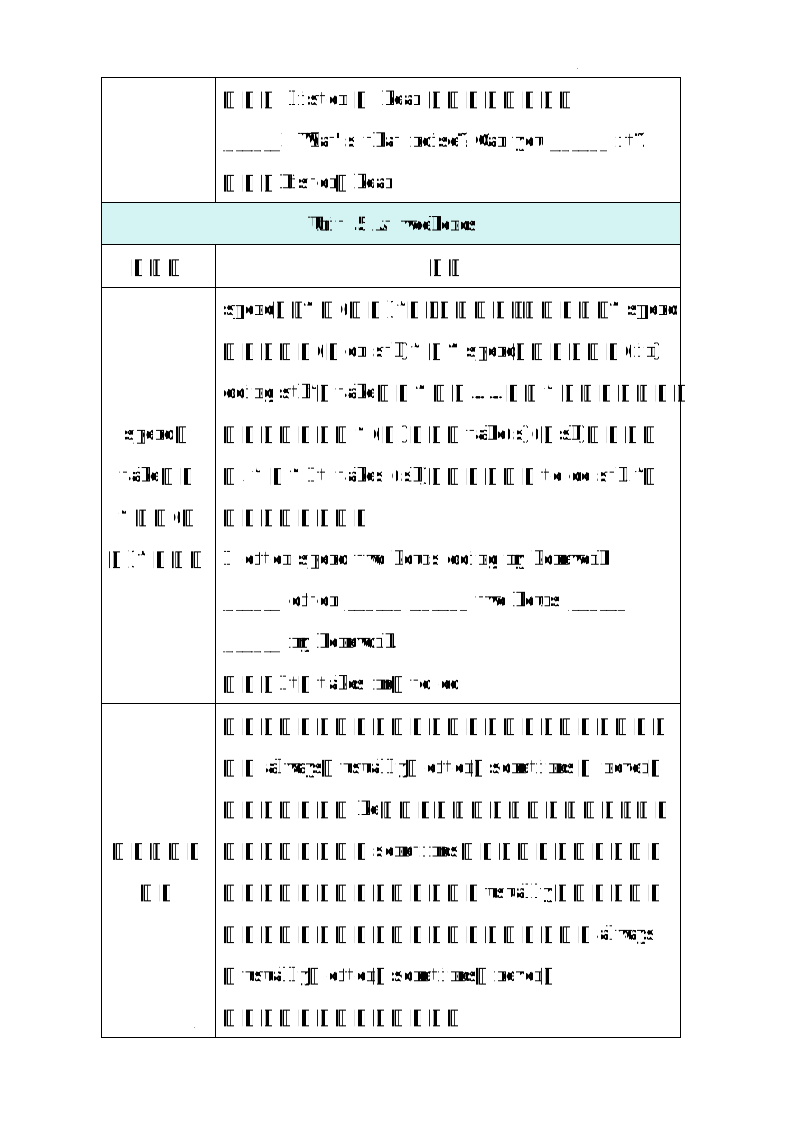
hear与listen的用法
hear意为“听见,听到”,常用作及物动词,侧重“听见”的结果,指声音被动传入耳朵,不需要刻意集中注意力;listen意为“听”,为不及物动词,侧重“听”的主动动作,指有意识地倾听,如果要表达听的对象,则要加上介词 to。
例:用 listen 或 hear 的适当形式填空。
______! What's that noise? Can you ______ it?
答案:Listen,hear
Unit 5 At weekends
易错点
分析
spend与take表示“花费(时间)”的用法
spend意为“花(时间)”时,主语为人,常用搭配为“spend+一段时间(+on sth)”和“spend+一段时间+(in) doing sth”;take意为“需要……时间”时,主语非人,常用句型结构为“(做)某事+take(s)(+sb)+一段时间.”和“It takes (sb)+一段时间+to do sth.”。
例:改为同义句。
I often spend two hours doing my homework. ______ often ______ ______ two hours ______ ______ my homework.
答案:It,takes me,to do
频率副词的用法
频率副词一般用来表示做某件事的频率。常用的频率副词有always,usually,often,sometimes和never。频率副词常用于be动词、助动词和情态动词之后,实义动词之前。其中,sometimes的位置较灵活,可以放在句中,也可以放在句首或句末;usually可以放在句中或句首。这几个副词按照频率从高到低排序:always>usually>often>sometimes>never。
例:根据中文提示完成句子。
1. 王兵通常在晚饭后看电视。 Wang Bing ______ ______ TV after dinner.
2. 他们总是这样忙碌。 They ______ ______ so busy.
答案:1. usually watches 2. are always
Unit 6 Getting along with others
易错点
分析
advice与advise的用法
advice意为“建议”,是不可数名词,表示“关于某事的建议”用固定搭配 advice on sth;advise意为“劝告;忠告;建议”,是动词,表示“建议某人(不要)做某事”用固定搭配 advise sb (not) to do sth。
例:单项选择。
( )—I have a test tomorrow. Can you give me some ______? —Sure. I advise you ______ go to bed late.
A. advice; to B. advice; not to C. advices; not to
答案:B
Unit 7 Shopping smart
易错点
分析
need的用法
need意为“需要,必需”,作实义动词时,其否定形式是根据主语的单复数在前面加上助动词 don't 或 doesn't,常用搭配为:need sth(需要某物),need to do sth(需要做某事);作情态动词时,主要用于否定句或疑问句中,否定形式为 need not(needn't),意为“不必”。
例:用所给词的适当形式填空。
Each of us ______ (need) ______ (spend) our pocket money wisely.
答案:needs,to spend
Unit 8 We love festivals!
易错点
分析
时间介词in,on,at的用法
in:①用于世纪、年、季节、月等较长的时间前;②泛指“在上午/下午/晚上”。on:①在具体的某一天前或具体某一天的上午/下午/晚上;②在星期几或含有 day 的节日名称前。at:①在具体的时刻前;②在含有 festival 的节日名称前;③表示“在中午/夜晚/午夜/周末”,表示“在周末”也可以用介词 on。
例:用介词 in,on 或 at 填空。
1. Children wake up very early ______ the morning of Christmas Day.
2. Birds sing happily in the trees ______ the early morning.
3. The meeting begins(开始) ______ 2:30 in the school hall.
答案:1. on 2. in 3. at
学科网(北京)股份有限公司
$
资源预览图

1

2
3
相关资源
示范课
由于学科网是一个信息分享及获取的平台,不确保部分用户上传资料的 来源及知识产权归属。如您发现相关资料侵犯您的合法权益,请联系学科网,我们核实后将及时进行处理。