九年级(上) Unit 3—Topic 2-【一战成名新中考】2026贵州中考英语(课标版)·二轮复习·词汇分层练优质PPT课件
2026-04-01
|
16页
|
50人阅读
|
0人下载
教辅

内容正文:
英语
1
2
第一部分 教材词汇分层练
九年级(上) Unit 3—Topic 2
3
1. _________(n.)陌生人
2. __________(conj.)无论何时,在任何……的时候
3. _______(v.)上(船、火车、飞机等);住宿
stranger
whenever
board
4. _______(n.)沉默;无声 (v.)使安静;压制
→ ______(adj.)不说话的;沉默的
★ __________ 沉默;无声
silence
silent
in silence
4
5. _______(v. & n.)表扬,赞扬
★ ____________ 赞扬
_________________________ 因(做)某事而表扬某人
praise
in praise of
praise sb. for (doing) sth.
6. _________(n.)研究,调查,探索 (v.)研究;调查
★ _________________ 做调查
research
do some research
7. _______(n.)秘密 (adj.)秘密的;保密的
★ ________________________ (做)某事的秘诀
secret
the secret to (doing) sth.
8. ________(n.)胜利
9. _________(adj.)负面的,消极的
victory
negative
5
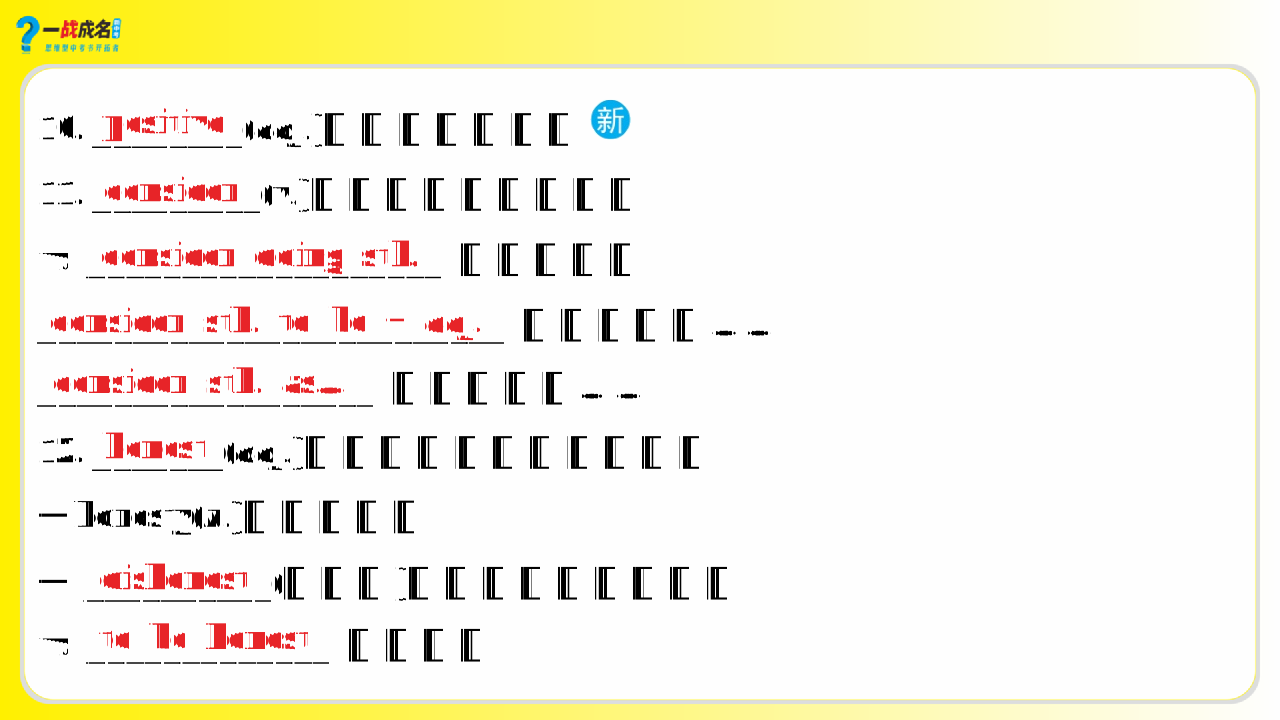
10. ________(adj.)正面的;乐观的
positive
11. _________(v.)认为,以为;考虑到
★ ___________________ 考虑做某事
_________________________ 认为某物是……
__________________ 认为某物是……
consider
consider doing sth.
consider sth. to be + adj.
consider sth. as…
12. _______(adj.)诚实的,老实的;坦率的
→honesty(n.)诚实;诚信
→ __________(反义词)不诚实的;不老实的
★ _____________ 说实在的
honest
dishonest
to be honest
6
13. ________(adj.)古代的;古老的
14. _________(n.)皇帝
ancient
emperor
15. _________(v.)比较,对比
★ __________________ 把……和……作比较
________________ 把……比作……
compare
compare… with…
compare… to…
16. ________(n.)勇气;胆略
courage
7
17. __________(n.)差别;差异
→ _________(adj.)不同的
→ ___________(adv.)不同地
★ __________________ 有影响;起作用
difference
different
differently
make a difference
18. ________(n.)错误,失误 (v.)误会,误解
★ ______________________________ 犯错误
____________ 错误地;无意中
mistake
make a mistake/make mistakes
by mistake
8
19. ______(n.)骄傲,自豪
→ _______(adj.)自豪的,骄傲的
★ _________________________ 为……感到自豪
pride
proud
take pride in/be proud of
20. ___________(v.)发音,读(音) [2025省一模76题]
21. ______________(n.)发音
22. _____(n.)分
pronounce
pronunciation
cent
9
1. __________ 为……送行;送别
2. _______________ 搭乘,搭车
3. _______________ 让某人搭便车
4. _______ 上车
5. __________________ 给某人发一封邮件
6. _________ 捡起;接电话
7. ____________ 冷静下来
8. _________________ 给某人回信
see… off
ask for a ride
give sb. a ride
get on
send sb. an email
pick up
calm down
write back to sb.
10
9. _______________ 肢体语言
10. __________________ 美式英语
11. ____________ 公交车站
12. _________________ 从一边到另一边
13. _________ 有时;间或
body language
American English
bus station
from side to side
at times
11
1.我叔叔打算明天下午来机场见我们。
My uncle ___ _________ us at the airport tomorrow afternoon.
is
meeting
2.史密斯一家要搬到北京。莉莉和汤姆打算去给他们送行。
The Smiths are going to move to Beijing. Lily and Tom are going to
____ them ____.
see
off
12
阅读下面短文,在空白处填入括号内单词的正确形式。
[人教九全Unit 3改编]When you visit a foreign country, it is
important to know how to ask for help politely. For example, you may
ask “Where are the restrooms?” or “Could you please tell me where the
restrooms are?” These are similar 1. _________ (request) for directions.
Both are correct, but the first one sounds 2. _____ (little) polite. That is
because it is a very direct question. It is not enough to just ask a
requests
less
13
question 3. _________ (correct). We also need to learn how to be polite
when we ask 4. __________ (stranger) for help.
Good speakers change the way they speak in 5. _________
(difference) situations. The expressions they use might depend on whom
they are speaking to or how well they know each other. It is all right to
ask your classmates direct questions because you know them well.
However, if you say to your teacher, “When is the school trip?”, this
might sound 6. _________ (polite). But if you say, “Excuse me, Mr. West.
correctly
strangers
different
impolite
Do you know when the school trip is?”, this will sound much more
polite.
Usually polite questions are 7. _______ (long). They include
expressions such as “Could you please…?” or “May I ask…?”
8. ___________ (compare) with “Peter, tell me your e-mail address”, it
sounds more polite to say, “Peter, could you please tell me your e-mail
address?” Sometimes we even need to spend time 9. ________ (lead) into
a request. For example, we might first say to a stranger, “Excuse me, I
longer
Compared
leading
wonder if you can help me” or “I'm sorry to trouble you, but…” before
asking for help.
It might seem more difficult 10. _________ (speak) politely than
directly. However, it is important to learn how to use the right language
in different situations. This will help you communicate better with other
people.#1.4
to speak
$
资源预览图

1

2

3

4

5
6

相关资源
示范课
由于学科网是一个信息分享及获取的平台,不确保部分用户上传资料的 来源及知识产权归属。如您发现相关资料侵犯您的合法权益,请联系学科网,我们核实后将及时进行处理。