Unit 2--第3课时 (内文)-【学导练】2026年八年级下册英语课件PPT(沪教版)
2026-03-13
|
23页
|
46人阅读
|
1人下载
教辅

内容正文:
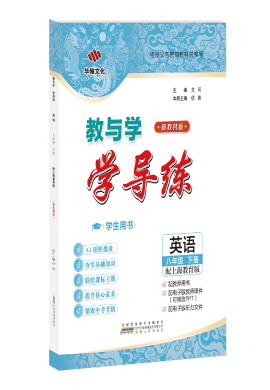
英语 八年级 下册 配上海教育版
返回目录
英语 八年级 下册 配上海教育版
Unit 2 Body language
返回目录
英语 八年级 下册 配上海教育版
第3课时 Grammar
返回目录
英语 八年级 下册 配上海教育版
目 录
CONTENTS
01
语法聚焦
02
课堂练习
返回目录
英语 八年级 下册 配上海教育版
一、动词-ing形式作主语和宾语
我们用动词-ing形式来表示动作或活动。动词-ing形式可以有自己的宾语,动词-ing形式还可以在句子中作主语或宾语。
1. 动词-ing形式的构成:
语法聚焦
构成方法 举 例
一般情况下,在动词词尾直接加-ing hold→holding, sigh→sighing
以不发音的e结尾的动词,去e加-ing dance→dancing, operate→operating
返回目录
英语 八年级 下册 配上海教育版
续表
构成方法 举 例
以一个辅音字母结尾的重读闭音节动词,双写末尾的辅音字母再加-ing begin→beginning, put→putting
以ie结尾的动词,改ie为y再加-ing lie→lying, tie→tying
返回目录
英语 八年级 下册 配上海教育版
续表
句子成分 用 法 举 例
宾语 在“decide / know / learn / remember等+疑问词+to do”结构中,“疑问词+to do”作宾语 Mary hasn't decided what to do next. 玛丽还没有决定下一步该做什么。
表语 主语是job / task / work / dream / wish / thing等, to do在be动词后作表语,通常用于说明主语的内容或性质等 My dream is to be an English teacher. 我的梦想是成为一名英语老师。
返回目录
英语 八年级 下册 配上海教育版
2. 动词-ing形式在句中作主语时,表示习惯性的动作,谓语动词用第三人称单数形式。如:
Smiling shows that you are happy. 微笑表明你很高兴。
Learning English is easy. 学英语很容易。
3. 动词-ing形式可作某些动词或介词的宾语。如:
Debbie enjoys smiling and always looks friendly. 戴比喜欢微笑,并且看起来总是很友好。
I look forward to going to Beijing. 我盼望去北京。
返回目录
英语 八年级 下册 配上海教育版
4. 动词-ing形式的搭配:
后接动词-ing形式
的动词 keep, finish, imagine, mind, enjoy, practise, suggest, spend (in), avoid, consider, miss等
后接动词-ing形式
的短语 be good at, feel like, can't help, give up, can't stand, keep on, pay attention to, be worried about, look forward to, be used to, be busy / worth, have difficulty / trouble / problems (in)等
后接动词-ing形式
的句型 It is no use / no good+动词-ing形式+其他.
It is a waste of time+动词-ing形式+其他.
What / How about+动词-ing形式+其他?
go+动词-ing形式 go boating / climbing / dancing / diving / fishing / hiking / hunting / swimming / skiing / skating / shopping等
返回目录
英语 八年级 下册 配上海教育版
【拓展】有些动词后面既可以接动词-ing形式,又可以接动词不定式,但是含义截然不同。如:
go on doing sth 继续做原来的事
go on to do sth (做完一件事)接着做另一件事
remember doing sth 记得做过某事
remember to do sth 记得要去做某事
forget doing sth 忘记做过了的事
forget to do sth 忘记要去做某事
stop doing sth 停止正在做的事
stop to do sth 停下来去做另一件事
try doing sth 尝试做某事
try to do sth 努力去做某事
返回目录
英语 八年级 下册 配上海教育版
二、动词-ing形式和动词-ed形式作形容词
动词-ing 形式和动词-ed形式都可以充当形容词,二者的核心区别在于主语或修饰对象不同。
比较项 含义及用法 举 例
动词-ing 形式 作形容词,意为“令人……的”,主语或修饰对象通常是事物或事件,描述其具有让人产生某种感受的特性 The movie is so exciting. 这部电影太令人兴奋了。
The book is interesting. 这本书很有趣。
返回目录
英语 八年级 下册 配上海教育版
续表
比较项 含义及用法 举 例
动词-ed 形式 作形容词,意为“感到……的”,主语或修饰对象通常是人,描述人自身的感受或状态 We are excited about the coming holiday. 我们对即将到来的假期感到兴奋。
I am interested in the book. 我对这本书感兴趣。
返回目录
英语 八年级 下册 配上海教育版
【拓展】常见的以-ing 结尾的形容词和以-ed 结尾的形容词
interested 感兴趣的 confused 困惑的
interesting 有趣的 confusing 令人困惑的
satisfied 满意的 relaxed 放松的
satisfying 令人满意的 relaxing 令人放松的
amazed 惊奇的 worried 担心的
amazing 令人惊奇的 worrying 令人担心的
bored 无聊的 disappointed 失望的
boring 令人生厌的 disappointing 令人失望的 tired 劳累的;疲倦的 surprised 惊讶的
tiring 令人困倦的 surprising 令人吃惊的
返回目录
英语 八年级 下册 配上海教育版
excited 激动的 embarrassed 尴尬的
exciting 令人兴奋的 embarrassing 令人尴尬的
moved 感动的
moving 令人感动的
返回目录
英语 八年级 下册 配上海教育版
课堂练习
一、用所给单词的适当形式填空
1. Keep ____________ (try) and you'll work out a perfect solution.
2. __________________ (not finish) his homework made his teacher angry.
3. Watching TV too much __________ (be) bad for your eyes.
4. You should give up ____________ (smoke). It's bad for your health.
5. It's no use ____________ (wait) for him. He said he wouldn't come.
trying
Not finishing
is
smoking
waiting
返回目录
英语 八年级 下册 配上海教育版
6. The trip to the amusement park was really ____________ (excite).
7. It's ____________ (surprise) that he finished the project in just one day.
8. My mother is ____________ (worry)about my exam results.
9. The hike up the mountain was ____________ (tire)but fun.
10. Listening to soft music is a ____________ (relax)way to spend the evening.
exciting
surprising
worried
tiring
relaxing
返回目录
英语 八年级 下册 配上海教育版
二、单项填空
( )1. —How do you improve your English listening skills?
—I spend about twenty minutes _____ English videos every day. (2025黑龙江龙东地区)
A. watch B. to watch C. watching
( )2. —There's an exhibition on the discoveries in Sanxingdui. Are you _____?
—Wonderful! I'll go with you. (2025四川乐山)
A. interest B. interesting C. interested
C
C
返回目录
英语 八年级 下册 配上海教育版
( )3. I get up very early in the morning, so I often feel _____ in the afternoon. (2025江苏无锡)
A. bored B. boring C. tired D. tiring
( )4. —Safety comes first! Everyone should stop the kids from _____ in the lake or river.
—You're right. Kids must remember _____ the safety rules. (原创题)
A. swim; to follow B. swim; following
C. swimming; following D. swimming; to follow
B
D
返回目录
英语 八年级 下册 配上海教育版
( )5. Having good manners _____ necessary in social communication. It helps us get along well with others. (原创题)
A. are B. is C. was D. were
B
返回目录
英语 八年级 下册 配上海教育版
三、语法填空
Do you want to speak with your body? Use body language! A “V” gesture shows happiness, victory or peace. 1. ____________(open) the mouth wide shows surprise. This is body language.
2. ____________ you speak with others, body language is important. Scientists say we do 65 per cent of 3. ________ (we) communication with body language. 4. ____________ example, when you make a face, people think you are
Opening
When
our
For
返回目录
英语 八年级 下册 配上海教育版
naughty or shy. Frowning (皱眉) shows you are 5. ____________ (anger). Sometimes, your words say one thing, but your body language 6. ____________ (say) another thing.
In different cultures, the same body language may have different 7. ____________(mean). Nodding your head in most countries means “yes”. 8. ____________ in some parts of Greece and Turkey, it means “no”.
Different body language can also mean the same thing.
angry
says
meanings
But
返回目录
英语 八年级 下册 配上海教育版
Take “hello” for example. French like to kiss cheeks (脸颊) 9. ____________(say) “hello”. But Japanese bow. Maoris in New Zealand touch their noses with each other when they meet. How 10. __________________ (interest) body language is!
to say
interesting
返回目录
英语 八年级 下册 配上海教育版
THANKS!
返回目录
英语 八年级 下册 配上海教育版
$
资源预览图

1

2

3

4

5

6
相关资源
示范课
由于学科网是一个信息分享及获取的平台,不确保部分用户上传资料的 来源及知识产权归属。如您发现相关资料侵犯您的合法权益,请联系学科网,我们核实后将及时进行处理。