Unit 5 What a Delicious Meal 知识清单2025-2026学年人教版八年级英语上册
2026-01-28
|
6页
|
228人阅读
|
4人下载
普通
资源信息
| 学段 | 初中 |
|---|---|
| 学科 | 英语 |
| 教材版本 | 初中英语人教版八年级上册 |
| 年级 | 八年级 |
| 章节 | Unit 5 What a Delicious Meal! |
| 类型 | 学案-知识清单 |
| 知识点 | - |
| 使用场景 | 同步教学-单元练习 |
| 学年 | 2025-2026 |
| 地区(省份) | 陕西省 |
| 地区(市) | - |
| 地区(区县) | - |
| 文件格式 | DOCX |
| 文件大小 | 36 KB |
| 发布时间 | 2026-01-28 |
| 更新时间 | 2026-01-28 |
| 作者 | xkw_059406787 |
| 品牌系列 | - |
| 审核时间 | 2026-01-28 |
| 下载链接 | https://m.zxxk.com/soft/56191190.html |
| 价格 | 0.50储值(1储值=1元) |
| 来源 | 学科网 |
内容正文:
Unit 5 What a Delicious Meal! 知识清单
一、核心词汇(分主题整理)
1. 食物与菜肴名称
英文
中文
英文
中文
meal
一餐,一顿饭
fried rice
炒饭
delicious/tasty
美味的
chicken
鸡肉;鸡
noodle(s)
面条
beef
牛肉
dumpling
饺子
pork
猪肉
pancake
煎饼,薄饼
vegetable
蔬菜
soup
汤
fruit
水果
sandwich
三明治
dessert
甜点
salad
沙拉
2. 味道与口感描述
英文
中文
反义词/对比
sweet
甜的
sour (酸的)
salty
咸的
bland (淡的)
spicy/hot
辣的
mild (微辣的)
fresh
新鲜的
stale (不新鲜的)
crispy
脆的
soft (软的)
soft/tender
软的,嫩的
tough (硬的,难嚼的)
bitter
苦的
3. 烹饪方式与状态
英文
中文
常见搭配
fry
煎,炸
fried eggs 煎蛋
boil
煮
boiled water 开水
steam
蒸
steamed fish 清蒸鱼
bake
烤(烤箱)
baked bread 烤面包
roast
烤(肉)
roast duck 烤鸭
raw
生的
raw vegetables 生蔬菜
cooked
熟的
cooked food 熟食
4. 餐具与用餐相关
英文
中文
备注
bowl
碗
a bowl of rice
plate
盘子
a plate of dumplings
chopsticks
筷子
通常复数
fork
叉子
knife and fork
spoon
勺子
soup spoon
menu
菜单
look at the menu
order
点餐
v./n.
bill
账单
5. 评价与感受
英文
中文
smell good
闻起来香
taste delicious
尝起来美味
look nice/appealing
看起来不错/诱人
sound interesting
听起来有趣
favorite
最喜爱的
prefer
更喜欢
be full
饱了
be hungry
饿了
三、重点句型与功能表达
1. 询问与描述食物
What’s your favorite food?(你最喜欢的食物是什么?)
答:My favorite food is hotpot.
What does it taste like?(它尝起来什么味道?)
答:It tastes a little spicy and very delicious.
How does it smell/look?(它闻起来/看起来怎么样?)
答:It smells great! / It looks so crispy.
2. 表达偏好与选择
I prefer noodles to rice.(比起米饭,我更喜欢面条。)
I like beef better than pork.(我喜欢牛肉胜过猪肉。)
I’d rather have soup than salad.(我宁愿喝汤也不要沙拉。)
My favorite is…(我最喜欢的是……)
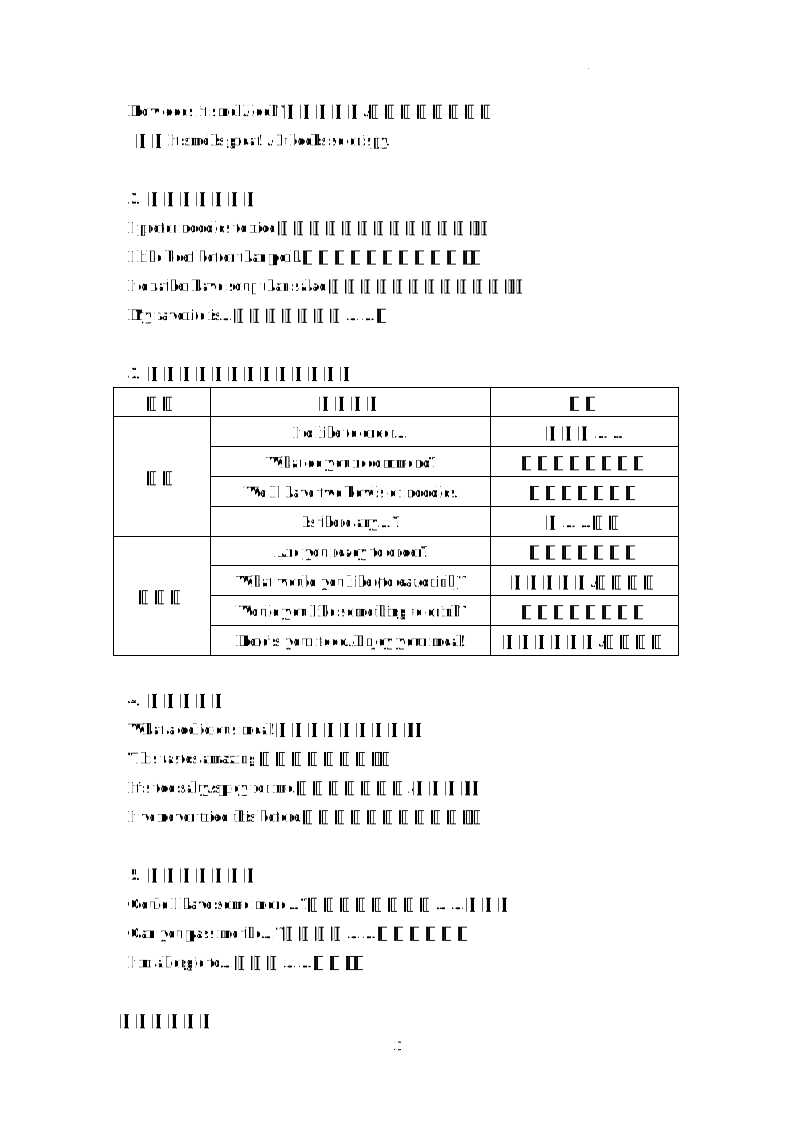
3. 在餐厅点餐(核心情景对话)
角色
常用句型
中文
顾客
I’d like to order…
我想点……
What do you recommend?
你有什么推荐吗?
We’ll have two bowls of noodles.
我们要两碗面。
Is there any…?
有……吗?
服务员
Are you ready to order?
可以点餐了吗?
What would you like (to eat/drink)?
您想吃什么/喝什么?
Would you like something to drink?
需要喝点什么吗?
Here’s your food./Enjoy your meal!
您的餐好了。/请慢用!
4. 评价与反应
What a delicious meal!(多美味的一餐啊!)
This tastes amazing!(这个太美味了!)
It’s too salty/spicy for me.(对我来说太咸/太辣了。)
I’ve never tried this before.(我以前从未尝过这个。)
5. 询问与表达需求
Could I have some more…?(我可以再要一些……吗?)
Can you pass me the…?(你能把……递给我吗?)
I’m allergic to…(我对……过敏。)
四、语法精讲
1. 可数名词与不可数名词(本单元重点深化)
可数名词(Countable Nouns):
有单复数变化:a dumpling → two dumplings
前可加a/an、具体数字或many/few修饰
不可数名词(Uncountable Nouns):
无复数形式:beef, rice, water, bread
前不可加a/an或具体数字
可用some、any、much、little修饰
计量表达(如何量化不可数名词):
a bowl of rice(一碗米饭)
two cups of tea(两杯茶)
three pieces of bread(三片面包)
a bottle of milk(一瓶牛奶)
易混淆词:
chicken:作“鸡肉”不可数;作“鸡”可数
salad:通常作不可数;指“一份沙拉”时可数
2. 感官动词
五大感官动词: look(看起来)、sound(听起来)、smell(闻起来)、taste(尝起来)、feel(摸起来)
用法特点:
①后接形容词作表语,描述主语特征:
The soup smells delicious.(汤闻起来很香。)
The noodles taste a little salty.(面条尝起来有点咸。)
②不可用副词修饰这些感官动词本身(不说The soup smells deliciously)。
③与实义动词区别:
He is tasting the soup.(实义动词,品尝动作)
The soup tastes good.(感官动词,尝起来的特征)
3. 感叹句(Exclamatory Sentences)
What 引导的感叹句:
What + (a/an) + 形容词 + 名词 + (主语 + 谓语)!
What a delicious meal (it is)!(多美味的一餐啊!)
What spicy food (you make)!(你做的食物真辣!)
注意: 名词为不可数或复数时,不用冠词a/an。
How 引导的感叹句:
How + 形容词/副词 + (主语 + 谓语)!
How delicious the meal is!(这餐多美味啊!)
五、课本重点情景与语篇分析
Section A 典型对话(点餐情景):
Waitress: Are you ready to order?
Customer: Yes. I’d like a bowl of beef noodles.
Waitress: Would you like something to drink?
Customer: Some green tea, please.
Waitress: OK. Wait a moment, please.
Section B 阅读重点:
主题句识别: “Food brings people together.”
文化理解: 不同国家的特色食物(如中国的饺子、意大利的披萨)
细节理解: 食物的制作过程或特别之处
六、易错点与学习提醒
1. “a bowl of noodles”的谓语动词:
核心名词是bowl(可数),所以谓语用单数:Here is a bowl of noodles for you.
如果强调内容物,口语中也可能用复数,但正式用法跟核心名词走。
2. prefer的搭配:
prefer A to B(A和B为同类名词或动名词):I prefer tea to coffee.
prefer to do sth:I prefer to drink tea.
没有prefer than的用法。
3. “尝起来”的主动与被动:
I taste the soup.(我尝汤。— 主动)
The soup tastes good.(汤尝起来不错。— 系表结构,表状态)
4. some与any在点餐中的使用:
点餐时常用some表示希望得到肯定回答:
Could I have some soup?(比用any更自然礼貌)
1
学科网(北京)股份有限公司
$
资源预览图

1

2
3

相关资源
由于学科网是一个信息分享及获取的平台,不确保部分用户上传资料的 来源及知识产权归属。如您发现相关资料侵犯您的合法权益,请联系学科网,我们核实后将及时进行处理。