05 第一部分 七年级(上)Unit 5-【练客中考】2026年新疆新中考英语教材词汇攻关PPT
2026-02-01
|
20页
|
22人阅读
|
0人下载
教辅

摘要:
该初中英语课件聚焦教材基础词汇与中考核心考点,严格对接中考说明要求,系统梳理七年级(上)Unit 5核心词汇及拓展用法,重点覆盖语法填空、短文填空等常考题型,通过词汇默写、词性转换等模块强化考点训练,体现备考的针对性和实用性。
课件亮点在于融合中考真题实例与教材语篇改编,如2023河南真题例句解析“play”的多义用法,语法填空微语篇改编自教材原文,助力学生提升语言能力和思维品质。通过词汇拓展、短语句型归纳等方法,帮助学生掌握考点突破技巧,教师可依托此资料高效规划复习,提升学生应试得分率。
内容正文:
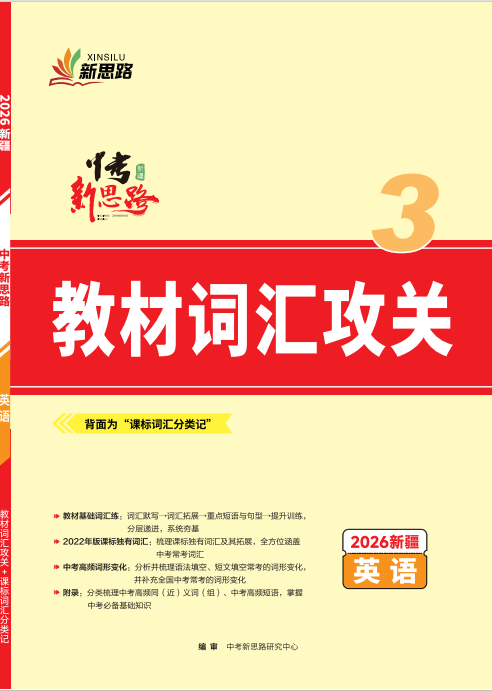
《教材词汇攻关》
英语
1
第一部分 教材基础词汇练
七年级(上)Unit 5
2
01
基础自测
02
提升训练
3
(攻克核心词汇)
1. ______ v. 有;经受;经历
(七上Unit 2)
have
2. _______ n. 网球
tennis
3. _____ n. 球;舞会
ball
4. __________ n. 乒乓球
. .
ping-pong
5. _____ n. 球棒;球拍;蝙蝠
. .
bat
6. _______ n. 足球运动
soccer
7. __________ n. 排球
volleyball
8. ___________ n. 篮球
basketball
4
9. _____ v. (have的第三人称单数
形式)有
has
10. ______ adj. 美妙的;伟大的;
巨大的;超乎寻常的
great
11. _______ v. 听起来好像 n. 声音
sound
12. ___________ adj. 有趣的
interesting
13. _______ adj. 没趣的;令人厌倦
的
boring
14. _________ adj. 轻松的;令人放
松的
relaxing
15. _____(= __________)n. 电视;
电视机
TV
television
5
16. ______ adj. 相同的
短语: _____________ 和……相同;与……一致
same
the same as
17. ______ n. 体育运动
18. _____ adv. 只;仅
19. _____ v. 喜欢;喜爱 prep. 像;怎么样(七下Unit 3)
20. ______ prep. & conj. 在……以后
21. ______ n. 班级;课;阶级;种类;类别;等级
22. __________ n. 同班同学
sport
only
like
after
class
classmate
6
(针对语法填空和短文填空题型)
动词
1.do (aux v. & v.)用于构成否定句
和疑问句;做;干
→ ______(第三人称单数形式)
→ _____(过去式)
→ ______(过去分词)
does
did
done
2.let (v.)允许;让
→ ____(过去式/过去分词)
→ _______(现在分词)
短语: ___________ 使……失望
搭配: ______________ 让某人做某
事
let
letting
let…down
let sb. do sth.
7
3.go (v.)去;走
→ _____(第三人称单数形式)
→ ______(过去式)
→ ______(过去分词)
短语: _________ (仔细)检查;温习
________ 外出(娱乐)
_______ (闹钟)发出响声
_______ (时间)逝去;过去
goes
went
gone
go over
go out
go off
go by
8
4.get (v.)去取(或带来);得到;变得;成为
→ ____(过去式)[2025.93]
→ __________(过去分词)
→ ________(现在分词)
短语: ________ 起床;站起
_______ 到达
________ 下车
_________ 陷入;参与
___________ 离开;从……出来
______________________ 与……和睦相处/关系良好
got
got/gotten
getting
get up
get to
get off
get into
get out of
get on/along well with
9
形容词
5.late (adj.)迟到;迟(的),晚(的)
→ ______(反义词)早的
短语: ___________ 迟到
early
be late for
6.difficult (adj.)困难的[2024.65]
→ __________(n.)困难;难题
搭配: ___________________ 在……方面有困难
difficulty
have difficulty in…
7.easy (adj.)容易的;不费力的;随和的;平易近人的
→ ______(adv.)容易地
easily
10
介词
8.with (prep.)和……在一起;带有;使用
→ ________(反义词)没有;不(做某事)
without
11
兼类词
9.play (v.)参加(比赛或运动);玩耍;弹奏
→ _______(n.)播放机;运动员;游戏者;参赛选手
短语: ____________ 发挥作用;有影响
_______________ 弹钢琴
____________ 参与;发挥作用
搭配: ______________ 与某人一起玩耍
player
play a role
play the piano
play a part
play with sb.
12
________________________________
(v.)播放 (n.)剧本
例句:①Play the last few minutes of the video again.(播放)
②In the late 1500s and early 1600s, Shakespeare wrote plays that became famous all over the world.(剧本)[2023 河南]
13
10.fun (adj.)有趣的;使人快乐的 (n.)乐趣;快乐
→ _______(adj.)奇怪的;滑稽好笑的
funny
11.watch (v.)注视;观看;当心;留意
(n.)表;手表(七上Unit 3)
→ _________(第三人称单数形式)
短语: ___________ 注意;小心
watches
watch out
12.love (v. & n.)爱;喜爱
→ _______(adj.)可爱的;令人愉快的;有吸引力的
短语: ____________ 爱上;喜欢上
lovely
fall in love
14
1. ___________ 足球
2. ___________ 让我们(一起)
3. ___________ 看电视
4. _______________________ 那听起来很有趣!
soccer ball
let’s/let us
watch TV
That sounds interesting!
15
Ⅰ.短文填空基础题
difficulty interesting have easy get
1.A picnic is a chance to ______ a pleasant experience with family and
friends.
2.Learn to express your opinions honestly, and you will find it _____ to
make some friends.
have
easy
16
difficulty interesting have easy get
3.Betty will keep on learning maths though she has __________ with it.
4.The movie was so ___________ that both Jack and his sister wanted to
watch it.
5.Sue ____ a nice book from her dad and read it to the kids in the park.
difficulty
interesting
got
17
Ⅱ.语法填空微语篇
【改编自人教教材七(上) Unit 5 Section B 2b】
Frank Brown doesn’t have a soccer ball, but his brother Alan 1.
______(do). They go to the same school and are both crazy 2.
_______ soccer. Every afternoon, they play it at school with their 3.
___________(classmate), laughing and running around.#1.1
does
about
classmates
18
Gina Smith has two soccer balls, three volleyballs, four basketballs,
and five baseballs with bats. She’s crazy about sports but just prefers to
4. _______(watch) games on TV.
Wang Wei doesn’t have a soccer ball. He thinks soccer is too hard
5. ___ play well. Instead, he loves ping-pong because it is easy and fun
to 6. _____(he). After class, he always plays ping-pong with his
friends.#1.3
watch
to
him
19
20
$
资源预览图

1

2

3

4

5

6
相关资源
示范课
由于学科网是一个信息分享及获取的平台,不确保部分用户上传资料的 来源及知识产权归属。如您发现相关资料侵犯您的合法权益,请联系学科网,我们核实后将及时进行处理。