Unit 2 No Rules, No Order 寒假预习讲义-2025-2026学年人教版七年级下册
2026-01-06
|
8页
|
674人阅读
|
20人下载
普通
资源信息
| 学段 | 初中 |
|---|---|
| 学科 | 英语 |
| 教材版本 | 初中英语人教版七年级下册 |
| 年级 | 七年级 |
| 章节 | Unit 2 No Rules, No Order |
| 类型 | 教案-讲义 |
| 知识点 | - |
| 使用场景 | 寒暑假-寒假 |
| 学年 | 2026-2027 |
| 地区(省份) | 全国 |
| 地区(市) | - |
| 地区(区县) | - |
| 文件格式 | DOCX |
| 文件大小 | 38 KB |
| 发布时间 | 2026-01-06 |
| 更新时间 | 2026-01-06 |
| 作者 | xkw_054162978 |
| 品牌系列 | - |
| 审核时间 | 2026-01-06 |
| 下载链接 | https://m.zxxk.com/soft/55826692.html |
| 价格 | 0.50储值(1储值=1元) |
| 来源 | 学科网 |
内容正文:
人教版七年级下册 Unit 2 No Rules, No Order 寒假预习讲义
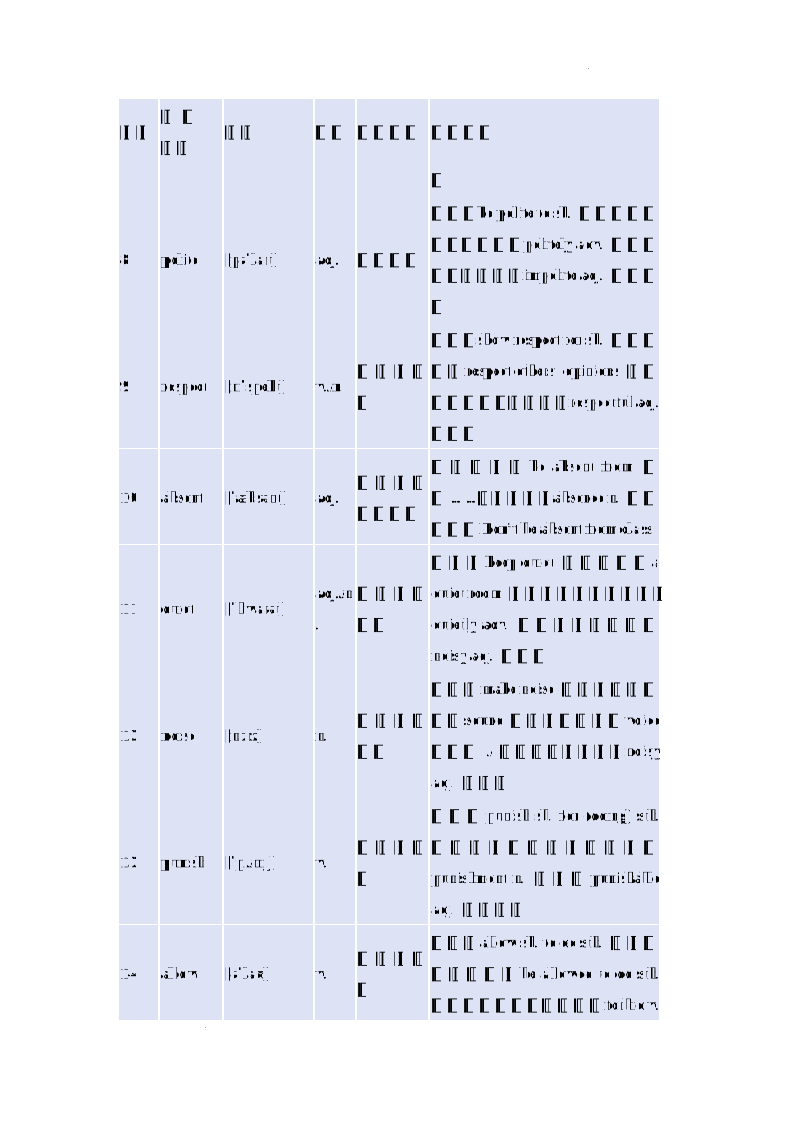
Unit 2 核心词汇表
序号
单词 / 短语
音标
词性
中文释义
拓展延伸
1
rule
[ruːl]
n./v.
规则;规章;统治
常见搭配:school rules 校规、traffic rules 交通规则、follow the rules 遵守规则;派生词:ruler n. 尺子;统治者
2
order
[ˈɔːdə(r)]
n./v.
秩序;命令;点菜
名词搭配:keep order 维持秩序、in order 有序;动词搭配:take one’s order 为某人点菜、place an order 下订单
3
follow
[ˈfɒləʊ]
v.
遵循;跟随
固定搭配:follow the rules 遵守规则、follow sb. 跟随某人;反义词:break v. 违反;ignore v. 忽视
4
arrive
[əˈraɪv]
v.
到达
搭配:arrive in + 大地点(城市 / 国家)、arrive at + 小地点(车站 / 学校);同义短语:get to/reach sp.
5
on time
[ɒn taɪm]
短语
准时
区别:in time 及时(强调赶在截止前);例句:We must arrive at school on time.
6
uniform
[ˈjuːnɪfɔːm]
n./adj.
校服;制服;统一的
搭配:wear a school uniform 穿校服、in uniform 穿着制服;复数:uniforms
7
litter
[ˈlɪtə(r)]
v./n.
乱扔;垃圾
动词搭配:litter everywhere 到处乱扔;名词用法:a lot of litter 许多垃圾;派生词:litterbin n. 垃圾桶
8
polite
[pəˈlaɪt]
adj.
有礼貌的
搭配:be polite to sb. 对某人有礼貌;派生词:politely adv. 有礼貌地;反义词:impolite adj. 不礼貌的
9
respect
[rɪˈspekt]
v./n.
尊敬;尊重
搭配:show respect for sb. 尊敬某人、respect others’ opinions 尊重他人观点;派生词:respectful adj. 恭敬的
10
absent
[ˈæbsənt]
adj.
缺席的;不在场的
固定搭配:be absent from 缺席……;派生词:absence n. 缺席;例句:Don’t be absent from class.
11
quiet
[ˈkwaɪət]
adj./n.
安静的;安静
搭配:keep quiet 保持安静、a quiet room 安静的房间;派生词:quietly adv. 安静地;反义词:noisy adj. 吵闹的
12
noise
[nɔɪz]
n.
噪音;喧闹声
搭配:make noise 制造噪音;区别:sound 泛指一切声音、voice 指人声 / 鸟鸣声;派生词:noisy adj. 吵闹的
13
punish
[ˈpʌnɪʃ]
v.
惩罚;处罚
搭配:punish sb. for (doing) sth. 因某事惩罚某人;派生词:punishment n. 惩罚、punishable adj. 可处罚的
14
allow
[əˈlaʊ]
v.
允许;准许
搭配:allow sb. to do sth. 允许某人做某事、be allowed to do sth. 被允许做某事;反义词:forbid v. 禁止
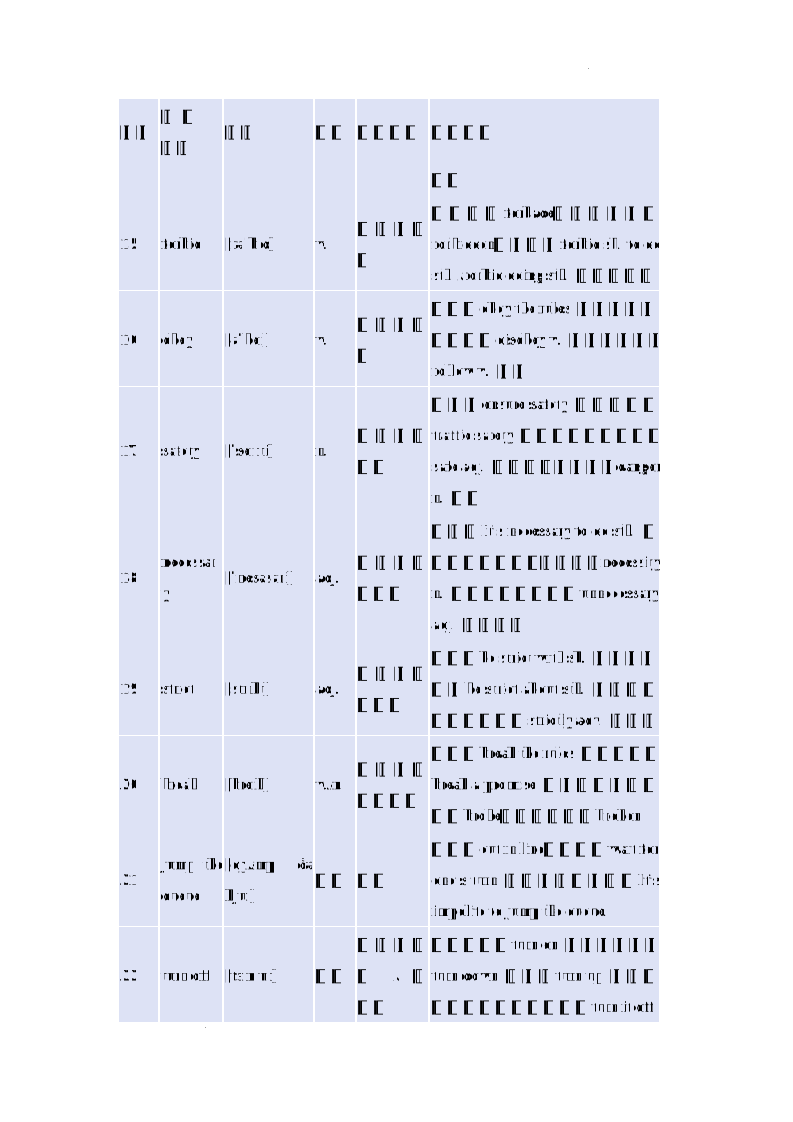
15
forbid
[fəˈbɪd]
v.
禁止;不许
过去式:forbade;过去分词:forbidden;搭配:forbid sb. to do sth. /forbid doing sth. 禁止做某事
16
obey
[əˈbeɪ]
v.
服从;遵守
搭配:obey the rules 遵守规则;反义词:disobey v. 违抗;近义:follow v. 遵循
17
safety
[ˈseɪfti]
n.
安全;安全性
搭配:ensure safety 确保安全、traffic safety 交通安全;派生词:safe adj. 安全的;反义词:danger n. 危险
18
necessary
[ˈnesəsəri]
adj.
必要的;必需的
搭配:It’s necessary to do sth. 做某事是必要的;派生词:necessity n. 必要性;反义词:unnecessary adj. 不必要的
19
strict
[strɪkt]
adj.
严格的;严厉的
搭配:be strict with sb. 对某人严格、be strict about sth. 对某事严格;派生词:strictly adv. 严格地
20
break
[breɪk]
v./n.
违反;打破;休息
搭配:break the rules 违反规则、break a promise 违背承诺;过去式:broke;过去分词:broken
21
jump the queue
[dʒʌmp ðə kjuː]
短语
插队
同义:cut in line;反义:wait for one’s turn 排队等候;例句:It’s impolite to jump the queue.
22
turn off
[tɜːn ɒf]
短语
关闭(电器 / 设备)
反义短语:turn on 打开;拓展:turn down 调小、turn up 调大;宾语为代词时放中间:turn it off
23
treat
[triːt]
v./n.
对待;招待;款待
搭配:treat sb. well 善待某人、treat sb. to sth. 用某物招待某人;派生词:treatment n. 治疗;对待
24
weekday
[ˈwiːkdeɪ]
n.
工作日(周一至周五)
搭配:on weekdays 在工作日;反义:weekend n. 周末;复数:weekdays
25
focus
[ˈfəʊkəs]
v./n.
集中(注意力);焦点
搭配:focus on doing sth. 集中精力做某事、the focus of attention 注意力焦点;现在分词:focusing
26
apologize
[əˈpɒlədʒaɪz]
v.
道歉;认错
搭配:apologize to sb. for sth. 因某事向某人道歉;派生词:apology n. 道歉(make an apology 道歉)
27
mistake
[mɪˈsteɪk]
n./v.
错误;误解
搭配:make a mistake 犯错误、learn from mistakes 从错误中学习;派生词:mistaken adj. 错误的
28
keep...clean
[kiːp kliːn]
短语
保持…… 干净
拓展:keep...tidy 保持…… 整洁、keep...quiet 保持…… 安静;例句:We must keep the classroom clean.
29
be late for
[bi leɪt fɔː(r)]
短语
迟到
搭配:be late for school/class 上学 / 上课迟到;反义:arrive on time 准时到达
30
in the hallway
[ɪn ðə ˈhɔːlweɪ]
短语
在走廊里
相关搭配:in the classroom 在教室里、in the library 在图书馆里;hallway n. 走廊
31
take care of
[teɪk keə ɒv]
短语
照顾;照料
同义短语:look after;搭配:take care of sb./sth. 照顾某人 / 某物;例句:Take care of your own things.
练习部分
Part 1 词形转换
1. rule n. → v. ________(统治);n. ________(尺子)
2. polite adj. → adv. ________(有礼貌地);adj. ________(不礼貌的)
3. respect v./n. → adj. ________(恭敬的)
4. absent adj. → n. ________(缺席)
5. quiet adj. → adv. ________(安静地);n. ________(安静)
6. noise n. → adj. ________(吵闹的)
7. punish v. → n. ________(惩罚);adj. ________(可处罚的)
8. allow v. → adj. ________(被允许的);n. ________(津贴)
9. forbid v. → 过去式 ________;过去分词 ________
10. apologize v. → n. ________(道歉)
Part 2 用词汇的正确形式填空
1. Students must ________ (follow) the school rules to keep order.
2. Don’t ________ (litter) everywhere. It’s not polite to make our city dirty.
3. We should be ________ (polite) to the elderly and show them respect.
4. If you are late for class, you should ________ (apologize) to your teacher.
5. The school ________ (forbid) students to use mobile phones in class.
6. He was ________ (punish) for breaking the traffic rules yesterday.
7. It’s necessary for us ________ (arrive) at the meeting on time.
8. You are not ________ (allow) to go out alone at night without your parents’ permission.
9. Please keep ________ (quiet) in the library. Everyone is reading carefully.
10. She is often ________ (absent) from school because of illness.
11. The teacher is very ________ (strict) with us, but we all like her.
12. Don’t jump the queue. You must wait for your ________ (turn).
13. We should focus on ________ (study) instead of playing games in class.
14. My parents always tell me to treat others ________ (kind) and fairly.
15. Making too much ________ (noise) in public places is impolite.
16. He made a big ________ (mistake) and promised not to do it again.
17. We must ________ (obey) traffic rules to ensure our ________ (safe).
18. The students have to wear ________ (uniform) on weekdays.
19. She ________ (apologize) to me for her rudeness just now.
20. It’s important ________ (keep) our classroom clean and tidy.
Part 3 语法填空
Rules are important in our daily life. They help us keep order and stay ________ (safe). Without rules, everything would be in a mess.At school, we have many rules. We must ________ (arrive) on time and we can’t be absent from class. We should listen to teachers carefully and avoid ________ (make) noise in class. The school forbids us ________ (run) in the hallway or litter everywhere. We have to wear school uniforms on ________ (weekday) and keep our classroom clean.At home, our parents make rules to help us develop good habits. We should finish our homework first before playing games. We need to ________ (help) with housework, like making the bed or washing dishes.In public places, there are also rules to follow. We mustn’t jump the queue when shopping. We should be polite to ________ (other) and speak quietly in libraries. It’s our duty to follow traffic rules, such as not running red lights.Rules protect us and make our life better. ________ we follow the rules, we can live in a peaceful and orderly world. Let’s remember: No rules, no order. Everyone should do ________ (they) part to obey rules.
【答案】
Part 1 词形转换答案
1.rule;ruler 2. politely;impolite 3. respectful 4. absence 5. quietly;quiet
6.noisy 7. punishment;punishable 8. allowed;allowance 9. forbade;forbidden 10. apology
Part 2 用词汇的正确形式填空答案与解析
1. follow (情态动词 must 后接动词原形)
2. litter (don’t 后接动词原形,“乱扔垃圾”)
3. polite (be polite to sb. 固定搭配,“对某人有礼貌”)
4. apologize (情态动词 should 后接动词原形,“道歉”)
5. forbids (主语 the school 为单数,一般现在时谓语动词用第三人称单数)
6. punished (被动语态结构:be + 过去分词,“被惩罚”)
7. to arrive (It’s necessary for sb. to do sth. 固定句型,“做某事对某人来说有必要”)
8. allowed (be allowed to do sth. 固定搭配,“被允许做某事”)
9. quiet (keep + 形容词,“保持安静”)
10. absent (be absent from 固定搭配,“缺席……”)
11. strict (be strict with sb. 固定搭配,“对某人严格”)
12. turn (wait for one’s turn 固定短语,“等候轮到自己”)
13. studying (focus on doing sth. 固定搭配,“集中精力做某事”)
14. kindly (副词修饰动词 treat,“友善地对待”)
15. noise (make noise 固定短语,“制造噪音”,noise 为不可数名词)
16. mistake (make a mistake 固定短语,“犯错误”)
17. obey;safety (第一空情态动词 must 后接动词原形;第二空形容词性物主代词 our 后接名词)
18. uniforms (uniform 为可数名词,此处用复数表泛指 “校服”)
19. apologized (由 just now 可知用一般过去时,apologize 的过去式为 apologized)
20. to keep (It’s important to do sth. 固定句型,“做某事很重要”)
Part 3 语法填空答案与解析
1. safe (stay + 形容词,“保持安全”)
2. arrive (情态动词 must 后接动词原形)
3. making (avoid doing sth. 固定搭配,“避免做某事”)
4. to run (forbid sb. to do sth. 固定搭配,“禁止某人做某事”)
5. weekdays (on weekdays 固定短语,“在工作日”,用复数形式)
6. help (need to do sth. 固定搭配,“需要做某事”,to 后接动词原形)
7. others (代词 others 泛指 “其他人”)
8. If (引导条件状语从句,“如果我们遵守规则”)
9. their (do one’s part 固定短语,“尽自己的职责”,用形容词性物主代词 their)
核心语法点拨
1.本单元核心语法为祈使句和情态动词(can, must, have to),辅助语法为动词固定搭配:
祈使句:
肯定形式:直接用动词原形开头(原形 + 其他),表命令、请求或建议。例:Follow the rules.(遵守规则。)
否定形式:Don’t + 动词原形(Don’t + 原形 + 其他)。例:Don’t litter everywhere.(不要到处乱扔垃圾。)
情态动词用法区别:
must:表主观 “必须”,强调义务,否定式 mustn’t 表 “禁止”。例:We must obey traffic rules.(我们必须遵守交通规则。)
have to:表客观 “不得不”,强调外界要求,否定式 don’t have to 表 “不必”。例:I have to finish homework first.(我不得不先完成作业。)
can:表 “可以”(允许)或 “能”(能力),否定式 can’t 表 “不可以” 或 “不能”。例:You can’t use mobile phones in class.(你不能在课堂上用手机。)
动词固定搭配:
后接 doing sth.:avoid doing、focus on doing、forbid doing
后接 to do sth.:allow sb. to do、It’s necessary to do、need to do
学科网(北京)股份有限公司
$
资源预览图

1
2
3

相关资源
由于学科网是一个信息分享及获取的平台,不确保部分用户上传资料的 来源及知识产权归属。如您发现相关资料侵犯您的合法权益,请联系学科网,我们核实后将及时进行处理。