Unit 1单词系统讲解表 2025-2026学年人教版七年级英语上册
2026-01-04
|
12页
|
210人阅读
|
0人下载
普通
资源信息
| 学段 | 初中 |
|---|---|
| 学科 | 英语 |
| 教材版本 | 初中英语人教版七年级上册 |
| 年级 | 七年级 |
| 章节 | Unit 1 You and Me |
| 类型 | 教案-讲义 |
| 知识点 | - |
| 使用场景 | 同步教学-单元练习 |
| 学年 | 2025-2026 |
| 地区(省份) | 全国 |
| 地区(市) | - |
| 地区(区县) | - |
| 文件格式 | DOCX |
| 文件大小 | 52 KB |
| 发布时间 | 2026-01-04 |
| 更新时间 | 2026-01-04 |
| 作者 | 课堂干货铺(关注我,主页搜资料,初中英语各版本,不定时更新) |
| 品牌系列 | - |
| 审核时间 | 2026-01-04 |
| 下载链接 | https://m.zxxk.com/soft/55770556.html |
| 价格 | 0.50储值(1储值=1元) |
| 来源 | 学科网 |
摘要:
该初中英语单元复习讲义通过表格系统梳理了Unit 1核心词汇知识体系,将单词、核心搭配、重点考点及经典例句整合呈现,清晰展示词汇用法、语法要点及语境应用,帮助学生构建完整的词汇知识脉络。
讲义亮点在于考点解析的针对性,如辨析job与work的用法差异,明确make作使役动词的用法规则,结合经典例句强化语境理解,培养语言运用和逻辑思维能力。基础学生可掌握搭配与句型,优秀学生能深入考点辨析,为教师实施分层教学提供清晰依据。
内容正文:
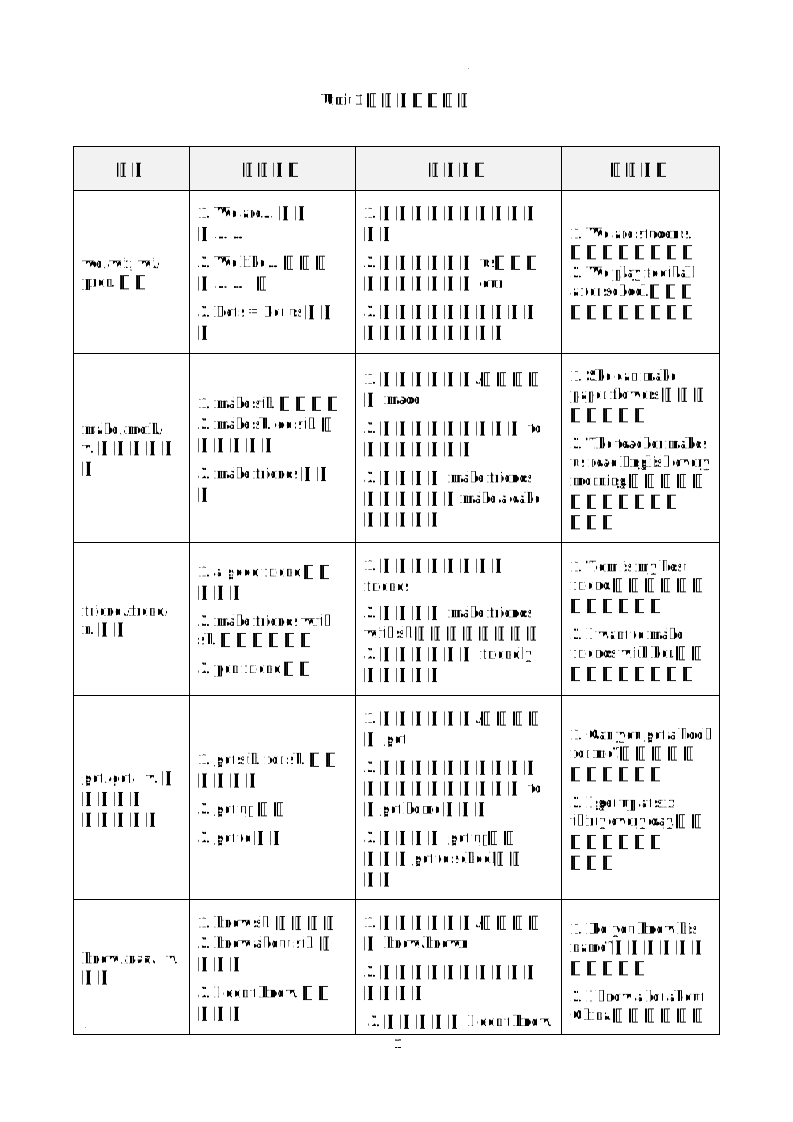
Unit 1 单词系统讲解表
单词
核心搭配
重点考点
经典例句
we /wiː; wi/ pron. 我们
1. We are… 我们是……
2. We like… 我们喜欢…… 、
3. Let's = Let us 让我们
1. 第一人称复数主格,作主语
2. 对应的宾格为us,形容词性物主代词为our
3. 作主语时,谓语动词用原形(一般现在时)
1. We are students.(我们是学生。) 2. We play football after school.(我们放学后踢足球。)
make /meɪk/ v. 使成为;制造
1. make sth. 制作某物 2. make sb. do sth. 让某人做某事
3. make friends 交朋友
1. 动词,过去式/过去分词为made
2. 使役动词,后接省略to的不定式作宾补
3. 固定搭配make friends(交朋友)、make a cake(做蛋糕)
1. She can make paper flowers.(她会做纸花。)
2. The teacher makes us read English every morning.(老师让我们每天早上读英语。)
friend /frend/ n. 朋友
1. a good friend 一个好朋友
2. make friends with sb. 和某人交朋友
3. pen friend 笔友
1. 可数名词,复数为friends
2. 固定搭配make friends with sb.(与某人交朋友) 3. 形容词形式为friendly(友好的)
1. Tom is my best friend.(汤姆是我最好的朋友。)
2. I want to make friends with her.(我想和她交朋友。)
get /ɡet/ v. 去取(或带来);得到
1. get sth. for sb. 为某人取某物
2. get up 起床
3. get to 到达
1. 动词,过去式/过去分词为got
2. 及物动词,后接宾语;不及物动词接地点需加to(get home除外)
3. 固定搭配get up(起床)、get to school(到校)
1. Can you get a book for me?(你能帮我拿本书吗?)
2. I get up at six thirty every day.(我每天六点半起床。)
know /nəʊ/ v. 知道
1. know sb. 认识某人 2. know about sth. 了解某事
3. I don't know. 我不知道。
1. 动词,过去式/过去分词为knew/known
2. 及物动词,后接宾语或宾语从句
3. 否定式常用I don't know. 表达
1. Do you know his name?(你知道他的名字吗?)
2. I know a lot about China.(我对中国了解很多。)
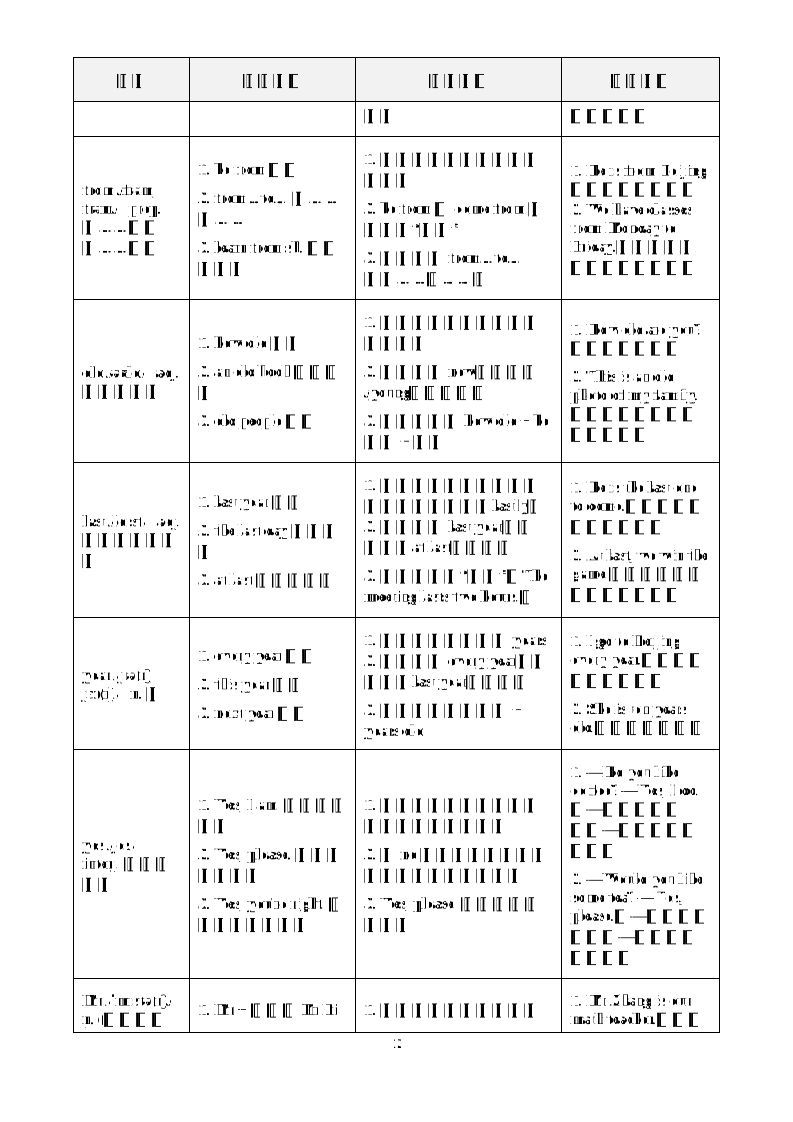
from /frəm; frəm/ prep. 从……来;从……开始
1. be from 来自
2. from…to… 从……到……
3. learn from sb. 向某人学习
1. 介词,表来源、时间、方向等
2. be from与come from同义,表“来自”
3. 固定搭配from…to…(从……到……)
1. He is from Beijing.(他来自北京。) 2. We have classes from Monday to Friday.(我们从周一到周五上课。)
old /əʊld/ adj. 老的;旧的
1. how old 几岁
2. an old book 一本旧书
3. old people 老人
1. 形容词,修饰名词作定语或表语
2. 反义词为new(新的)/young(年轻的)
3. 询问年龄用how old + be动词 + 主语
1. How old are you?(你几岁了?)
2. This is an old photo of my family.(这是我家的一张旧照片。)
last /lɑːst/ adj. 最后的;末尾的
1. last year 去年
2. the last day 最后一天
3. at last 最后;终于
1. 形容词,修饰名词作定语;也可作副词(lastly) 2. 固定搭配last year(去年)、at last(终于)
3. 作动词时表“持续”(The meeting lasts two hours.)
1. He is the last one to come.(他是最后一个来的。)
2. At last, we win the game.(最后,我们赢得了比赛。)
year /jɪə(r); jɜː(r)/ n. 年
1. every year 每年
2. this year 今年
3. next year 明年
1. 可数名词,复数为years 2. 固定搭配every year(每年)、last year(去年)
3. 年龄表达:基数词 + years old
1. I go to Beijing every year.(我每年都去北京。)
2. She is ten years old.(她十岁了。)
yes /jes/ interj. 是的;可以
1. Yes, I am. 是的,我是。
2. Yes, please. 好的,麻烦了。
3. Yes, you're right. 是的,你是对的。
1. 用于肯定回答一般疑问句或征求意见的问句
2. 与no相对,回答反义疑问句时需根据实际情况
3. Yes, please. 用于接受对方提议
1. —Do you like coffee? —Yes, I do.(—你喜欢咖啡吗?—是的,我喜欢。)
2. —Would you like some tea? —Yes, please.(—你想喝点茶吗?—好的,麻烦了。)
Mr /ˈmɪstə(r)/ n. (用于男子的姓氏或姓名前) 先生
1. Mr + 姓氏(Mr Li 李先生)
2. Dear Mr Wang 尊敬的王先生(书信开头)
1. 首字母必须大写,后接姓氏,不单独使用
2. 与Mrs(夫人,已婚)、Miss(小姐,未婚)、Ms(女士)的区别
3. 口语中可简称为sir
1. Mr Zhang is our math teacher.(张先生是我们的数学老师。)
2. I want to talk to Mr Green.(我想和格林先生谈谈。)
our /aʊə(r); ɔː(r)/ pron. 我们的
1. our school 我们的学校
2. our teacher 我们的老师
3. This is our classroom. 这是我们的教室。
1. 形容词性物主代词,后接名词
2. 对应的名词性物主代词为ours(可单独使用)
3. 主格为we,宾格为us
1. Our classroom is big and bright.(我们的教室又大又亮。)
2. This book is ours.(这本书是我们的。)
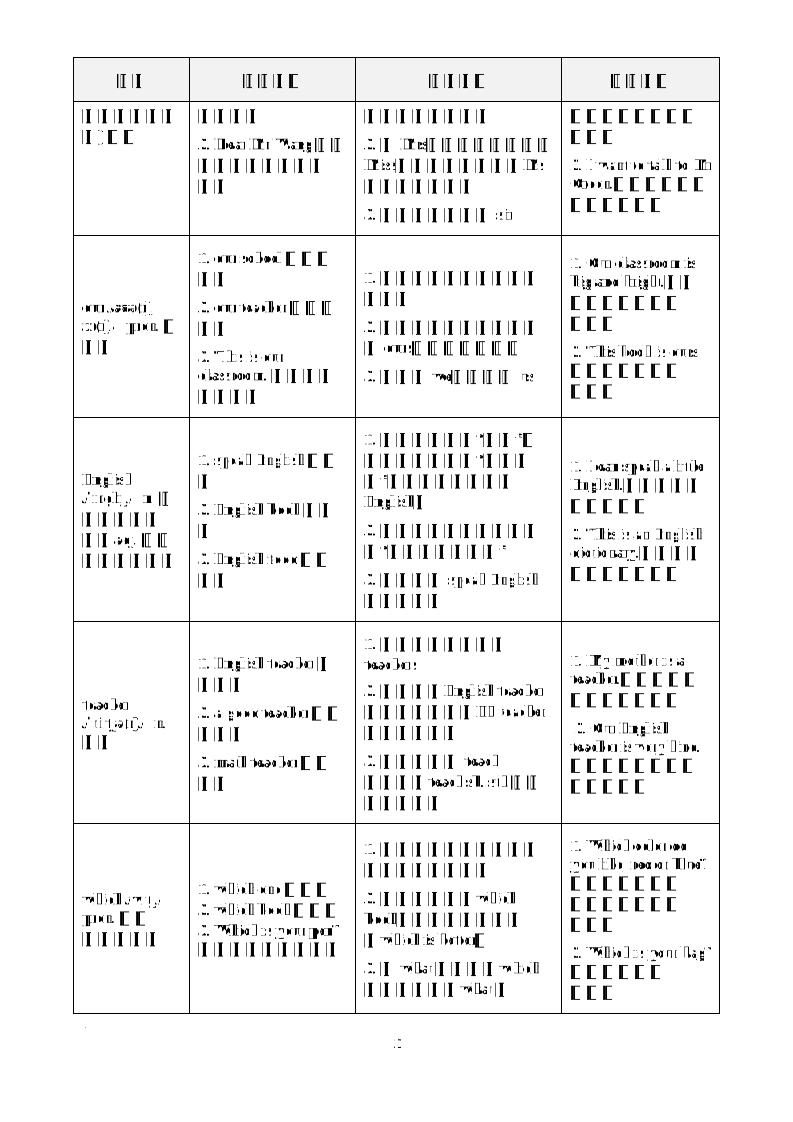
English /ˈɪŋɡlɪʃ/ n. 英语;英格兰人;adj. 英语的;英格兰的
1. speak English 说英语
2. English book 英语书
3. English food 英国食物
1. 作名词时,表“英语”为不可数名词,表“英格兰人”为可数名词(复数English)
2. 作形容词时修饰名词,表“英语的;英国的”
3. 固定搭配speak English(说英语)
1. I can speak a little English.(我会说一点英语。)
2. This is an English dictionary.(这是一本英语词典。)
teacher /ˈtiːtʃə(r)/ n. 教师
1. English teacher 英语老师
2. a good teacher 一位好老师
3. math teacher 数学老师
1. 可数名词,复数为teachers
2. 合成词:English teacher(英语老师)、PE teacher(体育老师)
3. 动词形式为teach(教),teach sb. sth.(教某人某物)
1. My mother is a teacher.(我的妈妈是一名教师。)
2. Our English teacher is very kind.(我们的英语老师很亲切。)
which /wɪtʃ/ pron. 哪一个;哪一些
1. which one 哪一个 2. which book 哪本书 3. Which is your pen? 哪一支是你的钢笔?
1. 特殊疑问词,用于选择疑问句或定语从句
2. 可修饰名词(which book),也可单独使用(which is better)
3. 与what的区别:which有选择范围,what无
1. Which color do you like, red or blue?(你喜欢哪种颜色,红色还是蓝色?)
2. Which is your bag?(哪个是你的包?)
who /huː/ pron. 谁;什么人
1. Who is he? 他是谁?
2. Who are you looking for? 你在找谁?
3. Who's that? 那是谁?
1. 特殊疑问词,对人进行提问,作主语或宾语
2. 宾格形式为whom(正式场合),口语中常用who代替
3. 引导宾语从句时用陈述语序
1. Who is your favorite singer?(你最喜欢的歌手是谁?)
2. I don't know who he is.(我不知道他是谁。)
job /dʒɒb/ n. 工作
1. a good job 一份好工作
2. find a job 找工作 3. part-time job 兼职工作
1. 可数名词,复数为jobs 2. 与work的区别:job是可数名词,侧重职业;work是不可数名词,侧重工作内容
3. 固定搭配find a job(找工作)
1. His job is a doctor.(他的工作是医生。)
2. She wants to find a part-time job.(她想找一份兼职工作。)
student /ˈstjuːdnt/ n. 学生
1. a middle school student 中学生
2. college student 大学生
3. good student 好学生
1. 可数名词,复数为students
2. 对应词为teacher(老师)
3. 常用搭配middle school student(中学生)
1. I am a student of Grade Seven.(我是七年级的学生。) 2. There are fifty students in our class.(我们班有五十名学生。)
age /eɪdʒ/ n. 年龄
1. at the age of 在……岁时
2. what's your age? 你几岁了?(= how old are you?)
3. under age 未成年
1. 可数名词,复数为ages 2. 固定搭配at the age of + 基数词(在……岁时)
3. 询问年龄可用what's your age? 或how old are you?
1. He started to learn English at the age of five.(他五岁开始学英语。)
2. What's your age?(你几岁了?)
she /ʃiː; ʃi/ pron. 她
1. She is… 她是…… 2. She likes… 她喜欢……
3. What does she do? 她是做什么的?
1. 第三人称单数主格,指代女性,作主语
2. 对应的宾格为her,形容词性物主代词为her,名词性物主代词为hers
3. 作主语时,谓语动词用第三人称单数形式
1. She is my sister.(她是我的妹妹。)
2. She plays the piano very well.(她钢琴弹得很好。)
favourite /ˈfeɪvərɪt/ (favorite) adj. 最喜欢的;最爱的
1. favourite color 最喜欢的颜色
2. favourite subject 最喜欢的科目
3. my favourite food 我最喜欢的食物
1. 形容词,美式拼写为favorite,英式拼写为favourite
2. 修饰名词作定语,无比较级和最高级
3. 常用结构one's favourite + 名词(某人最喜欢的……)
1. My favourite fruit is apple.(我最喜欢的水果是苹果。) 2. English is her favourite subject.(英语是她最喜欢的科目。)
pet /pet/ n. 宠物
1. a pet dog 宠物狗 2. keep a pet 养宠物 3. pet cat 宠物猫
1. 可数名词,复数为pets 2. 常用搭配keep a pet(养宠物)
3. 作动词时表“抚摸;轻拍”(pet the dog)
1. She has a pet rabbit at home.(她在家养了一只宠物兔。)
2. Many people like to keep pets.(很多人喜欢养宠物。)
very /ˈveri/ adv. 很;非常
1. very good 非常好 2. very much 非常
3. very big 非常大
1. 副词,修饰形容词或副词,不能修饰动词(修饰动词用very much)
2. 无比较级和最高级
3. 常用搭配very much(非常,修饰动词)
1. The film is very interesting.(这部电影非常有趣。)
2. I like her very much.(我非常喜欢她。)
cute /kjuːt/ adj. 可爱的
1. a cute cat 一只可爱的猫
2. very cute 非常可爱 3. cute baby 可爱的婴儿
1. 形容词,修饰名词作定语或表语
2. 同义词为lovely(可爱的)、pretty(漂亮的)
3. 比较级为cuter,最高级为cutest
1. The baby is so cute.(这个婴儿太可爱了。)
2. She has a cute little dog.(她有一只可爱的小狗。)
much /mʌtʃ/ adv. 非常;十分;pron. & adj. 许多;大量;多少
1. very much 非常
2. much water 很多水 3. how much 多少
1. 修饰不可数名词,可数名词用many修饰
2. 作副词修饰动词或形容词/副词的比较级
3. 特殊疑问句how much用于询问不可数名词数量或价格
1. There is much milk in the bottle.(瓶子里有很多牛奶。) 2. How much is this pen?(这支钢笔多少钱?)
school /skuːl/ n. 学校
1. go to school 去上学 2. middle school 中学 3. at school 在学校
1. 可数名词,复数为schools
2. 固定搭配go to school(去上学,表动作)、at school(在学校,表状态) 3. 合成词:primary school(小学)、high school(高中)
1. I go to school at seven every morning.(我每天早上七点去上学。)
2. He is at school now.(他现在在学校。)
China /ˈtʃaɪnə/ n. 中国
1. in China 在中国
2. China's history 中国的历史
3. people in China 中国人
1. 专有名词,首字母必须大写,无复数形式
2. 形容词形式为Chinese(中国的;中国人的)
3. 固定搭配in China(在中国)
1. I live in China.(我住在中国。) 2. China is a great country.(中国是一个伟大的国家。)
panda /ˈpændə/ n. 熊猫
1. giant panda 大熊猫 2. a cute panda 一只可爱的熊猫
3. panda bear 熊猫熊
1. 可数名词,复数为pandas
2. 常用搭配giant panda(大熊猫)
3. 中国的国宝,专有名词前不加the
1. Pandas live in Sichuan, China.(熊猫生活在中国四川。)
2. The baby panda is very small.(熊猫幼崽很小。)
hot /hɒt/ adj. 热的;炎热的
1. hot weather 炎热的天气
2. a hot day 炎热的一天
3. hot water 热水
1. 形容词,修饰名词作定语或表语
2. 反义词为cold(冷的) 3. 比较级为hotter,最高级为hottest
1. It's very hot in summer.(夏天非常热。)
2. I want a cup of hot tea.(我想要一杯热茶。)
also /ˈɔːlsəʊ/ adv. 也;而且
1. also like 也喜欢
2. also go 也去
3. also know 也知道
1. 副词,用于句中(be动词/助动词/情态动词后,实义动词前)
2. 与too/either的区别:too用于肯定句末,either用于否定句末
3. 同义词为besides(此外)、as well(也)
1. She also likes music.(她也喜欢音乐。)
2. I can also speak French.(我也会说法语。)
live /lɪv/ v. 居住;生活
1. live in + 地点 居住在某地
2. live with sb. 和某人住在一起
3. live a happy life 过着幸福的生活
1. 动词,过去式/过去分词为lived
2. 不及物动词,后接地点需加介词in/at(大地点用in,小地点用at)
3. 作形容词时表“活的;现场的”(live show)
1. I live in Beijing.(我住在北京。) 2. She lives with her parents.(她和父母住在一起。)
with /wɪð; wɪθ/ prep. 和……在一起;带有;使用
1. play with sb. 和某人一起玩
2. a girl with long hair 一个长头发的女孩 3. write with a pen 用钢笔写
1. 介词,后接名词/代词作宾语
2. 表“和……一起”时,反义词为without(没有)
3. 表“使用工具”时,与by的区别:with接具体工具,by接方式
1. I play football with my friends after school.(我放学后和朋友们一起踢足球。)
2. He writes a letter with a pencil.(他用铅笔写信。)
parent /ˈpeərənt/ n. 父(母)亲
1. my parents 我的父母
2. parent meeting 家长会
3. single parent 单亲
1. 可数名词,复数为parents(父母)
2. 指“父亲或母亲”用parent,指“父母双方”用parents
3. 固定搭配parent meeting(家长会)
1. My parent is a worker.(我的爸爸/妈妈是一名工人。)
2. We will have a parent meeting next week.(我们下周要开家长会。)
Chinese /ˌtʃaɪˈniːz/ adj. 中国的;n. 中国人;汉语
1. Chinese food 中国食物
2. speak Chinese 说汉语
3. Chinese people 中国人
1. 作形容词时修饰名词,作名词时表“汉语”(不可数)或“中国人”(单复数同形)
2. 专有名词,首字母大写 3. 固定搭配speak Chinese(说汉语)
1. I can speak Chinese very well.(我汉语说得很好。)
2. Chinese people are very friendly.(中国人很友好。)
food /fuːd/ n. 食物
1. Chinese food 中国食物
2. fast food 快餐
3. healthy food 健康食物
1. 不可数名词,表“多种食物”时可作foods
2. 常用搭配fast food(快餐)、healthy food(健康食物)
3. 与meal(一餐)的区别:food泛指食物,meal指具体的一餐
1. I like Chinese food very much.(我非常喜欢中国食物。) 2. We should eat more healthy food.(我们应该多吃健康食物。)
lot /lɒt/ pron. 大量;许多
1. a lot of = lots of 许多(修饰可数/不可数名词)
2. a lot 非常(修饰动词)
3. lots of books 很多书
1. 常与of连用,a lot of/lots of可修饰可数名词复数或不可数名词
2. a lot作副词短语,修饰动词,相当于very much 3. 不能单独修饰名词,必须加of
1. There are a lot of students in the park.(公园里有很多学生。)
2. I like her a lot.(我非常喜欢她。)
about /əˈbaʊt/ prep. 关于;adv. 大约
1. talk about 谈论关于……
2. about ten o'clock 大约十点
3. know about 了解关于……
1. 作介词时后接名词/代词/动名词,作副词时表“大约”
2. 固定搭配talk about(谈论)、think about(思考) 3. 表“大约”时,可放在数词前
1. We are talking about the film.(我们正在谈论这部电影。)
2. It's about five kilometers from here to the school.(从这里到学校大约五公里。)
wall /wɔːl/ n. 墙
1. on the wall 在墙上 2. a white wall 一面白墙
3. Great Wall 长城
1. 可数名词,复数为walls 2. 固定搭配on the wall(在墙上),注意与in the wall(在墙内)的区别
3. the Great Wall(长城)为专有名词,需加the
1. There is a map on the wall.(墙上有一张地图。)
2. We visited the Great Wall last year.(我们去年参观了长城。)
all /ɔːl/ pron. & adj. 所有(的);全部(的)
1. all the students 所有的学生
2. all day 整天
3. all of us 我们所有人
1. 作形容词时修饰名词,作代词时可单独使用或接of短语
2. 用于三者或三者以上的“全部”,两者用both
3. 固定搭配all day(整天)、all night(整夜)
1. All the books are on the desk.(所有的书都在书桌上。) 2. All of us like music.(我们所有人都喜欢音乐。)
hour /ˈaʊə(r)/ n. 小时
1. an hour 一小时
2. two hours 两小时 3. half an hour 半小时
1. 可数名词,复数为hours 2. 因hour以元音音素开头,故用an修饰
3. 固定搭配half an hour(半小时)、one hour and a half(一个半小时)
1. It takes me an hour to do my homework.(我做作业要花一个小时。)
2. We waited for two hours.(我们等了两个小时。)
ago /əˈɡəʊ/ adv. 以前
1. two days ago 两天前
2. a week ago 一周前 3. three years ago 三年前
1. 副词,用于时间段后,表过去的时间,句子用一般过去时
2. 不能单独使用,必须与时间段连用
3. 与before的区别:ago以现在为起点,before以过去为起点
1. I met her three days ago.(我三天前见过她。)
2. He came to China a year ago.(他一年前来到中国。)
family /ˈfæməli/ n. 家庭
1. my family 我的家庭
2. family member 家庭成员
3. a big family 一个大家庭
1. 可数名词,复数为families
2. 作“家庭”讲时,谓语动词用单数;作“家庭成员”讲时,谓语动词用复数
3. 固定搭配family tree(家谱)
1. My family is a small one.(我的家庭是个小家庭。) 2. His family are all very kind.(他的家人都很亲切。)
bird /bɜːd/ n. 鸟
1. a small bird 一只小鸟
2. bird nest 鸟巢
3. sing like a bird 唱歌像小鸟一样
1. 可数名词,复数为birds 2. 常用搭配bird nest(鸟巢)
3. 习语:a bird in the hand(已到手的东西)
1. There are many birds in the tree.(树上有很多鸟。)
2. The bird can sing very well.(这只鸟唱歌很好听。)
speak /spiːk/ v. 说(某种语言);说话
1. speak English 说英语
2. speak to sb. 和某人说话
3. speak loudly 大声说话
1. 动词,过去式/过去分词为spoke/spoken
2. 表“说某种语言”时为及物动词,表“说话”时为不及物动词
3. 与say/talk/tell的区别:speak侧重说的动作或语言,say侧重内容
1. She can speak three languages.(她会说三种语言。) 2. May I speak to Tom?(我能和汤姆说话吗?)
sport /spɔːt/ n. 运动
1. play sports 做运动 2. ball sport 球类运动 3. favorite sport 最喜欢的运动
1. 可数名词,复数为sports;表“运动”总称时为不可数名词
2. 固定搭配play sports(做运动)
3. 合成词:sports shoes(运动鞋)、sports meeting(运动会)
1. My favorite sport is basketball.(我最喜欢的运动是篮球。)
2. We play sports every morning.(我们每天早上做运动。)
often /ˈɒfn; ˈɔːfn/ adv. 时常;常常
1. often go 经常去
2. often play 经常玩 3. how often 多久一次
1. 频度副词,用于一般现在时,位于be动词后、实义动词前
2. 特殊疑问句how often用于询问动作发生的频率
3. 同义词为usually(通常)、sometimes(有时)
1. I often go to the park on weekends.(我周末经常去公园。)
2. How often do you watch TV?(你多久看一次电视?)
play /pleɪ/ v. 玩
1. play football 踢足球 2. play the piano 弹钢琴
3. play with sb. 和某人一起玩
1. 动词,过去式/过去分词为played
2. 接球类运动时不加the,接乐器时加the
3. 固定搭配play with sb./sth.(和……玩)
1. He likes to play basketball after school.(他喜欢放学后打篮球。)
2. She can play the violin very well.(她小提琴拉得很好。)
after /ˈɑːftə(r)/ prep. & conj. 在……以后
1. after school 放学后 2. after dinner 晚饭后 3. after he comes 他来之后
1. 作介词时后接名词/代词/动名词,作连词时后接句子
2. 反义词为before(在……之前)
3. 固定搭配after school(放学后)、after class(课后)
1. I do my homework after school.(我放学后做作业。)
2. We will go home after the rain stops.(雨停后我们就回家。)
want /wɒnt/ v. 想要
1. want to do sth. 想要做某事
2. want sth. 想要某物 3. want sb. to do sth. 想要某人做某事
1. 动词,过去式/过去分词为wanted
2. 后接不定式作宾语,不能接动名词
3. 固定搭配want sb. to do sth.(想要某人做某事)
1. I want to be a teacher.(我想要成为一名教师。)
2. She wants a new bike.(她想要一辆新自行车。)
be /biː; bi/ v. 是
1. am/is/are (一般现在时)
2. was/were (一般过去时)
3. be going to 将要
1. 系动词,有多种形式(am/is/are/was/were/been) 2. 后接形容词、名词、介词短语作表语
3. be going to + 动词原形表将来
1. I am a student.(我是一名学生。)
2. They were at home yesterday.(他们昨天在家。)
place /pleɪs/ n. 地方;地点
1. a beautiful place 一个美丽的地方
2. take place 发生
3. in place 在适当的位置
1. 可数名词,复数为places 2. 固定搭配take place(发生,无被动)、in place(在适当位置)
3. 与room(空间)的区别:place指具体地点,room指空间
1. Beijing is a great place to visit.(北京是个值得游览的好地方。)
2. The meeting will take place next week.(会议将于下周举行。)
music /ˈmjuːzɪk/ n. 音乐
1. listen to music 听音乐
2. pop music 流行音乐
3. classical music 古典音乐
1. 不可数名词,无复数形式
2. 固定搭配listen to music(听音乐),注意listen为不及物动词,需加to
3. 形容词形式为musical(音乐的),名词形式为musician(音乐家)
1. I like to listen to music in my free time.(我喜欢在空闲时间听音乐。) 2. Pop music is very popular among young people.(流行音乐在年轻人中很受欢迎。)
love /lʌv/ v. & n. 喜爱;爱
1. love sb./sth. 喜爱某人/某物
2. love doing/to do sth. 喜爱做某事
3. fall in love with 爱上
1. 动词,过去式/过去分词为loved;作名词时为不可数名词
2. 后接动名词或不定式,含义基本相同
3. 与like的区别:love程度更深,like程度较轻
1. I love my parents very much.(我非常爱我的父母。)
2. She loves reading books.(她喜欢看书。)
write /raɪt/ v. 写
1. write a letter 写信 2. write down 写下;记下
3. write to sb. 给某人写信
1. 动词,过去式/过去分词为wrote/written
2. 及物动词,后接宾语;write to sb.表“给某人写信” 3. 固定搭配write down(写下),代词作宾语时放中间
1. She is writing a story now.(她现在正在写一个故事。)
2. Please write down your name on the paper.(请把你的名字写在纸上。)
(
1
)
学科网(北京)股份有限公司
$
资源预览图
1
2
3
相关资源
由于学科网是一个信息分享及获取的平台,不确保部分用户上传资料的 来源及知识产权归属。如您发现相关资料侵犯您的合法权益,请联系学科网,我们核实后将及时进行处理。