Unit 7 课时2 Section A(2a-2e)听说课课件-八年级英语上册【趣味课堂】精品课件(人教版2024)
2025-12-08
|
3份
|
31页
|
1137人阅读
|
9人下载
精品
资源信息
| 学段 | 初中 |
|---|---|
| 学科 | 英语 |
| 教材版本 | 初中英语人教版八年级上册 |
| 年级 | 八年级 |
| 章节 | 2a-2e |
| 类型 | 课件 |
| 知识点 | - |
| 使用场景 | 同步教学-新授课 |
| 学年 | 2025-2026 |
| 地区(省份) | 全国 |
| 地区(市) | - |
| 地区(区县) | - |
| 文件格式 | ZIP |
| 文件大小 | 107.50 MB |
| 发布时间 | 2025-12-08 |
| 更新时间 | 2025-12-08 |
| 作者 | 小辣椒 初中英语课件 |
| 品牌系列 | - |
| 审核时间 | 2025-12-08 |
| 下载链接 | https://m.zxxk.com/soft/55320831.html |
| 价格 | 5.00储值(1储值=1元) |
| 来源 | 学科网 |
摘要:
该初中英语课件围绕“未来预测”主题,涵盖traffic、technology等核心词汇及“What will the future be like?”“Will there be...?”等句型。通过Pre-listening引导学生思考生活各方面未来变化激活认知,While-listening结合对话填空提取关键信息,Post-listening以角色扮演、小组讨论搭建从输入到输出的学习支架。
其亮点在于融合语言能力与思维品质培养,听力环节通过选项匹配与对话分析提升信息提取能力,角色扮演要求脱稿表达并加入情感与肢体语言增强口语应用。采用任务型教学,分层作业兼顾差异,小结清晰梳理词汇句型与技能,学生能流利讨论未来生活,教师可直接利用结构化活动提升教学效率。
内容正文:
Section a activity, two a, listen to the conversation and fill in the blanks. Hi Jennifer. What's up? Oh. hi Helen. I'm watching a video about future predictions. So what will the future be like? Well. there will be more people in cities, but the transport system will be more efficient. IT means that there will be fewer traffic accidents. Sounds great. Any other predictions? Students probably won't go to a school in the future. They will study at home or any place they want. Oh, but I really like going to school anything else. And people . will live longer. really. why? Because we'll have . Better health care technology in our homes. Machines will tell us how to solve small health problems before they become bigger. That'll be great. How long almost people live? Well, more people will live to be over one hundred years old. Some may even live to be one hundred and fifty. Wow, that sounds wonderful.
Section a activity two d listen to the conversation again, then roll play IT. Hi Jennifer. What's up? Oh. hi Helen. I'm watching a video about future predictions. So what will the future be like? Well. there will be more people in cities, but the transport system will be more efficient. IT means that there will be fewer traffic accidents. Sounds great. Any other predictions? Students probably won't go to a school in the future. They will study at home or any place they want. Oh, but I really like going to school anything else. And . people will live longer. really. why? Because we'll have Better health care technology in our homes. Machines will tell us how to solve small health problems before they become bigger. That would be great. How long almost people live? Well, more people will live to be over one hundred years old. Some may even live to be one hundred and fifty. Wow, that sounds wonderful.
Unit 7 When Tomorrow Comes
What are your predictions about the future?
Section A
2a-2e
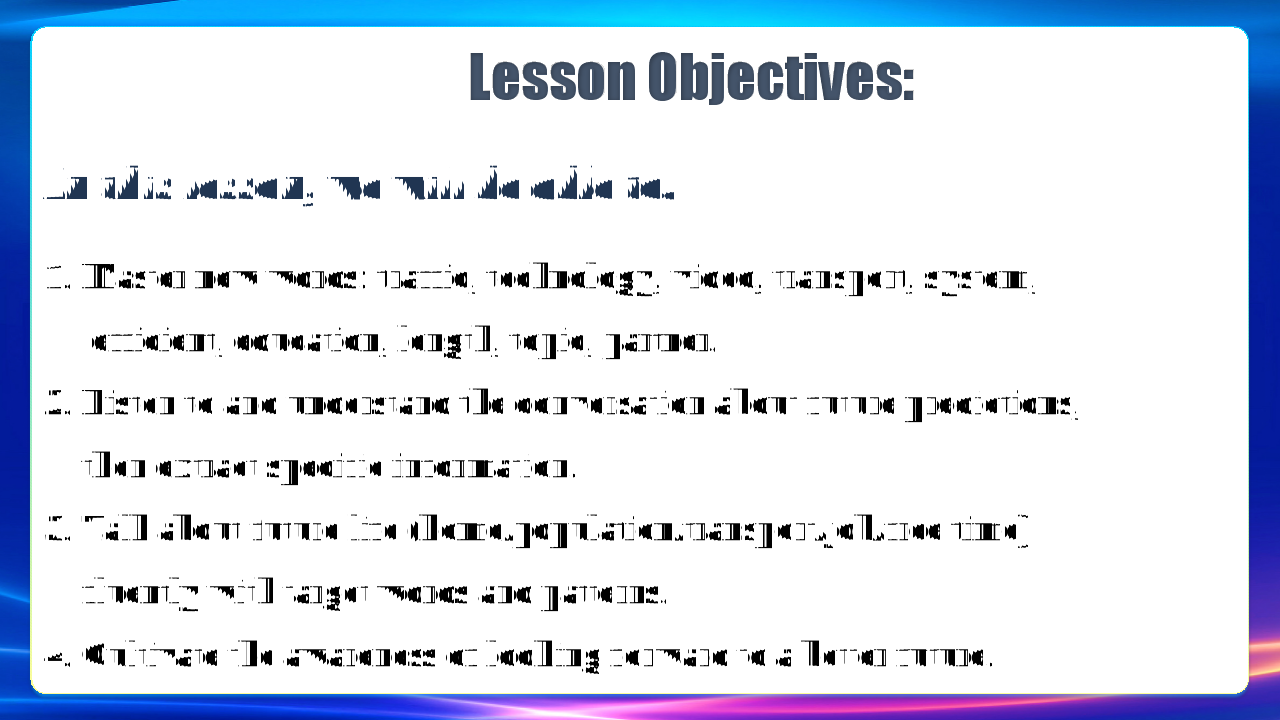
Lesson Objectives:
In this lesson, we will be able to:
1. Master new words: traffic, technology, video, transport, system,
efficient, education, length, topic, partner.
2. Listen to and understand the conversation about future predictions,
then extract specific information.
3. Talk about future life (home/population/transport/job/free time)
fluently with target words and patterns.
4. Cultivate the awareness of looking forward to a better future.
01 Lead in
02 Pre-listening
03 While-listening
04 Post-listening
05 Language points
06 Exercise&Homework
目
录
CONTENTS
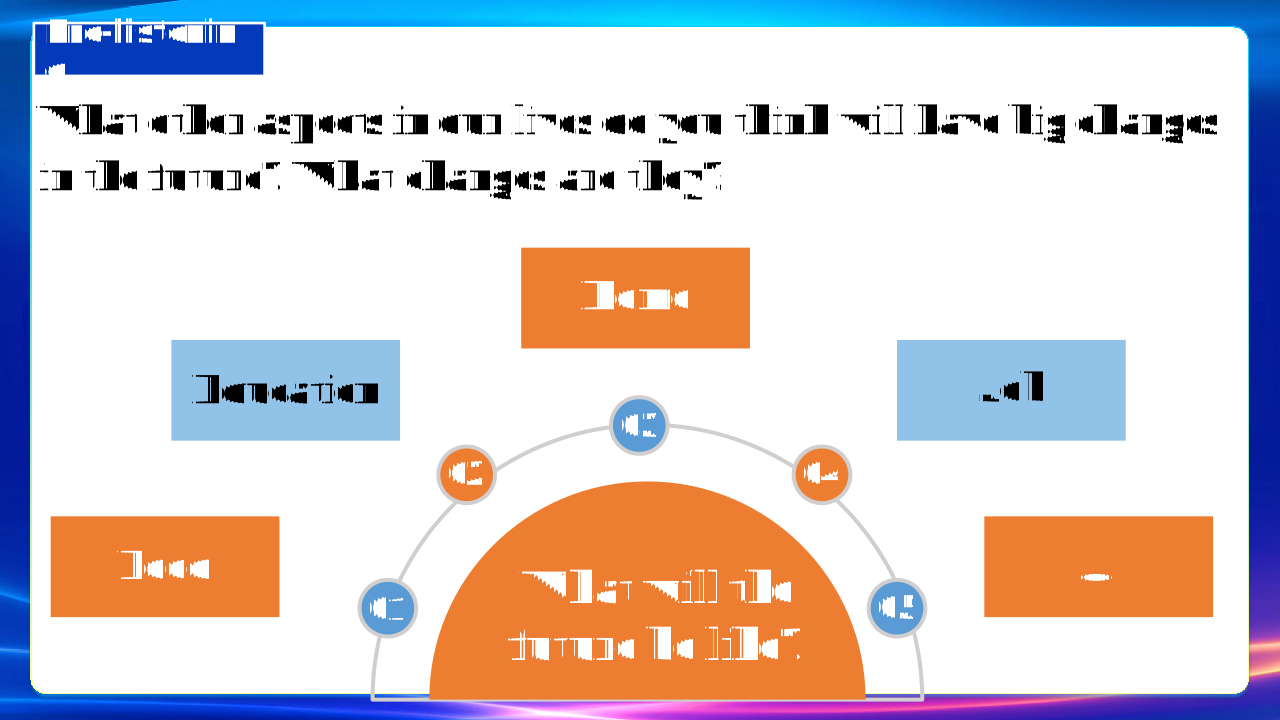
Pre-listening
What will the future be like?
01
03
02
05
04
Education
Home
Food
Job
…
What other aspects in our lives do you think will have big changes in the future? What changes are they?
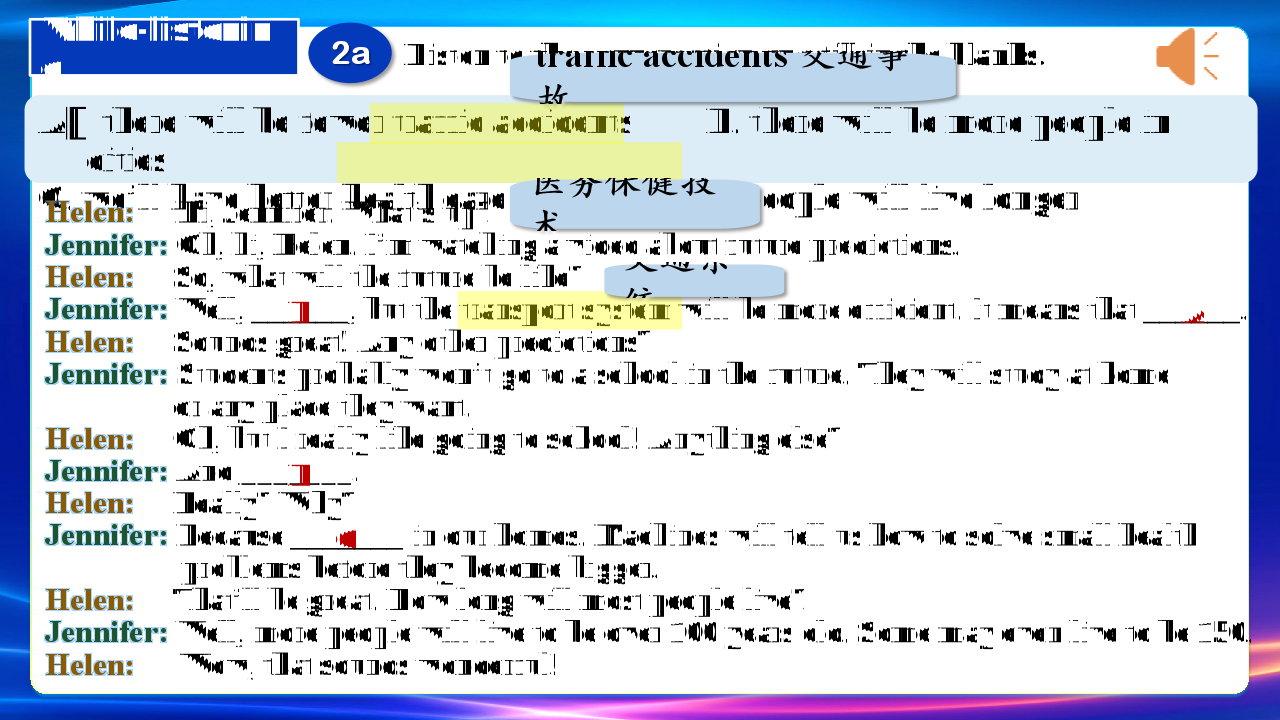
While-listening
2a
Listen to the conversation and fill in the blanks.
there will be fewer traffic accidents B. there will be more people in cities
C. we’ll have better health care technology D. People will live longer
Helen: Hi, Jennifer. What’s up?
Jennifer: Oh, hi, Helen. I’m watching a video about future predictions.
Helen: So, what will the future be like?
Jennifer: Well, ______, but the transport system will be more efficient. It means that ______.
Helen: Sounds great! Any other predictions?
Jennifer: Students probably won’t go to a school in the future. They will study at home
or any place they want.
Helen: Oh, but I really like going to school! Anything else?
Jennifer: And _______.
Helen: Really? Why?
Jennifer: Because _______ in our homes. Machines will tell us how to solve small health
problems before they become bigger.
Helen: That’ll be great. How long will most people live?
Jennifer: Well, more people will live to be over 100 years old. Some may even live to be 150.
Helen: Wow, that sounds wonderful!
B
A
D
C
traffic accidents 交通事故
医务保健技术
交通系统
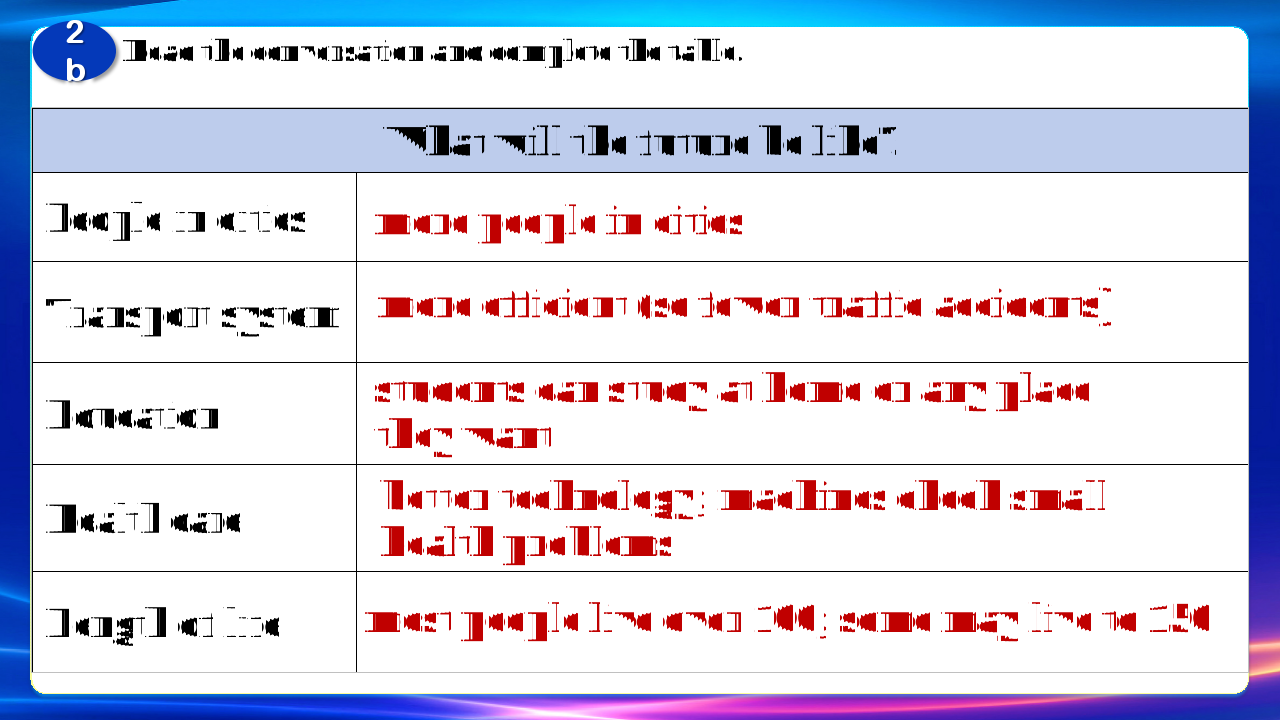
2b
Read the conversation and complete the table.
What will the future be like?
People in cities
Transport system
Education
Health care
Length of life
more people in cities
more efficient (so fewer traffic accidents)
students can study at home or any place they want
better technology; machines check small health problems
most people live over 100; some may live to 150
2c
Read again and answer the questions.
Helen: Hi, Jennifer. What’s up?
Jennifer: Oh, hi, Helen. I’m watching a video about future predictions.
Helen: So, what will the future be like?
Jennifer: Well, there will be more people in cities, but the transport system will be
more efficient. It means that there will be fewer traffic accidents.
Helen: Sounds great! Any other predictions?
Jennifer: Students probably won’t go to a school in the future. They will study at home
or any place they want.
Helen: Oh, but I really like going to school! Anything else?
Jennifer: And people will live longer.
Helen: Really? Why?
Jennifer: Because we’ll have better health care technology in our homes. Machines will
tell us how to solve small health problems before they become bigger.
Helen: That’ll be great. How long will most people live?
Jennifer: Well, more people will live to be over 100 years old. Some may even live to be 150.
Helen: Wow, that sounds wonderful!
1. What is Jennifer watching?
She is watching a video about future predictions.
2c
Read again and answer the questions.
Helen: Hi, Jennifer. What’s up?
Jennifer: Oh, hi, Helen. I’m watching a video about future predictions.
Helen: So, what will the future be like?
Jennifer: Well, there will be more people in cities, but the transport system will be
more efficient. It means that there will be fewer traffic accidents.
Helen: Sounds great! Any other predictions?
Jennifer: Students probably won’t go to a school in the future. They will study at home
or any place they want.
Helen: Oh, but I really like going to school! Anything else?
Jennifer: And people will live longer.
Helen: Really? Why?
Jennifer: Because we’ll have better health care technology in our homes. Machines will
tell us how to solve small health problems before they become bigger.
Helen: That’ll be great. How long will most people live?
Jennifer: Well, more people will live to be over 100 years old. Some may even live to be 150.
Helen: Wow, that sounds wonderful!
2. Is Helen interested in the future? How do you know?
Yes, she is. She wants to know what the future will be like and she asks many questions.
2c
Read again and answer the questions.
Helen: Hi, Jennifer. What’s up?
Jennifer: Oh, hi, Helen. I’m watching a video about future predictions.
Helen: So, what will the future be like?
Jennifer: Well, there will be more people in cities, but the transport system will be
more efficient. It means that there will be fewer traffic accidents.
Helen: Sounds great! Any other predictions?
Jennifer: Students probably won’t go to a school in the future. They will study at home
or any place they want.
Helen: Oh, but I really like going to school! Anything else?
Jennifer: And people will live longer.
Helen: Really? Why?
Jennifer: Because we’ll have better health care technology in our homes. Machines will
tell us how to solve small health problems before they become bigger.
Helen: That’ll be great. How long will most people live?
Jennifer: Well, more people will live to be over 100 years old. Some may even live to be 150.
Helen: Wow, that sounds wonderful!
3. Is the video positive about the future or not? How do you know?
It’s positive. The video tells us the future will be better in many fields.
Read the conversation again and circle true (T) or false (F).
Helen: Hi, Jennifer. What’s up?
Jennifer: Oh, hi, Helen. I’m watching a video about future predictions.
Helen: So, what will the future be like?
Jennifer: Well, there will be more people in cities, but the transport system will be
more efficient. It means that there will be fewer traffic accidents.
Helen: Sounds great! Any other predictions?
Jennifer: Students probably won’t go to a school in the future. They will study at home
or any place they want.
Helen: Oh, but I really like going to school! Anything else?
Jennifer: And people will live longer.
Helen: Really? Why?
Jennifer: Because we’ll have better health care technology in our homes. Machines will
tell us how to solve small health problems before they become bigger.
Helen: That’ll be great. How long will most people live?
Jennifer: Well, more people will live to be over 100 years old. Some may even live to be 150.
Helen: Wow, that sounds wonderful!
1. Students will go to school every day in the future. T F
2. Better health care technology will help people live longer. T F
Read the conversation again and circle true (T) or false (F).
Helen: Hi, Jennifer. What’s up?
Jennifer: Oh, hi, Helen. I’m watching a video about future predictions.
Helen: So, what will the future be like?
Jennifer: Well, there will be more people in cities, but the transport system will be
more efficient. It means that there will be fewer traffic accidents.
Helen: Sounds great! Any other predictions?
Jennifer: Students probably won’t go to a school in the future. They will study at home
or any place they want.
Helen: Oh, but I really like going to school! Anything else?
Jennifer: And people will live longer.
Helen: Really? Why?
Jennifer: Because we’ll have better health care technology in our homes. Machines will
tell us how to solve small health problems before they become bigger.
Helen: That’ll be great. How long will most people live?
Jennifer: Well, more people will live to be over 100 years old. Some may even live to be 150.
Helen: Wow, that sounds wonderful!
3. The future transport system will cause more traffic accidents.
T F
2d
Listen to the conversation again. Then role-play it.
Helen: Hi, Jennifer. What’s up?
Jennifer: Oh, hi, Helen. I’m watching a video about future predictions.
Helen: So, what will the future be like?
Jennifer: Well, there will be more people in cities, but the transport system will
be more efficient. It means that there will be fewer traffic accidents.
Helen: Sounds great! Any other predictions?
Jennifer: Students probably won’t go to a school in the future. They will study
at home or any place they want.
Helen: Oh, but I really like going to school! Anything else?
Jennifer: And people will live longer.
Helen: Really? Why?
Jennifer: Because we’ll have better health care technology in our homes.
Machines will tell us how to solve small health problems before
they become bigger.
Helen: That’ll be great. How long will most people live?
Jennifer: Well, more people will live to be over 100 years old. Some may
even live to be 150.
Helen: Wow, that sounds wonderful!
Group work
Actor 1: Helen
Actor 2: Jennifer
Actors should:
✭✭✭Use correct language.
(使用正确语言)
✭✭Speak loudly and clearly with feelings.
(言语饱含热情,大声且清晰)
✭✭Correct tones and proper body language.
(正确语调和恰当的身体语言)
✭✭✭Without books.(脱离课本)
Role-play the conversations.
Retell 2a
Fill in the blanks based on the conversation in 2a.
Helen greets Jennifer. Jennifer is watching a video about future
_______________. Jennifer shares that there will be ____________ in cities, but transport systems will be more ___________, which means that there will be __________ traffic accidents. What’s more, students probably won’t ____________in the future. They will study at ________ or any ________ they want.
Also, people will live ________. More people will live to be over _______ year . Some may even live to be ______. That’s because we’ll have better health care ___________ in our homes. Machines will tell us how to solve small health problems before they become _________. Helen thinks it sounds ___________.
predictions
more people
efficient
fewer
go to school
home
place
longer
100
150
technology
bigger
wonderful
Watch and follow
Think and say
What do you think life will be like in the future?
You can speak from the following aspects.
Home
Population
Transport
Job
Free time
2e
What do you think life will be like in the future? Make up a conversation about
your future predictions.
A: Will there be more / less / fewer … in the future?
B: Yes, I think there will … / Well, I don’t think
there will …
A: Do you think we will …?
B: …
Pair work
Discuss and complete the table below with your partner.
Topic My prediction My partner’s prediction
Home
Population
Transport
Job
Free time
Smart homes
(AI cooks/cleans)
Homes under the sea
More people in space
Smaller population (fewer kids)
Flying bikes (no traffic)
Self-driving buses (efficient)
AI partners for work
More creative jobs (painter)
Longer length
(AI helps work)
Travel to Mars
Pair work
Make up a conversation about your future predictions.
ill there be more robots in the future?
Yes, I think there will be more robots in homes.
Well, I don’t think there will be flying cars soon.
Do you think we will have flying cars?
Language points
1. there will be fewer traffic accidents 交通事故会更少(教材P63 2a)
traffic n.交通;运输 / v.(非法)进行交易;做······买卖
(1)【不可数名词】交通;路上行驶的车辆;运输
traffic lights 交通信号灯 traffic accidents 交通事故
traffic rules 交通规则 heavy traffic 交通拥堵
e.g. There's always lots of traffic at this time every day.
每天这个时候总是有很多来往车辆。
People now in many big cities have to set out early to avoid _______ _______ in the morning.
现在,很多大城市的人早上不得不早早出发以避免交通拥堵。
(2)【动词】(非法)进行交易;做······买卖
其过去式为trafficked,现在分词为trafficking。
e.g. They found him trafficking illegal weapons. 他们发现他贩卖非法武器。
heavy traffic
Language points
2. So, what will the future be like?那么,未来会是什么样的?
(教材P63 2a)
What will...be like? 该句型表示“······将会是什么样子?”,
是“What be...like?”句型的一般将来时形式。
e.g. What will our country be like in 50 years?
五十年后我们的国家将会是什么样子?
练习:______ will our world _______ if there is only white and black?
A. What; be B. What; be like C. How; like D. How; be like
B
Language points
3. ...but the transport system will be more efficient...
·······但交通系统会更有效率。(教材P63 2a)
transport n. 交通运输系统;旅行方式 / v.运输;运送
(1)【不可数名词】交通运输系统
e.g. In an ideal world, everyone benefits from innovation and green transport.
在理想的世界里,每个人都能从创新和绿色交通中受益。
(2024苏州中考)
(2)【及物动词】运输;运送
e.g. They used the canals to transport goods. 他们利用运河来运输货物。
练习:因此乘坐公共交通工具的人数正在不断增加。(完成译句)
So the number of people taking the ________ _________ is increasing.
public transport
Language points
4. Education 教育(教材P64 2b)
education n. 教育 educational adj.有教育意义的
education 常作不可数名词。特指某一种教育(其前通常有形容词修饰)时,其前可用不定冠词a/an。get/have a(n)...education 接受······的教育
e.g. Labor education is important for students development.
劳动教育对学生的发展很重要(成都中考)
Getting ______ ______ ____________ is very important to my kids, because knowledge can bring them a better life. 接受良好的教育对我的孩子来说非常重要,因为知识可以给他们带来更好的生活。(遂宁中考)
a good education
Language points
5. Will there be more/less/fewer...in the future?
将来会有更多的/更少的/更少的······吗? (教材P64 2e)
more、less、fewer 表示数量
more 更多的 many 和
much的
比较级 后跟可数名词复数或不可数名词 There will be more buildings.
将会有更多的楼房。
There will be more space.
将会有更多的空间。
less 更少的 little 的比较级 后跟不可数
名词 Students will have less homework.学生将会有更少的家庭作业。
fewer 更少的 few的
比较级 后跟可数名词复数 There will be fewer workers.
将会有更少的工人。
Language points
5. Will there be more/less/fewer...in the future?
将来会有更多的/更少的/更少的······吗? (教材P64 2e)
more、less、fewer 表示数量
练习:
1)I really don’t know how to organize the event with ______ money
and ______ people.
A. few; little B. a few; a little C. less; fewer D. fewer; less
2)Now we have ________ homework and ________ free time than last term.
A. less; more B. fewer; less C. more; fewer D. less; fewer
C
A
Exercises
1. They sent their son to study in a big city for a good ____________
(educate).
2. If you have the Internet, you can learn about many different
___________ (topic).
3. The ____________ (long) of the classroom is about 10 metres, so it's
quite big.
4. There are ____________ (few) students in the library today than
yesterday.
5. People never know what ____________ (happen) in 100 years.
eduction
I. 用括号内所给单词的适当形式填空。
topics
length
fewer
will happen
Exercises
II. 用方框中所给单词的适当形式填空。
1. The little boy has a lot of __________ to play with, so he doesn't feel lonely.
2. Many people prefer public __________ because it is cheaper.
3. There are __________ people in the park today because the weather is better than yesterday.
4. He loves animals very much and he'll ___________ become a vet in the future.
5. This book can help us use money wisely. For example, it teaches us how __________ money.
partners
transport many probable save partner
transport
more
probably
to save
Exercises
III. 根据汉语意思完成下列句子(每空一词)。
1. 永不放弃!你将来一定会成功的!
Never give up! You will be successful ________ _______ ________!
2. 我希望有一天我们能活到200岁。
I hope we will _______ _____ ______ 200 years old some day.
3. 当我们长大之后,我们的城市将会是什么样子呢?
________ ________ our city ________ ________ when we grow up?
4. 如果我们使用新能源汽车,污染将会更少。
If we use new energy cars, ______ ______ ______ _______ pollution.
5. 如果人们遵守交通规则,就会有更少的意外事故。
If people obey the traffic rules, ________ ______ ______ ________ accidents.
in the future
there will be fewer
live to be
What will be like
there will be less
Summary
We learn:
1. Vocabulary: traffic, technology, video, transport, system, efficient,
education, length, topic, partner.
2. Sentence Pattern: “What will the future be like?”; “Will there be…?”;
“Do you think we will…?”
We can:
1. Understand conversations about future predictions and extract key
information.
2. Talk about future life (home/population/transport/job/free time) fluently
with target words.
Homework
1. 基础层:抄写新单词+用“Will there be…?”写3个关于未来
的句子。
2. 提高层:完成2e表格并写一段“2050 My Day”短文(用3个
以上目标单词)。
3. 拓展层:录制1分钟“Future Prediction”视频(介绍一个未来
生活场景)。
Thank you!
Lavf58.46.101
$
资源预览图

1
2
3
4
5
6

相关资源
由于学科网是一个信息分享及获取的平台,不确保部分用户上传资料的 来源及知识产权归属。如您发现相关资料侵犯您的合法权益,请联系学科网,我们核实后将及时进行处理。