2025年高考英语全国II卷读后续写说课教学设计-2026届高三英语一轮复习
2025-12-03
|
6页
|
836人阅读
|
6人下载
普通
内容正文:
2025年高考全国卷II读后续写教学设计
Type: Reading for Writing/ Continuation Writing
Theme: Cultural Identity Recognition: The Inner Journey of International Student “Qiuyu”
Analysis of teaching material:
本次教学选用的 2025 年全国 II 卷读后续写真题,以 “国际学生的名字与文化身份” 为核心话题,属于 “人与自我” 主题范畴,贴合高三学生跨文化交流的潜在认知需求。试题材料 350 词以内,通过 “秋雨” 这一名字的发音困境与文化意义探寻,构建了 “冲突 — 觉醒 — 表达” 的叙事框架,符合记叙文 “贴近生活、趣味性强、想象空间大” 的体裁特征。
从命题特点看,试题明确给出两段开头语,隐含 “课堂表达 — 课后互动” 的情节逻辑,同时通过 “名字”“文化身份” 等核心线索,考查学生对文本主旨的把握、逻辑衔接的构建及文化内涵的传递能力,主题定调有高度,聚焦文化价值取向和传播中国文化,完全契合读后续写 “把握关键信息、语言准确丰富、把控语篇结构、激发创造性思维” 的四大考查维度。
Analysis of students:
本节课授课对象为本校高三学生,大部分学生英语基础薄弱,难以快速捕抓文本主旨大意;小部分学生已具备基本的记叙文阅读与写作能力,但在读后续写专项上存在明显短板:一是对 “原文一致原则” 把握不足,易出现续写内容与人物性格、情感逻辑脱节的问题,如忽视主人公从 “回避” 到 “主动表达” 的心理转变;二是情节设计缺乏 “曲折性”,多平铺直叙,难以通过细节冲突凸显主题;三是文化表达流于表面,无法将 “名字含义” 与 “文化身份认同” 深度结合;四是自评互评能力薄弱,完成初稿后难以精准定位逻辑与语言问题。
Teaching objectives:
By the end of the class, students will be able to:
1. Language ability
Understand the main idea, structure and plots of the given passage.
Use what they have learned to finish writing a continuation writing.
2. Cultural awareness
Help to cultivate students’ understanding the power of cultural identity.
3. Thinking quality
Understand the meaning of the theme and improve their logical, critical and creative thinking qualities.
4. Learning ability
Use various learning strategies to improve their writing ability and their abilities of autonomous learning and cooperative learning.
Teaching key and difficult points:
Key point: Use what they have learned to finish a continuation writing and develop their creative thinking.
Difficult points: How to understand the given test; how to organize the following plots according to the given sentences; how to explain the cultural meaning of “Qiuyu”.
Teaching methods:
Situational method, Task-based teaching method, Observation method, Inductive method
Learning strategies: Inquiry study, Cooperative learning
Teaching procedures:
Step 1 Lead in (2 mins)
1. Warming up: Show a short video to students.
“When others mispronounce your name, how do you feel? What does your name mean to you?”
2. 读后续写三原则:原文一致性、情节曲折性、结局正能量
【视频导入吸引学生注意力,激活学生生活体验,引出 “名字与身份” 话题。】
Step 2 Read for search (5 mins)
读文本,抓要素
5W1H : Who, When, Where, What, Why, How
引导学生扫读文本,用思维导图梳理记叙文六要素 —— 人物(“我”、教授、同学)、场景(爱尔兰课堂)、事件(名字发音困境→回避纠正→意识到文化缺失),标注关键词 “Qiuyu”、“pronunciation”、“cultural identity”。
【初读文本,学生根据“5W1H”独立找出关键信息并在原文标注,锻炼学生语言能力。】
Step 3 Read for write (8 mins)
析内涵,理冲突
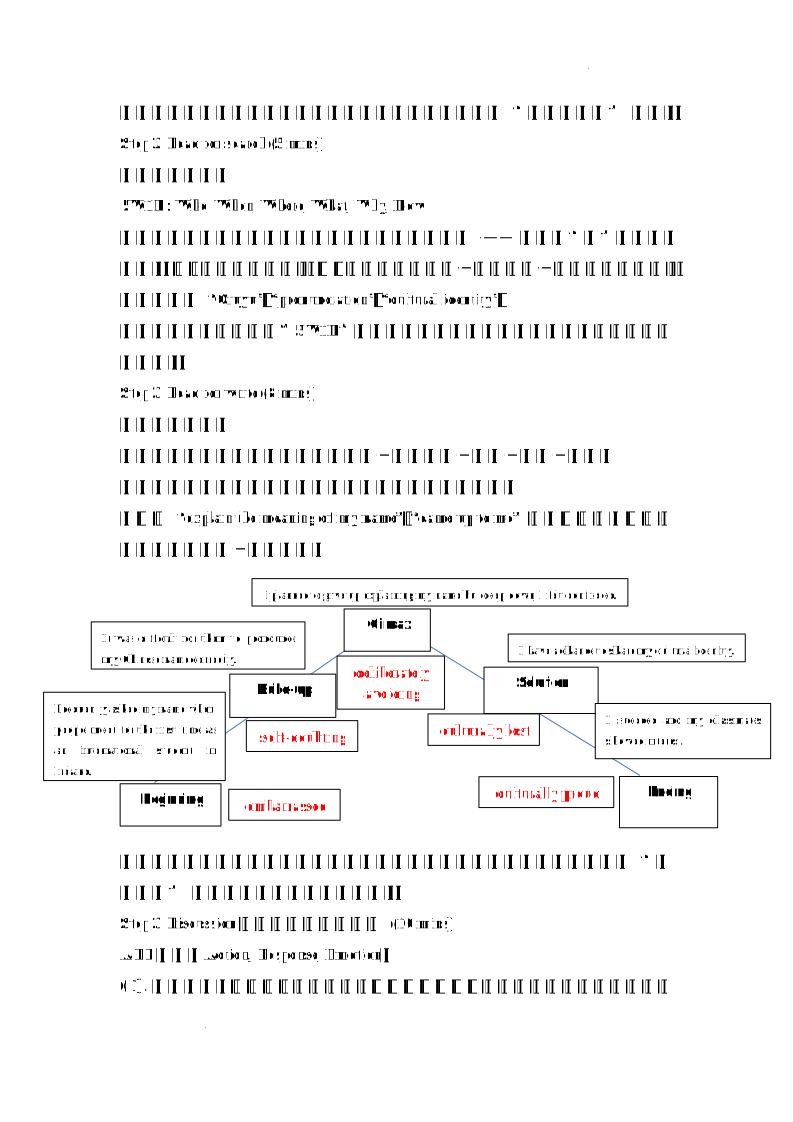
主人公的情感变化线是什么?(尴尬→自我怀疑→回避→遗憾→觉醒)
文本核心冲突是什么?(语言差异导致的身份表达困境)
段首句 “explain the meaning of my name”、“came up to me” 暗示了怎样的情节走向?(主动表达→获得认同)
I planned to give up explaining my name but deep down, I felt conflicted.
It was difficult for them to pronounce my Chinese name correctly.
Climax
I have a chance to share my cultural identity.
deliberately avoiding
Build-up
Solution
Frequently asked my name when people meet for the first time as an international student in Ireland.
I succeed and my classmates showed interest.
culturally lost
self-doubting
culturally proud
Ending
embarrassed
Beginning
【细读文本,利用故事山理清情节线、情感线,帮助学生明确续写需紧扣 “文化表达” 主线,保持人物情感连贯性。】
Step 3 Discussion构思框架,搭建支架 (10 mins)
ARE原则(Action, Response, Emotion)
(1).小组讨论,拟方案:布置任务:以小组为单位,围绕两段开头语构思情节要点,要求体现 “曲折性”(如解释时的紧张→同学的专注→情感的升华)。
(2).展示点评,建框架:邀请小组展示提纲,教师点评并完善,形成参考框架:
第一段:起身紧张→解释 “秋”“雨” 含义(收获、滋养)→观察同学反应→内心变化。
How did I feel when asked to explain the meaning of my name?
How could I convey the imagery the literal meaning and cultural meaning of “Qiuyu”?
How did my classmates and the professor react during the explanation?
How about my feeling?
第二段:同学提问(发音 / 文化背景)→分享名字故事→感悟身份意义。
What did my classmates do?
What specific questions did my classmates ask about Chinese name?
How did my emotional state shift during the conversation?
What did my classmates and I acquire?
(3).语言支架,促表达:呈现相关功能句型(如 “Combining..., it symbolizes...”“I was surprised by...”)与情感词汇(rapt, relieved, proud),助力精准表达。
Useful expressions :
行为类:
代表/象征:represent / stand for /symbolize/ embody
解释:explain/illustrate
保护:preserve/protect
目光聚焦在我身上:gaze was fixed on me
完全沉浸在其中:utter absorbed
揭示文化意义:unveil the cultural significance
促进文化理解:foster cultural understanding
情绪类:
紧张:with butterflies in my stomach/ nervousness/ tension
兴奋:excitement/ thrill
满足感:fulfillment
浓厚的兴趣:keen interest
热烈的反响:enthusiastic response
全神贯注:rapt attention
好奇和尊重:curiosity and respect
Useful sentences:
1. 独立主格结构
The memories of previous pronunciation struggles flooding back, my heart started pounding.
2. 非谓语结构
Seeing the sincere and curious eyes of classmates, I took a deep breath and began.
3. 无灵主语
Their face lit up with enthusiasm as they gathered around me with various questions.
【小组合作讨论,激活学生的发散思维,根据已有关键信息、情节线、情感线,搭建大纲、故事框架和具体的发展情节,邀请各小组代表分享,教师进行点评】
Step 4 Writing and Evaluation (15+5 mins)
1. 关注逻辑衔接与文化表达。
2. 互评互改,优化提升:发放评价量表,围绕 “逻辑连贯(3 分)、内容充实(3 分)、语言准确(2 分)、文化体现(2 分)” 开展生生互评,标注问题(如时态不一致、衔接词缺失)。
3. AI批改,分析优缺。
4. 师生共评,典型剖析:选取 1 篇优秀习作与 1 篇问题习作,共同分析亮点(如细节描写 “my voice steady”)与不足(如文化表达空洞),落实 “校” 的环节要求。
【学生根据上一步讨论形成的框架和内容,以及教师所给出的短语、句子独立完成读后续写写作,完成按照评价量表先进行同伴互评,再选一篇利用AI批改,分析语篇逻辑、句法等,最后再选两篇进行展示,教师点评并总结优缺点,指出共性问题,学生依据所指出的问题再进行润色】
Step 5 Homework
Finish and polish the writing according to the comment and feedback.
Teaching reflection:
Script:
“What’s your name?” is a question most frequently asked when people meet for the first time. But for me, it was the first challenge I encountered as an international student in Ireland.
The pronunciation system of the Chinese language is quite different from that of English. For native speakers of English, some Chinese words are rather difficult to pronounce. My given name Qiuyu (秋雨), for instance, happened to be a great challenge for many of them. Every time I gave a self-introduction, I had to explain how to pronounce my name at least five times, yet they still could not say it the way I did.
Once in a lecture, the professor tried repeating my name after me over and over in front of thirty classmates. I really did not know whether I should continue correcting him or myself. After all, I did care about how others would think of me. I realized that if I didn’t stop, the entire lecture would be ruined. “It’s okay, professor”, I shrugged (耸肩). The awkward moment ended with the class erupting into laughter. I forced a smile, unsure how to stop further.
After that incident, I stopped acting as a “Chinese teacher.” Instead of correcting others when they were struggling to pronounce my name, I just smiled and nodded approvingly. This approach spared me the discomfort of having to over-explain. However, I soon found that by doing so, I might be losing something more important: the opportunity to share a small part of my cultural identity.
Para 1 : In a class discussion, I was invited to explain the meaning of my name.
Para 2: Many of my classmates got interested and came up to me after class.
学科网(北京)股份有限公司
$
资源预览图

1

2
3
相关资源
示范课
由于学科网是一个信息分享及获取的平台,不确保部分用户上传资料的 来源及知识产权归属。如您发现相关资料侵犯您的合法权益,请联系学科网,我们核实后将及时进行处理。