Unit 8 第4课时 Section B(1a-2c)(课堂本)-【宝典训练】2025-2026学年新教材八年级上册英语高效课堂教学课件(人教版2024)
2025-12-01
|
44页
|
26人阅读
|
0人下载
教辅

资源信息
| 学段 | 初中 |
|---|---|
| 学科 | 英语 |
| 教材版本 | 初中英语人教版八年级上册 |
| 年级 | 八年级 |
| 章节 | 1a-1e |
| 类型 | 课件 |
| 知识点 | - |
| 使用场景 | 同步教学-新授课 |
| 学年 | 2025-2026 |
| 地区(省份) | 全国 |
| 地区(市) | - |
| 地区(区县) | - |
| 文件格式 | PPTX |
| 文件大小 | 1.53 MB |
| 发布时间 | 2025-12-01 |
| 更新时间 | 2025-12-01 |
| 作者 | 深圳天骄文化传播有限公司 |
| 品牌系列 | 宝典训练·高效课堂 |
| 审核时间 | 2025-10-29 |
| 下载链接 | https://m.zxxk.com/soft/54595604.html |
| 价格 | 3.00储值(1储值=1元) |
| 来源 | 学科网 |
摘要:
该初中英语课件围绕Unit 8“Let’s Communicate!”第四课时,聚焦沟通技巧,系统梳理核心词汇(如stranger, listener)、短语(show interest in, pay attention to)及阅读应用,通过课前导学夯实基础,课堂研学以“如何提高对话技巧”阅读文本为载体,搭建“词汇-短语-语篇”学习支架。
其亮点在于分层设计与策略指导,课前导学清单化梳理词汇短语,课堂研学通过阅读问题链(如“如何选择话题”“如何使用肢体语言”)培养思维品质,名师点拨精准解析词汇用法(如worry的搭配、pretend的用法),课堂评价涵盖词汇转换、短文填空等多样化练习。此设计既提升学生语言能力(语篇理解与表达),又强化学习能力(分层训练与自我评价),教师可借助配套参考答案与分层练习,高效落实教学目标。
内容正文:
天骄出品 必属精品
深圳天骄文化传播有公司
宝典训练
配套教学课件
高效课堂
课件使用说明
本课件需用office2010及以上版本打开,如果您的电脑是office2007及以下版本,可能会出现不可编辑的文档,建议您安装office2010及以上版本。
01
本课件显示比例为16:9,如您的电脑显示器分辨率为4:3,课件显示效果可能比较差,建议您将电脑显示器分辨率更改为16:9。
win 10:右击桌面--选择“显示设置”--点选要显示PPT的屏幕--设置该屏幕分辨率为16:9。
win7、win8(8.1):右击桌面一-选择“屏幕分辨率”--选择要显示PPT的屏幕--设置该屏幕分辨率为16:9。
02
如果您在使用课件的时候,有问题可联系天骄文化售后客服,我们将竭诚为您服务。
03
目录、返回目录均设有超链接,点击即可跳转至相应的页面。
04
第四课时 Section B (1a-2c)
Unit 8 Let’s Communicate !
目录
CONTENTS
2
课堂研学
3
课堂评价
1
课前导学
参考答案
课前导学
一、1.stranger 2.listener
3. attention 4.continue
5. nervous 6.impolite
7. personal 8.reasonable
9. carefully 10.surely
11. point
12.pay
paid
13. offer 14.social
15. medium;media 16.trust
课堂研学
课堂评价
返回
目录
课前导学
二、1.show interest in sth
2. argue with sb
3. move on (to sth)
4. find out
5. pay attention( to …)
6. be yourself
7. social media
8. keep (…)away from …
课堂研学
课堂评价
返回
目录
课前导学
课堂研学
阅读课堂
一、1.youth magazine
2. how to improve conversation skills
二、1.Four.
2. The weather, sports, music, films, food and travel.
3. If you disagree with others, you should not argue.Instead,
move on to another topic.
4. Because people can find out you are not telling the truth.
5. Stand up straight, smile and be yourself.
课堂研学
课堂评价
返回
目录
课前导学
三、1.Listen 2.points
3. Choose
4.travel
5. impolite
6.move
7. strong
8.pretend
9. body language
10.nervous
课堂研学
课堂评价
返回
目录
课前导学
四、1.saying 2.surely
3. like
4.personal
5. argue
6.something
7. points
8.Stand
9. If
10.conversations
课堂研学
课堂评价
返回
目录
课前导学
名师点拨
(1)has something to worry about
(2)a worry for
(3)He has a lot of worries.
(4)pretended not to know him
(5)pretended that
(6)find out the truth
(7)The children are looking for their lost ball in the park.
课堂研学
课堂评价
返回
目录
课前导学
课堂评价
一、1.misunderstanding
2. argument
3.truth
4. listener
5.interested
二、1.worry 2.mention
3. pretended 4.conversation
5. face-to-face
课堂研学
课堂评价
返回
目录
课前导学
三、1.go 2.hard
3. clever
4.So
5. home
6.with
7. them
8.washing
9. Why
10.ones
课堂研学
课堂评价
返回
目录
课前导学
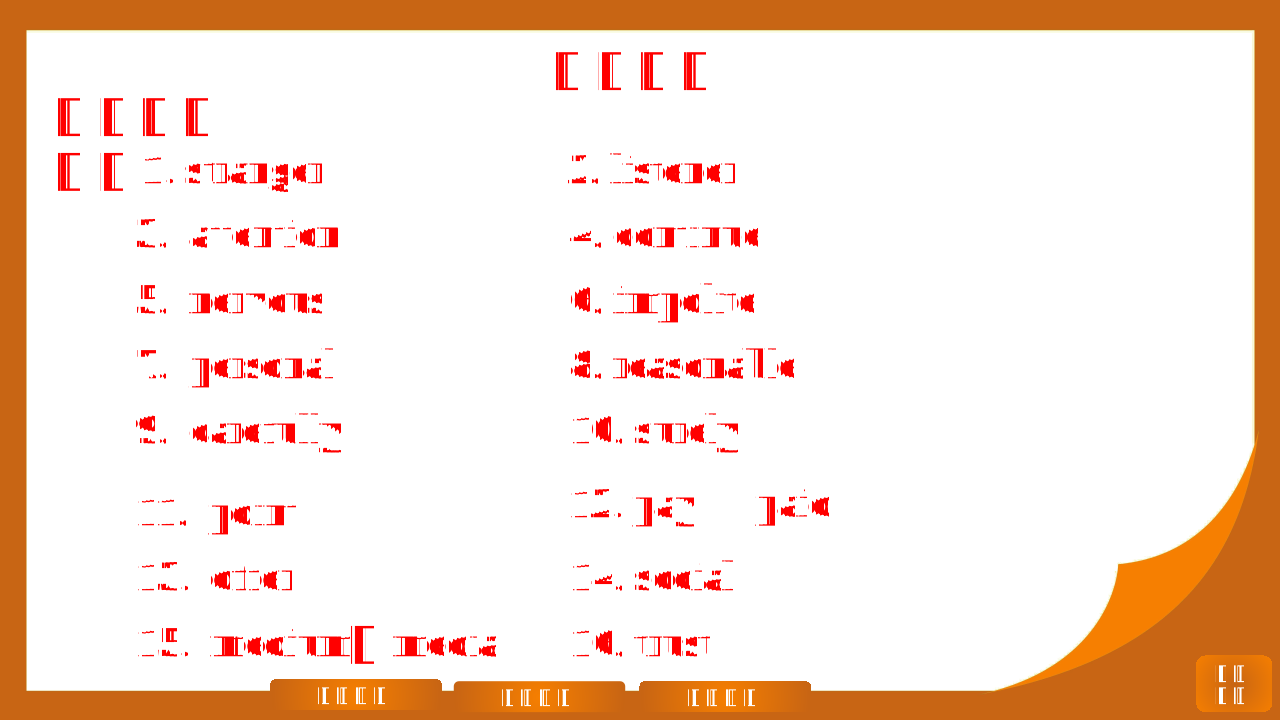
名词
(n.) 1.陌生人 /'streɪndʒə(r)/
2.听者 /'lɪsənə(r)/
3.注意;专心;关注 /ə'tenʃn/
动词(v.) 4.持续;继续做 /kən'tɪnjuː/
stranger
listener
attention
continue
课堂研学
课堂评价
返回
目录
课前导学
形容词
(adj.) 5.担忧的;焦虑的;胆怯的 /'nɜːvəs/
6.不礼貌的;粗鲁的 /̩ɪmpə'laɪt/
7.个人的;私人的 /'pɜːsənl/
8.公平的;合理的 /'riːznəbl/
副词
(adv.) 9.认真地;仔细地;小心地 /'keəfəli/
10.想必;必定 /'ʃʊəli/
nervous
impolite
personal
reasonable
carefully
surely
课堂研学
课堂评价
返回
目录
课前导学
兼词 11.n.观点;重点 v.指向;瞄准 /pɔɪnt/
12.v.付费;交纳;偿还 n.工资;薪水 /peɪ/ . →(过去式)
13.v.提供;主动提出 n.主动提议;出价 /'ɒfə(r)
/
14.adj.社会的;社交的 n.联谊会;联欢会 /'səʊʃl/
point
pay
paid
offer
social
课堂研学
课堂评价
返回
目录
课前导学
兼词
15.n.媒介;手段 adj.中等的;适中的
/'miːdiəm/ →(pl.)
16.n.& v.信任;相信 /trʌst/
medium
media
trust
课堂研学
课堂评价
返回
目录
课前导学
1.(P76)对……表现出兴趣
2.(P76 )与某人争论
3.(P76)换话题;开始做
(别的事)
4.(P76)查明;弄清(情况)
show interest in sth
argue with sb
move on (to sth)
find out
课堂研学
课堂评价
返回
目录
课前导学
5.(P76)注意;关注
6.(P76)行为自然;不做作
7.(P78)社交媒体
8.(P78)(使)远离;避
免……靠近
pay attention(to …)
be yourself
social
media
keep (…)away from …
课堂研学
课堂评价
返回
目录
课前导学
一、阅读教材P76-1b,完成填空内容。
1. This passage is possibly from a (story book / youth magazine).
2. From the pictures and the title, we can know this passage is
probably about .
youth magazine
how to improve conversation skills
课堂研学
课堂评价
返回
目录
课前导学
二、阅读教材P76-1b,回答下列问题。
1. How many tips for making better conversations are given?
2. What are some of the best topics?
3. What should you do if you disagree with others?
Four.
The weather, sports, music, films, food and travel.
If you disagree with others, you should not argue. Instead,move on to another topic.
课堂研学
课堂评价
返回
目录
课前导学
4. Why shouldn’t you pretend to be nice?
5. What kind of body language improves a conversation?
Because people can find out you are not telling the truth.
Stand up straight, smile and be yourself.
课堂研学
课堂评价
返回
目录
课前导学
三、阅读教材P76-1b,完成可视化思维导图。
Listen
points
Choose
travel
impolite
move
strong
pretend
body language
nervous
课堂研学
课堂评价
返回
目录
课前导学
四、阅读教材P76-1b的课文,完成下列短文填空。
conversation point before stand argue if say
sure like on personal something
If you feel nervous when talking to others or find it hard to
chat with strangers, here are some tips for you.
体裁:说明文 难度:★★★☆
建议用时:5分钟 正确率: /10
课堂研学
课堂评价
返回
目录
课前导学
First, listen carefully and show interest in what the other
person is 1. . When someone shares their hobby, ask
questions about it. They will 2. be happy to continue the
conversation.
Choose topics that are easy to talk about, 3. the
weather, sports, music, films, food, or travel. Don’t ask
about 4. things like age or weight. If you disagree with
someone, don’t 5. . Just move on to another topic.
saying
surely
like
personal
argue
课堂研学
课堂评价
返回
目录
课前导学
Be honest and sincere. If you don’t know 6. ,
say “I don’t know much about it.” You can mention the other
person’s strong 7. , but don’t pretend to be nice. People can find out if you’re not telling the truth.
Pay attention to your body language. 8. up straight, smile, and be yourself. Your body language is just as important as your words. 9. you look confident and friendly, people will feel more comfortable talking to you.
If you really work at these tips, you will find having
10. much easier.
something
points
Stand
If
conversations
课堂研学
课堂评价
返回
目录
课前导学
1. If you have such worries, it is time for you to learn some more
conversation skills.
如果你有这样的担忧,是时候学习更多的对话技巧了。(P76)
课堂研学
课堂评价
返回
目录
课前导学
worry动词或名词,意为“担忧,焦虑”。常见的搭配如下:
课堂研学
课堂评价
返回
目录
课前导学
【基础练】
(1)He looks anxious as if he .
.
他看起来很焦虑,好像有什么烦心事。
(2)The heavy rain is the farmers.
大雨是农民们担忧的事情。
(3)【翻译】他有很多烦恼。
has
something
to
worry
about
a
worry
for
He has a lot of worries.
课堂研学
课堂评价
返回
目录
课前导学
2. But don’t just pretend to be nice, because people can find out
you are not telling the truth.
但不要只是假装友好,因为人们会发现你没有说实话。(P76)
课堂研学
课堂评价
返回
目录
课前导学
(1)pretend的用法
pretend动词,意为“假装”。常见的搭配如下:
(2)辨析find, find out, look for的用法
课堂研学
课堂评价
返回
目录
课前导学
find find out look for
侧
重
点 强调结果:已
经找到了某物
或某人 强调过程和结
果:通过调查或
研究查明了某事
的真相 强调过程:正在寻找
某物或某人,但不一
定找到
课堂研学
课堂评价
返回
目录
课前导学
find find out look for
例
句 I found my
keys on the
table.我在桌子
上找到了我的
钥匙。 We found out that
the meeting was
canceled.
我们查明会议被
取消了。 I have been looking for
my keys all morning.
我整个上午都在找我
的钥匙。
课堂研学
课堂评价
返回
目录
课前导学
【基础练】
(4)She when
she saw him in the street.
当她在街上看到他时,她假装不认识他。
(5)She she had finished her homework,
but her teacher knew the truth.
她假装已经完成了作业,但她的老师知道了真相。
pretended
not
to
know
him
pretended
that
课堂研学
课堂评价
返回
目录
课前导学
(6)We need to about
what happened last night.
我们需要查明昨晚发生的事情的真相。
(7)【翻译】孩子们正在公园里寻找他们丢失的球。
find
out
the
truth
The children are looking for their lost ball in the park.
课堂研学
课堂评价
返回
目录
课前导学
一、写出下列单词的正确形式。
1. misunderstand— (n.)误解;误会
2. argue— (n.)争论
3. true— (n.)真相
4. listen— (n.)听者
5. interest— (adj.)感兴趣的
misunderstanding
argument
truth
listener
interested
课堂研学
课堂评价
返回
目录
课前导学
课堂研学
课堂评价
返回
目录
课前导学
二、选出括号中的正确单词。
1. There’s no need to (tell / worry) about the weather for tomorrow’s picnic, because the forecast says it will be sunny
all day.
2. He didn’t (mention / promise) anything about his plans for the weekend when we spoke yesterday.
3. She (expected / pretended) to be asleep when her father came into her room to check on her.
worry
mention
pretended
课堂研学
课堂评价
返回
目录
课前导学
4. We had an interesting (conversation / question) about our favourite books while we were waiting for the bus.
5. The teacher encouraged the students to have
(hand-in-hand / face-to-face) conversations to improve their
communication skills.
conversation
face-to-face
课堂研学
课堂评价
返回
目录
课前导学
三、短文填空。
请从方框内选择适当的词,并根据需要用其正确形式填
空,使文章语法正确、完整连贯,每空一词,有两词为多余
项。
体裁:记叙文 难度:★★★☆
建议用时:5分钟 正确率: /10
课堂研学
课堂评价
返回
目录
课前导学
one polite so hard home clever go they wash why
because with
Danny is a boy of six years old. He begins to 1. to
school this September. He studies very 2. and likes sports
very much. He is a 3. boy and he likes saying “yes”,“please” and “thank you” to others. 4. his teachers and friends all like him.
go
hard
clever
So
课堂研学
课堂评价
返回
目录
课前导学
Last Sunday, Danny and his mother stayed at 5. .
His mother was doing some housework in the living room and
Danny was doing his homework in his bedroom. At nine, Danny’s father came back from the farm 6. a basket of apples. He had a look at his son and then went to his bedroom to watch TV. The boy saw the apples and wanted to eat one of 7. . His mother gave him some and said, “Go and wash them first, please.”
home
with
them
课堂研学
课堂评价
返回
目录
课前导学
After 8. the apples, Danny took the smallest.
His mother saw this and asked, “9. don’t you take
a bigger one, Danny?”
“Teachers always tell us that we should be polite to others
and care about the old, our parents and friends. So I take the
smallest and leave the big 10. for you and Dad.”
“Good boy! Thank you,” said his mother with a smile.
washing
Why
ones
课堂研学
课堂评价
返回
目录
课前导学
知识掌握情况评价:优秀□ 良好□ 还需巩固□ 请完成《分层作业本》P77-P79练习
课堂研学
课堂评价
返回
目录
课前导学
本课件由深圳天骄文化出品,仅限教师教学使用。
本课件所有权和著作权归本公司所有,
任何人不得以非法形式进行销售或传播,违者必究!
谢谢观看
$
资源预览图
1
2

3
4
5

6

相关资源
由于学科网是一个信息分享及获取的平台,不确保部分用户上传资料的 来源及知识产权归属。如您发现相关资料侵犯您的合法权益,请联系学科网,我们核实后将及时进行处理。