Unit 7 The rewards of kindness.派生法记单词 2025-2026学年教科版(五四学制)(2012)九年级英语上册
2025-09-29
|
6页
|
92人阅读
|
0人下载
普通
摘要:
该初中英语单元复习讲义通过表格系统梳理了Unit 7“派生法记单词”的知识体系,构建“原词-派生词-语境应用”的逻辑框架,涵盖名词转动词(如beggar→beg)、形容词转副词(如generous→generously)等派生类型,每个词条搭配中英例句呈现用法,清晰展现词性转换规律和词义内在联系。
讲义的亮点在于“语境化派生记忆”设计,如通过“百万富翁慷慨捐款建学校”(generously例句)将词汇学习与慈善主题结合,培养语言运用能力和文化意识。基础例句帮助学生掌握基本用法,拓展例句(如biographical细节)满足进阶需求,教师可据此实施分层教学,学生能自主梳理派生规律提升学习能力。
内容正文:
教科版九上 Unit 7 The rewards of kindness.派生法记单词
序号
原词
例句
派生词
例句
1
beggar /ˈbeɡə(r)/ n. 乞丐
1. The old man became a street beggar after losing his home.(老人失去家后成了街头乞丐。)2. We should show kindness to the beggar instead of ignoring him.(我们应对乞丐友善,而非忽视他。)
1. beg /beɡ/ v. 乞讨;恳求
1. The hungry child had to beg for food on the street.(饥饿的孩子不得不沿街乞讨食物。)2. She begged her parents to let her keep the stray cat.(她恳求父母让她留下这只流浪猫。)
2
appointment /əˈpɔɪntmənt/ n. 约会;预约
1. I need to make an appointment with the dentist tomorrow.(我明天需要和牙医预约。)2. He forgot his appointment with the teacher and felt sorry.(他忘了和老师的约定,感到很抱歉。)
1. appoint /əˈpɔɪnt/ v. 任命;约定
1. We agreed to appoint 3 o'clock as the meeting time.(我们约定下午3点为会议时间。)2. The headmaster appointed her as the monitor of our class.(校长任命她为我们班的班长。)
3
generous /ˈdʒenərəs/ adj. 慷慨的,大方的
1. My uncle is generous to the poor and often gives them money.(我叔叔对穷人很慷慨,经常给他们钱。)2. She received a generous gift from her friend on her birthday.(生日那天,她收到了朋友送的一份大方的礼物。)
1. generously /ˈdʒenərəsli/ adv. 慷慨地
1. The millionaire donated money generously to build schools.(这位百万富翁慷慨捐款建学校。)2. He treats his classmates generously and shares his snacks with them.(他大方对待同学,和他们分享零食。)
4
poetry /ˈpəʊətri/ n. 诗歌(总称)
1. We learned some classical poetry in Chinese class today.(我们今天语文课上学了一些古典诗歌。)2. She enjoys reading poetry because it makes her feel peaceful.(她喜欢读诗,因为诗能让她感到平静。)
1. poem /ˈpəʊɪm/ n. 诗歌(一首)2. poet /ˈpəʊɪt/ n. 诗人
1. He wrote a beautiful poem for his mother on Mother's Day.(母亲节那天,他给妈妈写了一首优美的诗。)2. Li Bai is a famous poet in the Tang Dynasty of China.(李白是中国唐朝的一位著名诗人。)
5
biography /baɪˈɒɡrəfi/ n. 传记
1. I read a biography of Yuan Longping and admired him a lot.(我读了袁隆平的传记,非常敬佩他。)2. The writer spent three years finishing the biography of the scientist.(这位作家花了三年时间完成了这位科学家的传记。)
1. biographer /baɪˈɒɡrəfə(r)/ n. 传记作者2. biographical /ˌbaɪəˈɡræfɪkl/ adj. 传记的(初中拓展)
1. The biographer interviewed many people to write the star's biography.(传记作者采访了很多人来写这位明星的传记。)2. She dreams of becoming a biographer and writing about great people.(她梦想成为一名传记作者,撰写伟人的故事。)3. The book includes many biographical details of the artist's life.(这本书包含了这位艺术家生平的许多传记细节。)4. The teacher asked us to write a short biographical story about our idols.(老师让我们写一篇关于偶像的简短传记故事。)
6
orphan /ˈɔːfən/ n. 孤儿;v. 使成为孤儿
1. The kind woman decided to adopt an orphan from the orphanage.(这位善良的女士决定从孤儿院收养一名孤儿。)2. The war orphaned many children and made them homeless.(战争让许多孩子成为孤儿,变得无家可归。)
orphaned /ˈɔːfənd/ adj. 成为孤儿的
1. Many orphaned children are taken care of in the welfare home.(许多孤儿在福利院得到照顾。)2. The orphaned baby was found by a policeman and sent to the hospital.(这个弃婴被警察发现,送到了医院。)
7
wicked /ˈwɪkd/ adj. 邪恶的;恶劣的
1. The wicked man stole money from the old lady.(那个恶人偷了老太太的钱。)2. We had to stay at home because of the wicked rainstorm.(因为恶劣的暴雨,我们不得不待在家里。)
1. wickedly /ˈwɪkɪdli/ adv. 邪恶地;恶劣地
1. The villain laughed wickedly and planned to hurt others.(反派邪笑着,计划伤害别人。)2. He acted wickedly and was punished by the police.(他作恶多端,受到了警察的惩罚。)
8
cruel /ˈkruːəl/ adj. 残酷的;残忍的
1. It's cruel to treat small animals like that.(那样对待小动物太残忍了。)2. The cruel king made his people live a hard life.(这位残酷的国王让他的子民过着艰难的生活。)
1. cruelly /ˈkruːəli/ adv. 残酷地
1. The hunter killed the deer cruelly and didn't feel sorry.(猎人残忍地杀死了鹿,毫无愧疚。)2. She cried when she saw the dog being treated cruelly.(看到狗被残忍对待,她哭了。)
9
tiny /ˈtaɪni/ adj. 很小的;微小的
1. There is a tiny bird singing on the branch.(树枝上有一只小鸟在唱歌。)2. The tiny particles in the air are bad for our health.(空气中的微小颗粒对我们的健康有害。)
1. tinier /ˈtaɪniə(r)/ adj. 更小的(比较级)2. tiniest /ˈtaɪniɪst/ adj. 最小的(最高级)
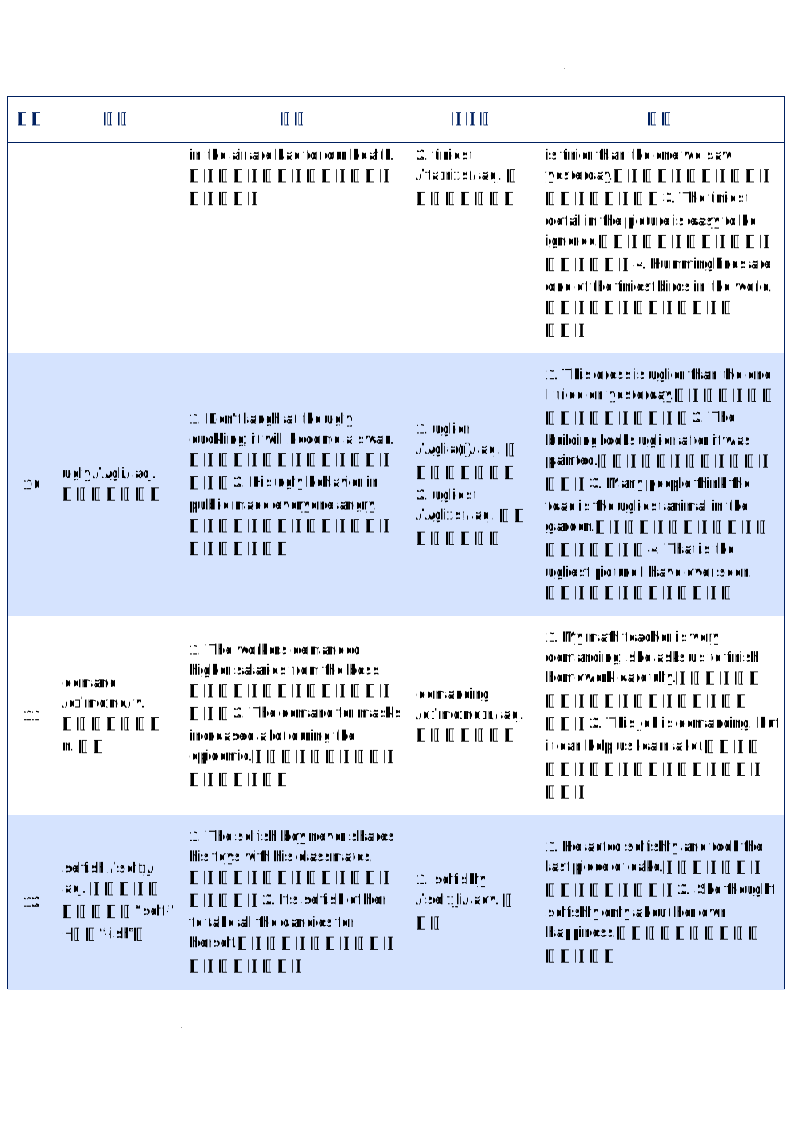
1. My bedroom is tinier than my sister's, but I like it.(我的卧室比姐姐的小,但我喜欢它。)2. This ant is tinier than the one we saw yesterday.(这只蚂蚁比我们昨天看到的那只更小。)3. The tiniest detail in the picture is easy to be ignored.(图片中最细微的细节很容易被忽略。)4. Hummingbirds are one of the tiniest birds in the world.(蜂鸟是世界上最小的鸟类之一。)
10
ugly /ˈʌɡli/ adj. 丑陋的;难看的
1. Don't laugh at the ugly duckling; it will become a swan.(别嘲笑丑小鸭,它会变成天鹅的。)2. His ugly behavior in public made everyone angry.(他在公共场合难看的举止让所有人都生气。)
1. uglier /ˈʌɡliə(r)/ adj. 更丑的(比较级)2. ugliest /ˈʌɡliɪst/ adj. 最丑的(最高级)
1. This dress is uglier than the one I tried on yesterday.(这条裙子比我昨天试的那条更丑。)2. The building looks uglier after it was painted.(这栋楼刷漆后看起来更丑了。)3. Many people think the toad is the ugliest animal in the garden.(很多人认为蟾蜍是花园里最丑的动物。)4. That is the ugliest picture I have ever seen.(那是我见过的最丑的画。)
11
demand /dɪˈmɑːnd/ v.(坚决)要求;n. 需求
1. The workers demanded higher salaries from the boss.(工人们向老板坚决要求提高工资。)2. The demand for masks increased a lot during the epidemic.(疫情期间,口罩的需求大幅增加。)
demanding /dɪˈmɑːndɪŋ/ adj. 苛求的;费力的
1. My math teacher is very demanding; she asks us to finish homework carefully.(我的数学老师很苛刻,要求我们认真完成作业。)2. This job is demanding, but it can help us learn a lot.(这份工作很费力,但能帮我们学到很多东西。)
12
selfish /ˈselfɪʃ/ adj. 自私的(合成词,前缀“self-”+后缀“-ish”)
1. The selfish boy never shares his toys with his classmates.(这个自私的男孩从不和同学分享玩具。)2. It's selfish of her to take all the candies for herself.(她把所有糖果都留给自己,太自私了。)
1. selfishly /ˈselfɪʃli/ adv. 自私地
1. He acted selfishly and took the last piece of cake.(他自私地拿走了最后一块蛋糕。)2. She thought selfishly only about her own happiness.(她自私地只考虑自己的幸福。)
13
hug /hʌɡ/ v. 拥抱;n. 拥抱
1. The mother hugged her daughter tightly when she came back.(女儿回来时,妈妈紧紧拥抱了她。)2. He gave his best friend a big hug before leaving.(离开前,他给了好朋友一个大大的拥抱。)
hugging /ˈhʌɡɪŋ/ n. 拥抱(行为);adj. 拥抱的
1. The hugging between the two old friends made everyone feel warm.(两位老朋友的拥抱让所有人都感到温暖。)2. There is a touching hugging scene in the movie.(电影里有一个感人的拥抱场景。)
14
charity /ˈtʃærəti/ n. 慈善;救济
1. Our school holds a charity sale every year to help poor students.(我们学校每年举办义卖活动帮助贫困学生。)2. She devotes much of her time to charity work.(她把很多时间投入到慈善工作中。)
1. charitable /ˈtʃærətəbl/ adj. 慈善的;仁慈的
1. This charitable organization helps homeless people find homes.(这个慈善机构帮助无家可归者找到住处。)2. We should be charitable to those who are in trouble.(我们应对有困难的人仁慈。)
15
well-liked /ˌwel ˈlaɪkt/ adj. 讨人喜欢的;受欢迎的(合成词,“well”+“liked”)
1. Miss Li is a well-liked teacher because she is kind to students.(李老师是位受欢迎的老师,因为她对学生很好。)2. The new student is well-liked by his classmates soon.(这位新同学很快就受同学们喜欢了。)
like /laɪk/ v. 喜欢
1. I like reading storybooks in my free time.(我空闲时喜欢读故事书。)2. He is liked by everyone because he is honest.(他因为诚实,受到所有人的喜欢。)
16
relationship /rɪˈleɪʃənʃɪp/ n. 关系
1. We should try our best to improve our relationship with classmates.(我们应努力改善和同学的关系。)2. The relationship between the two countries has become better.(两国之间的关系变好了。)
1. relate /rɪˈleɪt/ v. 联系;涉及2. relation /rɪˈleɪʃn/ n. 关系;亲戚3. related /rɪˈleɪtɪd/ adj. 相关的
1. This story relates to a little girl's adventure.(这个故事涉及一个小女孩的冒险经历。)2. Can you relate what happened to the teacher?(你能把发生的事告诉老师吗?)3. My uncle is a close relation of my family.(我叔叔是我家的近亲。)4. We have good business relations with that company.(我们和那家公司有良好的业务关系。)5. These two events are closely related to each other.(这两件事彼此密切相关。)6. The teacher asked us to discuss related topics in groups.(老师让我们分组讨论相关话题。)
17
frequently /ˈfriːkwəntli/ adv. 经常地,频繁地
1. She frequently visits her grandparents on weekends.(她周末经常去看望祖父母。)2. The accident frequently happens at this crossroads.(这个十字路口经常发生事故。)
1. frequent /ˈfriːkwənt/ adj. 频繁的;经常的2. frequency /ˈfriːkwənsi/ n. 频率(初中拓展)
1. He makes frequent trips to Beijing for work.(他因工作频繁去北京出差。)2. There are frequent rains in this city in summer.(这座城市夏天经常下雨。)3. The frequency of the bus is every 10 minutes.(公交车的发车频率是每10分钟一班。)4. We need to reduce the frequency of playing video games.(我们需要降低玩电子游戏的频率。)
18
southwards /ˈsaʊθwədz/ adv. 向南方
1. The birds fly southwards when winter comes.(冬天来临时,鸟儿向南飞。)2. They decided to travel southwards to spend the holiday.(他们决定向南旅行度假。)
1. south /saʊθ/ n. 南方;adj. 南方的2. southern /ˈsʌðən/ adj. 南方的
1. Guangzhou is a city in the south of China.(广州是中国南方的一座城市。)2. The south wind brings warm weather in spring.(春风带来了温暖的天气。)3. Many southern cities are famous for their delicious food.(许多南方城市以美食闻名。)4. We plan to visit some southern provinces next summer.(明年夏天我们计划去一些南方省份游玩。)
19
cave /keɪv/ n. 山洞,洞穴;v. 凹陷;屈服
1. The explorers found many ancient paintings in the deep cave.(探险家们在深洞里发现了许多古画。)2. The roof of the old house caved in because of the heavy rain.(老房子的屋顶因大雨塌陷了。)
caving /ˈkeɪvɪŋ/ n. 洞穴探险(运动)
1. Some students like to go caving during the summer vacation.(一些学生暑假喜欢去洞穴探险。)2. We need to prepare professional caving equipment before going.(去之前我们需要准备专业的洞穴探险装备。)
20
up-to-date /ˌʌp tə ˈdeɪt/ adj. 最新的(合成词,“up to”+“date”)
1. You can get up-to-date news from this app.(你可以从这个应用获取最新新闻。)2. The company uses up-to-date technology to make products.(这家公司用最新技术生产产品。)
date /deɪt/ n. 日期;v. 约会
1. What's the date today? I need to write it on the paper.(今天几号?我要写在纸上。)2. They decided to date at the coffee shop this Saturday.(他们决定这周六在咖啡店约会。)3. We should set a date for the next meeting as soon as possible.(我们应尽快确定下次会议的日期。)4. This story dates back to two hundred years ago.(这个故事可以追溯到两百年前。)
21
fashionable /ˈfæʃənəb(ə)l/ adj. 时髦的,流行的
1. Wearing jeans is fashionable among young people now.(现在年轻人穿牛仔裤很时髦。)2. She bought a fashionable dress for the party.(她为派对买了一条时髦的裙子。)
1. fashion /ˈfæʃn/ n. 时尚;流行款式
1. Many girls like to follow the latest fashion.(很多女孩喜欢追最新的时尚潮流。)2. This year's fashion is loose and comfortable clothes.(今年的流行款式是宽松舒适的衣服。)
22
out-of-date /ˌaʊt əv ˈdeɪt/ adj. 过时的(合成词,“out of”+“date”)
1. His ideas are out-of-date and don't fit the new times.(他的想法过时了,不符合新时代。)2. Don't wear that out-of-date coat; it looks old.(别穿那件过时的外套了,看起来很旧。)
date /deɪt/ n. 日期
1. The letter is out-of-date because the date is last month.(这封信过时了,因为日期是上个月的。)2. We should throw away out-of-date documents.(我们应扔掉过时的文件。)
学科网(北京)股份有限公司
$
资源预览图

1

2
3
相关资源
示范课
由于学科网是一个信息分享及获取的平台,不确保部分用户上传资料的 来源及知识产权归属。如您发现相关资料侵犯您的合法权益,请联系学科网,我们核实后将及时进行处理。