Unit 7 The rewards of kindness. 同步词汇笔记 -2025-2026学年教科版(五四学制)(2012)九年级英语上册
2025-09-13
|
6页
|
51人阅读
|
3人下载
普通
内容正文:
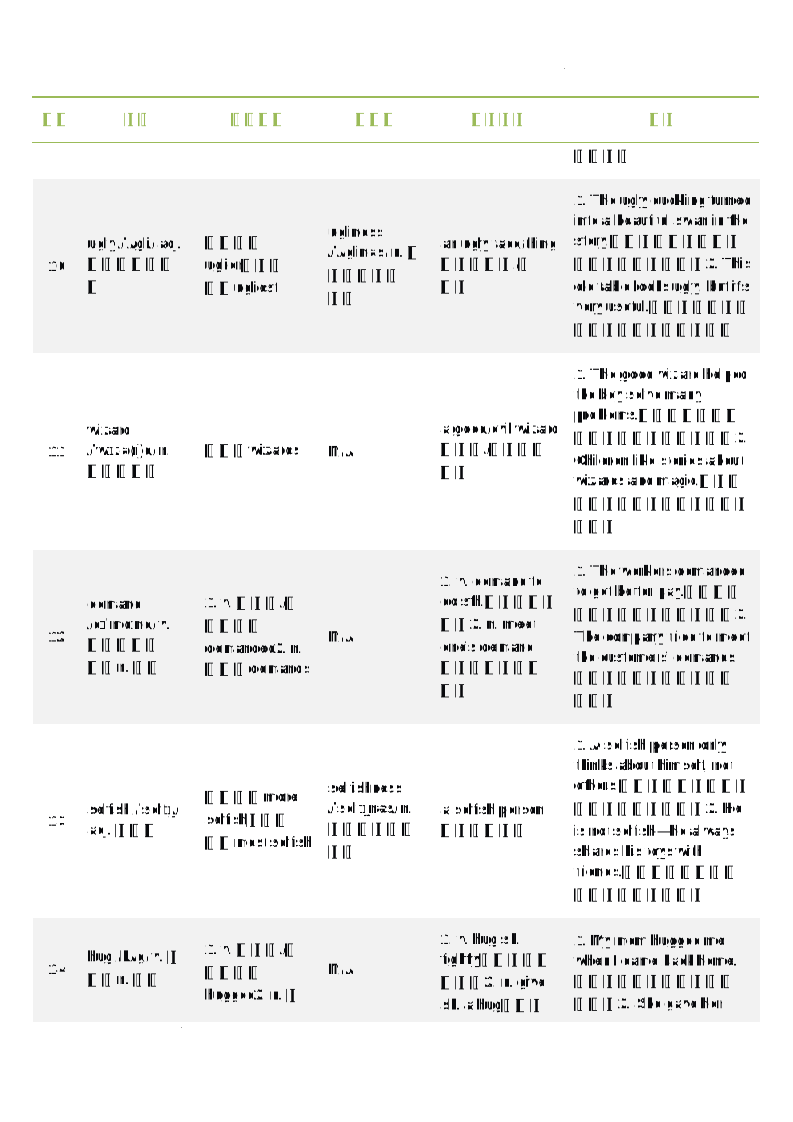
教科版 九上UNIT 7 The rewards of kindness. 同步词汇笔记
序号
单词
词形变化
派生词
核心考点
例句
1
beggar /ˈbeɡə(r)/ n. 乞丐
复数:beggars
beg /beɡ/ v. 乞讨;恳求
表“以乞讨为生的人”(基础名词用法)
1. The old man gave some food to the beggar on the street.(老人给了街上的乞丐一些食物。)2. We should not laugh at beggars—we can help them if possible.(我们不应该嘲笑乞丐,有能力就帮帮他们。)
2
appointment /əˈpɔɪntmənt/ n. 约会;预约
复数:appointments
appoint /əˈpɔɪnt/ v. 安排;任命
1. make an appointment(预约)2. keep an appointment(守约)
1. I need to make an appointment with the dentist next week.(我下周要和牙医预约。)2. She always keeps her appointments, so everyone trusts her.(她总是守约,所以大家都信任她。)
3
generous /ˈdʒenərəs/ adj. 慷慨的,大方的
比较级:more generous;最高级:most generous
generosity /ˌdʒenəˈrɒsəti/ n. 慷慨
be generous with sth.(在某物上慷慨)
1. My uncle is generous with his money—he often donates to charity.(我叔叔在钱上很大方,经常捐钱做慈善。)2. She is generous with her time and helps classmates with homework.(她在时间上很慷慨,经常帮同学辅导作业。)
4
poetry /ˈpəʊətri/ n. 诗歌(总称)
不可数名词,无复数
poem /ˈpəʊɪm/ n. 诗(单首)
表“诗歌类别”,与“poem”区分
1. We learned some Chinese poetry in literature class.(我们在文学课上学了一些中国诗歌。)2. Her favorite hobby is reading poetry before bed.(她最喜欢的爱好是睡前读诗歌。)
5
biography /baɪˈɒɡrəfi/ n. 传记
复数:biographies(变y为i加es)
biographical /ˌbaɪəˈɡræfɪkl/ adj. 传记的(初中选学)
read a biography of sb.(读某人的传记)
1. He read a biography of Einstein and learned a lot about him.(他读了爱因斯坦的传记,了解了很多关于他的事。)2. The teacher recommended a biography of a famous writer to us.(老师给我们推荐了一本著名作家的传记。)
6
orphan /ˈɔːfən/ n. 孤儿;v. 使成为孤儿(初中主考名词)
1. n. 复数:orphans2. v. 过去式/过去分词:orphaned
N/A
help orphans(帮助孤儿)
1. Many kind people donate clothes and books to orphans.(很多好心人给孤儿捐衣服和书。)2. The orphanage takes good care of all the orphans there.(孤儿院把那里的孤儿照顾得很好。)
7
wicked /ˈwɪkd/ adj. 邪恶的;恶劣的
比较级:more wicked;最高级:most wicked
wickedly /ˈwɪkɪdli/ adv. 邪恶地(初中选学)
a wicked person/thing(邪恶的人/事物)
1. The wicked witch in the story wanted to hurt the princess.(故事里的邪恶女巫想伤害公主。)2. He did a wicked thing by lying to his parents.(他对父母撒谎,做了件恶劣的事。)
8
cruel /ˈkruːəl/ adj. 残酷的;残忍的
比较级:crueler/more cruel;最高级:cruelest/most cruel
cruelty /ˈkruːəlti/ n. 残酷
be cruel to sb./sth.(对某人/某物残酷)
1. It is cruel to kick small animals.(踢小动物是残忍的。)2. The cruel man never helped people in trouble.(那个残酷的人从不帮有困难的人。)
9
tiny /ˈtaɪni/ adj. 很小的;微小的
比较级:tinier;最高级:tiniest
N/A
a tiny animal/object(微小的动物/物体)
1. There is a tiny insect on the leaf—can you see it?(叶子上有只小虫子,你能看见吗?)2. She gave me a tiny gift for my birthday.(她给了我一个小小的生日礼物。)
10
ugly /ˈʌɡli/ adj. 丑陋的;难看的
比较级:uglier;最高级:ugliest
ugliness /ˈʌɡlinəs/ n. 丑陋(初中选学)
an ugly face/thing(难看的脸/事物)
1. The ugly duckling turned into a beautiful swan in the story.(故事里的丑小鸭变成了美丽的天鹅。)2. This old table looks ugly, but it’s very useful.(这张旧桌子看起来难看,但很有用。)
11
wizard /ˈwɪzə(r)d/ n. 巫师;术士
复数:wizards
N/A
a good/evil wizard(善良/邪恶的巫师)
1. The good wizard helped the boy solve many problems.(善良的巫师帮男孩解决了很多难题。)2. Children like stories about wizards and magic.(孩子们喜欢关于巫师和魔法的故事。)
12
demand /dɪˈmɑːnd/ v.(坚决)要求;n. 要求
1. v. 过去式/过去分词:demanded2. n. 复数:demands
N/A
1. v. demand to do sth.(要求做某事)2. n. meet one’s demand(满足某人的要求)
1. The workers demanded to get better pay.(工人们要求得到更高的工资。)2. The company tried to meet the customers’ demands.(公司努力满足顾客的要求。)
13
selfish /ˈselfɪʃ/ adj. 自私的
比较级:more selfish;最高级:most selfish
selfishness /ˈselfɪʃnəs/ n. 自私(初中选学)
a selfish person(自私的人)
1. A selfish person only thinks about himself, not others.(自私的人只考虑自己,不考虑别人。)2. He is not selfish—he always shares his toys with friends.(他不自私,总是和朋友分享玩具。)
14
hug /hʌɡ/ v. 拥抱;n. 拥抱
1. v. 过去式/过去分词:hugged2. n. 复数:hugs
N/A
1. v. hug sb. tightly(紧紧拥抱某人)2. n. give sb. a hug(给某人一个拥抱)
1. My mom hugged me when I came back home.(我回家时,妈妈拥抱了我。)2. She gave her best friend a hug before leaving.(离开前,她给了最好的朋友一个拥抱。)
15
charity /ˈtʃærəti/ n. 慈善;慈善机构
1. 表“慈善”:不可数2. 表“慈善机构”:复数charities
charitable /ˈtʃærətəbl/ adj. 慈善的(初中选学)
1. do charity work(做慈善工作)2. donate to charity(捐钱给慈善机构)
1. Many people do charity work on weekends.(很多人周末做慈善工作。)2. We donated some books to a local charity.(我们给当地一家慈善机构捐了一些书。)
16
well-liked /ˌwel ˈlaɪkt/ adj. 讨人喜欢的;受欢迎的
无比较级/最高级(复合形容词,无程度变化)
N/A
a well-liked student/teacher(受欢迎的学生/老师)
1. She is a well-liked student because she is kind to everyone.(她是个受欢迎的学生,因为她对所有人都友好。)2. The new teacher is well-liked by all the students.(新来的老师受所有学生喜欢。)
17
relationship /rɪˈleɪʃənʃɪp/ n. 关系(人际/事物间)
复数:relationships
relate /rɪˈleɪt/ v. 联系;有关联
1. relationship between A and B(A和B之间的关系)2. good relationship(良好的关系)
1. She has a good relationship with her classmates.(她和同学关系很好。)2. The book talks about the relationship between parents and children.(这本书讲的是父母和孩子之间的关系。)
18
frequently /ˈfriːkwəntli/ adv. 经常地,频繁地
无词形变化
frequent /ˈfriːkwənt/ adj. 频繁的
frequently do sth.(经常做某事)
1. He frequently visits his grandparents on weekends.(他周末经常去看祖父母。)2. It rains frequently in this city in summer.(这个城市夏天经常下雨。)
19
southwards /ˈsaʊθwədz/ adv. 向南方
无词形变化(=southward)
south /saʊθ/ n. 南方;adj. 南方的
move/travel southwards(向南移动/旅行)
1. Birds fly southwards in winter to find warm places.(鸟类冬天向南飞,寻找温暖的地方。)2. The river flows southwards into the sea.(这条河向南流入大海。)
20
cave /keɪv/ n. 山洞,洞穴
复数:caves
N/A
1. live in a cave(住在山洞里)2. explore a cave(探索洞穴)
1. Ancient people used to live in caves to avoid cold.(古代人过去住在山洞里避寒。)2. We went to explore a small cave during our field trip.(实地考察时,我们去探索了一个小山洞。)
21
up-to-date /ˌʌp tə ˈdeɪt/ adv. 最新式地;adj. 最新的
无词形变化(复合词)
N/A
1. adj. up-to-date information(最新信息)2. adj. up-to-date clothes(最新款衣服)
1. You can get up-to-date news from this app.(你可以从这个应用获取最新新闻。)2. She always wears up-to-date clothes and looks fashionable.(她总是穿最新款的衣服,看起来很时髦。)
22
fashionable /ˈfæʃənəb(ə)l/ adj. 时髦的,流行的
比较级:more fashionable;最高级:most fashionable
fashion /ˈfæʃn/ n. 时尚;流行
fashionable clothes/hairstyle(时髦的衣服/发型)
1. This kind of skirt is very fashionable this year.(这种裙子今年很流行。)2. She likes to wear fashionable clothes to parties.(她喜欢穿时髦的衣服去派对。)
23
keep up with /kiːp ʌp wɪð/ 短语 跟上;不落后
无词形变化(keep过去式kept,短语过去式kept up with)
N/A
1. keep up with sb.(跟上某人)2. keep up with the times(与时俱进)
1. I need to run fast to keep up with my friends.(我得快跑才能跟上朋友们。)2. We should learn new things to keep up with the times.(我们应该学新东西,与时俱进。)
24
retro /ˈretrəʊ/ adj.(时装和设计)复旧的,重新流行的
无词形变化
N/A
retro clothes/design(复旧款衣服/设计)
1. Many young people like to wear retro clothes these days.(现在很多年轻人喜欢穿复旧款衣服。)2. This retro bag looks old but very stylish.(这个复旧款包看起来旧,但很有型。)
25
get tired of /ɡet taɪəd ɒv/ 短语 对……厌烦了
无词形变化(get过去式got,短语过去式got tired of)
N/A
get tired of doing sth.(厌烦做某事)
1. I get tired of watching TV every day—I want to read books instead.(我厌烦了每天看电视,想换成看书。)2. She got tired of eating the same food for lunch.(她厌烦了午饭吃同样的食物。)
26
out-of-date /ˌaʊt əv ˈdeɪt/ adv. 过时地;adj. 过时的
无词形变化(复合词)
N/A
1. adj. out-of-date clothes(过时的衣服)2. adj. out-of-date information(过时的信息)
1. This mobile phone is out-of-date—many functions don’t work.(这部手机过时了,很多功能用不了。)2. Don’t use out-of-date maps—they may lead you wrong.(别用过时的地图,可能会让你走错路。)
学科网(北京)股份有限公司
$
资源预览图

1

2
3
相关资源
示范课
由于学科网是一个信息分享及获取的平台,不确保部分用户上传资料的 来源及知识产权归属。如您发现相关资料侵犯您的合法权益,请联系学科网,我们核实后将及时进行处理。