Unit 2 Lessons in life 词汇拓展短语背记 清单-2024-2025学年高中英语外研版选择性必修第四册
2025-09-23
|
12页
|
305人阅读
|
65人下载
普通
资源信息
| 学段 | 高中 |
|---|---|
| 学科 | 英语 |
| 教材版本 | 高中英语外研版选择性必修第四册 |
| 年级 | 高二 |
| 章节 | Unit 2 Lessons in Life |
| 类型 | 学案-知识清单 |
| 知识点 | - |
| 使用场景 | 同步教学-单元练习 |
| 学年 | 2025-2026 |
| 地区(省份) | 全国 |
| 地区(市) | - |
| 地区(区县) | - |
| 文件格式 | DOCX |
| 文件大小 | 45 KB |
| 发布时间 | 2025-09-23 |
| 更新时间 | 2025-09-23 |
| 作者 | 匿名 |
| 品牌系列 | - |
| 审核时间 | 2025-09-23 |
| 下载链接 | https://m.zxxk.com/soft/54046640.html |
| 价格 | 0.00储值(1储值=1元) |
| 来源 | 学科网 |
摘要:
该高中英语单元词汇拓展清单系统整理了“Lessons in life”单元的核心短语,涵盖动词短语、形容词短语、名词短语等知识范畴,为学生搭建了从基础搭配记忆到语境应用实践的渐进式学习支架。
清单按核心词分类呈现知识体系,如“reunited with”拓展“family”“old friends”“lost belongings”等搭配,每个短语配两个中英对照例句,体现语言能力培养。通过“动词+不同宾语”“形容词+不同介词”的关联设计,如“weaken the body”“weaken one's resolve”,帮助学生掌握多维度应用,实用的语境例句支持不同水平学生高效学习,既便于学生自主积累词汇,也为教师词汇教学提供丰富素材。
内容正文:
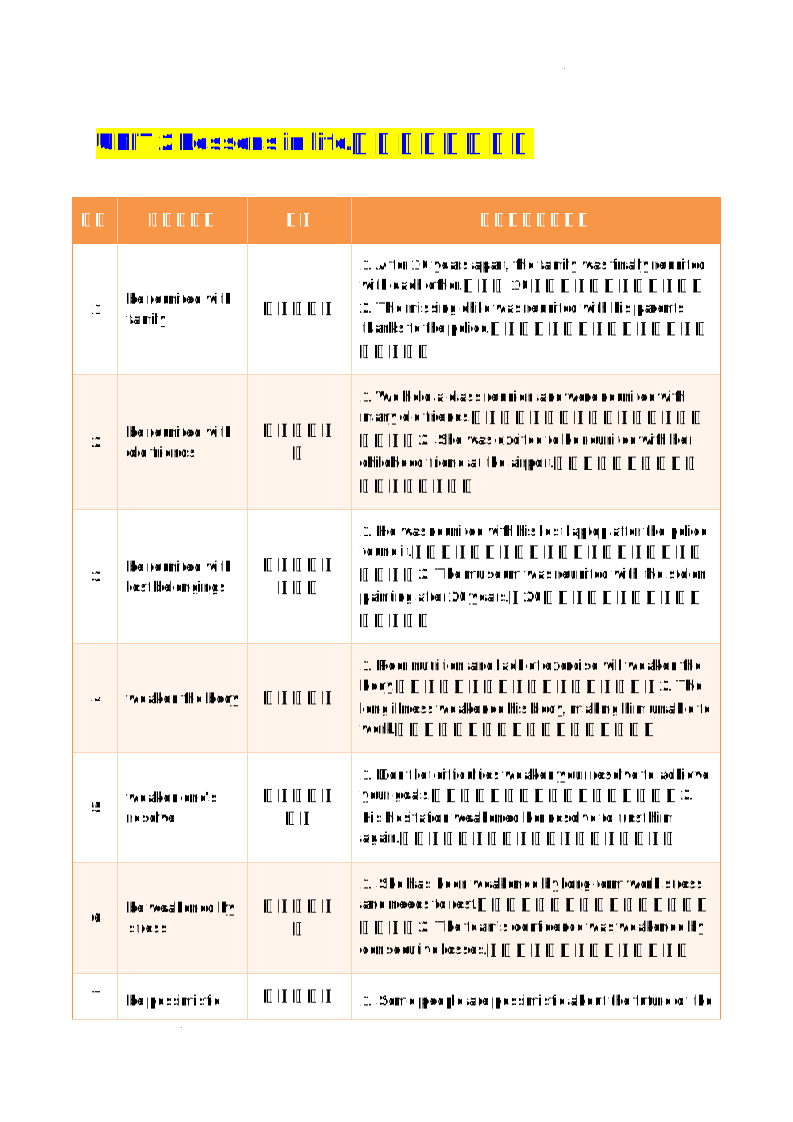
UNIT 2 Lessons in life.词汇拓展短语背记
序号
短语或句型
意思
例句(中英对照)
1
be reunited with family
与家人重聚
1. After 10 years apart, the family was finally reunited with each other.(分离10年后,这家人终于重聚。)2. The missing child was reunited with his parents thanks to the police.(多亏警方帮助,走失的孩子与父母重聚。)
2
be reunited with old friends
与老朋友重聚
1. We held a class reunion and were reunited with many old friends.(我们举办了同学会,与许多老朋友重聚。)2. She was excited to be reunited with her childhood friend at the airport.(在机场与童年好友重聚,她很兴奋。)
3
be reunited with lost belongings
与丢失的物品重聚
1. He was reunited with his lost laptop after the police found it.(警方找到丢失的笔记本电脑后,他终于取回了它。)2. The museum was reunited with the stolen painting after 20 years.(20年后,博物馆找回了被盗的画作。)
4
weaken the body
使身体虚弱
1. Poor nutrition and lack of exercise will weaken the body.(营养不良和缺乏运动会使身体虚弱。)2. The long illness weakened his body, making him unable to work.(长期患病让他身体虚弱,无法工作。)
5
weaken one's resolve
削弱某人的决心
1. Don’t let difficulties weaken your resolve to achieve your goals.(别让困难削弱你实现目标的决心。)2. His hesitation weakened her resolve to trust him again.(他的犹豫削弱了她再次信任他的决心。)
6
be weakened by stress
因压力而虚弱
1. She has been weakened by long-term work stress and needs to rest.(长期工作压力让她身体虚弱,需要休息。)2. The team’s confidence was weakened by consecutive losses.(连续失利让团队信心受挫。)
7
be pessimistic about the future
对未来悲观
1. Some people are pessimistic about the future of the environment due to pollution.(因污染问题,一些人对环境未来持悲观态度。)2. Don’t be so pessimistic about the future—hard work will bring hope.(别对未来这么悲观,努力会带来希望。)
8
pessimistic view of life
悲观的人生观
1. His pessimistic view of life makes him always focus on the bad side of things.(他悲观的人生观让他总盯着事情的坏处。)2. Reading positive books helped her change her pessimistic view of life.(读积极的书籍帮她改变了悲观的人生观。)
9
be pessimistic about exam results
对考试结果悲观
1. He is pessimistic about his exam results because he didn’t finish the last question.(因没做完最后一题,他对考试结果很悲观。)2. She tried not to be pessimistic about her math results and planned to review more.(她努力不对数学成绩悲观,计划加强复习。)
10
anticipate difficulties
预料到困难
1. We should anticipate difficulties in advance and prepare solutions.(我们应提前预料困难,准备应对方案。)2. The project manager anticipated potential difficulties and made backup plans.(项目经理预料到潜在困难,制定了备用计划。)
11
anticipate sb's arrival
预期某人的到来
1. She prepared snacks to anticipate her guests’ arrival.(为迎接客人到来,她准备了点心。)2. The company arranged a car to anticipate the client’s arrival at the airport.(公司安排车辆,等候客户抵达机场。)
12
anticipate a positive outcome
预期积极的结果
1. We anticipate a positive outcome of the negotiation if both sides cooperate.(若双方合作,我们预期谈判会有积极结果。)2. The scientist anticipated a positive outcome of the experiment after months of preparation.(经过数月准备,科学家预期实验会有积极结果。)
13
personal possessions
个人财物
1. Please keep your personal possessions with you in public places.(在公共场所请随身携带个人财物。)2. She lost all her personal possessions in the flood.(洪水冲走了她所有的个人财物。)
14
take possession of a house
占有一栋房子
1. They took possession of their new house after paying the final fee.(付清尾款后,他们正式入住新房。)2. The museum will take possession of the ancient relic next month.(博物馆下月将接收这件古代文物。)
15
in possession of evidence
持有证据
1. The police are in possession of evidence that proves his innocence.(警方持有能证明他无罪的证据。)2. She was in possession of important documents related to the case.(她持有与案件相关的重要文件。)
16
abnormal temperature
异常体温
1. The nurse found the patient had an abnormal temperature and reported it to the doctor.(护士发现病人体温异常,立即报告医生。)2. An abnormal temperature is usually a sign of illness.(体温异常通常是生病的信号。)
17
abnormal behavior
反常行为
1. His abnormal behavior, such as talking to himself, worried his family.(他自言自语等反常行为让家人很担心。)2. The teacher noticed the student’s abnormal behavior and asked if he was okay.(老师注意到学生的反常行为,询问他是否还好。)
18
abnormal test results
异常的测试结果
1. The doctor explained that the abnormal test results needed further check.(医生说明,异常的测试结果需要进一步检查。)2. Abnormal blood test results made her nervous about her health.(异常的血液检测结果让她担心自己的健康。)
19
widespread concern
广泛关注
1. The problem of food safety has caused widespread concern among the public.(食品安全问题引起了公众的广泛关注。)2. There is widespread concern about the impact of AI on jobs.(人工智能对就业的影响受到广泛关注。)
20
widespread use of apps
应用程序的广泛使用
1. The widespread use of mobile apps has changed people’s daily lives.(移动应用的广泛使用改变了人们的日常生活。)2. Widespread use of educational apps helps students study more conveniently.(教育类应用的广泛使用让学生学习更便捷。)
21
widespread谣言
广泛传播的谣言
1. We should not spread widespread rumors that may cause panic.(我们不应传播可能引发恐慌的谣言。)2. The government quickly clarified the widespread rumor to stabilize public mood.(政府迅速澄清谣言,稳定公众情绪。)
22
gain recognition for one's work
工作获得认可
1. She gained recognition for her work in environmental protection and won an award.(她在环保领域的工作获得认可,还赢得了奖项。)2. The designer finally gained recognition for his creative work after years of effort.(经过多年努力,这位设计师的创意作品终于获得认可。)
23
international recognition
国际认可
1. The Chinese traditional art has won international recognition in recent years.(近年来,中国传统艺术获得了国际认可。)2. His research on renewable energy has received international recognition.(他在可再生能源领域的研究获得了国际认可。)
24
recognition of efforts
对努力的认可
1. The teacher’s recognition of her efforts encouraged her to study harder.(老师对她努力的认可,激励她更加努力学习。)2. The company’s recognition of employees’ efforts includes bonuses and promotions.(公司对员工努力的认可包括奖金和晋升。)
25
English idiomatic phrases
英语习语
1. Learning English idiomatic phrases helps improve your spoken English.(学习英语习语有助于提高英语口语水平。)2. She made a mistake by using the wrong idiomatic phrase in the conversation.(她在对话中用错了习语,闹了笑话。)
26
famous literary phrases
文学名言警句
1. We often quote famous literary phrases in our compositions to enrich content.(我们常在作文中引用文学名言,丰富内容。)2. The teacher asked us to memorize some famous literary phrases from classic works.(老师让我们背诵经典作品中的名言警句。)
27
daily conversational phrases
日常对话习语
1. Mastering daily conversational phrases makes it easier to communicate with foreigners.(掌握日常对话习语,与外国人交流更轻松。)2. She compiled a list of daily conversational phrases to practice before her trip.(旅行前,她整理了一份日常对话习语清单来练习。)
28
cooperate with teammates
与队友合作
1. You need to cooperate with your teammates to win the basketball game.(要赢得篮球比赛,你需要与队友合作。)2. The students cooperated with each other to finish the group project on time.(学生们互相合作,按时完成了小组项目。)
29
cooperate on a research project
合作研究项目
1. The two universities decided to cooperate on a medical research project.(两所大学决定合作开展一项医学研究项目。)2. Scientists from different countries cooperate on the global climate research project.(各国科学家合作开展全球气候研究项目。)
30
cooperate with the authorities
与官方合作
1. Citizens should cooperate with the authorities to maintain social order.(公民应配合官方维护社会秩序。)2. The company cooperated with the tax authorities to complete the annual audit.(公司配合税务部门完成了年度审计。)
31
legal fees
律师费
1. He had to pay high legal fees to hire a lawyer for his case.(为案件聘请律师,他不得不支付高额律师费。)2. The legal fees for this case are covered by the company’s insurance.(这起案件的律师费由公司保险承担。)
32
medical fees
医疗费
1. The government provides subsidies to help low-income families pay medical fees.(政府提供补贴,帮助低收入家庭支付医疗费。)2. His medical fees were reduced thanks to the new health insurance policy.(新医保政策让他的医疗费降低了。)
33
service fees
服务费
1. The bank charges a small service fee for money transfers.(银行对转账收取少量服务费。)2. We need to pay a service fee to the travel agency for arranging the trip.(我们需向旅行社支付服务费,用于安排行程。)
34
pay university fees
支付大学学费
1. Many students take part-time jobs to help pay their university fees.(许多学生做兼职,帮忙支付大学学费。)2. His parents saved money for years to pay his university fees.(父母攒了多年钱,用于支付他的大学学费。)
35
cover university fees
承担大学学费
1. The scholarship covers all his university fees and living expenses.(奖学金承担了他所有的大学学费和生活费。)2. She applied for a loan to cover her university fees.(她申请了贷款来承担大学学费。)
36
reduce university fees
降低大学学费
1. The university decided to reduce university fees for students from poor families.(该校决定为贫困家庭学生降低大学学费。)2. Parents hope the government will take measures to reduce university fees.(家长希望政府采取措施降低大学学费。)
37
outstretched arms
张开的双臂
1. The little girl ran into her mother’s outstretched arms.(小女孩扑进妈妈张开的双臂里。)2. He stood at the door with outstretched arms, welcoming his guests.(他站在门口,张开双臂迎接客人。)
38
outstretched hands
伸开的双手
1. She held out her outstretched hands to catch the falling leaves.(她伸开双手去接飘落的树叶。)2. The beggar sat on the street with outstretched hands, asking for help.(乞丐坐在街上,伸开双手求助。)
39
outstretched legs
伸开的双腿
1. He sat on the sofa with outstretched legs, relaxing after work.(下班后,他伸开双腿坐在沙发上放松。)2. The yoga teacher asked us to keep our outstretched legs straight during the exercise.(瑜伽老师让我们在练习时保持双腿伸直。)
40
cram into the subway
挤地铁
1. Every morning, people cram into the subway to go to work.(每天早上,人们挤地铁去上班。)2. It’s hard to cram into the subway during rush hour.(高峰时段很难挤上地铁。)
41
cram for exams
临阵磨枪备考
1. Don’t cram for exams at the last minute—study regularly instead.(别在最后一刻临阵磨枪,要规律学习。)2. She stayed up late to cram for her history exam.(她熬夜为历史考试临阵磨枪。)
42
cram the room with books
房间里堆满书
1. He crammed his small room with books, making it look like a library.(他的小房间堆满了书,像个图书馆。)2. Don’t cram the desk with too many things—it will affect your work.(别在桌上堆太多东西,会影响工作。)
43
pure water
纯净水
1. We should drink pure water to keep our bodies healthy.(我们应喝纯净水,保持身体健康。)2. The factory produces pure water that meets international standards.(这家工厂生产的纯净水符合国际标准。)
44
pure cotton clothes
纯棉衣服
1. She likes to wear pure cotton clothes because they are comfortable.(她喜欢穿纯棉衣服,因为很舒服。)2. Pure cotton clothes are more breathable than synthetic ones.(纯棉衣服比化纤衣服更透气。)
45
pure happiness
纯粹的快乐
1. The child’s laughter is full of pure happiness.(孩子的笑声充满了纯粹的快乐。)2. She felt a moment of pure happiness when she saw her garden in bloom.(看到花园绽放,她感到一阵纯粹的快乐。)
46
transparent glass
透明玻璃
1. The window is made of transparent glass, letting in lots of sunlight.(窗户是透明玻璃做的,能透进很多阳光。)2. We use transparent glass for the fish tank so we can see the fish clearly.(鱼缸用透明玻璃制作,方便看清里面的鱼。)
47
transparent plastic bags
透明塑料袋
1. The supermarket provides transparent plastic bags for customers to carry groceries.(超市为顾客提供透明塑料袋装日用品。)2. We can reuse transparent plastic bags to store small items.(我们可以重复使用透明塑料袋存放小物件。)
48
transparent lies
明显的谎言
1. His transparent lies couldn’t fool anyone in the class.(他那些明显的谎言骗不了班上任何人。)2. She saw through his transparent lies and refused to believe him.(她看穿了他的谎言,不愿再相信他。)
49
be vexed with sb
对某人心烦
1. She was vexed with her brother for forgetting her birthday.(弟弟忘了她的生日,她很心烦。)2. He was vexed with himself for making a silly mistake in the report.(因在报告中犯了低级错误,他对自己很恼火。)
50
be vexed by a problem
被问题弄得恼火
1. He has been vexed by this math problem for hours and can’t solve it.(这道数学题困扰了他几个小时,他还是解不出来。)2. The company was vexed by the delayed delivery of materials.(材料延期交付,让公司很恼火。)
51
vexed expression
恼火的表情
1. She had a vexed expression on her face when she talked about the traffic jam.(谈到堵车,她脸上露出恼火的表情。)2. His vexed expression told us he was not satisfied with the result.(他恼火的表情说明他对结果不满意。)
52
absurd idea
荒唐的想法
1. It’s absurd to think you can fly without any equipment.(认为不用任何设备就能飞,太荒唐了。)2. His absurd idea of quitting school to travel was rejected by his parents.(他想退学去旅行的荒唐想法遭到父母反对。)
53
absurd situation
荒唐的局面
1. The absurd situation—everyone forgot the meeting—made everyone laugh.(所有人都忘了开会,这荒唐的局面让大家笑了。)2. She found herself in an absurd situation where she didn’t know anyone at the party.(她在派对上一个人都不认识,陷入了尴尬又荒唐的局面。)
54
absurd argument
荒谬的论点
1. His absurd argument that “homework is useless” was criticized by the teacher.(他“作业没用”的荒谬论点遭到老师批评。)2. No one agreed with his absurd argument about the cause of the accident.(没人认同他对事故原因的荒谬分析。)
55
lean against the wall
靠墙
1. He was so tired that he had to lean against the wall to rest.(他太累了,不得不靠墙休息。)2. She leaned against the wall and watched the children play.(她靠墙站着,看着孩子们玩耍。)
56
lean on a friend
依靠朋友
1. When she lost her job, she leaned on her best friend for support.(失业时,她依靠最好的朋友获得支持。)2. He is not afraid of difficulties because he knows he can lean on his family and friends.(他不怕困难,因为知道可以依靠家人和朋友。)
57
lean over the desk
俯身靠在桌上
1. She leaned over the desk to read the document carefully.(她俯身靠在桌上,仔细阅读文件。)2. The teacher leaned over the desk to help the student solve the problem.(老师俯身靠在桌上,帮学生解题。)
58
Madame Wang
王夫人
1. Madame Wang is a famous pianist who has given concerts around the world.(王夫人是著名钢琴家,在世界各地举办过音乐会。)2. We invited Madame Wang to give a lecture on art appreciation.(我们邀请王夫人做艺术鉴赏讲座。)
59
Madame President
总统女士
1. Madame President delivered a speech on national development yesterday.(总统女士昨天就国家发展发表了演讲。)2. The media often reports on Madame President’s work in improving people’s lives.(媒体常报道总统女士在改善民生方面的工作。)
60
address sb as Madame
称呼某人为夫人
1. In formal occasions, we should address married women as Madame out of respect.(在正式场合,出于尊重,我们应称呼已婚女性为“夫人”。)2. The waiter politely addressed the female guest as Madame.(服务员礼貌地称呼女宾客为“夫人”。)
61
stroke the cat
抚摸猫
1. The cat purred happily when its owner stroked it.(主人抚摸猫时,猫开心地发出咕噜声。)2. She likes to stroke the neighbor’s cat when she passes by their house.(路过邻居家时,她喜欢抚摸他家的猫。)
62
stroke sb's hair
轻抚某人的头发
1. The mother gently stroked her daughter’s hair to calm her down.(妈妈轻轻抚摸女儿的头发,让她平静下来。)2. He stroked his little sister’s hair and told her a bedtime story.(他抚摸着妹妹的头发,给她讲睡前故事。)
63
stroke the baby's cheek
轻抚宝宝的脸颊
1. The nurse gently stroked the baby’s cheek to soothe him.(护士轻轻抚摸宝宝的脸颊,安抚他。)2. Grandmother stroked the baby’s cheek with a smile on her face.(奶奶笑着轻抚宝宝的脸颊。)
64
react instinctively
本能地反应
1. When the ball flew towards his face, he instinctively closed his eyes.(球朝他脸飞来时,他本能地闭上了眼睛。)2. People will instinctively run away when they feel danger.(感到危险时,人们会本能地逃跑。)
65
protect instinctively
本能地保护
1. Parents will instinctively protect their children from harm.(父母会本能地保护孩子免受伤害。)2. The dog instinctively protected its owner when a stranger approached.(陌生人靠近时,狗本能地保护主人。)
66
move instinctively
本能地移动
1. She instinctively moved to the side to avoid being hit by the bike.(她本能地向旁边躲开,避免被自行车撞到。)2. The athlete moved instinctively to catch the ball.(运动员本能地移动去接球。)
67
fall into despair
陷入绝望
1. After failing the exam for the third time, he fell into despair.(考试第三次失败后,他陷入了绝望。)2. The company fell into despair when it lost its biggest client.(失去最大客户后,公司陷入了绝望。)
68
cry out in despair
绝望地哭喊
1. She cried out in despair when she found her house was on fire.(发现房子着火时,她绝望地哭喊起来。)2. He cried out in despair because he couldn’t find his lost child.(找不到走失的孩子,他绝望地哭喊。)
69
hope in despair
绝望中的希望
1. Even in the darkest times, we should never lose hope in despair.(即使在最黑暗的时刻,也不应失去绝望中的希望。)2. The rescue team’s arrival gave the trapped people hope in despair.(救援队的到来给了被困者绝望中的希望。)
70
live in luxury
过着奢华的生活
1. Only a small number of people can afford to live in luxury.(只有少数人能负担得起奢华的生活。)2. He lived in luxury after making a lot of money in business.(经商赚了大钱后,他过起了奢华的生活。)
71
luxury goods
奢侈品
1. Luxury goods like designer bags and watches are expensive.(名牌包、手表等奢侈品价格昂贵。)2. The store sells luxury goods targeted at high-income customers.(这家店销售面向高收入客户的奢侈品。)
72
small luxury in life
生活中的小奢侈
1. Drinking a cup of expensive coffee every morning is her small luxury in life.(每天早上喝一杯昂贵的咖啡,是她生活中的小奢侈。)2. Reading a book in a quiet café on weekends is my small luxury in life.(周末在安静的咖啡馆看书,是我生活中的小奢侈。)
学科网(北京)股份有限公司
$
资源预览图
1

2

3

相关资源
由于学科网是一个信息分享及获取的平台,不确保部分用户上传资料的 来源及知识产权归属。如您发现相关资料侵犯您的合法权益,请联系学科网,我们核实后将及时进行处理。