高中阅读理解做题方法问题解决型文章课件-2026届高三英语一轮复习
2025-08-03
|
9页
|
1529人阅读
|
12人下载
普通
摘要:
该高中英语高考复习课件聚焦阅读理解CD篇问题解决型文章,依据高考评价体系梳理了文章结构分析、关键词定位、题干精准定位等核心考点,通过真题案例明确现象识别、细节推断等高频题型分布,构建完整答题思路体系。
课件亮点在于“真题精析+技巧赋能+素养提升”,以2025年新高考一卷C篇为例,详解快速判断文章结构、利用转折词定位关键信息、选项同义改写等方法,培养学生语言理解能力和逻辑思维品质。特设“易错陷阱警示”(如偷换概念、无中生有),教师可据此系统指导,助力学生熟练掌握答题技巧,高效提升得分率。
内容正文:
高中阅读理解CD篇做题方法
——问题解决型文章
Problem-solving
(以2025年新高考一卷C篇阅读为例)
方法1:快速判断文章结构,找出关键词。
The structure
problem/phenomenon
analysis:background/current situation......
solution/call to action/reflection
evaluation/suggestion/comment
Key words: The problem that need to be solved.
不是所有文章都包含这四个方面,有的可能包含两三个。
方法1:快速判断文章结构,找出关键词。
While safety improvements might have been made to our streets in recent years, transport studies also show declines in pedestrian (行人) mobility, especially among young children. Many parents say there’s too much traffic on the roads for their children to walk safely to school, so they pack them into the car instead.
Dutch authors Thalia Verkade and Marco te Brömmelstroet are bothered by facts like these. In their new book Movement: How to Take Back Our Streets and Transform Our Lives, they call for a rethink of our streets and the role they play in our lives.
Life on city streets started to change decades ago. Whole neighbourhoods were destroyed to make way for new road networks and kids had to play elsewhere. Some communities fought back. Most famously, a Canadian journalist who had moved her family to Manhattan in the early 1950s led a campaign to stop the destruction of her local park. Describing her alarm at its proposed replacement with an expressway, Jane Jacobs called on her mayor (市长) to champion “New York as a decent place to live, and not just rush through.” Similar campaigns occurred in Australia in the late 1960s and 1970s as well.
Although these campaigns were widespread, the reality is that the majority of the western cities were completely redesigned around the needs of the motor car. The number of cars on roads has been increasing rapidly. In Australia we now have over twenty million cars for just over twenty-six million people, among the highest rate of car ownership in the world.
We invest a lot in roads that help us rush through, but we fail to account for the true costs. Do we really recognise what it costs us as a society when children can’t move safely around our communities? The authors of Movement have it right: it’s time to think differently about that street outside your front door.
Problem Introduction: 街道上行人减少,父母选择开车接送,而非让学生步行。
Problem Elaboration:引用荷兰作者的观点,再次强调要重视街道问题。
Historical Context: 回顾20世纪城市改造:社区为汽车让路,儿童失去活动空间。
Current Situation: 西方城市仍以汽车需求为主导, 问题依然严重。
Reflection: 我们需重新思考街道的定位。
方法1:快速判断文章结构,找出关键词。
While safety improvements might have been made to our streets in recent years, transport studies also show declines in pedestrian (行人) mobility, especially among young children. Many parents say there’s too much traffic on the roads for their children to walk safely to school, so they pack them into the car instead.
Dutch authors Thalia Verkade and Marco te Brömmelstroet are bothered by facts like these. In their new book Movement: How to Take Back Our Streets and Transform Our Lives, they call for a rethink of our streets and the role they play in our lives.
Life on city streets started to change decades ago. Whole neighbourhoods were destroyed to make way for new road networks and kids had to play elsewhere. Some communities fought back. Most famously, a Canadian journalist who had moved her family to Manhattan in the early 1950s led a campaign to stop the destruction of her local park. Describing her alarm at its proposed replacement with an expressway, Jane Jacobs called on her mayor (市长) to champion “New York as a decent place to live, and not just rush through.” Similar campaigns occurred in Australia in the late 1960s and 1970s as well.
Although these campaigns were widespread, the reality is that the majority of the western cities were completely redesigned around the needs of the motor car. The number of cars on roads has been increasing rapidly. In Australia we now have over twenty million cars for just over twenty-six million people, among the highest rate of car ownership in the world.
We invest a lot in roads that help us rush through, but we fail to account for the true costs. Do we really recognise what it costs us as a society when children can’t move safely around our communities? The authors of Movement have it right: it’s time to think differently about that street outside your front door.
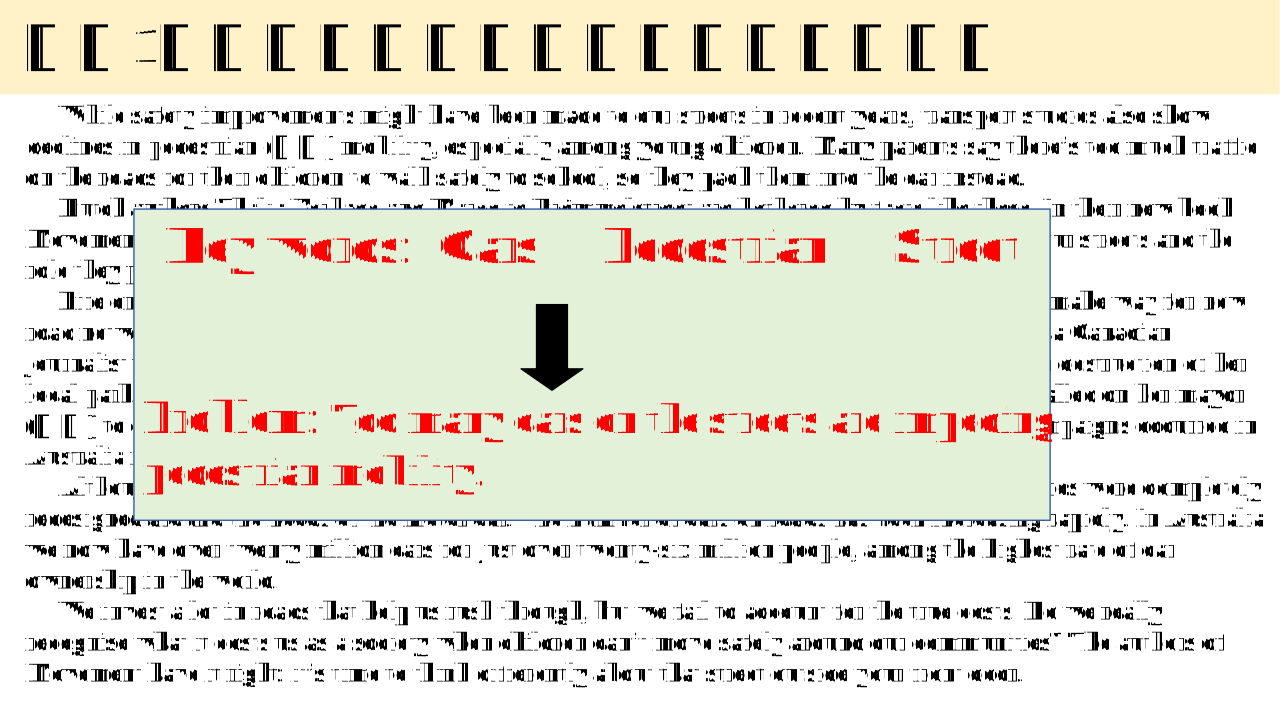
Key words: Cars Pedestrian Street
Problem: Too many cars on the streets are impeding pedestrian mobility.
方法2:先读题干,圈关键词,再精准定位文章找答案。
28. What phenomenon does the author point out in paragraph 1?
A. Cars often get stuck on the road. B. Traffic accidents occur frequently.
C. People walk less and drive more. D. Pedestrians fail to follow the rules.
29. What were the Canadian journalist and other campaigners trying to do?
A. Keep their cities livable. B. Promote cultural diversity.
C. Help the needy families. D. Make expressways accessible.
30. What can be inferred about the campaigns in Australia in the late 1960s and 1970s?
A. They boosted the sales of cars. B. They turned out largely ineffective.
C. They won government support. D. They advocated building new parks.
问第一段讲了什么,只在第一段找答案。
关键词Canadian journalist在第三段出现,在本段找答案。
关键词the campaigns in Australia 在第四段出现,因此去第四段找答案。
以28题为例:
28. What phenomenon does the author point out in paragraph 1?
A. Cars often get stuck on the road. B. Traffic accidents occur frequently.
C. People walk less and drive more. D. Pedestrians fail to follow the rules.
While safety improvements might have been made to our streets in recent years, transport studies also show declines in pedestrian (行人) mobility, especially among young children. Many parents say there’s too much traffic on the roads for their children to walk safely to school, so they pack them into the car instead.
A选项说交通拥堵,原文表述为 too much traffic 车流量大≠交通拥堵 偷换概念。
B选项说交通事故经常发生,文中没有提到,无中生有。
D选项说行人违规,文中提到了行人,但并没有说违规,无中生有。
C是对原文so they pack them into the car instead的改写,父母把孩子放进车里而不是让他们行走,说明人们行走少,开车多。
方法3:正确选项是对原文内容的同义改写。
切记:无中生有、歪曲原文、偷换概念的选项不能选!
方法4:注意转折词,转折后一般会出现关键信息。
While safety improvements might have been made to our streets in recent years, transport studies also show declines in pedestrian (行人) mobility, especially among young children. Many parents say there’s too much traffic on the roads for their children to walk safely to school, so they pack them into the car instead.
比如第一段中出现While,在这里译为虽然,那我们就可以推断,作者真正想表达的内容在主句transport studies also show declines in pedestrian (行人) mobility, especially among young children里,也就是说行人在道路行动性上的减少。
表转折的常见词汇:but however yet nevertheles nonetheless whereas while (当用作"虽然"时) although though even though...
一些其他方法:
例子/引用是为了服务主旨
作者态度奠定文章基调
正确选项与文章主旨息息相关
......
注意:方法建立在基本功之上,是做题时的锦上添花,如果没有基础,单词不认识,句子不会翻译,方法是没用的!
Thanks
$$
资源预览图

1

2

3
4
相关资源
示范课
由于学科网是一个信息分享及获取的平台,不确保部分用户上传资料的 来源及知识产权归属。如您发现相关资料侵犯您的合法权益,请联系学科网,我们核实后将及时进行处理。