Unit 6 Eat Well单元知识清单-2024-2025学年鲁教版五四制 (2024)六年级英语下册
2025-05-23
|
4页
|
290人阅读
|
21人下载
普通
资源信息
| 学段 | 初中 |
|---|---|
| 学科 | 英语 |
| 教材版本 | 初中英语鲁教版(五四学制)六年级下册 |
| 年级 | 六年级 |
| 章节 | Unit 6 Eat Well |
| 类型 | 学案-知识清单 |
| 知识点 | - |
| 使用场景 | 同步教学-单元练习 |
| 学年 | 2025-2026 |
| 地区(省份) | 山东省 |
| 地区(市) | - |
| 地区(区县) | - |
| 文件格式 | DOCX |
| 文件大小 | 45 KB |
| 发布时间 | 2025-05-23 |
| 更新时间 | 2025-05-23 |
| 作者 | alaboy |
| 品牌系列 | - |
| 审核时间 | 2025-05-23 |
| 下载链接 | https://m.zxxk.com/soft/52265239.html |
| 价格 | 0.50储值(1储值=1元) |
| 来源 | 学科网 |
内容正文:
Unit 6 Eat Well
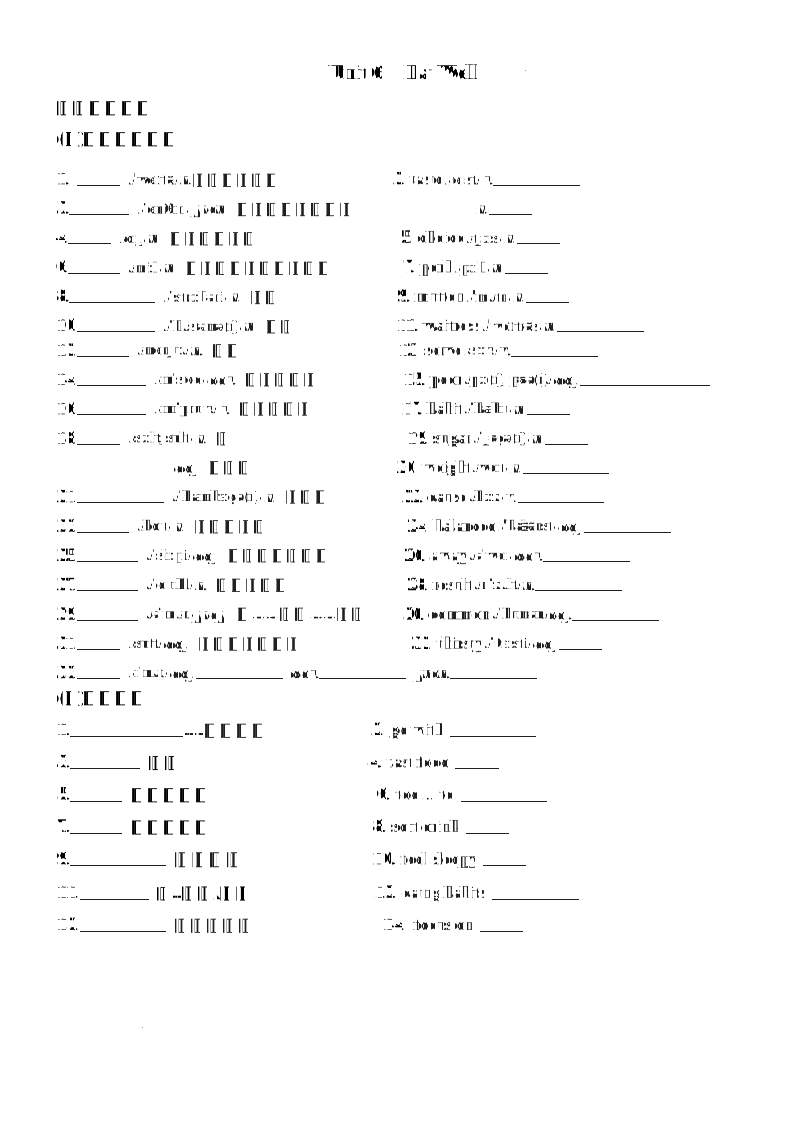
一、单元词汇
(一)重点记忆词汇
1. /ˈweɪtə/ n.(男)服务员 2. taste /teɪst/ v.
3. /ˈeniθɪŋ/ pron. 某事物;任何事物 n.
4. /dɪʃ/ n. 一道菜;盘子 5. choice /tʃɔɪs/ n.
6. /miːl/ n. 一餐所吃的食物;一餐 7. pork /pɔːk/ n.
8. /ˈstrɔːbəri/ n. 草莓 9. mutton /ˈmʌtn/ n.
10. /ˈkʌstəmə(r)/ n. 顾客 11. waitress /ˈweɪtrəs/ n.
12. /menjuː/ n. 菜单 13. serve /sɜːv/ v.
14. /ɪnˈsted/ adv. 反而;代替 15. poor /pɔː(r); pʊə(r)/ adj.
16. /ɪmˈpruːv/ v. 改进;改善 17. habit /ˈhæbɪt/ n.
18. /sɔːlt; sɒlt/ n. 盐 19. sugar /ˈʃʊɡə(r)/ n.
adj. 肥胖的 20. weight /weɪt/ n.
21. /ˈhæmbɜːɡə(r)/ n. 汉堡包 22. cause /kɔːz/ v.
23. /hɑːt/ n. 心脏;中心 24. balanced /ˈbælənst/ adj.
25. /ˈsliːpi/ adj. 困倦的;想睡的 26. away /əˈweɪ/ adv.
27. /ˈɑːtɪkl/ n. 文章;冠词 28. result /rɪˈzʌlt/ n.
29. /əˈmʌŋ/prep. 在……中;……之一 30. common /ˈkɒmən/adj.
31. /sɒft/ adj. 柔和的;柔软的 32. thirsty /ˈθɜːsti/ adj.
33. /ɪˈnʌf/ adj. adv. pron.
(二)重点短语
1. ……怎么样? 2. go with
3. 太多 4. fast food
5. 增加;穿上 6. too ... to
7. 毕竟;终归 8. soft drink
9. 增加体重 10. feel sleepy
11. 对…有害/不好 12. eatng habits
13. 各种各样的 14. focus on
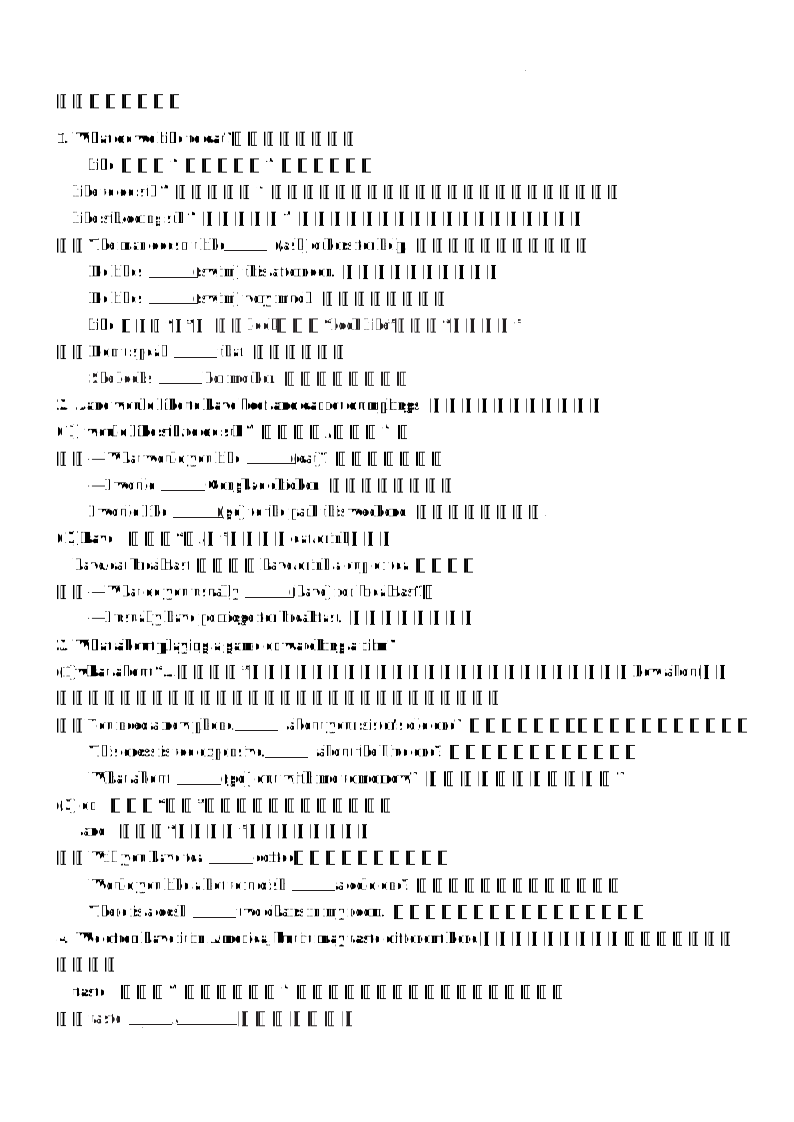
二、典型词句解析
1. What do we like to eat?我们喜欢吃什么?
like 动词,“喜欢,喜爱”。常见用法:
like to do sth “喜欢做某事”,指某个具体动作,偶尔一次或突然喜欢做某事。
like sth/doing sth “喜欢做某事”,长期喜欢做某事,强调一种兴趣爱好。
例:The man doesn’t like (ask) others for help. 那个人不愿意求助他人。
He likes (swim) this afternoon. 他今天下午想去游泳。
He likes (swim) very much. 他非常喜欢游泳。
like 介词,“像”。 常和look连用,“look like”,译为“看起来像”
例:Don’t speak that. 不要那样说。
She looks her mother. 她长得像她妈妈。
2. Jane would like to have beef and carrot dumplings. 简想吃牛肉胡萝卜水饺。
(1) would like sth/to do sth “想要某物/做某事”。
例:—What would you like (eat)? 你想吃点什么?
—I would Gongbao chicken. 我想吃宫保鸡丁。
I would like (go) to the park this weekend. 这周我想去公园。.
(2)have 动词,“吃/喝”,相当于eat/drink。如:
have/eat breakfast 吃早餐;have/drink a cup of tea 喝杯茶。
例:—What do you usually (have) for breakfast?。
—I usually have porridge for breakfast. 我早餐通常喝粥。
3. What about playing a game or watching a film?
(1)what about “…怎么样?”,常用来提建议,多用于询问与前文相关的;同义词为how about,主要用来提出建议或新话题。用法上,后接名词、代词或动名词。
例:You need a new phone. about your sister's old one? 你需要新手机。你姐姐的旧手机怎么样?
This dress is too expensive. about the blue one? 这件太贵,蓝色那件如何?
What about (go) out with me tomorrow? 明天和我一起出去怎么样?
(2) or 连词,“或者”,用于否定句和疑问句中。
and 连词,“和,并且”,用于肯定句中。
例:Will you have tea coffee?你喝茶还是咖啡?。
Would you like a hot tofu dish a cold one? 你想要一盘热豆腐还是凉的?
There is a desk two chairs in my room. 在我房间里有一张书桌和两把椅子。
4. We often have it in America, but it may taste different here.我们经常在美国吃,但在这儿味道可能不同。
taste 动词,“品尝,尝起来”,在这里作感官系动词,后接形容词。
如:taste / 尝起来很美味。
5. Do you have anything with tofu? 你们有豆腐吗?
(1)anything 复合不定代词,译为“任何事情/事物”,常用于否定句、疑问句中,作主语时,谓语用单数,其定语后置。如,anything important 一些重要的事情。
例:Would you like anything ? 你要点别的什么吗?。
I don't want to eat. 我不想吃任何东西。
Is there I can do for you? 我能为你做些什么吗?
Is there anything in today’s newspaper. 今天的报纸上有重要的东西吗?
(2)Do you have anything with… 表示 “你们有带…… 的东西吗?”, 通常用于询问对方是否有某样东西。
例:Do you have anything vegetables in it?”意思是“您这里有带蔬菜的菜吗?
6. I try to eat healthy food every day. 我每天尽量吃健康食品。
try 动词,“尝试,试着”,
try to do sth 尽量/试图做某事;try doing sth 尝试做某事;try one’s best to do sth 尽某人最大的努力做某事。
例:You should try (eat) more fruit.你应该尽量多吃些水果。
You should try (eat) more fruit.你应该试试多吃水果(看看对身体有无好处)。
We should try our to solve the problem.我们应当尽我们最大的努力解决这个难题。
try 名词,“尝试”,
have a try 试一试。
例:Let’s have a .我们来试试看。
7. My mum says that it’s not good to drink too much of it. 我妈妈说喝太多不好。
(1)It’s + 形容词+to do sth “做某事是…的”。
补充:be good to sb“对…好”。
例:It’s important for us (learn) English well. 学好英语对我们来说很重要。
It’s interesting (play) this games. 玩这个游戏很有意思。
She is good me, 她对我很好。
(2)too much “太多…”;much too “太…”
例:I have much homework to do. 我有太多的作业要做。
Don't eat too candy, it's bad for your teeth. 不要吃太多糖果,它对牙齿不好。
The box is heavy. 这个箱子实在太重了。
8. How do we make healthy eating choices? 我们如何做健康的饮食选择?
choice 名词,“选择”。
make a choice 做出选择;have no choice but to do sth 除了做某事以外别无选择。
例:You have to make a between us. 你必须在我俩之间作出选择。
I have choice to study. 我现在除了学习,别无选择。
9. Both what we eat and how we eat are important! 我们吃什么,怎么吃两者都重要!
both … and … “…和…两者都”,表示并列关系的连词,连接句子的并列成分,若连接两个主语,谓语动词用复数。
例:Both John and Mary (enjoy) reading. 约翰和玛丽都喜欢阅读。
Both the book and the pen mine. 这本书和这支笔都是我的。
She is both pretty clever. 她既漂亮又聪明。
10. That makes us put on weight. 那使得我们增加体重。
(1)make sb do sth “使/让某人做某事”。
例:His father makes him (study) every evening. 他的父亲让他每晚都学习。
The boss makes the workers (do) the work every day. 老板每天让工人们干活。
(2)put on “穿上,表演,增加(体重)”,put on weight 增加体重;lose weight 减轻体重。
例:It's cold outside. Put on your coat. 外面很冷, 你的外套。
The theater will put on a new play next month. 剧院下个月将 一部新剧。
I can eat what I want but I never put on . 我能想吃什么就吃什么,但是体重从来不增加。
11. They are too busy to eat anything. 他们太忙无法吃任何东西。
(1) too … to “太…了,以至于无法…”。
例:He's young understand the ways of the world. 他还太年轻,不懂得处世之道.
It's too late (save) her now. 现在来拯救她的生命已为时太晚。
(2) busy 形容词,“忙碌”。be busy with sth=be busy doing sth 忙于做某事。
例:I am busy my homework.=I am busy (do) my homework.我正忙着做我的家庭作业。
学科网(北京)股份有限公司
$$
资源预览图
1
2
相关资源
由于学科网是一个信息分享及获取的平台,不确保部分用户上传资料的 来源及知识产权归属。如您发现相关资料侵犯您的合法权益,请联系学科网,我们核实后将及时进行处理。