Unit 2 Looking into the Future Discover Useful Structures 将来进行时课件-2024-2025学年高中英语人教版(2019)选择性必修第一册
2025-02-25
|
20页
|
677人阅读
|
9人下载
普通
资源信息
| 学段 | 高中 |
|---|---|
| 学科 | 英语 |
| 教材版本 | 高中英语人教版选择性必修第一册 |
| 年级 | 高二 |
| 章节 | Learning About Language |
| 类型 | 课件 |
| 知识点 | - |
| 使用场景 | 同步教学-新授课 |
| 学年 | 2024-2025 |
| 地区(省份) | 全国 |
| 地区(市) | - |
| 地区(区县) | - |
| 文件格式 | PPTX |
| 文件大小 | 1.22 MB |
| 发布时间 | 2025-02-25 |
| 更新时间 | 2025-02-25 |
| 作者 | Syrian |
| 品牌系列 | - |
| 审核时间 | 2025-02-25 |
| 下载链接 | https://m.zxxk.com/soft/50635905.html |
| 价格 | 1.00储值(1储值=1元) |
| 来源 | 学科网 |
内容正文:
Unit2 Learning About Language
Discover useful structures
册 别:选择性必修1
学 科:高中英语(人教版)
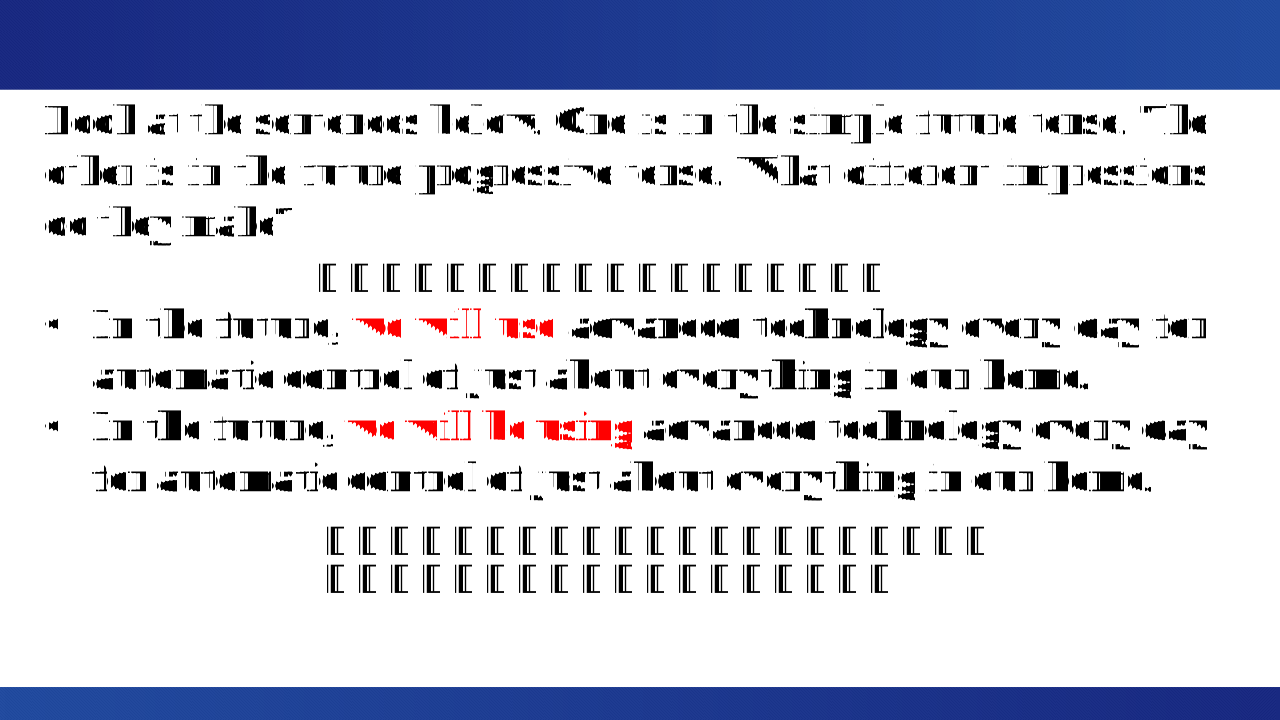
Look at the sentences below. One is in the simple future tense. The other is in the future progressive tense. What different impressions do they make?
In the future, we will use advanced technology every day for automatic control of just about everything in our home.
In the future, we will be using advanced technology every day for automatic control of just about everything in our home.
一般将来时:个人对未来事件的主观意愿
将来进行时:表示事件的发展是一种必然趋势,具有客观性,表达了说话者的期待之情。
2
Can you find more sentences using the future progressive tense from the reading passage?
In the not-too-distant future, we will be living in smart homes that…
In the future, we will be using advanced technology everyday for automatic control.
In addition, your smart home will be monitoring your health for you every day.
Smart toilets will be keeping constant track of your health as well.
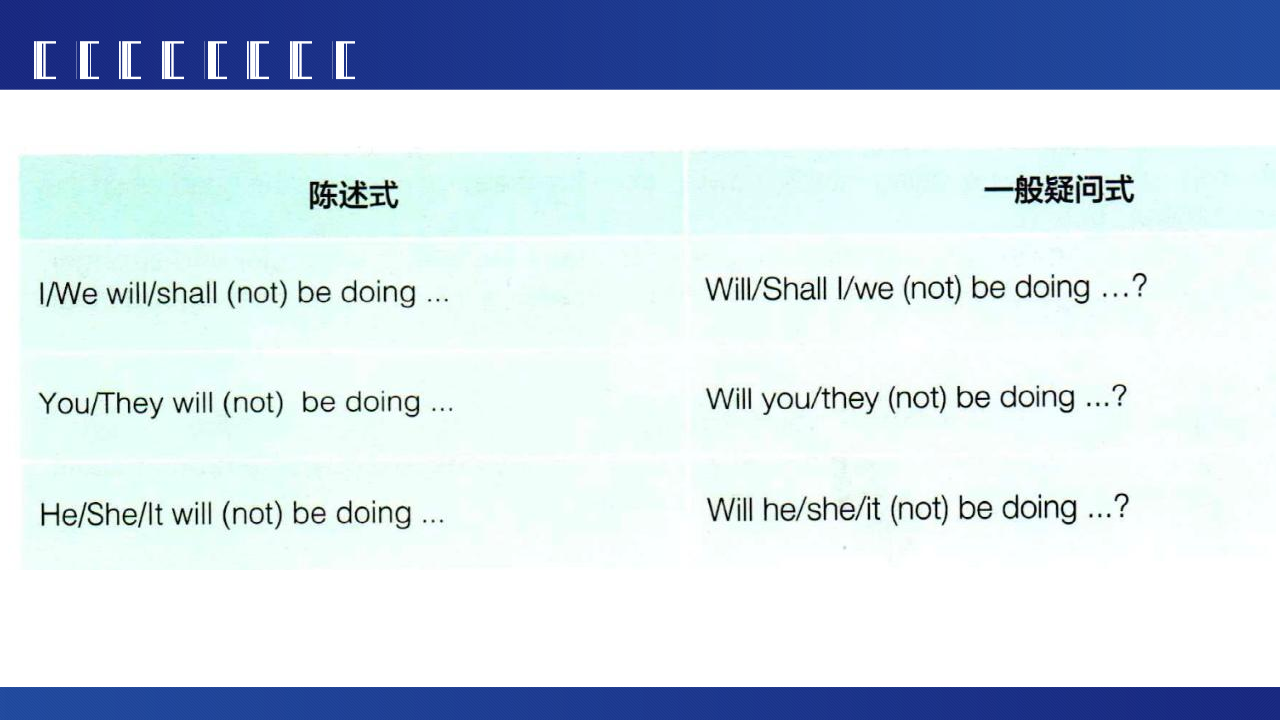
将来进行时的形式
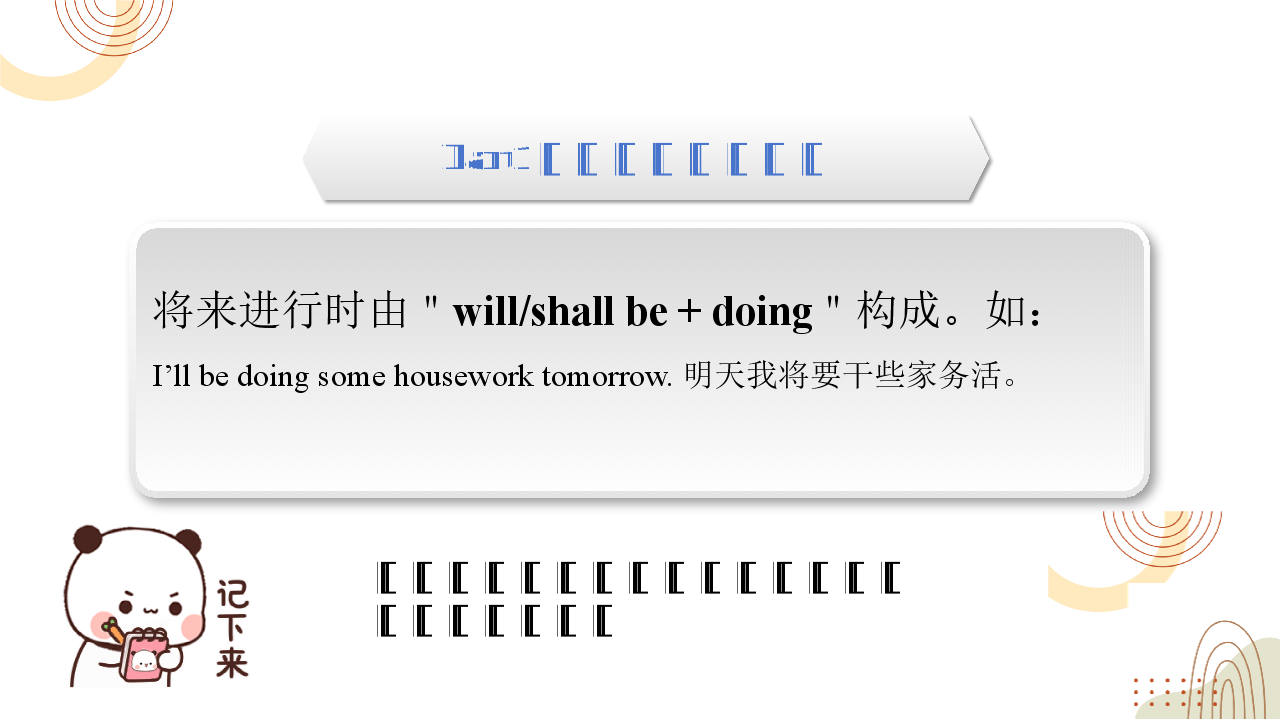
将来进行时由"will/shall be + doing"构成。如:
I’ll be doing some housework tomorrow. 明天我将要干些家务活。
Part1 将来进行时的构成
否定句、一般疑问句、特殊疑问句该怎么表达呢?
Part2 将来进行时的意义
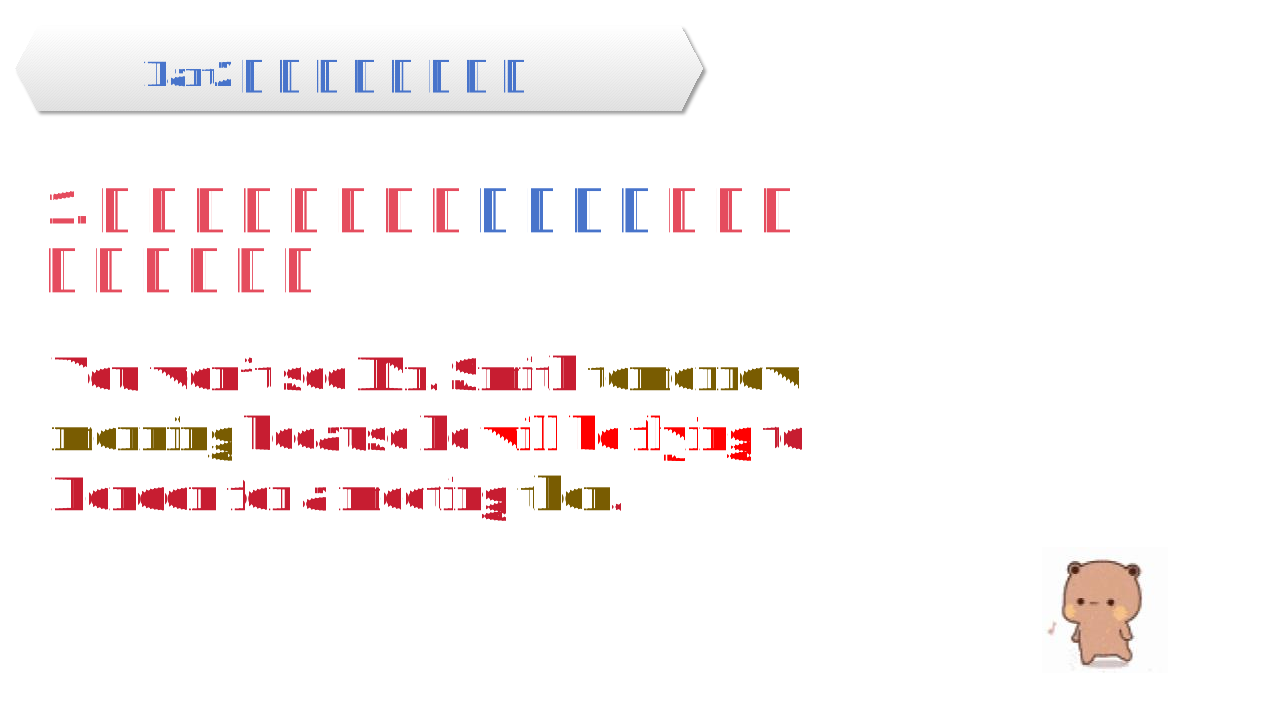
1. 表示将来某个时间正在进行的动作
或所处状态。
You won’t see Mr. Smith tomorrow morning because he will be flying to London for a meeting then.
Part2 将来进行时的意义
1. 表示将来某个时间正在进行的动作
或所处状态。
When I get home, my wife will probably be watching television.
Part2 将来进行时的意义
2. 表示按计划或安排将要发生的动作。
Don’t call me between 12:30 and 13:00. I will be taking a nap.
We’ll be spending the winter in Australia.
Part2 将来进行时的意义
3. 表示 “纯粹”的将来,该时态比一般将来时显得语气委婉。
Will you be passing the post office? I need some stamps.
Part2 将来进行时的意义 总结!
2. 表示按计划或安排将要发生的动作。
1. 表示将来某个时间正在进行的动作
或所处状态。
3. 表示 “纯粹”的将来,该时态比一般将来时显得语气委婉。
将来进行时的基本用法
(1)将来进行时通常用于表示最近或较远的将来正在进行的动作。如:
The train will be leaving in a minute.火车很快就要开了。
In the future, we will be using advanced technology every day for automatic control of just about everything in our home.在未来,我们将每天使用先进技术对家中几乎一切东西进行自动化控制。
In addition, your smart home will be monitoring your health for you. 此外,你的智能房屋还将监控你的健康。
将来进行时的基本用法
(2)将来进行时像现在进行时一样,可以表示已计划好的事。如:
We will be taking a test at this time tomorrow.明天这时我们将在考试。
Don't call me between 12:30 and 13:00. I will be taking a nap. 中午 12 点半到1点之间不要给我打电话,我那时在午休。
Sorry, I can't meet you at five o'clock tomorrow afternoon, because I will be playing soccer then. 抱歉,明天下午五点我不能和你见面,因为那时我在踢球。
(3) 将来进行时有时也用来委婉地提出请求或者表达其他含义。试体会:
A:Will you be passing the post office?
B:Probably, why?
A:I need some stamps.
B:OK.I’ll get some for you.
将来进行时的基本用法
比较一般将来时
将来进行时有时只单纯表示将来或按计划进行的事,而一般将来时则具有其他的意味。
l’ll be working on this tomorrow. 明天我将做这件事。(表示将来,意思是按计划进行)
I’ll work on this tomorrow. 明天我要做这件事。(表示意愿,也可能表示许诺)
Will you be joining us for dinner? 你会和我们一起吃饭吗?(表示将来,询问计划)
Will you join us for dinner? 你来和我们一起吃饭好吗?(发出邀请)
won’t be sleeping
would reach
wait
will be working
will support
Part1 将来进行时 VS 一般将来时
不同点
What will you do tomorrow?
What will you be doing this time tomorrow?
一般将来时表示:将来发生的动作
将来进行时表示:将来某时间正在发生的动作
Part1 将来进行时 VS 一般将来时
不同点
I will go shopping this afternoon.
The military training will be lasting for one week.
一般将来时往往表示:“一时兴起”
将来进行时往往表示:“计划或安排”
Part1 将来进行时 VS 一般将来时
不同点
一般将来时可以表示:“意愿”,语气较直接
将来进行时可以表示:“语气委婉”或“纯将来”
When will you pay back the money?
When will you be paying back the money?
Goodbye
Q
$$
资源预览图

1
2

3
4
5
6
相关资源
由于学科网是一个信息分享及获取的平台,不确保部分用户上传资料的 来源及知识产权归属。如您发现相关资料侵犯您的合法权益,请联系学科网,我们核实后将及时进行处理。