知识必备 动词的分类-【一战成名新中考】2025四川中考英语·一轮复习·精讲册优质课件PPT(讲册)
2025-01-16
|
9页
|
87人阅读
|
0人下载
教辅

内容正文:
英语
1
第二部分 语法专题精讲练
专题一 动词
知识必备 动词的分类
2
1. 实义动词:表示动作或状态,在句中能独立作谓语的动词。
类别 特点 例词 例句
及物动词
(vt.) 必须带宾语,及
物动词有被动
语态。 achieve, borrow,
consider, encourage,
hold We can borrow
books from the
library.
The competition
will be held on
July 20th.
3
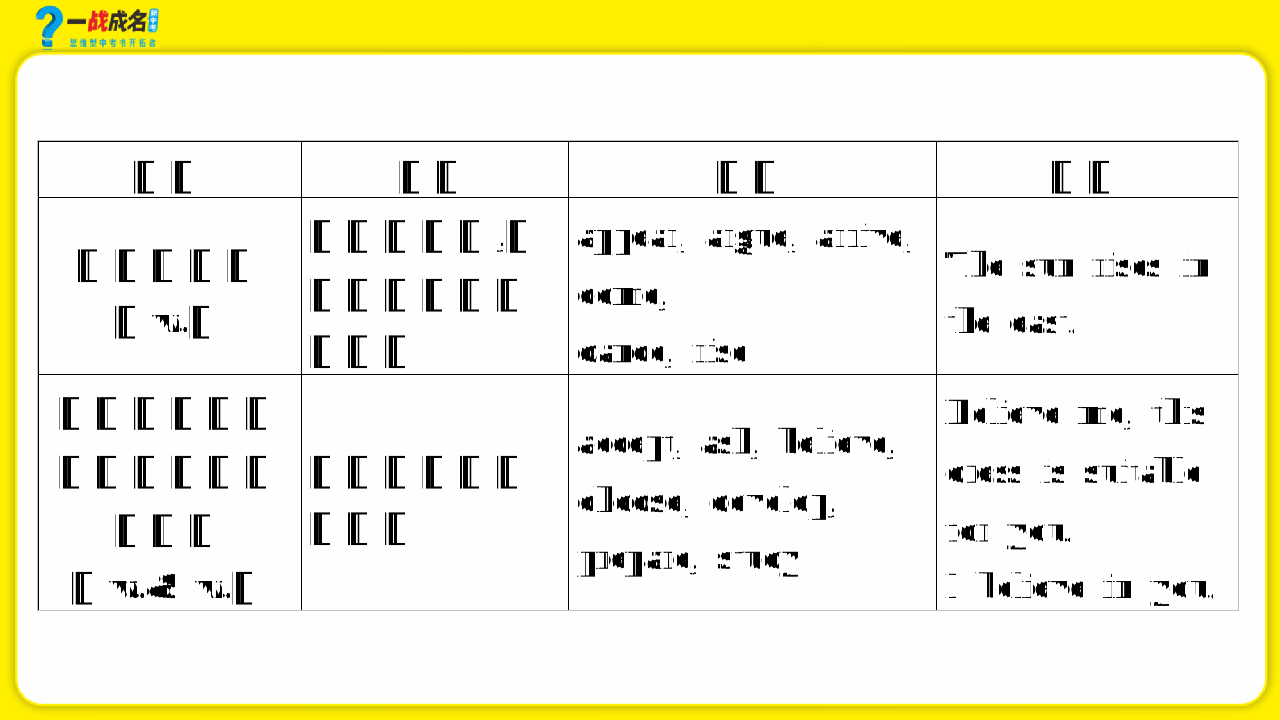
类别 特点 例词 例句
不及物动词
(vi.) 无需接宾语,也
不能用于被动
语态。 appear, argue, arrive,
come,
dance, rise The sun rises in
the east.
既可作及物动
词也可作不及
物动词
(vt.& vi.) 以上两种特点
皆有。 accept, ask, believe,
choose, develop,
prepare, study Believe me, this
dress is suitable
for you.
I believe in you.
4
2.连系动词:不能独立作谓语,必须跟表语一起构成谓语。
类别 例词 例句
状态系动词 be She is a student in Sunshine
Middle School.
My father is tall and strong.
感官系动词 look, feel, smell, sound,
taste The flowers smell sweet.
表“变化”的
系动词 become, come, fall, get,
go, grow, turn The bread has gone bad.
5
类别 例词 例句
表“像”的系
动词 seem, appear He seems quite happy.
持续系动词 keep, stay, remain She knew she must keep calm.
6
3.助动词:不能独立作谓语,只能和主要动词一起构成谓语, 表示否定、
疑问、时态或其他语法形式。
类别 作用 例句
be
(am, is, are,
was, were,
been, being) 用于构成进行时
态和被动语态。 My mother is cooking now.
The book was written by Lu Xun.
have
(has, had) 用于构成完成时
态。 I have studied English for six years.
7
类别 作用 例句
do
(does, did) 用于构成疑问句
和否定句;用于
倒装句、加强说
话的语气及代替
前面刚出现的动
词(避免重复)。 —Do you live in China?
—Yes, I do.
He didn't accept my invitation.
Do be quiet!
Only then did I realize it.
8
类别 作用 例句
shall
(should)和
will(would) 用于构成将来时
(shall仅用于第
一人称,will可用
于各种人称)。 Shall I open the window?
Will you still remember me ten years
later?
I will move to the countryside next
year.
4.情态动词(具体用法见本专题命题点2)
9
$$
资源预览图

1

2

3
4
相关资源
示范课
由于学科网是一个信息分享及获取的平台,不确保部分用户上传资料的 来源及知识产权归属。如您发现相关资料侵犯您的合法权益,请联系学科网,我们核实后将及时进行处理。