2023年新高考全国Ⅰ&II卷读后续写——写作比赛 课件-2025届高三英语上学期一轮复习专项
2024-11-05
|
16页
|
1827人阅读
|
11人下载
普通
内容正文:
段落开头语与后续语的衔接。
后续两段间的衔接;
原文与后续的衔接;
内容多视角、多维度;
语言结构,词汇选用多样。
衔接
丰富
准确
情感表达准确;
语言描述准确。
What makes a good continuation writing?
Step I 读懂大意,理清脉络
1.Read for characters 人物
2.Read for conflict/problems 问题
3.Read for plot 情节发展
4.Read for emotional changes情感变化
5.Read for theme 主题
5R
Who, When, Where, What, Why, How 5W+1H
When
Who
What The sociology teacher _____________ the author to participate in a ___________ competition. The author ___________ like writing, so he ______________ without even thinking. But with the __________________ of the teacher, the author __________to give it a try.
How During writing, the author did not give up. When the author finally finished writing, he felt that writing made him very ___________ and he no longer cared about _______________________.
forced
writing
did not
said no
encouragement
agreed
happy
winning or losing
In middle school
The author, the author’s teacher
第一步:再把衔接句写好,即第一段的最后一句(必须与第二段给出的首句融为一体):
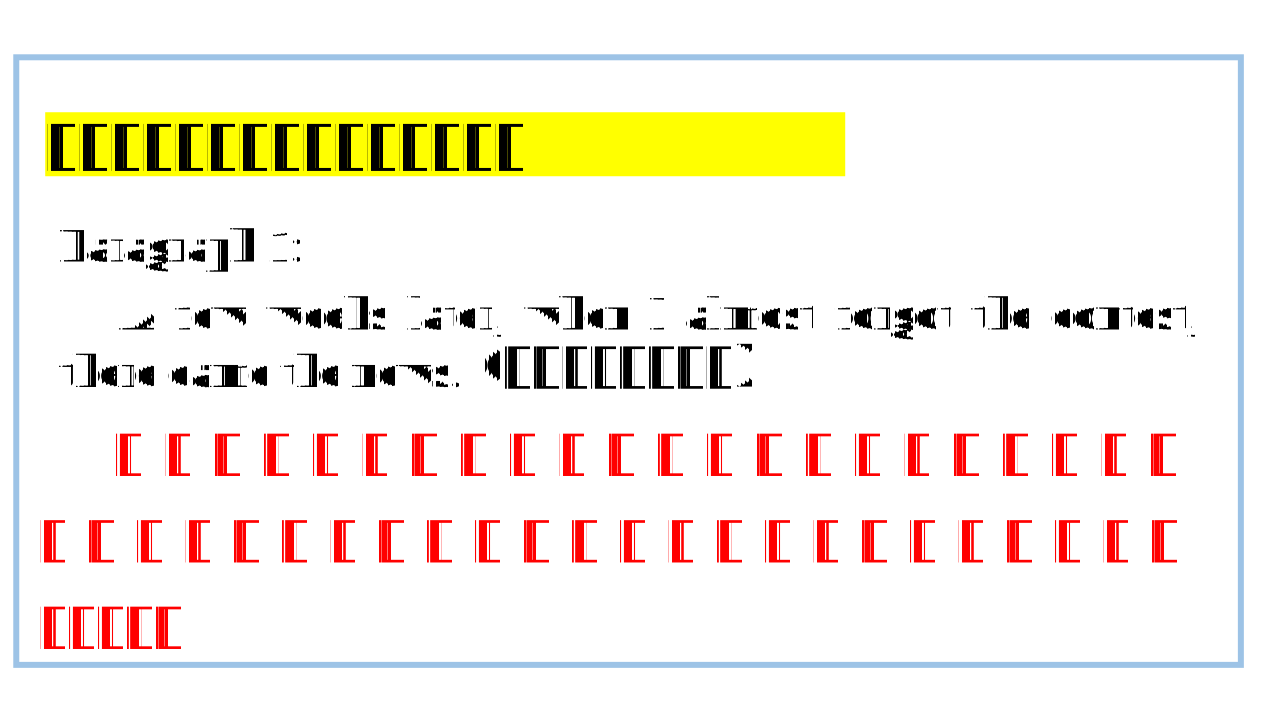
Para 1: A few weeks later, when I almost forgot the contest, there came the news…
Para 1最后一句:
Para 2 第一句:I went to my teacher’s office after the award presentation…
当我被邀请上台领奖时,我向我的老师表示了感谢。
第一步:再把衔接句写好,即第一段的最后一句(必须与第二段给出的首句融为一体):
Para 1: A few weeks later, when I almost forgot the contest, there came the news…
Para 1最后一句:
Para 2 第一句:I went to my teacher’s office after the award presentation…
When I was invited to the stage to receive the award, I expressed my thanks to my teacher.
第二步:紧接着写第一段的衔接句
Paragraph 1:
A few weeks later, when I almost forgot the contest, there came the news.
(我的动作情感话语)
我被告知,我在写作比赛中获得了一等奖,两天后将举行颁奖典礼。听到这个消息我很高兴,我立刻和老师分享了。
第三步:紧接着写第一段的衔接句
Paragraph 1:
I was informed that I won the first prize in the writing contest and that there would be an award presentation in two days. I was so happy to hear the news that I immediately shared it with my teacher.
A few weeks later, when I almost forgot the contest, there came the news.
(我的动作情感话语)
第三步:紧接着写第二段的衔接句
Para 2: I went to my teacher’s office after the award presentation.
我的老师在等我。他握着我的手说:“恭喜你!你是一个好作家,所以继续写下去吧。” “你知道我以前不喜欢写作,但现在我超爱!我会尽力创作好作品。”我认真地说。
(“我”与“老师”的互动)
My teacher was waiting for me. Holding my hands, he said “Congratulations! You are a good writer, so keep writing.” “You know I didn’t like writing before, but now I am crazy about it! I will try my best to create good works.” I said seriously.
第三步:紧接着写第二段的衔接句
Para 2: I went to my teacher’s office after the award presentation.
(“我”与“老师”的互动)
Step III: 补充细节(3大原则)
接下来就是把每段的中间补充完整,记住三大原则: 1.Action—Response原则:某个角色所言、所行、所感、所想会引起其它角色的反应。每段对话1-2句,不一定每个人都要说话,无声的动作也是一种response。
2.Conflict—Solution原则:问题最终会找到解决方法
3.Negative—Positive原则:写作中一定要体现情感的变化,无论前面是怎样的变化,最终都是积极的。
Paragraph 1:
A few weeks later, when I almost forgot the contest, there came the news.(我的动作情感话语)
I was informed that I won the first prize in the writing contest and that there would be an award presentation in two days. I was so happy to hear the news that I immediately shared it with my teacher.
“我就知道你会赢!我为你感到骄傲。你成功了!”他兴奋地说。然后,大日子来了。当我被邀请上台领奖时,我向我的老师表示了感谢。我说:“是你让我爱上了写作,我的社会研究老师。没有你的认可和指导,我不可能写这篇文章。再次感谢你!”
(我与老师的交互—我领奖)
Paragraph 1:
A few weeks later, when I almost forgot the contest, there came the news.(我的动作情感话语)
I was informed that I won the first prize in the writing contest and that there would be an award presentation in two days. I was so happy to hear the news that I immediately shared it with my teacher.
“I knew you’d win! I am proud of you. You made it!” he said excitedly. Then came the big day. When I was invited to the stage to receive the award, I expressed my thanks to my teacher. I said, “It’s you who make me fall in love with writing, my social studies teacher. Without your recognition and guidance, I couldn’t have written this article. Again, thank you very much!”
(我与老师的交互—我领奖)
(“我”兑现自己的诺言)
Paragraph 2:
I went to my teacher’s office after the award presentation. (“我”与“老师”的互动)
My teacher was waiting for me. Holding my hands, he said “Congratulations! You are a good writer, so keep writing.” “You know I didn’t like writing before, but now I am crazy about it! I will try my best to create good works.” I said seriously.
从那时起,我写了许多好作品,现在我是一位著名的作家。我的成功归功于我的社交老师,他是我写作道路上的指路明灯。
(“我”兑现自己的诺言)
Since then, I have written many good works and now I am a famous writer. I owe my success to my social teacher who is a beacon in my life on the road to writing.
Paragraph 2:
I went to my teacher’s office after the award presentation. (“我”与“老师”的互动)
My teacher was waiting for me. Holding my hands, he said “Congratulations! You are a good writer, so keep writing.” “You know I didn’t like writing before, but now I am crazy about it! I will try my best to create good works.” I said seriously.
情绪类素材积累
喜悦/高兴
高兴的 delighted/cheerful/joyful 因......而高兴 be joyful over
令某人高兴的是 to one’s delight 欣喜若狂 be wild with joy
难以形容的开心 be indescribably joyful
极为感动 be overwhelmingly moved
几乎无法掩饰他兴奋的心情 can hardly conceal his excitement
既兴奋又开心 a mixture of excitement and happiness
惊讶
惊讶的 surprised/shocked/astonished/amazed
令某人惊讶的是 to one’s surprise 惊讶地 in amazement
张大嘴 with one’s mouth wide open 惊呆了 be numb with shock
感动
感到温暖 feel warm 特别感动 be moved/touched profoundly
心被融化 heart melt 感动落泪 be moved to tears
一股暖流涌上心头 a warm current welled up in one’s mind
动作类素材积累
笑
开怀大笑 smile broadly 朝......微笑 flash a smile at...
表情变得明亮 face lights up/brightens
面露喜色 a wide smile appears on/spreads across one’s face
喜极而泣 shed tears of joy
脸上绽放笑容 face broadens into a smile
哭
眼泪夺眶而出 tears well up
XX的泪水流过脸颊 tears of XXX roll down
拥抱
紧紧拥抱 hug tightly
温柔地抱着某人 hug sb. gently/tenderly
投入某人的怀抱 throw oneself into one’s embrace
$$
资源预览图

1

2

3

4

5
6

相关资源
示范课
由于学科网是一个信息分享及获取的平台,不确保部分用户上传资料的 来源及知识产权归属。如您发现相关资料侵犯您的合法权益,请联系学科网,我们核实后将及时进行处理。