Unit 2 Sports culture Extended reading & Project(I) 同步练习-2024-2025学年高中英语译林版(2020)选择性必修第二册
2024-08-29
|
8页
|
408人阅读
|
2人下载
资源信息
| 学段 | 高中 |
|---|---|
| 学科 | 英语 |
| 教材版本 | 高中英语译林版选择性必修第二册 |
| 年级 | 高二 |
| 章节 | Extended reading,Project |
| 类型 | 作业-同步练 |
| 知识点 | - |
| 使用场景 | 同步教学-新授课 |
| 学年 | 2024-2025 |
| 地区(省份) | 全国 |
| 地区(市) | - |
| 地区(区县) | - |
| 文件格式 | DOCX |
| 文件大小 | 38 KB |
| 发布时间 | 2024-08-29 |
| 更新时间 | 2024-08-29 |
| 作者 | 匿名 |
| 品牌系列 | - |
| 审核时间 | 2024-08-29 |
| 下载链接 | https://m.zxxk.com/soft/47076074.html |
| 价格 | 0.50储值(1储值=1元) |
| 来源 | 学科网 |
内容正文:
Unit 2 Sports culture
第 5 练 Extended reading & Project( Ⅰ )
夯实基础
一、词性转换
1. applaud vt. & vi. → n.
2. complain vi. & vt. → n.
3. remark n. & vi. & vt. → adj.
4. literally adv. → adj.
5. racial adj. → n. → adv.
6. faith n. → adj. → adv.
7. cruel adj. → n. → adv.
8. opposing adj. → vt. → n. → adj.
二、选择方框内的短语,并用其适当形式填空
throw sb a curveball; make no remark; in the ballpark; a ballpark estimate;
find one's way into; move the goalposts; score an own goal; make a mistake;
throw in the towel; below the belt
1. Don't bother to meet me at the station. I'm sure I' ll be able to your house.
2. It sure makes it difficult to get the job done when someone keeps .
3. The defender in the 46th minute, putting his team 1—0 down to the opponent.
4. The salary isn't as high as I had hoped, but I accepted it because it's at least.
5. Professor Green certainly today because half the questions were never covered in his class.
6. He will call today to get of the cost to fix his car.
7. Mentioning his family problems is hitting .
8. I refuse to because I firmly believe conditions will improve soon.
9. This means that when they don't know a word, they are going to .
10. The scientist remarked he had found a remarkable way, but others about it.
提升素养
一、阅读理解
阅读下面短文,从每题所给的A、B、C、D四个选项中选出最佳选项。
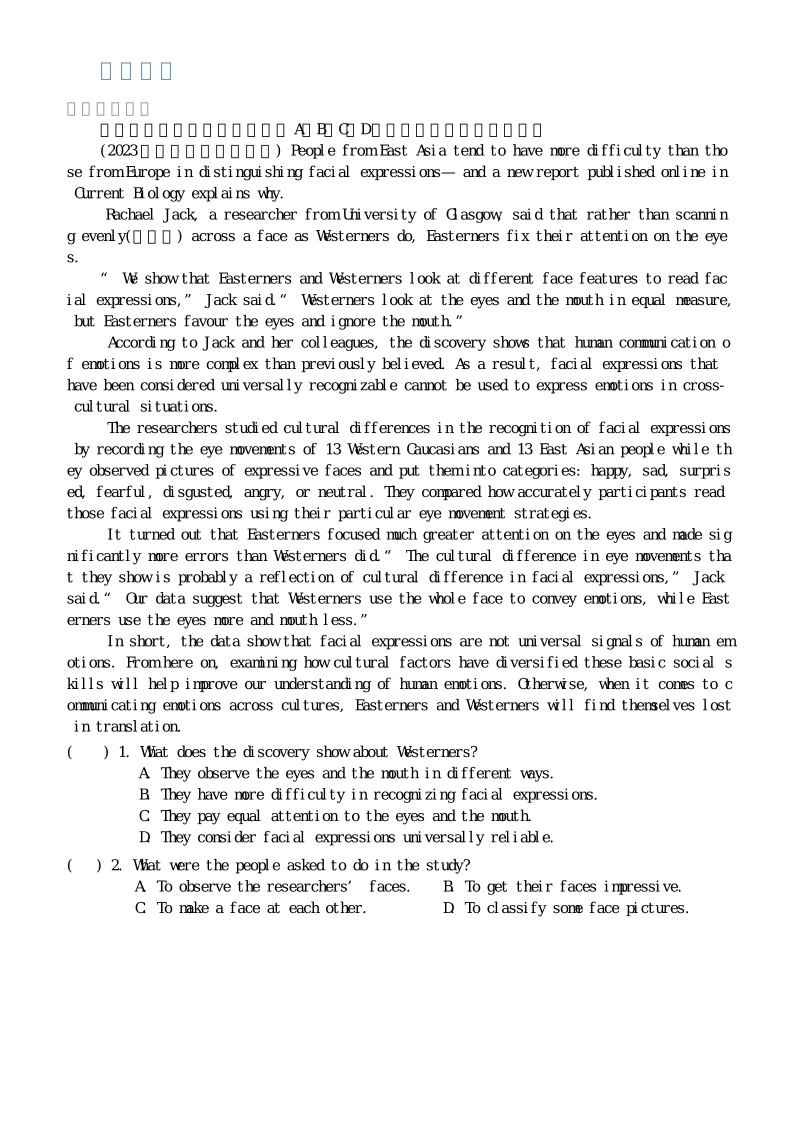
(2023福州外国语学校期中) People from East Asia tend to have more difficulty than those from Europe in distinguishing facial expressions— and a new report published online in Current Biology explains why.
Rachael Jack, a researcher from University of Glasgow, said that rather than scanning evenly(均匀地) across a face as Westerners do, Easterners fix their attention on the eyes.
“ We show that Easterners and Westerners look at different face features to read facial expressions,” Jack said.“ Westerners look at the eyes and the mouth in equal measure, but Easterners favour the eyes and ignore the mouth.”
According to Jack and her colleagues, the discovery shows that human communication of emotions is more complex than previously believed. As a result, facial expressions that have been considered universally recognizable cannot be used to express emotions in cross- cultural situations.
The researchers studied cultural differences in the recognition of facial expressions by recording the eye movements of 13 Western Caucasians and 13 East Asian people while they observed pictures of expressive faces and put them into categories: happy, sad, surprised, fearful, disgusted, angry, or neutral. They compared how accurately participants read those facial expressions using their particular eye movement strategies.
It turned out that Easterners focused much greater attention on the eyes and made significantly more errors than Westerners did.“ The cultural difference in eye movements that they show is probably a reflection of cultural difference in facial expressions,” Jack said.“ Our data suggest that Westerners use the whole face to convey emotions, while Easterners use the eyes more and mouth less.”
In short, the data show that facial expressions are not universal signals of human emotions. From here on, examining how cultural factors have diversified these basic social skills will help improve our understanding of human emotions. Otherwise, when it comes to communicating emotions across cultures, Easterners and Westerners will find themselves lost in translation.
( ) 1. What does the discovery show about Westerners?
A. They observe the eyes and the mouth in different ways.
B. They have more difficulty in recognizing facial expressions.
C. They pay equal attention to the eyes and the mouth.
D. They consider facial expressions universally reliable.
( ) 2. What were the people asked to do in the study?
A. To observe the researchers’ faces. B. To get their faces impressive.
C. To make a face at each other. D. To classify some face pictures.
( ) 3. In comparison with Westerners, what are Easterners likely to do?
A. They study the mouth more frequently.
B. They examine the eyes more attentively.
C. They read fa cial expressions more correctly.
D. They do translation more successfully.
( ) 4. What can be the best title for the passage?
A. Cultural Differences in Reading Emotions
B. Effective Methods to Develop Social Skills
C. How to Increase Cross- cultural Understanding
D. The Eye as the Window to the Soul
二、完形填空
阅读下面短文,从每题所给的A、B、C、D四个选项中选出可以填入空白处的最佳选项。
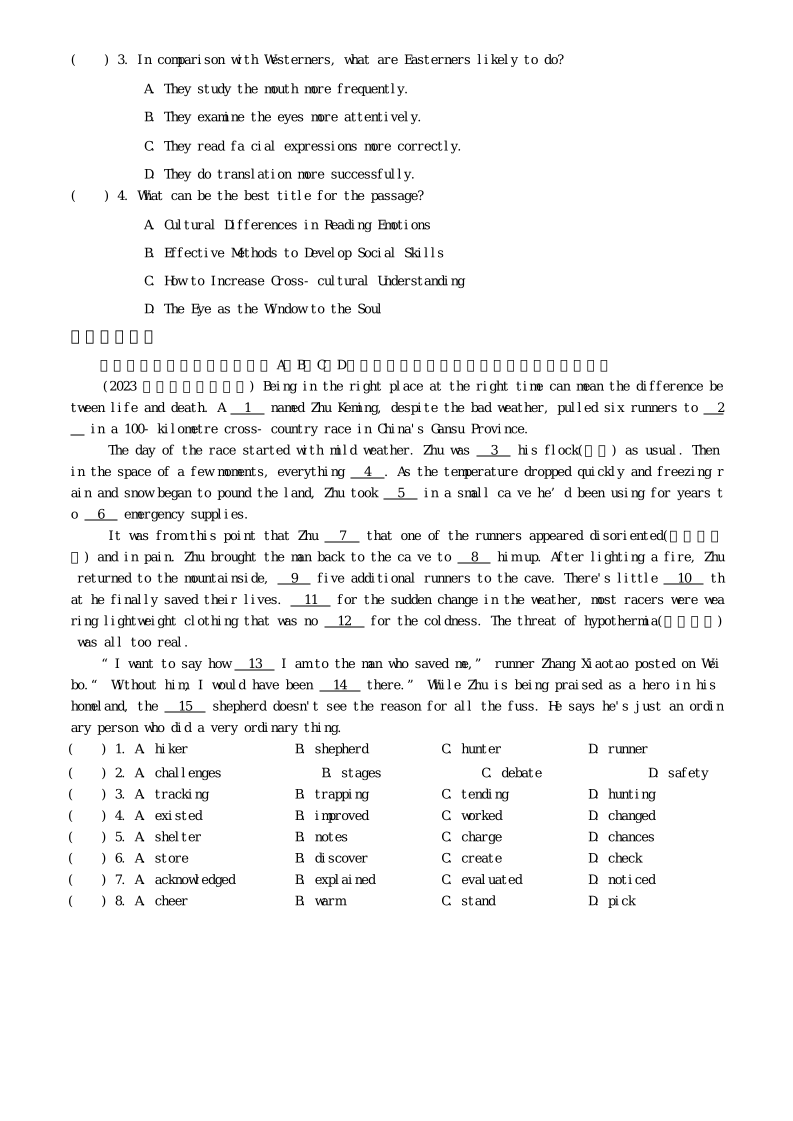
(2023 莆田二十五中期中) Being in the right place at the right time can mean the difference between life and death. A 1 named Zhu Keming, despite the bad weather, pulled six runners to 2 in a 100- kilometre cross- country race in China's Gansu Province.
The day of the race started with mild weather. Zhu was 3 his flock(羊群) as usual. Then in the space of a few moments, everything 4 . As the temperature dropped quickly and freezing rain and snow began to pound the land, Zhu took 5 in a small ca ve he’d been using for years to 6 emergency supplies.
It was from this point that Zhu 7 that one of the runners appeared disoriented(迷失方向的) and in pain. Zhu brought the man back to the ca ve to 8 him up. After lighting a fire, Zhu returned to the mountainside, 9 five additional runners to the cave. There's little 10 that he finally saved their lives. 11 for the sudden change in the weather, most racers were wearing lightweight clothing that was no 12 for the coldness. The threat of hypothermia(体温过低) was all too real.
“I want to say how 13 I am to the man who saved me,” runner Zhang Xiaotao posted on Weibo.“ Without him, I would have been 14 there.” While Zhu is being praised as a hero in his homeland, the 15 shepherd doesn't see the reason for all the fuss. He says he's just an ordinary person who did a very ordinary thing.
( ) 1. A. hiker B. shepherd C. hunter D. runner
( ) 2. A. challenges B. stages C. debate D. safety
( ) 3. A. tracking B. trapping C. tending D. hunting
( ) 4. A. existed B. improved C. worked D. changed
( ) 5. A. shelter B. notes C. charge D. chances
( ) 6. A. store B. discover C. create D. check
( ) 7. A. acknowledged B. explained C. evaluated D. noticed
( ) 8. A. cheer B. warm C. stand D. pick
南通小题高中英语选择性必修第二册
( ) 9. A. guiding B. attracting C. welcoming D. following
( )10. A. contact B. evidence C. risk D. doubt
( )11. A. Unprepared B. Hungry C. Anxious D. Sorry
( )12. A. comparison B. cause C. match D. need
( )13. A. helpful B. grateful C. awful D. regretful
( )14. A. brought in B. taken in C. put out D. left out
( )15. A. patient B. humble C. generous D. honest
三、语法填空
阅读下面短文,在空白处填入1个适当的单词或括号内单词的正确形式。
(2023 泉州德化二中期中) Nowadays, more and more middle- aged people are suffering1. insomnia(失眠症), as life for the middle- aged is 2. ( particular) hard. For one thing, as they are the backbones of their companies, they have plenty of things3. ( do) at work. And they usually have to work overtime. For another, they have to take great responsibilities at home, for their aged 4. ( parent) need support and their little children need to be brought up. That's 5. they don't have enough time to have a good rest.
To sleep well, some of them often take sleeping pills. I don't think it's a good6. ( choose) for them to do so, because the sleeping pills can only get rid of the sign of insomnia, not the cause. And taking too many sleeping pills 7. ( be) bad for their health.
It is a good idea to learn some 8. ( relax) exercises. Therefore, I suggest those middle- aged people should know how to relax 9. ( they) and rest their brains. Doing some simple activities after su pper is necessary for them. Besides, they can have a glass of milk before going to bed, 10. can help them to fall sleep easily.
第5练 Extended reading & Project(I)
【夯实基础】
一、 1. applause 2. complaint 3. remarkable4. literal 5. race; racially 6. faithful; faithfully 7. cruelty; cruelly 8. oppose; opposition; opposed/ opposing
二、 1. find my way into 2. moving the goalposts 3. scored an own goal 4. in the ballpark 5. threw us a curveball 6. a ballpark estimate 7. below the belt8. throw in the towel 9. make a mistake10. made no remark
【提升素养】
一、1—4 CDBA
【文章大意】本文是一篇说明文。文章主要介绍了最新的科学研究发现:为什么东方人比西方人更难于读懂他人的面部表情。
1. C 细节理解题。 根据第三段中“ Westerners look at the eyes and the mouth in equal measure, but Easterners favour the eyes and ignore the mouth.”可知,西方人在交谈时对于眼睛和嘴巴的关注度是一样的。
2. D 细节 理解题。根 据第五段 中“ The researchers studied cultural differences ... while they observed pictures of expressive faces and put them into categories”可知,参与者在研究活动中被要求将看到的面部照片进行分类。
3. B 细节理解题。根据第六段中“ It turned out that Easterners focused much greater attention on the eyes”可知,与西方人相比,东方人更加专注于谈话时对方的眼部活动。
4. A 标题归纳题。通读全文可知,文章主要介绍了西方人和东方人进行面部表情识别时不同的地方:西方人更关注整个面部表情,而东方人更关注眼部的活动。结合最后一段中“ examining how cultural factors have diversified these basic social skills will help improve our understanding of human emotions”可知,文化的差异性影响着人们对情绪情感的理解。A项“阅读情绪时的文化差异”最适合作为文章标题。
二、1—5 BDCDA 6—10 ADBAD 11—15 ACBDB
【文章大意】本文是一篇记叙文。文章讲述了在我国甘肃省举行的一场100公里越野遭遇极端天气,一位叫朱克铭的牧羊人冒着严寒将六位选手带到了安全地带,最终成功脱险的故事。
1. B 句意:在中国甘肃省举行的一场100公里越野赛中,一位名叫朱可铭的牧羊人不顾恶劣的天气将六名选手拉到安全地带。hiker徒步旅行者; shepherd 牧羊人; hunter 猎人; runner跑步者。根据下文“ Zhu was 3 his flock(羊群) as usual.”可推知,朱可铭是一名牧羊人。
2. D 句意见上题解析。challenges挑战; stages舞台; debate辩论; safety 安全。根据下文“ he finally saved their lives”可知,朱可铭救了这几位选手的命,所以此处应是把他们带到安全的地方。
3. C 句意:朱可铭和往常一样照料他的羊群。 tracking跟踪; trapping 使陷于; tending 照顾,照料; hunting 打猎。根据下文“ his flock(羊群) as usual”可知,朱可铭是一个牧羊人,这天他像往常一样在照料他的羊群。
4. D 句意:然后几分钟的时间内,一切都变了。 existed 存在; improved 改善; worked 工作; changed 改变。根据上文“ The day of the race started with mild weather.”和下文“ As the temperature dropped quickly and freezing rain and snow began to pound the land”可知,比赛当天天气温和,但是随后,气温迅速下降,冰冷的雨雪开始袭击大地,这说明天气突然变了。下文的“ the sudden change in the weather”也是提示。
5. A 句意:随着气温迅速下降,冰冷的雨雪开始侵袭大地,朱可铭在一个小山洞里避难,这个山洞是他多年来用来储存应急物资的地方。 shelter 避难所; notes记录; charge要价,收费; chances 机会。根据上文“ As the temperature dropped quickly and freezing rain and snow began to pound the land”可知,天气骤变,下起了雨雪,所以朱可铭是在一个小山洞里避难, take shelter 是固定搭配,意为“寻求庇护,避难”。
6. A 句意见上题解析。store储存; discover 发现; create 创建; check 检 查。 根 据下 文“ emergency supplies”可知,这个小山洞是用来储存物资的。
7. D 句意:正是从这,朱可铭注意到其中一个跑步者似乎迷失 了 方向,处于痛苦之中。 acknowledged 承认; explained 解释; evaluated评估; noticed 注意到。根据下文“ that one of the runners appeared disoriented(迷失方向的) and in pain”和“ Zhu brought the man back to the cave”可知,朱可铭注意到一位跑步者迷路了,所以把他带到洞里。
8. B 句意:朱可铭带男子回到洞穴,让他取暖。 cheer欢呼; warm使暖和; stand站,忍住; pick挑选。根据下文“ After lighting a fire”和“ The threat of hypothermia(体温过低) was all too real.”可知,朱可铭将男子带回洞穴,生火给他取暖。
9. A 句意:生完火后,朱可铭回到山腰,带领另外五名跑步者进入洞穴。guiding 指导,带领; attracting吸引; welcoming 欢迎; following 跟随。根据下文“ five additional runners to the cave”可知,朱可铭又带领其他五位选手进入了洞穴。
10. D 句意:毫无疑问,他最终救了他们的命。 contact 联系; evidence 证据; risk 风险; doubt怀疑。根据下文“ that he finally saved their lives”可知,毫无疑问,朱可铭救了这几位选手。there is little doubt that 是固定句型,意为“毫无疑问”。
11. A 句意:由于对天气的突然变化毫无准备,大多数参赛者都穿着不能御寒的轻便衣服。 Unprepared 没有准备的; Hungry 饥饿的; Anxious焦虑的; Sorry 抱歉的。根据下文“ most racers were wearing lightweight clothing that was no 12 for the coldness”可知,大多数参赛选手穿着轻便衣服,所以说他们对突然变冷的天气毫无准备。
12. C 句意见上题解析。comparison 比较; cause原因; match 比赛,匹配; need 需要。根据上文“ for the sudden change in the weather”和下文“ The threat of hypothermia(体温过低) was all too real.”可知,大多数参赛者穿着单薄,无法抵御严寒。no match for 是固定搭配,意为“无法抵抗”。
13. B 句意:跑步运动员张小涛在微博上写道:“我想说,我非常感谢那个救了我的人,没有他,我就会被遗留在那里。” helpful 有帮助的; grateful 感恩的; awful 可怕的; regretful后悔的。根据下文“ to the man who saved me”可知,应是感谢救了自己生命的人。
14. D 句意见上题解析。brought in引进; taken in 吸收; put out熄灭; left out遗漏,忽视。根据上文“ Without him”和提到的朱可铭救了这几位选手可知,如果没有朱可铭的帮助,这几位选手就会被遗留在那里,即死在山上。
15. B 句意:当朱可铭被誉为家乡的英雄时,这位谦虚的牧羊人却不明白为什么要如此大惊小怪。patient 耐 心的; humble 谦 虚的; generous大方的; honest 诚实的。根据下文“ He says he's just an ordinary person who did a very ordinary thing.”可知,朱可铭认为自己只是一个普通人,做了一件很普通的事,由此可推知,他很谦虚。
三、1. from 2. particularly 3. to do
4. parents 5. why 6. choice 7. is
8. relaxing 9. themselves 10. which
【文章大意】本文是一篇说明文。文章主要介绍了现在中年人睡眠困难,并提出了一些建议。
1. from 考查介词。句意:如今,越来越多的中年人正饱受失眠之苦,因为对于中年人来说,生活尤其艰难。此处考查固定短语 suffer from,意为“受⋯⋯之苦,患⋯⋯病”。
2. particularly 考查副词。句意见上题解析。修饰形容词 hard,应用副词形式。
3. todo 考查非谓语动词。句意:一方面,他们是公司的骨干,他们在工作中有很多事情要做。此处考查固定短语 have ⋯ to do,意为“有⋯⋯要做”,用不定式作宾语补足语。
4. parents 考查名词复数。句意:另一方面,他们在家里必须承担重大的责任,因为他们需要赡养年迈的父母、抚养年幼的孩子。根据 need可知, parent应用复数形式。
5. why 考查表语从句。句意:这就是他们没有足够的时间好好休息的原因。分析句子,“they don't have enough time to have a good rest”是结果;此处考查句型 This/ That is why ···,意为“这就是⋯⋯的原因”,应用 why引导表语从句。
6. choice 考查名词。句意:我认为这样做对他们来说不是一个好的选择。不定冠词a后应用单数可数名词; choose 是动词,名词形式为 choice。
7. is 考查动词时态和主谓一致。句意:吃太多安眠药对他们的健康有害。“ taking too many sleeping pills”是动名词形式短语做主语,谓语动词应用单数形式;句子叙述的是客观事实,应用一般现在时。
8. relaxing 考查形容词。句意:学习一些放松的运动是个好主意。修饰名词 exercises,应用形容词形式; relax是动词,形容词 relaxing意为“令人放松的”,说明事物的特征,符合题意。
9. themselves 考查代词。句意:因此,我建议那些中年人应该知道如何放松自己、让他们的大脑得到休息。根据句意,此处考查固定短语 relax oneself,意为“放松身心,放松自我”;指代的 those middle- aged people 是复数意义,应用反身代词 themselves。
10. which 考查定语从句。句意:此外,他们可以在睡觉前喝一杯牛奶,这可以帮助他们容易入睡。分析句子,空处引导非限制性定语从句,应用 which引导,指代前面一整句话的内容,意思为“这件事,这一点”。
学科网(北京)股份有限公司
$$
资源预览图

1
2
3
相关资源
由于学科网是一个信息分享及获取的平台,不确保部分用户上传资料的 来源及知识产权归属。如您发现相关资料侵犯您的合法权益,请联系学科网,我们核实后将及时进行处理。