Unit 3 Topic 3知识点梳理课件 2024-2025学年仁爱科普版八年级英语上册
2024-07-18
|
4份
|
52页
|
399人阅读
|
67人下载
普通
资源信息
| 学段 | 初中 |
|---|---|
| 学科 | 英语 |
| 教材版本 | 初中英语仁爱科普版(2012)八年级上册 |
| 年级 | 八年级 |
| 章节 | 3. What were you doing at this time yesterday? |
| 类型 | 课件 |
| 知识点 | - |
| 使用场景 | 同步教学-新授课 |
| 学年 | 2024-2025 |
| 地区(省份) | 全国 |
| 地区(市) | - |
| 地区(区县) | - |
| 文件格式 | ZIP |
| 文件大小 | 255 KB |
| 发布时间 | 2024-07-18 |
| 更新时间 | 2024-12-16 |
| 作者 | 匿名 |
| 品牌系列 | - |
| 审核时间 | 2024-07-18 |
| 下载链接 | https://m.zxxk.com/soft/46403217.html |
| 价格 | 0.00储值(1储值=1元) |
| 来源 | 学科网 |
内容正文:
模块三 第三讲 第一课
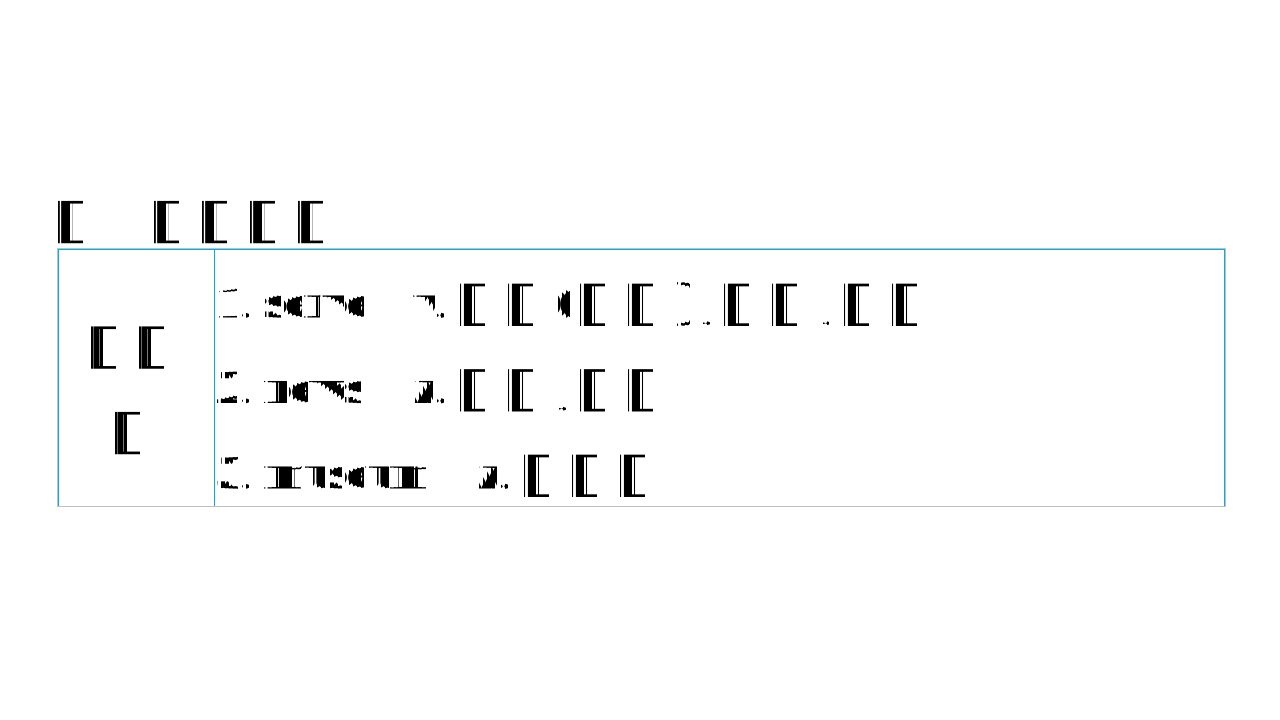
一 词汇导学
易错
词 1. serve v. 端上(饭菜);接待,服务
2. news n. 消息;新闻
3. museum n. 博物馆
一词
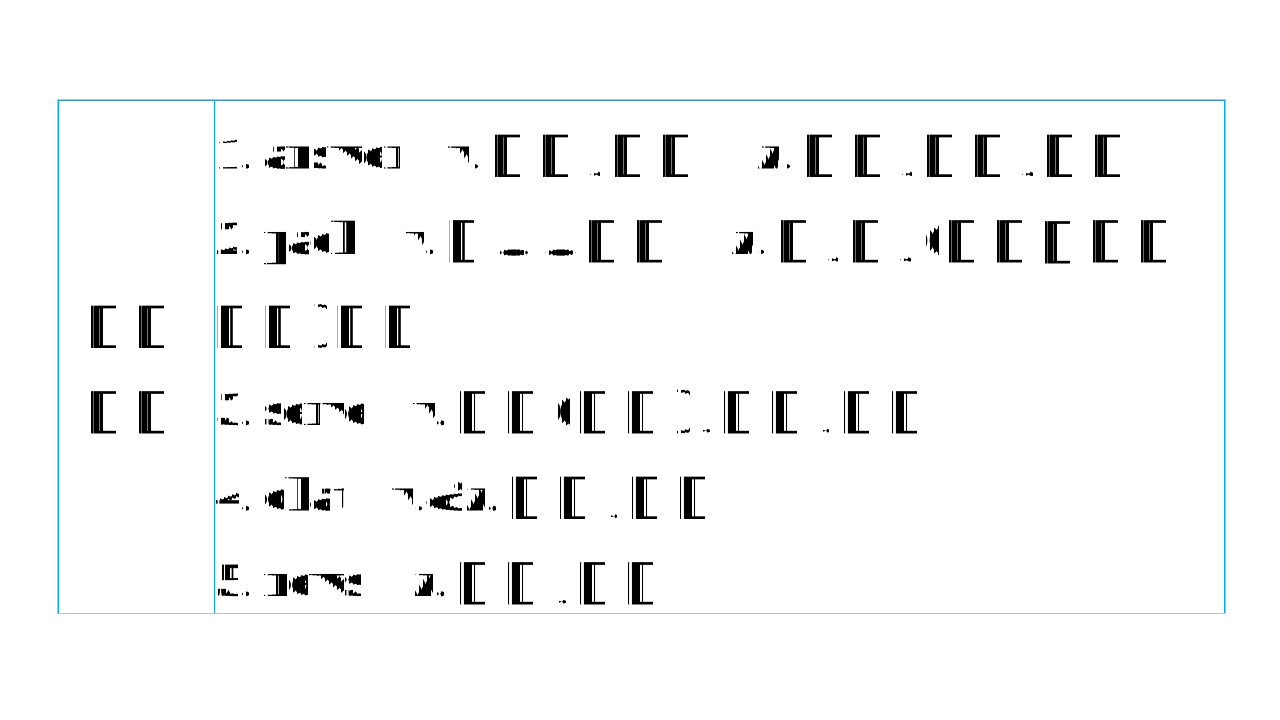
多义 1. answer v. 答复,回答 n. 答复,回答;答案
2. pack v. 把……打包 n. 包,捆;(猎犬、野兽
等的)一群
3. serve v. 端上(饭菜);接待,服务
4. chat v.&n. 聊天,闲谈
5. news n. 消息;新闻
词形
词性
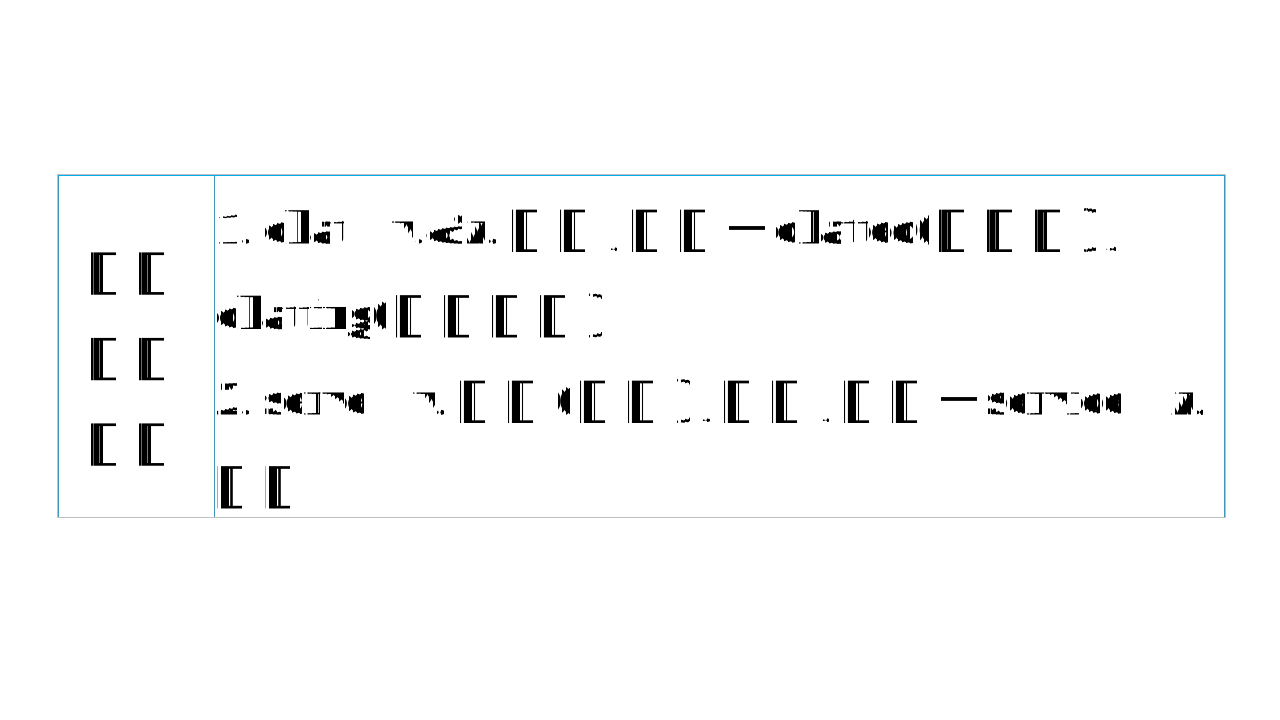
转换 1. chat v.&n. 聊天,闲谈→chatted(过去式),chatting(现在分词)
2. serve v. 端上(饭菜);接待,服务→service n.
服务
二 词块记忆
1. hold the line 别挂电话
2. answer the telephone 接电话
3. from nine to eleven yesterday 昨天九点到十一点
4. practice the violin 练习小提琴
5. take a shower 洗淋浴
6. do some cleaning 打扫卫生
7. pass the time 消磨时间
8. serve the food 供应食物
9. chat with friends 和朋友闲聊
10. listen to the news 听新闻
11. eat Beijing roast duck 吃北京烤鸭
三 精点解析
1. Hold the line,please. 请别挂断电话。
解析
此句为电话用语。相似表达还有:hold on,wait a
moment,just a moment 等。
2. —What were you doing at this time yesterday?昨天的这
个时候你在做什么呢?
—I was taking a shower. 我正在洗淋浴。
解析
(1)at this time yesterday昨天这个时候(常和过去进行时
连用)
(2)此句时态为过去进行时,结构为:was/were doing(详
见语法梳理)
e.g. She was doing homework at this time yesterday. 昨天这
个时候她在做作业。
3. I called you to go to the English Corner but no one
answered. 我打电话叫你去英语角,但是没人接电话。
解析
answer v. 答复,回答 n. 答复,回答;答案
e.g. I repeated the question,but she didn’t answer.我把问题
重复了一遍,但是她没有回答。
Did he answer your letter?他给你回信了吗?
Did you know the answer to the question? 你知道这个问题
的答案吗?
$$模块三 第三讲 第四课
一 词汇导学
易错
词 1. solve v. 解决(问题)
2. factory n. 工厂
一词
多义 however adv. 然而;不管怎样
词形
词性
转换 1. factory n. 工厂→factories(复数)
2. happy adj. 高兴的→happily adv. 快乐地,
高兴地,幸福地
3. closed adj. 关闭的→close v. 关闭
二 词块记忆
1. a short history of the weekend 周末的简短历史
2. at church 在教堂;做礼拜
3. in the early 1800s 在19世纪早期
4. have fun 玩得开心
5. feel too tired to work 感觉太疲劳而无法工作
6. solve the problem 解决这个问题
7. make Saturday afternoon a holiday 把周六下午定为一个
假期
8. stop doing sth. 停止做某事
9. the beginning of...……的开始
10. be closed 关着的
11. all day 一整天
12. the two-day weekend 两天的周末
三 精点解析
1. However,many workers played games and had fun on
that day. 然而,许多工人在那天玩游戏并且玩得开心。
解析
词汇 词性 用法 示例
however 副词 “不管怎
样”,其后
不跟逗号 She has the window open,
however cold it is outside. 不
管外面多么冷,她都开着窗
户。
词汇 词性 用法 示例
however 连词 “但是,然
而”,其后
常跟逗号 I got up early. However, I
was still late. 我起得很早,但我还是迟到了。
词汇 词性 用法 示例
but 连词 “但是”,
其后一般不
使用逗号 I got up early,but I was still
late. 我起得很早,但我还是
迟到了。
2. At one o’clock,everyone stopped working. 每个人在一
点钟的时候就停止工作了。
解析
(1)stop doing sth. 停止正在做的事情。
e.g. It’s time for class. Stop talking.上课时间到了,不要讲
话了。(原本正在讲话)
(2)stop to do sth. 停下(正在做的事)去做另一件事
e.g. I’m tired. Let’s stop to have a rest. 我累了。咱们停下
来休息一下吧。(原本在做别的事)
四 语法梳理
过去进行时
(一)定义及结构
定义 表示过去某个时间点或某一具体时间段正在发生
或进行的动作或状态。
结构 was/were+doing
(二)句型结构
句
型 肯定句:主语+
was/were+doing+
其他。 We were having supper when the
phone rang. 我们正在吃晚饭,
这时电话响了。
否定句:主语+
was/were+not+
doing+其他。 This time yesterday Jack was not
watching TV.
昨天这个时候杰克没在看电
视。
句
型 一般疑问
句:Was/Were+主语
+doing+其他? —Were you playing basketball
at four yesterday afternoon?—
—昨天下午四点你们在打篮球
吗?
—Yes, we were./No,we
weren’t.
——是的,我们是。/不,我们不
是。
句
型 答语:Yes,主语+
was/were.
或No,主语+
wasn’t/weren’t. —Were you playing basketball
at four yesterday afternoon?—
—昨天下午四点你们在打篮球
吗?
—Yes, we were./No,we
weren’t.
——是的,我们是。/不,我们不
是。
句
型 特殊疑问句:特殊疑
问词+一般疑问句
+其他? What were you doing at four
yesterday afternoon? 昨天下午
四点你(们)在做什么?
时
间标记 1. at this time
yesterday,at 9
o’clock last
night,from nine to ten yesterday,then等
2. 与when, while引导的时间状语从句连用 Miss Li was shopping at this time
yesterday.
昨天的这个时候,李小姐正在购物。
We were watching TV from
seven to nine last night.昨晚七点
到九点我们在看电视。
It was raining when they left the station.
他们离开车站时正在下雨。
My brother fell while he was riding his bicycle. 我哥哥在骑自行车时摔了下来。
口
诀 主语在前,were/was在后,现在分词跟着走,其他成分
不可丢。
变一般疑问句很简单,把were/was提到句子前,否定
句也不难,be后要把not添。
还有一点要注意,动作提问doing替。
(三)一般过去时与过去进行时的区别
时态 一般过去时 过去进行时
动作是
否完成 表示某一动作已经
完成
She wrote a letter to
her friend last night.
她昨晚给她的朋友
写了一封信。(信
写完了) 表示动作在持续或未完成
(延续性动词)
She was writing a letter to
her friend at 8 p.m.last
night. 昨晚8点她正在给她
的朋友写一封信。(信不
一定写完)
时态 一般过去时 过去进行时
时间标
志 句中有a moment
ago之类的时间状
语一般用一般过去
时 句中有at this time last
Sunday, from 8 to 9
yesterday 之类的状语一般
用过去进行时
$$模块三 第三讲 第二课
一 词汇导学
易错
词 1. agree v. 同意,应允 2. so-so adj. 一
般,不怎么样,凑合
3. pleasant adj. 令人愉快的,舒适的
词形
词性
转换 1. agree v. 同意,应允→disagree v. 不同意
2. useful adj. 有用的,有益的→useless adj. 无
用的→use v.&n. 使用
二 词块记忆
1. at this time last night 昨晚这个时候
2. watch a Harry Potter movie看一部《哈利·波特》电影
3. agree with sb. 同意某人的看法
4. What were you doing at this time last night?昨晚的这个
时候你在做什么?
5. I don’t think so. I think it is just so-so. 我不这么认为。
我认为它一般。
6. I think so. 我认为如此。
7. You are quite right. 你相当正确。
8. I think classical music is pleasant. 我认为古典音乐是令
人愉悦的。
三 精点解析
I don’t agree. 我不同意。
解析
此句用于对他人的观点表态。
(1)表示不同意的句子还有:
I don’t think so. 我不这么认为。
I don’t agree with you. 我不同意你的观点。
I think so. 我也这么认为。
I agree (with you).我同意(你的看法)。
You are quite right. 你相当正确。
(2)表示同意的句子有:
(3)agree的用法
agree with sb/sth. 同意某人(的意见)/某事
agree to do sth. 同意做某事
agree on sth. 就某事达成一致
agree +that从句
$$模块三 第三讲 第三课
一 词汇导学
易错
词 1. voice n. 嗓音,说话声
2. sell v. 卖出……;出售;转让
3. hungry adj. 饥饿的
一词
多义 1. match n. 火柴;比赛,竞赛 v. 将……配对
2. dark adj. 黑暗的;暗色的 n. 黑暗;暗处
3. sell v. 卖出……;出售;转让
4. beat v. 打,击打;(在比赛中)打败(某人)
5. burn v. 燃烧;烧毁
6. disappear v. 消失;灭绝
词形
词性
转换 1. match n. 火柴;比赛,竞赛→matches(复数)
2. goose n. 鹅→geese(复数)
3. sell v.卖出……;出售;转让→sold(过去式)
4. beat v. 打,击打;(在比赛中)打败(某
人)→beat(过去式)
词形
词性
转换 5. burn v. 燃烧;烧毁→burnt/burned(过去式)
6. disappear v. 消失;灭绝→appear v. 出现
7. dead adj. 死的→die v. 死亡
8. wake v. 醒来;弄醒,唤醒→woke(过去式)
9. light v. 点燃→lit/lighted(过去式)
二 词块记忆
1. on the last evening of the year 一年的最后一个晚上
2. get together 团聚
3. with no shoes 没穿鞋
4. cry in a low voice 低声喊着
5. pass by 路过
6. fall down 落下;摔倒
7. feel cold and hungry 感觉又冷又饿
8. warm me up 使我温暖起来
9. light three matches 点燃三根火柴
10. go out 熄灭;出去
11. hold the girl in her arms 把这个女孩抱在她的怀里
12. lie against the wall 靠墙躺着
13. knock at the door 敲门
14. come out of the bathroom 从浴室出来
15. wake up 醒来
16. wake sb. up 叫醒某人
三 精点解析
1. “Matches,matches!” the little girl cried in a low voice.
“火柴,火柴!”小女孩低声喊着。
解析
(1)match n. 火柴;比赛,竞赛
v. 将……配对
e.g. He watched an exciting football match last night.昨晚
他看了一场激动人心的足球比赛。
Match the pictures with the words,please. 请将图片和单词
配对。
(2)voice n. 声音,尤其指人的嗓音。修饰声音的高低用
high/low。
常用搭配:in a high/low voice 高声/低声地说
2. Her father would beat her. 她的父亲会打她。
解析
beat
3. Then she lit a fourth match. 然后她又点燃了第四根
火柴。
解析
(1)a/an+序数词+n. 表示“又一个,再一个”。
e.g. His parents have two children,but they want a third
one. 他的父母有两个孩子了,但是他们想再要一个。
(2)the+序数词+n.表示“第几个”。
e.g. He is the third student to get to school. 他是第三个到
达学校的学生。
$$
资源预览图

1
2
3
4

5
相关资源
由于学科网是一个信息分享及获取的平台,不确保部分用户上传资料的 来源及知识产权归属。如您发现相关资料侵犯您的合法权益,请联系学科网,我们核实后将及时进行处理。