Unit 2 Topic3知识点梳理课件 2024-2025学年仁爱科普版八年级英语上册
2024-07-18
|
4份
|
65页
|
441人阅读
|
84人下载
普通
资源信息
| 学段 | 初中 |
|---|---|
| 学科 | 英语 |
| 教材版本 | 初中英语仁爱科普版(2012)八年级上册 |
| 年级 | 八年级 |
| 章节 | 3. Must we exercise to prevent the flu? |
| 类型 | 课件 |
| 知识点 | - |
| 使用场景 | 同步教学 |
| 学年 | 2024-2025 |
| 地区(省份) | 全国 |
| 地区(市) | - |
| 地区(区县) | - |
| 文件格式 | ZIP |
| 文件大小 | 358 KB |
| 发布时间 | 2024-07-18 |
| 更新时间 | 2024-12-16 |
| 作者 | 匿名 |
| 品牌系列 | - |
| 审核时间 | 2024-07-18 |
| 下载链接 | https://m.zxxk.com/soft/46403210.html |
| 价格 | 0.00储值(1储值=1元) |
| 来源 | 学科网 |
内容正文:
模块二 第三讲 第四课
一 词汇导学
易错
词 1. stretch v.伸展,舒展
2. equipment n.设备,器材
3. choose v.选择;挑选
4. instead adv. 代替,反而
5. advise v. 建议,劝告
易错
词 6. instruction n. 用法说明,操作指南
7. except prep. 除……之外
8. war n. 战争;战争状态
9. athlete n. 运动员
10. suitable adj. 合适的,适宜的
一词
多义 choose v.挑选,选择;决定
词形
词性
转换 1. she pron.她→herself pron. 她自己
2. choose v.选择→chose v. 选择(过去式)→choice n. 选择
3. equip v. 装备→equipment n. 设备,器材
4. cook n.厨师→v. 煮饭→cooker n.炊具
5. care n. 关心→v.关心→careful adj.关心的,
细心的→carefully adv. 认真地,慎重地;仔细地
二 词块记忆
1. warm up 准备活动;热身;变暖
2. buy exercise equipment 买运动器材
3. get your body moving 让你的身体动起来
4. hurt yourself 伤到自己
5. stay healthy 保持健康
6. instead of代替,而不是
三 精点解析
1. The more exercise,the better. 运动得越多越好。
解析
the+形容词/副词比较级,the+形容词/副词比较级,表示
“越……,就越……”
e.g. The harder you work,the more you’ll get. 你越努力学
习,你收获就越多。
2. Choose a sport that you enjoy and then your exercise will
be fun instead of work. 选择一项你喜欢的运动,然后你的
运动将会是乐趣,而不是工作。
解析
(1)choose(过去式chose) v. 选择
短语:choose to do sth.选择做某事。
(2)instead of 代替,而不是;放句中,常接名词、代词、v-
ing、形容词、副词等。
e.g. I chose to stay at home instead of walking outside. 我选
择待在家里而不是出去散步。
I go to bed late instead of early. 我睡得很晚而不是早。
区别:instead 代替,反而;放句首或句末。
e.g. They didn’t meet her. They met her sister instead.他们
遇到的不是她,而是她姐姐。
四 语法梳理
(一)情态动词Ⅲ:must,have to,need
1. 区别must & have to
侧重点 时态 句式变化
must
必须 侧重说话者的主观看法 无时态及人
称、数量变
化 否定形式:mustn’t
疑问形式:Must+主语+...?
侧重点 时态 句式变化
have
to不得不 侧重客观的需
要 有时态、人
称和数量变
化 否定形式:don’t/doesn’t
have to
疑问形式:Do/Does+主语
+have to do sth.?(需借助
助动词)
e.g. We must study hard. 我们必须努力学习。(说话者的
主观意识)
It was raining outside so we had to stay at home.外面在下
雨,所以我们不得不待在家里。(下雨这一客观情况,使
我们不得不选择在家)
Does Mary have to leave school? 玛丽不得不辍学吗?
Must I finish homework now?我必须现在完成作业吗?
(注:don’t have to 常用于回答must 引导的一般疑问句,表
示不必要)
2. need需要
作情态动
词, 没有
人称和数
的变化 后接动词原
形,否定形式
needn’t do,常
用于否定句
和疑问句中 You needn’t worry about it.你
不必担心这件事。
—Need I wear a coat?我需要
穿外套吗?
—Yes,you must./No,you
needn’t/don’t have to.
作实义动
词,有人称和数的变化 后接名词、代词或不定式作宾语 I need to go to the store.我需
要去商店。
否定、疑问式需借助助动词do/does/did You don’t need to worry, I’ll
take care of it. 你不需要担心,
我会处理好的。
sth. need(s) doing 某事需要被做(=sth. need(s) to be done) The flowers need watering
every day.=The flowers need
to be watered every day. 花需
要每天浇水。(花被浇水)
(二)反身代词
反身代词是表示或强调自身的代词,有人称和数的
变化,意为“自己,本身,亲自”。
1. 反身代词的形式
人称 单数 复数
第一人称 myself ourselves
第二人称 yourself yourselves
第三人称 itself themselves
himself
herself
2. 反身代词的用法
作
用 位置 例句
宾
语 动词后
/介词后 She taught herself English.她自学英语。
He said to himself. 他自言自语。
表
语 系动词
后 The poor boy was myself.那个可怜的男孩就是我自己。
作
用 位置 例句
同
位
语 名词或代词之后 I myself don’t agree.我本人不同
意。
3. 常见短语:
e.g. Please help yourself to some fish. 请随便吃些鱼。
She always loses herself in reading. 她总是沉迷于阅读。
$$模块二 第三讲 第二课
一 词汇导学
易错
词 themselves pron. 他/她/它们自己
一词
多义 ring n. 戒指;环形物 v. 给……打电话
词形
词性
转换 1. they pron. 他/她/它们→themselves pron. 他/
她/它们自己
2. leave v. 离开;余下→left(过去式)
二 词块记忆
1. be busy 忙碌
2. half an hour later 半小时后
3. leave a message留个口信
take a message 带个口信
give a message 捎个口信
4. tell sb. (not) to do sth. 告诉某人(不)要做某事
5. give a talk 作报告;做演讲
6. forget to do sth. 忘记做某事
7. by oneself独立完成;依靠某人自己
for oneself 为自己
to oneself 暗自
of oneself 自发地
learn...by oneself=teach oneself 自学
8. with the help of 在……的帮助下
9. ask...for help 寻求……的帮助
三 精点解析
1. I’m afraid he is busy right now.我恐怕他现在正忙。
词组 含义及用法 示例
be afraid of
(doing) sth. 害怕(做)
某事 He is afraid of snakes. 他害怕蛇。
Don’t be afraid of making
mistakes. 不要害怕犯错误。
解析
(1)
词组 含义及用
法 示例
be afraid to do
sth. 害怕做某
事 She is afraid to go out alone at
night. 她害怕晚上独自出去。
词组 含义及用
法 示例
be afraid+
(that)从句 恐怕 I’m afraid(that) it’s too far. 恐
怕有点远。
(2)busy adj.意为“忙碌的”。 be busy with/doing sth. 忙
着做某事。
e.g.They are busy harvesting.他们忙着收割。
(3)right now=now意为“现在,此时”;right now还有
“立刻,马上”的意思,相当于at once。
2. I’ll ring him up later.我过一会儿再打给他。
解析
ring v. 打电话;响起铃声(过去式 rang) n. 环状物 短
语:ring sb. up=give sb. a call=call sb.=phone sb. 打电话
给某人
e.g. After ringing Maria up,I ran to the library. 打电话给玛
利亚后,我跑去了图书馆。
When the telephone rang,I was taking a shower. 当电话铃
声响时,我正在洗澡。
The children sat on the floor in a ring. 孩子们围成一圈,坐
在地板上。
3. Can I leave a message?
我可以留个口信吗?
解析
leave a message to sb. 给某人留口信
take a message for sb.为某人捎口信
give sb. a/the message带口信给某人
4. But I can’t finish it by myself. 但我不能独立完成。
解析
by oneself 独立完成
oneself 某人自己,反身代词(详见语法梳理)
$$模块二 第三讲 第三课
一 词汇导学
易错
词 1. habit n. 习惯
2. happen v. 发生,出现
3. happiness n.愉快,幸福
4. unhappy adj. 不高兴的,伤心的
一词
多义 1. fat n.脂肪 adj. 胖的,肥胖的
2. happen v.发生,碰巧,恰好;出现
词形
词性
转换 happy adj.开心的,高兴的→unhappy adj. 不
高兴的,伤心的(反义词)→happiness n.愉快,
幸福
二 词块记忆
1. have healthy eating habits 拥有健康的饮食习惯
2. stay/keep safe 保证安全
3. learn about first aid 了解急救知识
4. on the other hand 另一方面
5. stay away from smoking and drinking 远离抽烟和喝酒
6. cause many illnesses 导致很多疾病
7. do exercise=do/play sports做运动
8. in order to do sth. 为了做某事
9. Happiness is the best medicine. 快乐是最好的药。
10. Be happy to be healthy. 为了健康,要保持快乐。
三 精点解析
1. ...but fast food,like potato chips,will make you fat and
unhealthy. 但快餐,比如薯条,会使你肥胖和不健康。
解析
fat n.脂肪 adj. 胖的,肥胖的
e.g.These food should contain some fat,some fiber,a little
salt and so on. 这些食物应当含有一些脂肪、纤维素和少
量的盐等。
She has a fat daughter. 她有一个胖女儿。
2. But sometimes accidents can happen,so try to stay safe
when you play them. 但有时会发生事故,因此,当你运动
时,一定要注意安全。
解析
happen v.发生;碰巧,恰好
短语:sth. happen(s) to sb. 某人发生某事
happen to do sth. 碰巧做某事
e.g. Something unexpected happened at the very moment.
就在那一刻没有料到的事情发生了。
I happened to be in the market yesterday when the fire
started. 昨天发生火灾时,我正好在市场里。
3. On the other hand,you may feel ill if you are always
unhappy. 另一方面,如果你总是不开心,你可能会生病。
解析
on the other hand意为“另一方面”,表示从另一个角度
看问题。
on the one hand...on the other hand...一方面……另一方
面……
e.g. On the other hand,the flu may cause a fever.另一方面,
流感可能会引起发烧。
4. In order to keep healthy,we should eat right food. 为了保
持身体健康,我们应该吃正确的食物。
解析
in order to 为了,后接动词原形。
e.g. She arrived early in order to get a good seat. 为了得到
一个好座位,她很早就到了。
拓展:in order to常常可以转换成in order that引导的目的
状语从句。
e.g. We should work hard in order to pass the exam.
=We should work hard in order that we can pass the exam.
为了能通过考试,我们应该努力学习。
5. You should say no to smoking and drinking. 你应该拒绝
烟酒。
解析
say no to sb./sth. 拒绝某人/某物,to为介词,后面跟名词或
动名词。
类似的词组有:
say yes to sb.同意某人
say hello/goodbye to sb.向某人打招呼/道别
say sorry to sb.向某人道歉
e.g.We all went to say goodbye to him at the airport.我们都
去机场跟他道别。
$$模块二 第三讲 第一课
一 词汇导学
易错词 1. journalist n.记者,新闻工作者
2. ahead adv. 向前;提前,预先
3. prevent v. 阻止,阻碍,阻挠
4. build v. 增强;建筑,建造
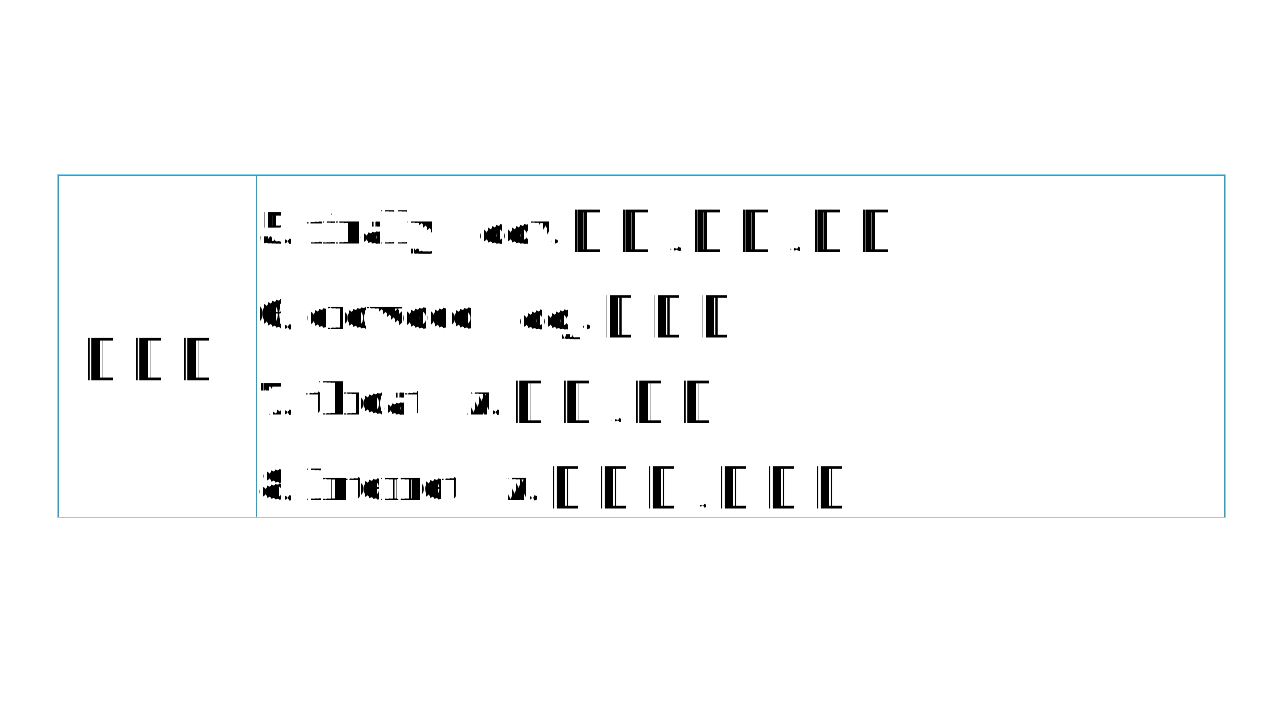
易错词 5. finally adv. 最后;最终,终于
6. crowded adj. 拥挤的
7. throat n. 咽喉,喉咙
8. Internet n. 互联网,因特网
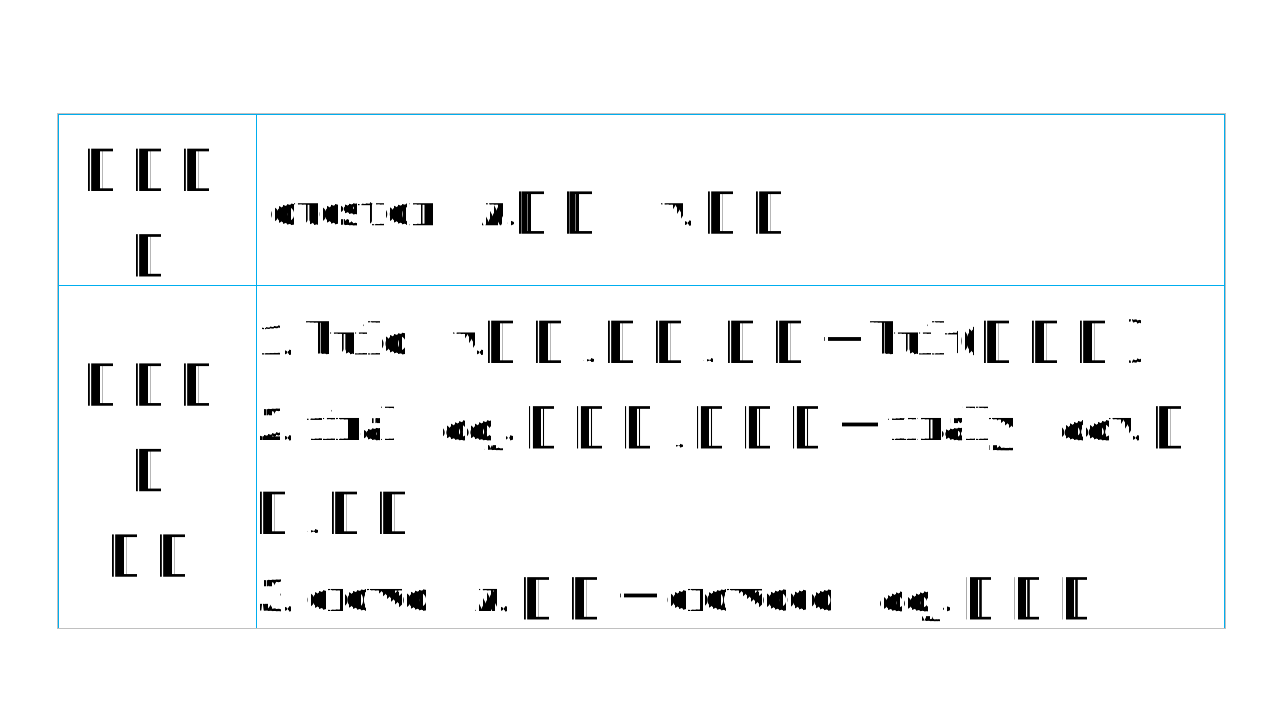
一词多
义 question n.问题 v. 询问
词形词
性
转换 1. build v.增强;建造,建筑→built(过去式)
2. final adj. 最后的;最终的→finally adv. 最
后;最终
3. crowd n. 人群→crowded adj. 拥挤的
二 词块记忆
1. talk with sb.和某人交谈
2. go ahead 开始,去做吧
3. prevent sb. (from) doing sth. 阻止/预防某人做某事
4. build sb. up增强某人体质
5. keep our rooms clean and the air fresh all the time一直保
持我们的房间干净和空气流通
6. wash our hands and change our clothes often常洗我们的
手,勤换我们的衣服
7. keep away from crowded places 远离人群密集的地方
8. take your advice 采纳你的建议
9. don’t have to 没必要
10. take some cold pills 吃一些感冒药
11. play sports/do sports 做运动
12. work on the Internet too long网上工作太久
13. eat hot food 吃辛辣食物
三 精点解析
1. Kangkang’s father,Dr. Li,is talking with a journalist on
TV. 康康的父亲,李医生,正在电视上接受记者的采访。
解析
talk with/to sb.和某人交谈
talk about/of sth. 谈论某事
2. —May I ask you some questions,Dr.Li? 我可以问你一
些问题吗?
—Sure,go ahead. 当然,请开始吧。
解析
(1)question n. 问题,疑问,指比较容易解决的问题及口
头回答的问题,常搭配的动词短语:ask/answer a question
问/回答问题
v. 疑问;质疑
e.g. They questioned the possibility of the question.他们质
疑这个问题的可能性。
(2)Sure,go ahead.用于表示同意对方开始做某事。
ahead adv. 向前;提前
相关短语:go ahead 开始做,着手做
ahead of time 提前
e.g. They finish the job ahead of time.他们提前完成了
工作。
3. So what should we do to prevent it? 那么,我们应该做什
么来预防它(流感)呢?
解析
prevent的用法:
prevent v.
4. We should exercise often to build us up.我们应该经常锻
炼来增强我们的体质。
解析
build up意为“增强体质”;其宾语如为代词,要用宾格,
放在中间;如果是名词,可放中间或后面。
e.g. Running can build our bodies up/build up our bodies.
跑步能增强我们的体质。
5. Finally,we should keep away from crowded places. 最
后,我们应该远离人群密集的地方。
解析
keep away from 意为“远离……”,from为介词,后接名
词、代词或动名词,可与stay away from 互换。
e.g. We should keep away from smoking and drinking.我们
应该远离烟酒。
$$
资源预览图
1

2
3
4

5

6
相关资源
由于学科网是一个信息分享及获取的平台,不确保部分用户上传资料的 来源及知识产权归属。如您发现相关资料侵犯您的合法权益,请联系学科网,我们核实后将及时进行处理。