Unit 1 Section Ⅲ Using language—Grammar(Word教参)-【优化指导】2023-2024学年新教材高中英语选择性必修第四册(外研版2019)
2024-05-06
|
6页
|
107人阅读
|
3人下载
教辅

资源信息
| 学段 | 高中 |
|---|---|
| 学科 | 英语 |
| 教材版本 | 高中英语外研版选择性必修第四册 |
| 年级 | 高二 |
| 章节 | Using language |
| 类型 | 教案-讲义 |
| 知识点 | - |
| 使用场景 | 同步教学-新授课 |
| 学年 | 2024-2025 |
| 地区(省份) | 全国 |
| 地区(市) | - |
| 地区(区县) | - |
| 文件格式 | DOCX |
| 文件大小 | 102 KB |
| 发布时间 | 2024-05-06 |
| 更新时间 | 2024-05-06 |
| 作者 | 山东接力教育集团有限公司 |
| 品牌系列 | 优化指导·高中同步学案导学与测评 |
| 审核时间 | 2024-03-13 |
| 下载链接 | https://m.zxxk.com/soft/43851356.html |
| 价格 | 2.00储值(1储值=1元) |
| 来源 | 学科网 |
内容正文:
Section Ⅲ Using language—Grammar
复习时态
[对应学生用书P12]
[观察]
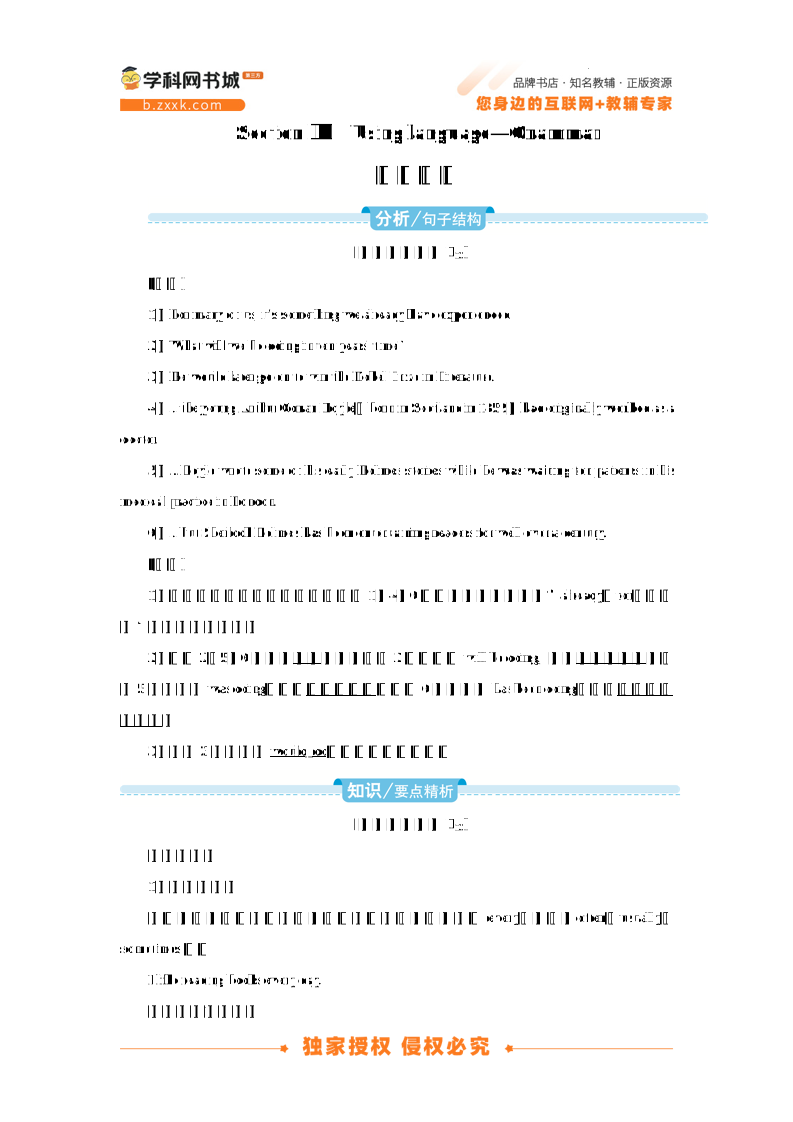
1.For many of us, it's something we already have experienced.
2.What will we be doing in ten years' time?
3.He would later go on to win the Nobel Prize in Literature.
4....the young Arthur Conan Doyle,born in Scotland in 1859,had originally worked as a doctor.
5....Doyle wrote some of his early Holmes stories while he was waiting for patients in his medical practice in London.
6....but Sherlock Holmes has been entertaining readers for well over a century.
[归纳]
1.以上例句中含完成时态的句子有1、4、6句,完成时态经常与“already,for+时间段”等时间状语连用。
2.例句2、5、6中含有进行时态;例句2中结构为will be doing, 表示将来进行时;例句5中结构为was doing,表示过去进行时,例句6中结构为has been doing,表示现在完成进行时。
3.例句3中结构为would_do,表示过去将来时。
[对应学生用书P12]
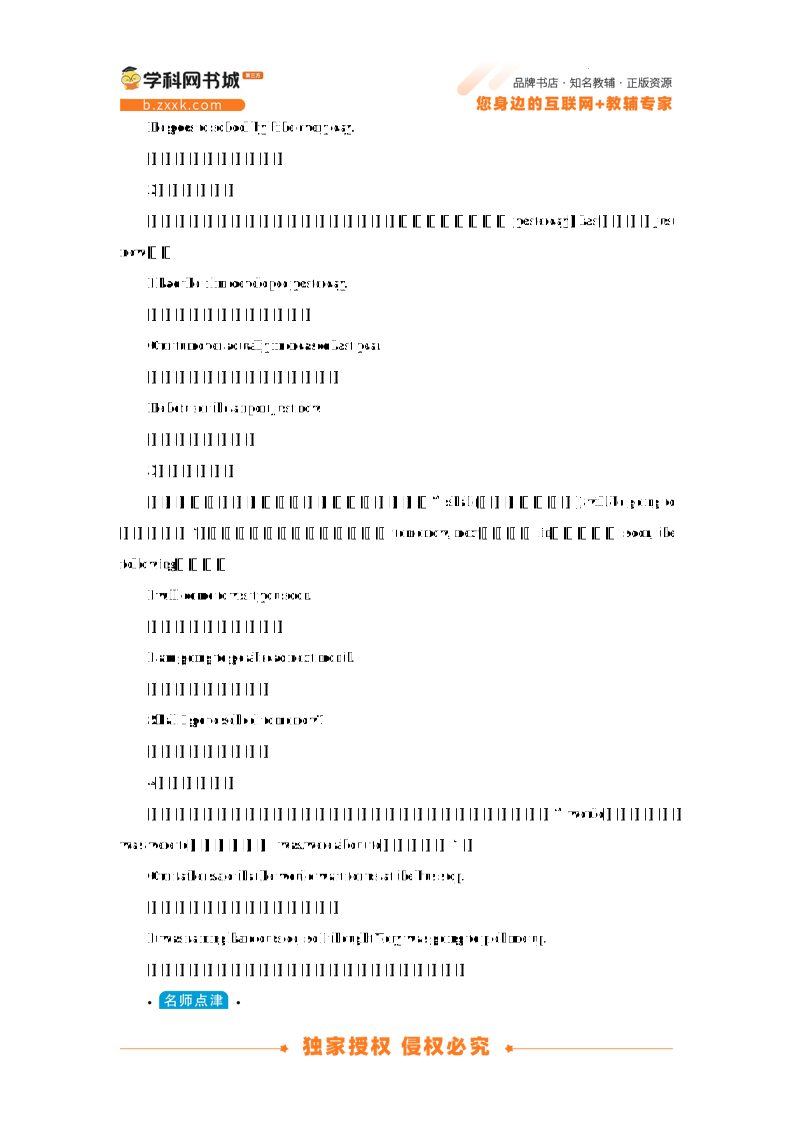
1.一般现在时
指经常或者习惯性的动作或状态。常用的时间状语有every+时间,often,usually,sometimes等。
I like reading books every day.
我喜欢每天读书。
He goes to school by bike every day.
他每天骑自行车上学。
2.一般过去时
指过去的经常或者习惯性的动作或状态。常用的时间状语有yesterday,last+时间,just now等。
I had the film developed yesterday.
我昨天把胶卷拿去冲印了。
Our turnover actually increased last year.
去年我们的营业额确实增加了。
He left for the airport just now.
他刚才去机场了。
3.一般将来时
表示将来要发生的动作或状态。谓语动词常用“shall(第一人称疑问句)/will/be going to+动词原形”,用于一般将来时的时间状语有tomorrow, next+时间, in+时间段, soon, the following+时间。
I will come to visit you soon.
我很快就会来看你的。
I am going to go abroad next month.
我下个月将要出国。
Shall I go to school tomorrow?
我明天要去上学吗?
4.过去将来时
表示在过去某一时间来看将要发生的动作或者状态。谓语动词常用“would+动词原形, was/were to+动词原形, was/were about to+动词原形”。
Our father said that he would wait for us at the bus stop.
爸爸说他会在公交车站等我们。
It was raining hard outside, so I thought Tory was going to pick me up.
当时外面正在下大雨,所以我想托里应该会来接我。
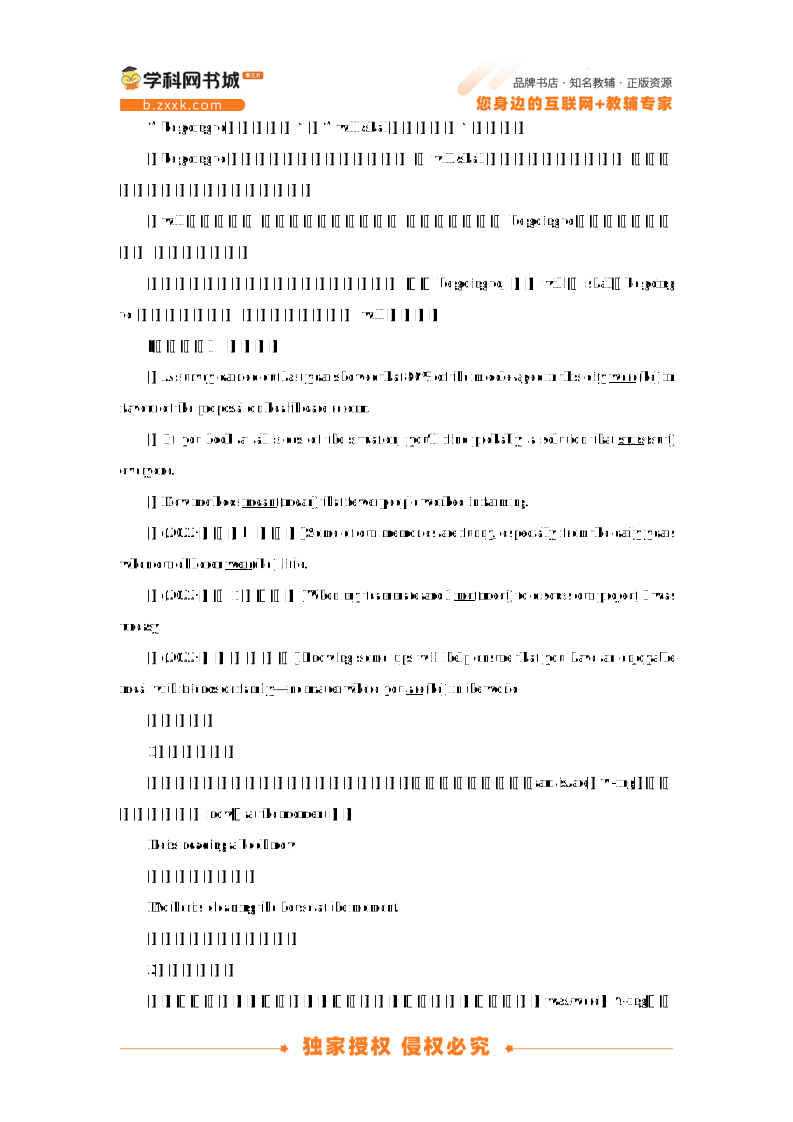
“be going to+动词原形”与“will/shall+动词原形”的区别:
①be going to通常表示很快就要发生的事, 而will/shall既可表示不久的将来, 也可表示长远的将来或不确定的将来。
②will表示将来, 通常是指事先无计划, 是临时决定的; be going to则表示事先有计划, 是经过考虑的。
③表示有迹象显示将要发生某一动作时, 要用be going to, 不用will或shall。be going to 可用于条件句, 表示将来的时间, will则不能。
[即学即练] 单句填空
①A survey carried out last year showed that 80% of the middleaged in this city were(be) in favour of the proposal on
资源预览图
1
2
3

相关资源
由于学科网是一个信息分享及获取的平台,不确保部分用户上传资料的 来源及知识产权归属。如您发现相关资料侵犯您的合法权益,请联系学科网,我们核实后将及时进行处理。