Unit 3 课时跟踪检测(2) 语言运用综合练(word练习)-【新课程学案】新教材2023-2024学年高中英语选择性必修第四册(人教版2019)
2024-04-18
|
6页
|
70人阅读
|
3人下载

资源信息
| 学段 | 高中 |
|---|---|
| 学科 | 英语 |
| 教材版本 | 高中英语人教版选择性必修第四册 |
| 年级 | 高二 |
| 章节 | Unit 3 Sea Exploration |
| 类型 | 题集-专项训练 |
| 知识点 | 语法,语用 |
| 使用场景 | 同步教学-新授课 |
| 学年 | 2024-2025 |
| 地区(省份) | 全国 |
| 地区(市) | - |
| 地区(区县) | - |
| 文件格式 | DOCX |
| 文件大小 | 81 KB |
| 发布时间 | 2024-04-18 |
| 更新时间 | 2024-04-18 |
| 作者 | 山东一帆融媒教育科技有限公司 |
| 品牌系列 | 新课程学案·高中同步导学 |
| 审核时间 | 2024-03-05 |
| 下载链接 | https://m.zxxk.com/soft/43685630.html |
| 价格 | 2.00储值(1储值=1元) |
| 来源 | 学科网 |
内容正文:
UNIT 3 课时跟踪检测(二) 语言运用综合练
Ⅰ.阅读理解
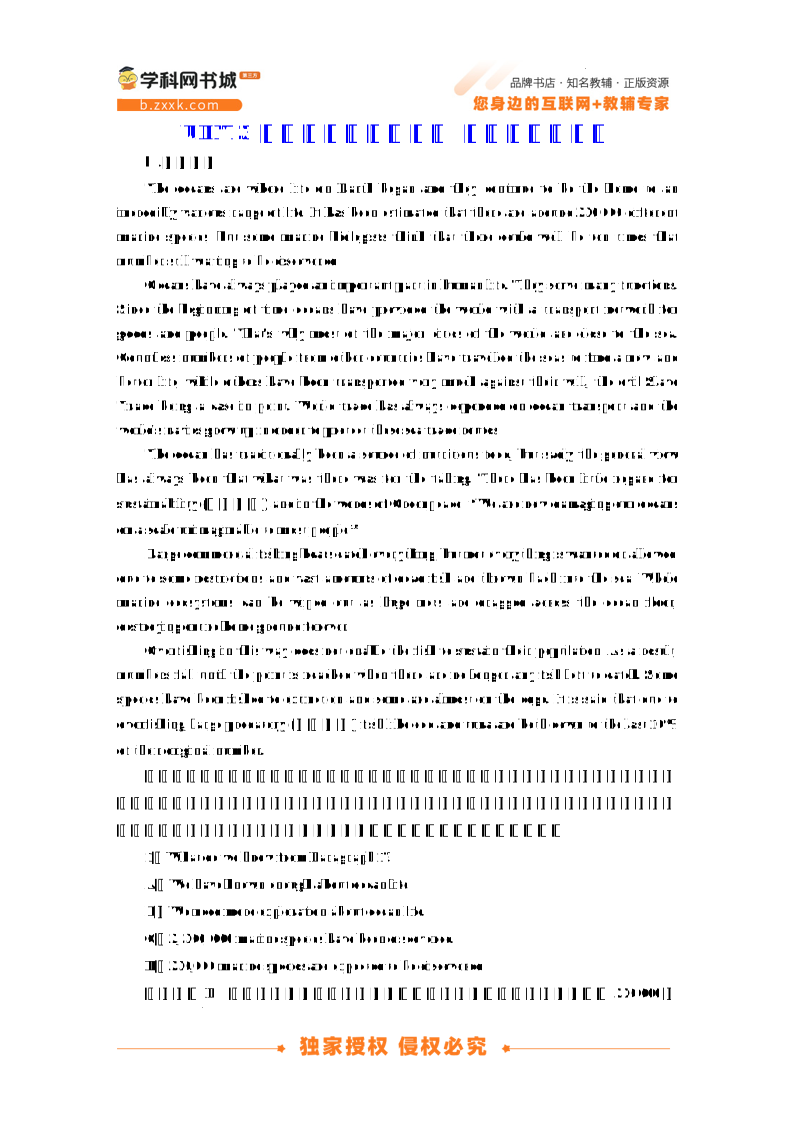
The oceans are where life on Earth began and they continue to be the home to an incredibly various range of life. It has been estimated that there are around 230,000 different marine species, but some marine biologists think that there could well be ten times that number still waiting to be discovered.
Oceans have always played an important part in human life. They serve many functions. Since the beginning of time oceans have provided the world with a transport network for goods and people. That's why most of the major cities of the world are close to the sea. Countless numbers of people from other countries have travelled the seas to find a new and better life, while others have been transported very much against their will, the evil Slave Trade being a case in point. World trade has always depended on ocean transport and the world's navies grew up in order to protect these sea trade routes.
The ocean has traditionally been a source of nutritious food, but sadly the general view has always been that what was there was for the taking. There has been little regard for sustainability (可持续性) and in the words of Greenpeace: “We are now damaging our oceans on a scale unimaginable to most people.”
Large commercial fishing boats catch everything, but not everything is wanted or allowed due to some restrictions and vast amounts of dead fish are thrown back into the sea. Whole marine ecosystems can be wiped out as huge nets are dragged across the ocean floor, destroying entire home ground forever.
Overfishing in this way does not enable the fish to sustain their population. As a result, numbers fall until the point is reached when there are no longer any fish left to catch. Some species have been fished to extinction and some are almost on the edge. It is said that due to overfishing, large predatory (捕食性的) fish like cod and tuna are both down to the last 10% of their original number.
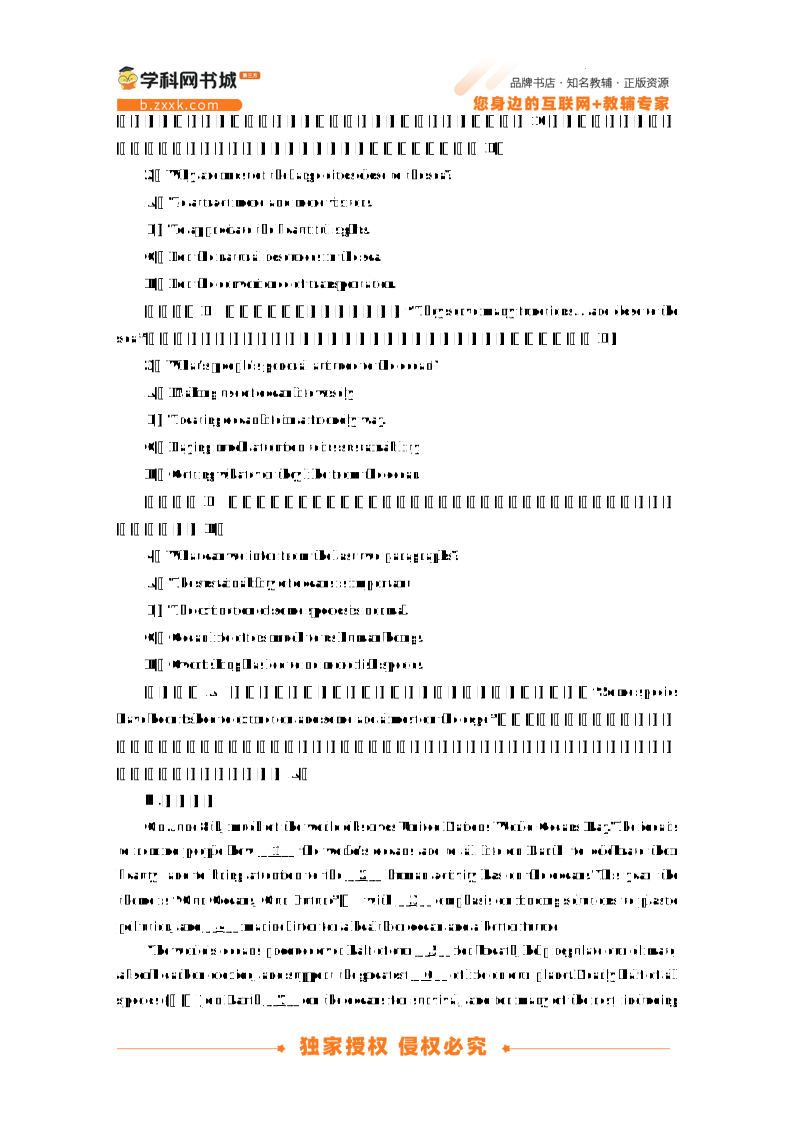
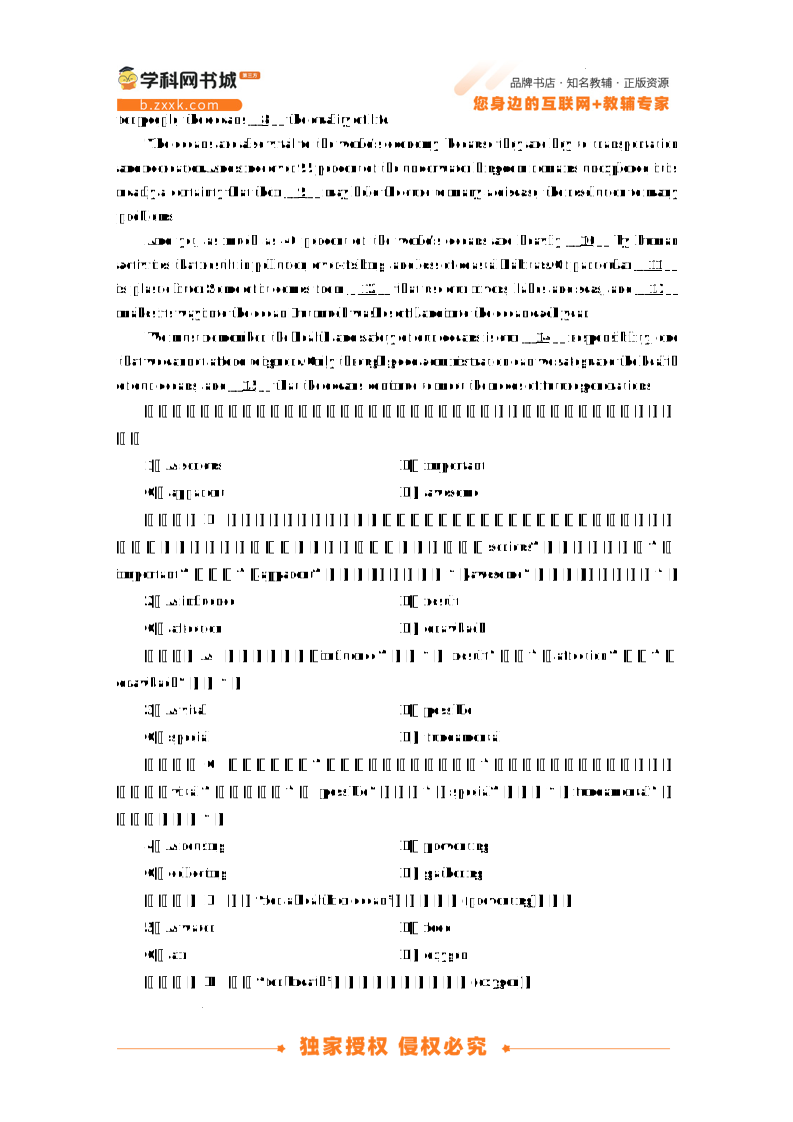
语篇解读:本文是一篇说明文。海洋在食物和交通运输方面都给我们提供便利,因此它在人类生活中扮演着非常重要的作用。但人
资源预览图
1
2
3
相关资源
由于学科网是一个信息分享及获取的平台,不确保部分用户上传资料的 来源及知识产权归属。如您发现相关资料侵犯您的合法权益,请联系学科网,我们核实后将及时进行处理。