Unit 2 Look into the Future(Discover Useful Structures)(教学课件)-2023-2024学年高二英语同步精品课堂(人教版2019选择性必修第一册)
2023-07-14
|
17页
|
5090人阅读
|
16人下载
精品
资源信息
| 学段 | 高中 |
|---|---|
| 学科 | 英语 |
| 教材版本 | 高中英语人教版选择性必修第一册 |
| 年级 | 高二 |
| 章节 | Learning About Language |
| 类型 | 课件 |
| 知识点 | - |
| 使用场景 | 同步教学-新授课 |
| 学年 | 2024-2025 |
| 地区(省份) | 全国 |
| 地区(市) | - |
| 地区(区县) | - |
| 文件格式 | PPTX |
| 文件大小 | 248 KB |
| 发布时间 | 2023-07-14 |
| 更新时间 | 2023-09-19 |
| 作者 | 乔木木一 |
| 品牌系列 | 上好课·上好课 |
| 审核时间 | 2023-07-14 |
| 下载链接 | https://m.zxxk.com/soft/39977696.html |
| 价格 | 3.00储值(1储值=1元) |
| 来源 | 学科网 |
内容正文:
UNIT2 LOOK INTO THE FUTURE
THE FUTURE PROGRESSIVE TENSE
LEARNING OBJECTIVES
Learn to understand the use of the future progressive tense;
Read and understand the difference between the simple future tense and future progressive tense;
Use the future progressive tense to express your ideas.
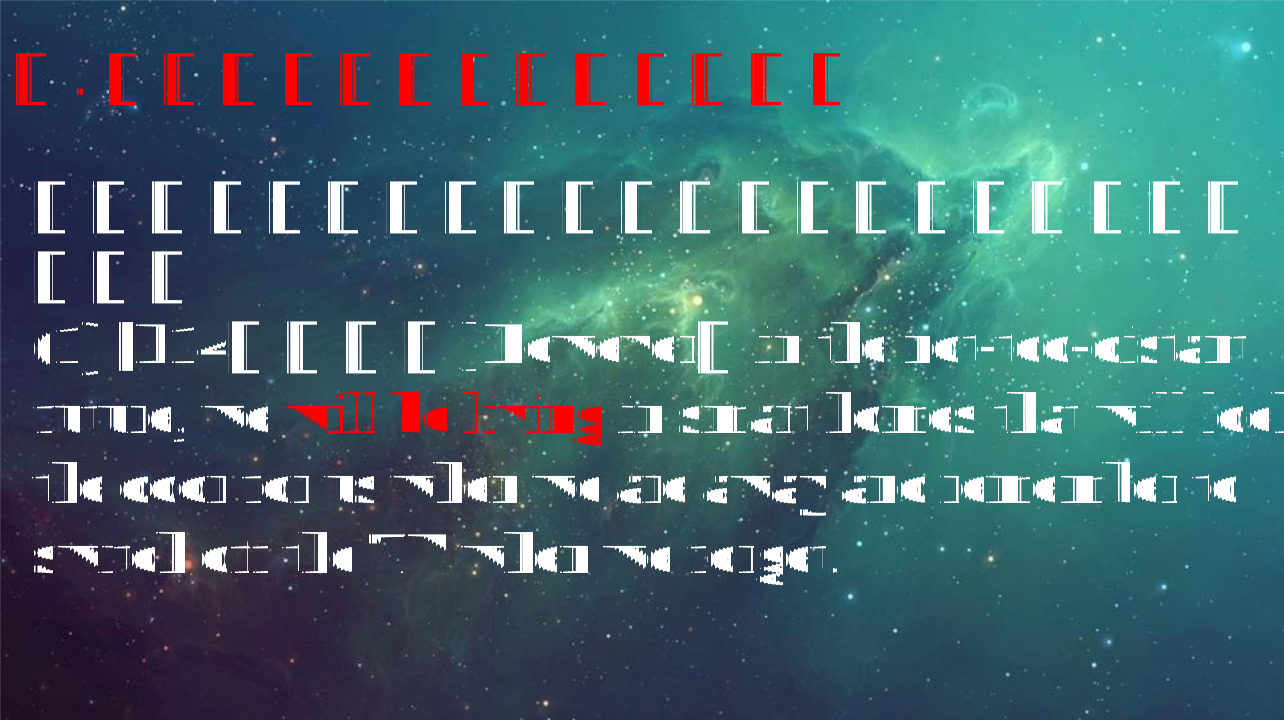
阅读教材原句并注意红色部分的特点并完成语法感知。
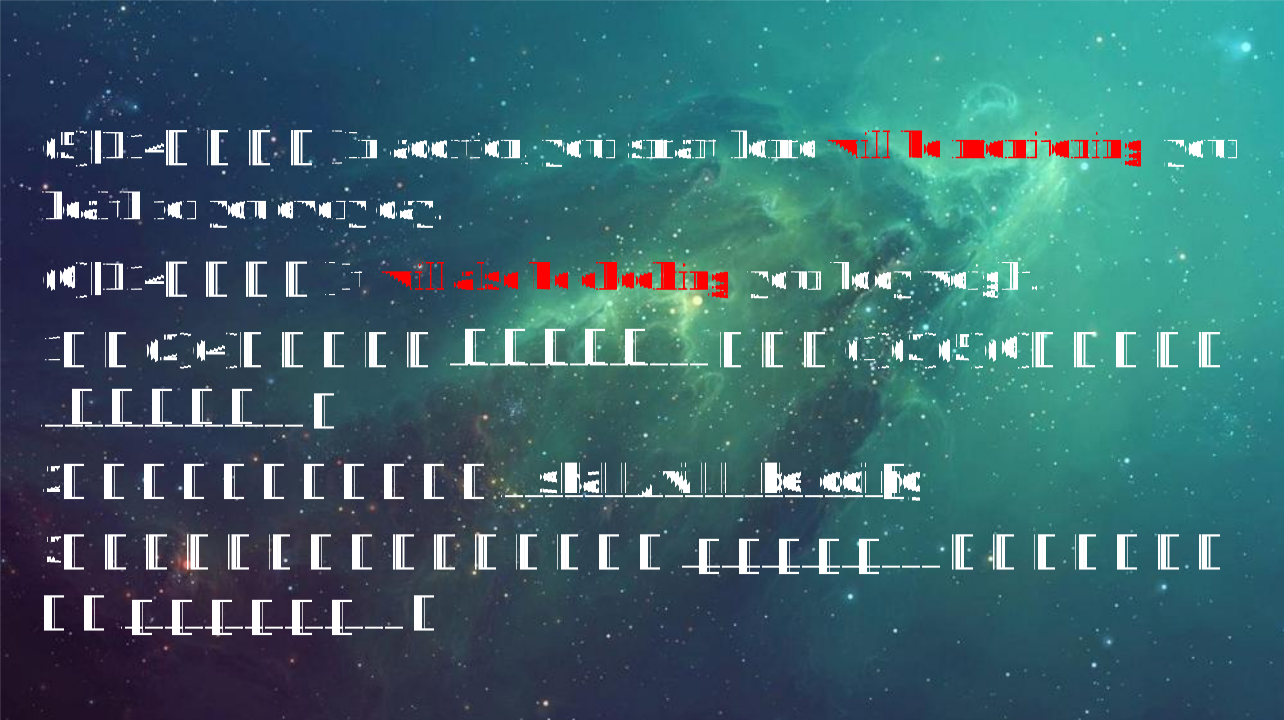
(1) [P14教材原文]However,in the nottoodistant future, we will be living in smart homes that will lock the door for us when we are away and remember to switch off the TV when we forget.
一. 辨别一般将来时和将来进行时
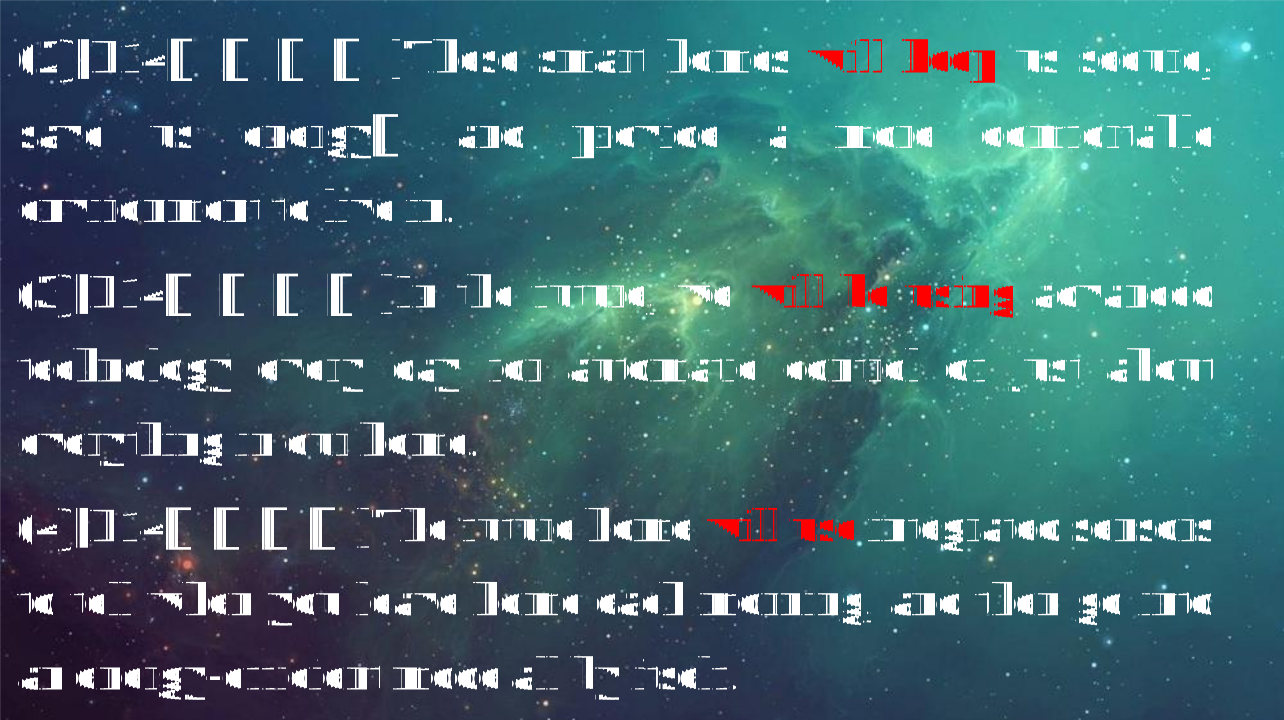
(2)[P14教材原文]These smart homes will keep us secure, save us energy,and provide a more comfortable environment to live in.
(3)[P14教材原文]In the future, we will be using advanced technology every day for automatic control of just about everything in our home.
(4)[P14教材原文]The future home will use integrated sensors to tell when you leave home each morning, and then go into an energyefficient mode all by itself.
一般将来时
将来进行时
shall/will be doing
正在做的事
将来要做的事
(5)[P14教材原文]In addition, your smart home will be monitoring your health for you every day.
(6)[P14教材原文]It will also be checking your body weight.
1.第(2)(4)句中时态为_____________ ,而第(1)(3)(5)(6)句中时态为_____________ 。
2.将来进行时的构成为:___________________。
3.将来进行时表示将来的某个时间_____________ ,而一般将来时表示______________ 。
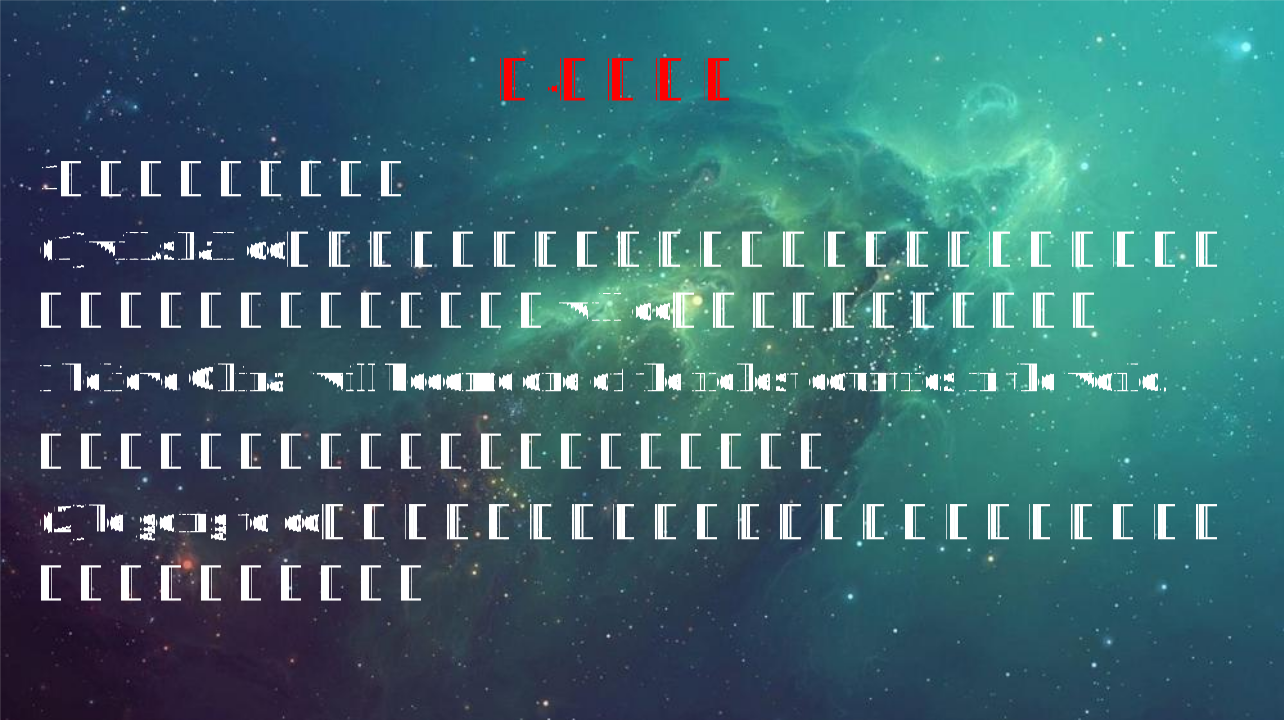
1.一般将来时的用法
(1)will/shall do表示在将来某个时间要发生的动作或存在的状态,常与表示将来的时间状语连用;will do也可指临时决定做某事。
I believe China will become one of the richest countries in the world.
我相信中国将成为世界上最富裕的国家之一。
(2)be going to do表示打算最近或将来要做的事,或根据已有的迹象推测某事很可能发生。
二.语法讲解
I am going to buy a new coat this winter.
今年冬天,我打算买一件新外套。
Look at the dark clouds.It's going to rain.
看那乌云,要下雨了。
(3)be to do表示按计划约定去做某事或按职责、义务和要求必须去做某事。
The highway is to be opened next week.
这条公路将于下周开放。
(4)be about to do或be on the point of doing表示即将发生的动作,句中不用表示将来的确切的时间状语。
Walk up! Walk up! The performance is about to begin.
快过来!快过来!表演马上开始了。
(5)现在进行时表将来,通常表示按计划或安排将发生的动作,常用于少数瞬间性动作(go,come,leave,start,begin,take off等)。
When are you leaving?
你什么时候离开?
(6)一般现在时表将来常用于以下两种情况:①在条件或
资源预览图
1
2
3
4
5
6

相关资源
由于学科网是一个信息分享及获取的平台,不确保部分用户上传资料的 来源及知识产权归属。如您发现相关资料侵犯您的合法权益,请联系学科网,我们核实后将及时进行处理。