2023年英语中考语法复习 动词的被动语态课件
2023-04-30
|
15页
|
742人阅读
|
34人下载
普通
内容正文:
动词的被动语态
被动语态的基本结构是“助动词be + 动词的过去分词(be + done)”。在不同的时态中,助动词be有不同的形式。
被动语态的构成
类别 被动语态 例句
一般现在时 am/is/are + done The classroom is cleaned by us.
一般过去时 was/were + done The kite was made by him.
一般将来时 will/shall + be done
(am/is/are) going to + be done Trees will be planted by them tomorrow.
现在完成时 have/has + been done Wild animals have been protected by laws these years.
情态动词 情态动词 + be done Your homework must be finished today.
1. 主动语态变被动语态
①把主动句中的宾语成分变为被动句的主语成分,若宾语是人称代词,应把宾格变为主格。
② 把主动句中的谓语动词变为“be + 动词的过去分词”,但时态不能改变。
主动语态和被动语态的转换
4
③ 把主动句的主语变为被动句中介词by的宾语(没必要说出动作的执行者时可省略),若主语是人称代词,应把主格变为宾格。
e.g. We asked him to sing an English song.
→ He was asked to sing an English song by us.
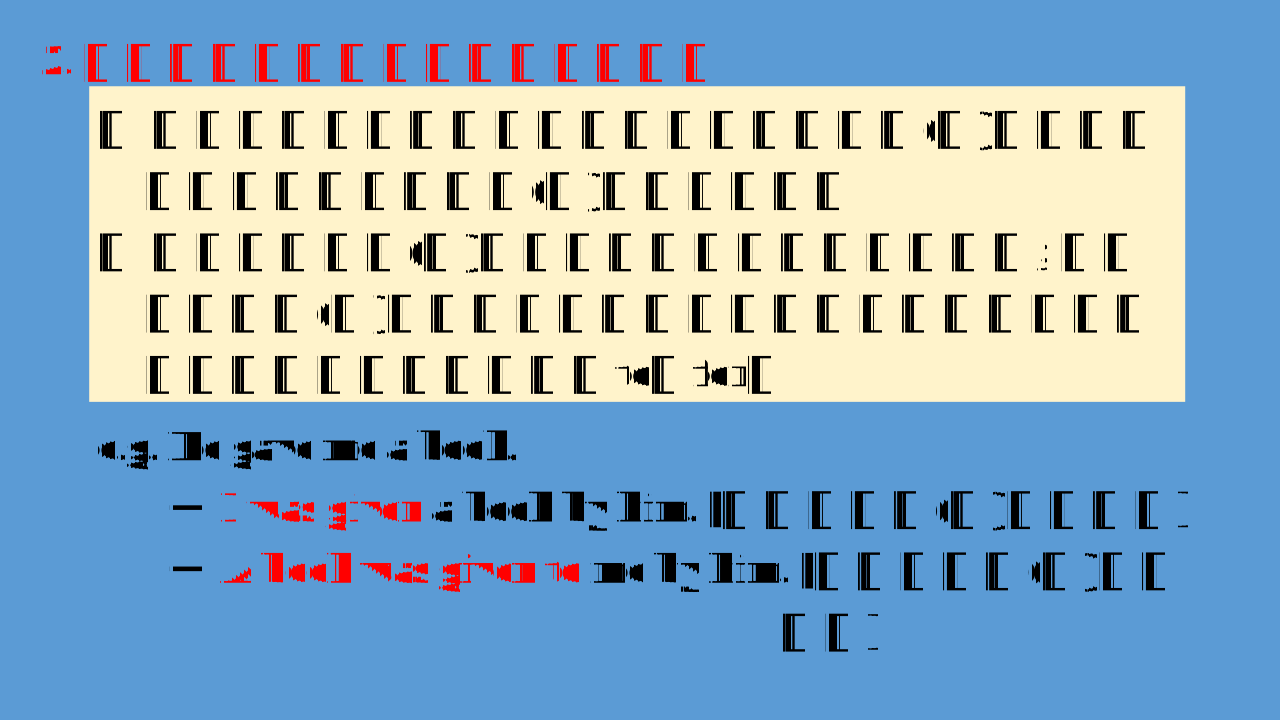
2. 带双宾语的谓语动词变为被动语态
① 谓语动词带双宾语时,既可以将间接宾语(人)转化成主语,也可将直接宾语(物)转化成主语。
② 若将间接宾语(人)转化成主语,则保留直接宾语; 若将直接宾语(物)转化成主语,则保留间接宾语,且在被保留的间接宾语前加上介词to或for。
e.g. He gave me a book.
→ I was given a book by him. [将间接宾语(人)改为主语]
→ A book was given to me by him. [将直接宾语(物)改为
主语]
3. 主动句中的感官动词see, hear, watch, feel, notice等和使役动词let, make, have等后跟省略to的不定式,变成被动语态时,应加上不定式符号to。
e.g. We often hear the girl sing in her room.
(主动: hear sb. + do sth.)
→ The girl is often heard to sing in her room by us.
(被动: sb. + be heard to + do sth.)
1. 不知道或没有必要指出动作的执行者是谁。
e.g. Many trees must be planted every year.
每年必须种许多树。
2. 需要强调或突出动作的承受者,而不是强调动作的执行者。
e.g. Chinese is spoken by more and more people in the world.
世界上越来越多的人说汉语。
3. 动作的执行者是物。
e.g. Many houses were washed away in the flood.
许多房子被洪水冲走了。
被动语态的用法
1. look, smell, feel, taste等系动词用主动形式表被动意义。
e.g. School uniforms look good on us.
我们穿着校服很好看。
The cake tastes delicious.
蛋糕尝起来很美味。
主动结构表示被动意义
2. “需要, 想要”
need/require/want + doing = need/require/want + to be done
e.g. My bike needs repairing. =
My bike needs to be repaired.
3. write, open, sell, wash, cut, open, drive等不及物动词且它们的主语为物时,可用主动语态表示被动意义。
e.g. These books sell we
资源预览图

1

2

3

4

5
6
相关资源
示范课
由于学科网是一个信息分享及获取的平台,不确保部分用户上传资料的 来源及知识产权归属。如您发现相关资料侵犯您的合法权益,请联系学科网,我们核实后将及时进行处理。