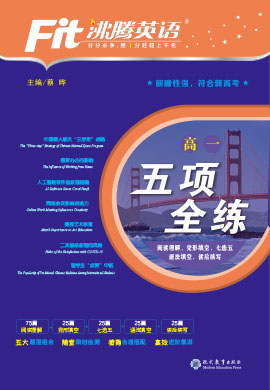
Test 9-【沸腾英语】2024年高一英语(阅+完+七选五+语法+续写)五项全练
2023-04-06
|
2份
|
10页
|
143人阅读
|
5人下载
内容正文:
五项全练 高 一
54
Test 9
阅读理解第 部分一
第一节 阅读下列短文,从每题所给的四个选项(A、B、C 和 D)中,选出最佳选项。
A
Being mindful of certain habits such as keeping work areas clean or even sneezing and coughing
correctly could spare people from diseases. It is especially important to keep these things in mind,
given that the winter season increases the chance of catching colds or some viruses.
Dr. Vicky Sheppard disease expert and Director of New South Wales Health’s Communicable
Disease, identifies just some of the habits that could increase the risk of catching a disease. For
instance, experts discourage using one’s hands to cover their mouth when they sneeze or cough.
Although this is a common response, using one’s hands to cover a sneeze can increase chances of
spreading viruses and diseases. New South Wales Health recommends using tissue for sneezes and
coughs, and to throw them immediately after use and to wash one’s hands. Dr. Sheppard also says that
one must constantly wash their hands, especially after pressing lift buttons, going to the bathroom, or
going on public transport.
One of the most common people are those the closest to you-the sick colleagues who come
to work while they are contagious. Dr. Sheppard said those who “soldier on” and come into the
workplace when they are ill often underestimate the impact it will have on the people around them: co-
workers and people on public transport. “Stay at home,” she advised. “It could mean the next person
in the office comes down with the fl u. You’re not doing anyone a favour.”
Dr. Sheppard suggested cleaning your computer, keyboard and mouse at the start and end of
shifts. Sending young children to pre-school or childcare if they are unwell can also spread viruses
even further, so the disease expert urged parents to keep their sick kids at home.
( ) 1. In the article, the writer mainly wanted to tell us .
A. when to sneeze B. where to work
C. how to avoid viruses D. who to work with
( ) 2. What should people
资源预览图

1

2

3
相关资源
示范课
由于学科网是一个信息分享及获取的平台,不确保部分用户上传资料的 来源及知识产权归属。如您发现相关资料侵犯您的合法权益,请联系学科网,我们核实后将及时进行处理。