专题08 数词-2023年高中英语九大词性分类与用法详解
2023-03-13
|
44页
|
1151人阅读
|
20人下载
精品
资源信息
| 学段 | 高中 |
|---|---|
| 学科 | 英语 |
| 教材版本 | - |
| 年级 | - |
| 章节 | - |
| 类型 | 课件 |
| 知识点 | 数词 |
| 使用场景 | 同步教学 |
| 学年 | 2023-2024 |
| 地区(省份) | 全国 |
| 地区(市) | - |
| 地区(区县) | - |
| 文件格式 | PPTX |
| 文件大小 | 195 KB |
| 发布时间 | 2023-03-13 |
| 更新时间 | 2023-03-13 |
| 作者 | MmRrrrrrr |
| 品牌系列 | - |
| 审核时间 | 2023-03-13 |
| 下载链接 | https://m.zxxk.com/soft/38051354.html |
| 价格 | 3.00储值(1储值=1元) |
| 来源 | 学科网 |
内容正文:
Grammar
数词
(Numeral)
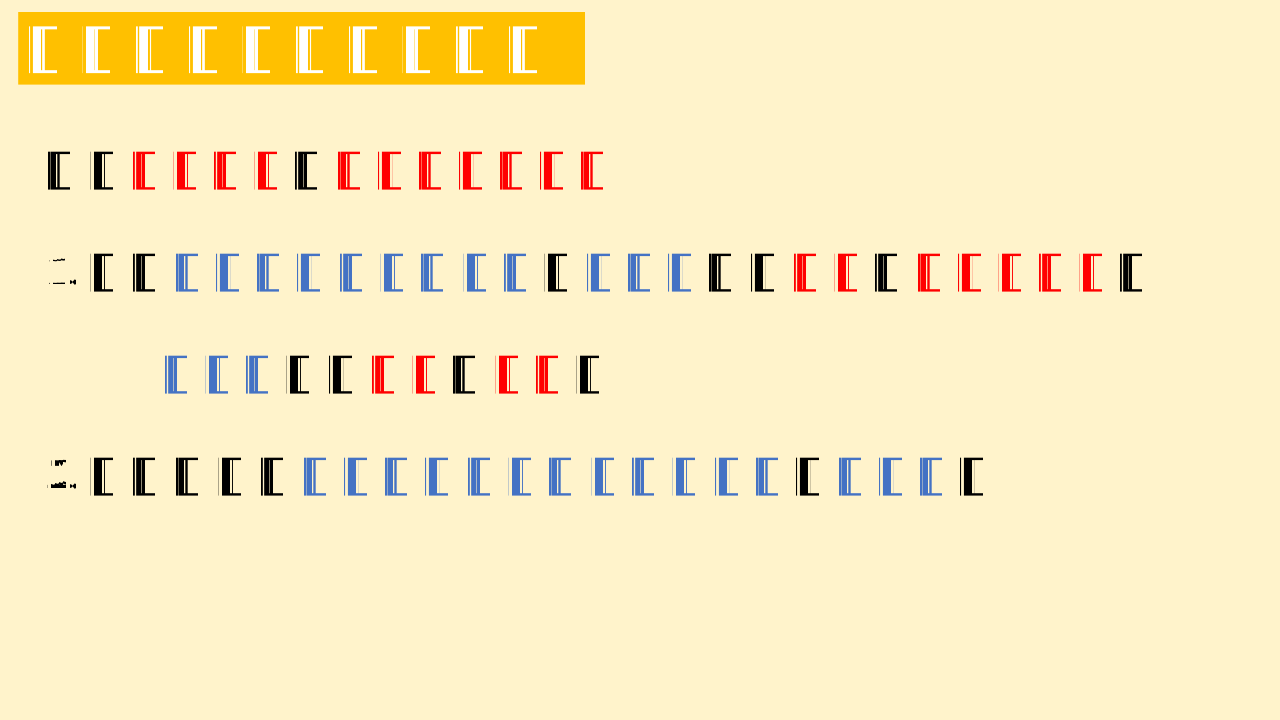
一、数词的概念及分类
表示数目多少或顺序先后的词;
1. 其中基数词、小数、分数和百分数表示数目或数量的多少;
序数词表示顺序或等级;
2. 在句中可以作主语、宾语、表语、定语和同位语;
二、数词的用法
1. 基数词
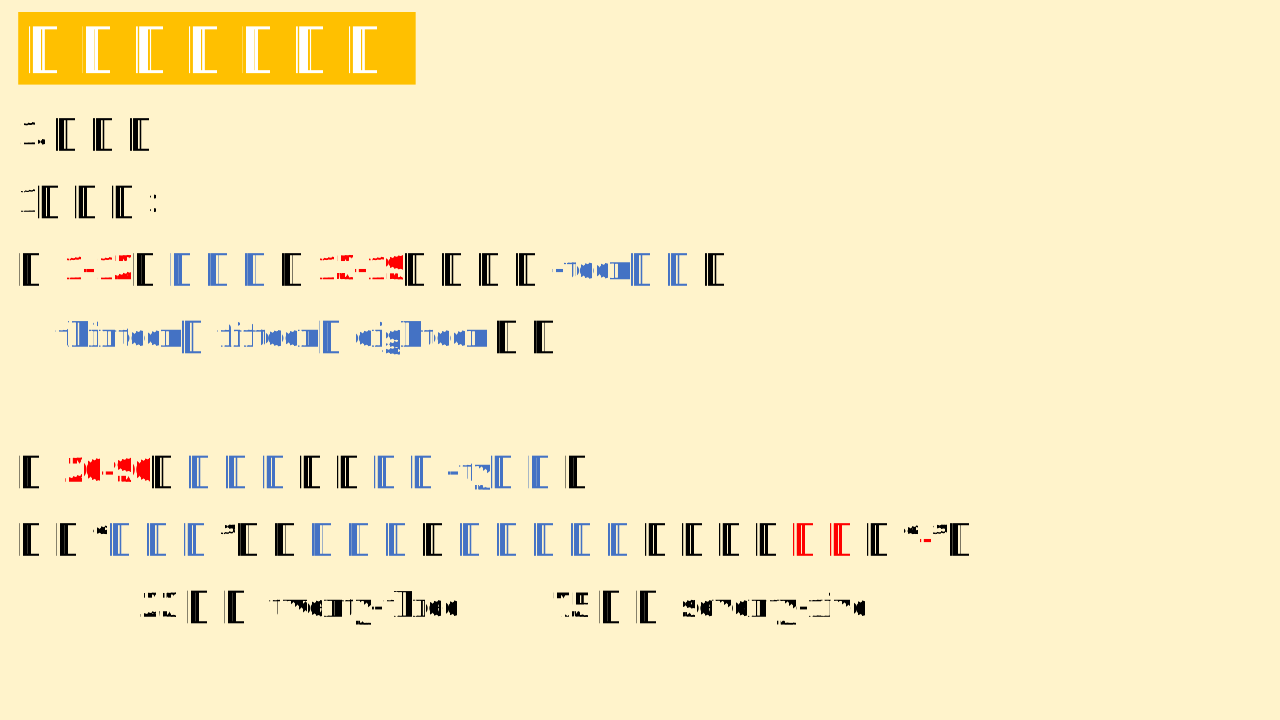
1)构成:
① 1-12为基础词,13-19都以后缀-teen结尾;
thirteen,fifteen,eighteen 特殊
② 20-90的整十数都以后缀-ty结尾;
表示“几十几”时,在几十和个位基数词之间添加连字符“-”;
23 读作 twenty-three 75 读作 seventy-five
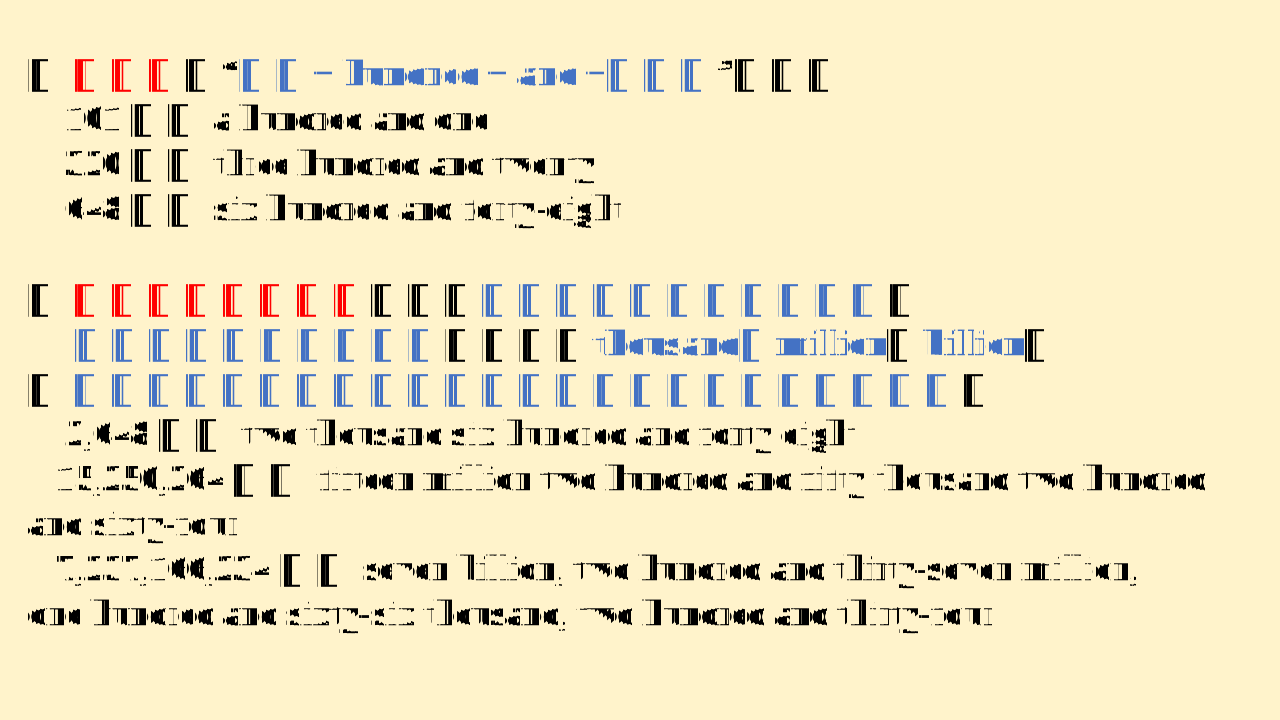
③ 三位数由“数字+ hundred + and +末尾数”构成;
101 读作 a hundred and one
320 读作 three hundred and twenty
648 读作 six hundred and forty-eight
④ 千位数以上的数字构成:从数字的右端向左端数起,
每三位数作为一个单位,分别为thousand,million和billion;
在 每一个单位内,按三位数的构成拼写,中间用逗号分开;
2,648 读作 two thousand six hundred and forty eight
15,250,264 读作 fifteen million two hundred and fifty thousand two hundred and sixty-four
7,237,166,234 读作 seven billion, two hundred and thirty-seven million,
one hundred and sixty-six thousand, two hundred and thirty-four
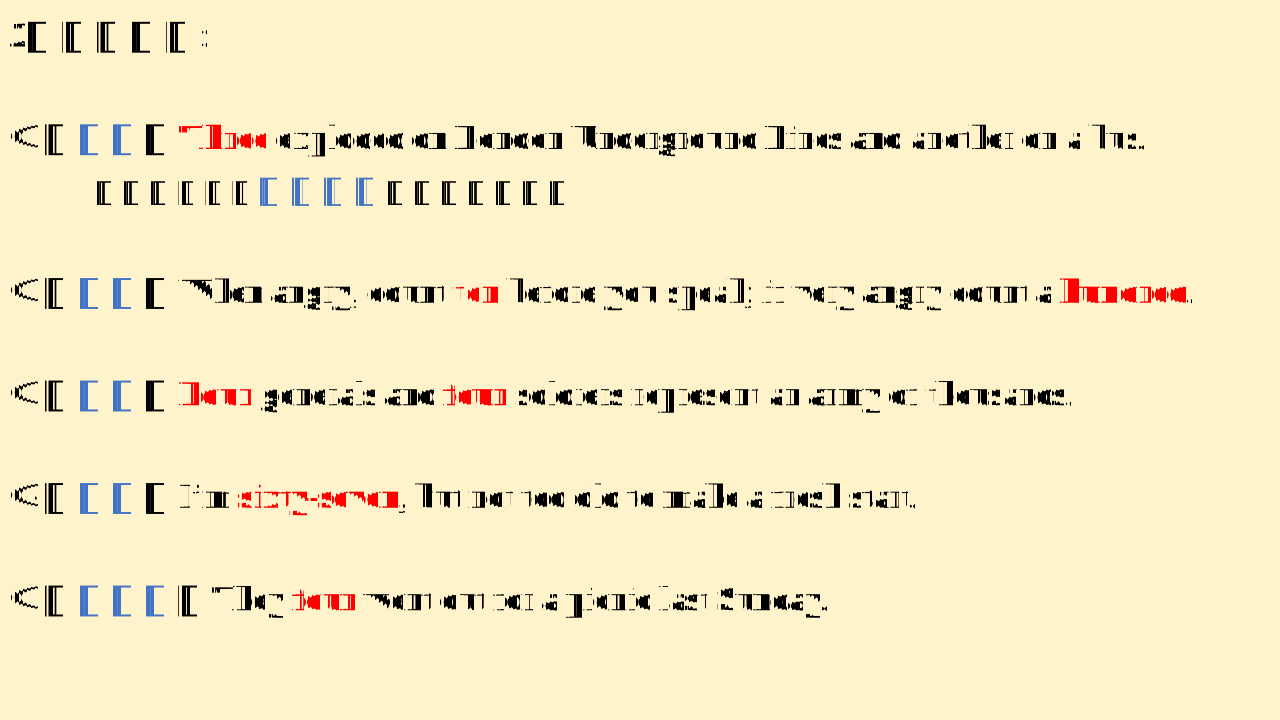
2)句法功能:
①作主语:Three exploded on London Underground Lines and another on a bus.
注意:应尽量避免句首使用阿拉伯数字
②作宾语:When angry, count ten before you speak; if very angry count a hundred.
③作定语:Four generals and four soldiers represent an army of thousands.
④作表语:I’m sixty-seven, but not too old to make a fresh start.
⑤作同位语:They four went out for a picnic last Sunday.
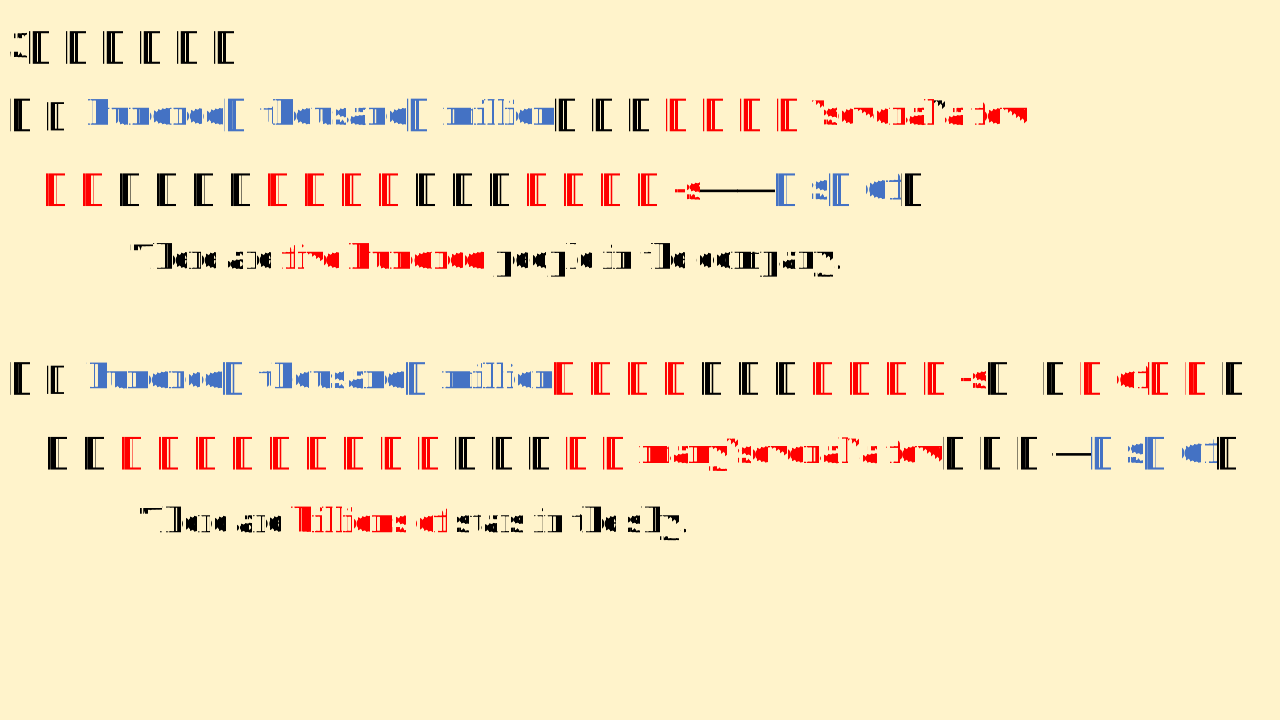
3)特殊用法:
①当 hundred,thousand,million等前有具体数字\several\a few
修饰时,表示确指概念,词尾一般不加-s——无s无of;
There are five hundred people in the company.
②当 hundred,thousand,million表示概指时,其词尾要加-s, 且与of连用;
其前不能用具体数字修饰时,但可被many\several\a few等修饰—有s有of;
There are billions of stars in the sky.
③ a. dozen与数词\many\several等连用时,无s无of;
b. 若其前所修饰的名词有these, those等限定词, 其后必须加of;
c. 当dozen修饰代词时,其后必须加of;
d. 表示“几十,许多”时,使用dozens of;
I’ve been there dozens of times.
④ score 前面有具体数字时,一般不用复数形式,常与of短语连用;
scores of 表示“几十,许多”;
Three score of people are girls.
2.序数词
1)构成:
序数词除了开头的3个词(first, second, third)有独特的形式外;
其他的词都是在基数词词尾加-th构成的;
My first impression of London is rainy and foggy and people with umbrella.
注意:序数词前用定冠词,
资源预览图
1
2
3
4
5
6

相关资源
由于学科网是一个信息分享及获取的平台,不确保部分用户上传资料的 来源及知识产权归属。如您发现相关资料侵犯您的合法权益,请联系学科网,我们核实后将及时进行处理。