Lesson 103——Lesson 108-《新概念英语1同步达标测试卷》教材同步讲解课件
2022-05-10
|
17页
|
474人阅读
|
10人下载
教辅

内容正文:
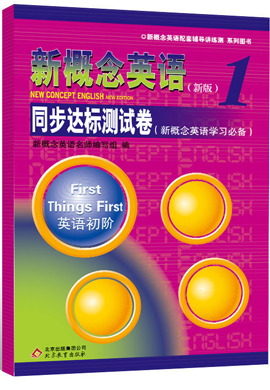
新概念英语1
同步达标测试卷
Test 18
Lessons 103-108
老师:Linda
1
课文原句(一)
1. The English and Maths papers weren’t easy enough for me.
2. They were too difficult for me.
语法链接(一)
副词too, enough 和very的区别
2
(1) too意为 “太,很”,可修饰形容词或副词,位于所修饰词之前。
常用句型:too... + for sb./sth. + to do sth.
对于某人 / 某物来说,太……以至于不能……
e.g. The hat is too large for me to wear.
3
(2) enough意为 “足够”,位于所修饰词之后
常用句型:adj/adv. + enough to do sth.
足够……可以做某事
e.g. Your sister is old enough to go to school.
4
(3) very意为 “非常,很”,位于所修饰词之前
e.g. The village is very beautiful.
5
练习讲解
P37. 三、单项选择。
3. —The orange is too ________ for me. Could you change another one for me?
—This one is sweet. Here you are.
A. sour B. hard C. soft D. fresh
4. Don’t worry, sir. I’m sure I can run ________ to catch up with them.
A. fast enough B. enough fast C. slowly enough D. enough slowly
15. The books are ________ for the children in the poor villages. They can’t afford them.
A. enough cheap B. cheap enough
C. expensive enough D. enough expensive
A
A
C
6
练习讲解
P37. 五、用形容词的适当形式填空。
5. She thinks the dress is too _________ (small) for her.
P38. 七、翻译句子。
2. 那些题对我来说太难了。
______________________________________________
6. 恐怕这条绿色的裙子我穿着也太小了。
______________________________________________
small
I’m afraid this green dress is too small for me as well.
Those questions were too difficult for me.
7
课文原句(二)
1. It’s smaller than the blue one.
2. This is the largest dress in the shop.
语法链接(二)
形容词的比较级和最高级
8
变化规则:
(1) 一般单音节词和部分双音节词,在词尾加-er (比较级)或 -est (最高级)。
e.g. fast→faster→fastest great→greater→greatest
(2) 以不发音的e结尾的单音节词在词尾加-r (比较级)或-st (最高级)。
e.g. large→larger→largest late→later→latest
9
(3) 以“辅音字母+ y”结尾的双音节词, 将词尾的y
变为i,再加-er(比较级) 或-est(最高级)。
e.g. early→earlier→earliest
easy→easi
资源预览图

1

2

3

4

5

6
相关资源
示范课
由于学科网是一个信息分享及获取的平台,不确保部分用户上传资料的 来源及知识产权归属。如您发现相关资料侵犯您的合法权益,请联系学科网,我们核实后将及时进行处理。