第2部分 专题1 时态、语态和语气(教用Word)-2022版高考英语艺术生总复习必备【名师大课堂】
2022-01-20
|
16页
|
250人阅读
|
14人下载
教辅

资源信息
| 学段 | 高中 |
|---|---|
| 学科 | 英语 |
| 教材版本 | - |
| 年级 | 高三 |
| 章节 | - |
| 类型 | 教案 |
| 知识点 | - |
| 使用场景 | 高考复习 |
| 学年 | 2022-2023 |
| 地区(省份) | 全国 |
| 地区(市) | - |
| 地区(区县) | - |
| 文件格式 | DOCX |
| 文件大小 | 636 KB |
| 发布时间 | 2022-01-20 |
| 更新时间 | 2023-04-09 |
| 作者 | 山东文丰苑图书有限公司 |
| 品牌系列 | 名师大课堂·高考总复习艺术生必备 |
| 审核时间 | 2022-01-20 |
| 下载链接 | https://m.zxxk.com/soft/32255990.html |
| 价格 | 3.00储值(1储值=1元) |
| 来源 | 学科网 |
内容正文:
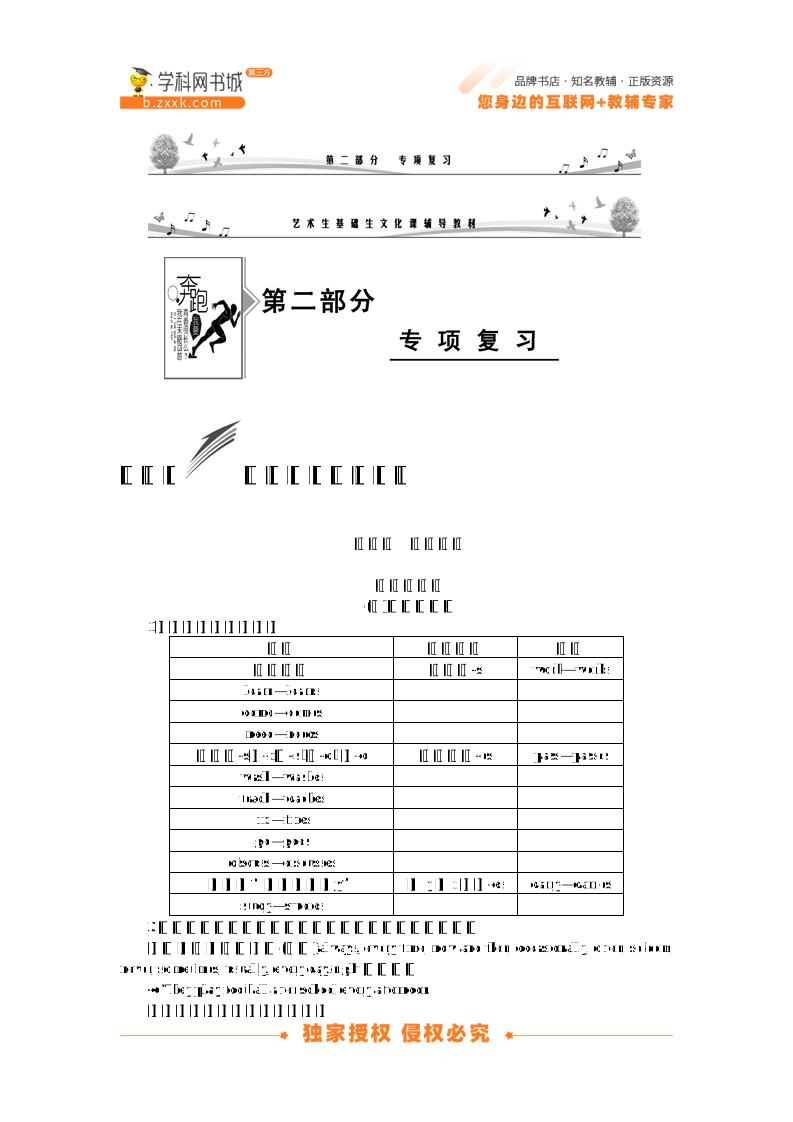
专题一时态、语态和语气
考点一 动词时态
(一)一般现在时
1.一般现在时的构成
情况
变化规则
例词
一般情况
直接加s
work—works
learn—learns
come—comes
need—needs
结尾为s,x,sh,ch或o
在词尾加es
pass—passes
wash—washes
teach—teaches
fix—fixes
go—goes
discuss—discusses
结尾为“辅音字母+y”
变y为i再加es
carry—carries
study—studies
2.表示经常发生的、习惯性的、反复出现的动作或状态
常与表示习惯的副词(词组)always, every time, now and then, occasionally, often, seldom, never, sometimes, usually, every day/night等连用。
◆They play football after school every afternoon.
他们每天下午放学后踢足球。
3.按时间表、时刻表、日程表等安排将要发生的动作, 用一般现在时
只限于go, arrive, leave, start, stay, return, begin, come等动词。
◆The train arrives at 10:30. There’s plenty of time.
火车将在十点半到达。还有很多时间。
4.用在时间、条件或让步状语从句中, 用一般现在时表示将来
◆As long as it doesn’t rain tomorrow, we’ll have a trip on schedule.
只要明天不下雨, 我们就按原计划去旅行。
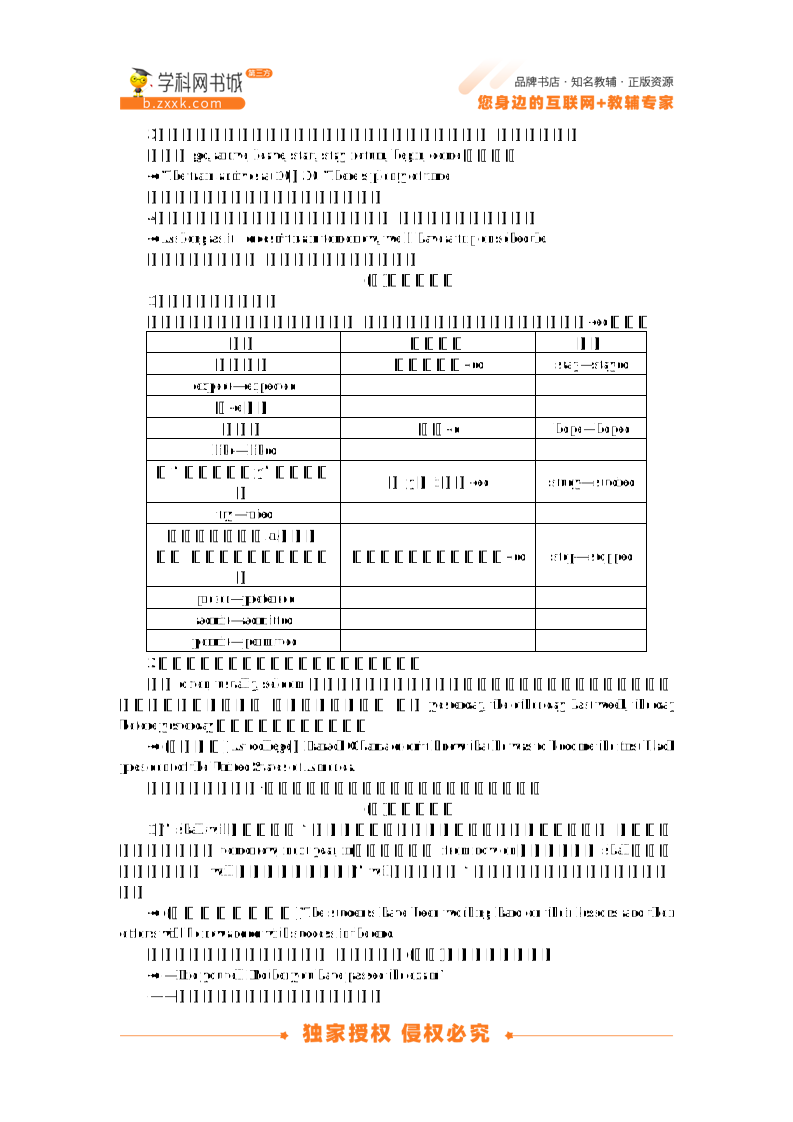
(二)一般过去时
1.一般过去时的构成
一般过去时由动词的过去式表示, 规则动词的过去式一般由动词原形加ed构成。
情况
变化规则
例词
一般情况
在动词后加ed
stay—stayed
expect—expected
以e结尾
的动词
后加d
hope—hoped
like—liked
以“辅音字母+y”结尾的动词
变y为i再加ed
study—studied
try—tried
以重读闭音节或/r/音节结尾, 词尾只有一个辅音字母时
双写词尾的辅音字母再加ed
stop—stopped
prefer—preferred
admit—admitted
permit—permitted
2.表示过去一段时间内经常性或习惯性的动作
常与often, usually, seldom 等表示频度的副词连用。还可以表示在过去某一时间所发生的动作或存在的状态, 与现在没有关系, 常与yesterday, the other day, last week, the day before yesterday等过去的时间状语连用。
◆(陕西高考) At college,Barack Obama didn’t know that he was to become the first black president of the United States of America.
在大学时,贝拉克·奧巴马不知道他会成为美国第一任黑人总统。
(三)一般将来时
1.“shall/will+动词原形”表示现在看来以后要发生的动作或存在的状态, 常与表示将来的时间状语tomorrow, next year, in+一段时间, from now on等连用。其中shall通常用于第一人称, will通常用于各种人称。“will+动词原形”还可以表示说话时临时做出的决定。
◆(北京高考单项填空)The students have been working hard on their lessons and their efforts will be rewarded with success in the end.
学生们一直在刻苦学习功课, 他们的努力(将来)一定会得到回报。
◆—Did you tell Mother you have passed the exam?
——你告诉妈妈你已经通过考试了吗?
—Oh, I forgot. I will call her now.
——哦, 我忘了, 我现在就打电话给她。
2.“be going to+动词原形”表示按计划、打算要做某事或根据某种迹象预示着要发生某事。
◆Look, dark
资源预览图
1
2

3
相关资源
由于学科网是一个信息分享及获取的平台,不确保部分用户上传资料的 来源及知识产权归属。如您发现相关资料侵犯您的合法权益,请联系学科网,我们核实后将及时进行处理。