Unit6 第2课时 Section A Grammar focus-3c(精品课件)-2021-2022学年七年级英语上册【课时A计划】人教版(安徽)
2021-09-29
|
24页
|
150人阅读
|
4人下载
教辅

资源信息
| 学段 | 初中 |
|---|---|
| 学科 | 英语 |
| 教材版本 | 初中英语人教版(2012)七年级上册 |
| 年级 | 七年级 |
| 章节 | Grammar Focus-3c |
| 类型 | 课件 |
| 知识点 | - |
| 使用场景 | 同步教学 |
| 学年 | 2021-2022 |
| 地区(省份) | 安徽省 |
| 地区(市) | - |
| 地区(区县) | - |
| 文件格式 | PPT |
| 文件大小 | 1.62 MB |
| 发布时间 | 2021-09-29 |
| 更新时间 | 2023-04-09 |
| 作者 | 安徽木牍教育图书有限公司 |
| 品牌系列 | 课时A计划·同步配套 |
| 审核时间 | 2021-09-29 |
| 下载链接 | https://m.zxxk.com/soft/30722767.html |
| 价格 | 2.00储值(1储值=1元) |
| 来源 | 学科网 |
内容正文:
Section A (Grammar Focus-3c)
Unit 6
Do you like bananas?
Key words & phrases:
let, us, birthday, dinner, week, food,
sure, burger, vegetable, fruit, right,
apple, then, egg, carrot, rice, chicken, so
Key sentences:
—Does she/he like salad?
—Yes, she/he does./No, she/he doesn’t.
I like/ don’t like bread.
She/He likes/doesn’t like apples.
We like oranges. They like bananas.
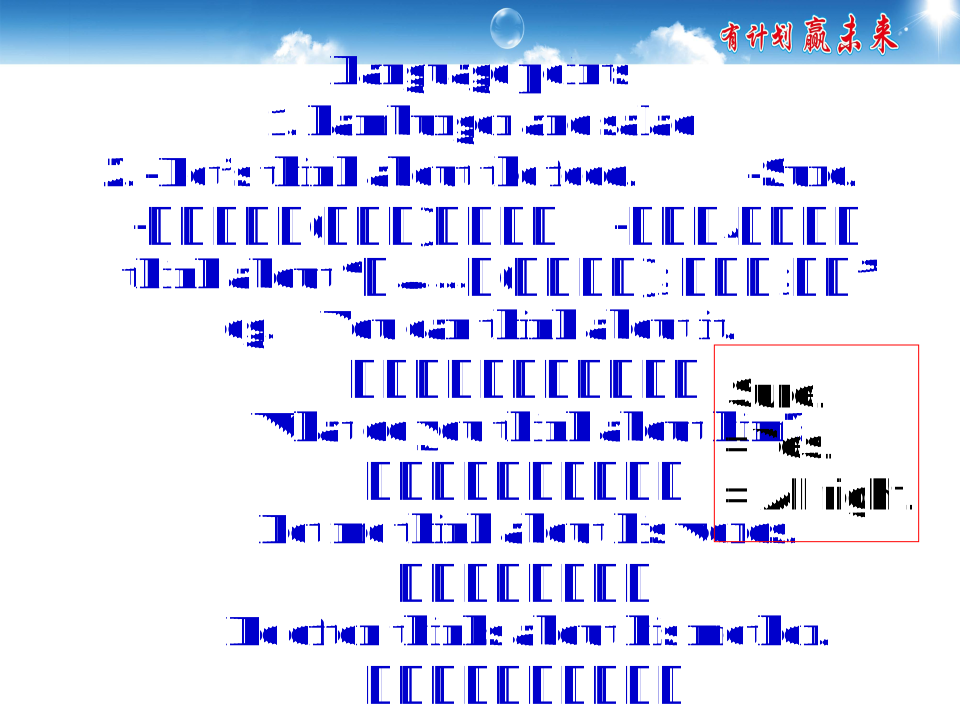
Language points
1. hamburger and salad
2. -Let’s think about the food. -Sure.
-让我们想想(吃什么)食物吧。 -当然。/没问题。
think about “对…...有(某种观点); 回想起;考虑”
eg. You can think about it.
你可以把这事考虑一下。
What do you think about him?
你觉得他这人怎么样?
Let me think about his words.
让我想想他的话。
He often thinks about his mother.
他经常想起他的母亲。
Sure.
=Yes.
= All right.
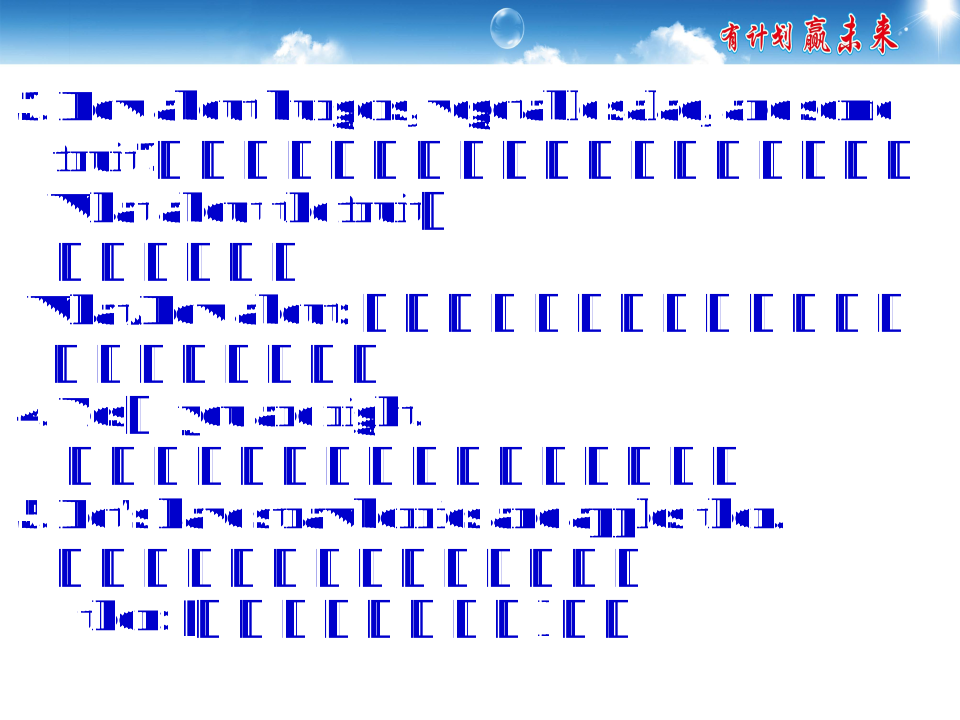
3. How about burgers, vegetable salad, and some fruit?(吃)汉堡,蔬菜沙拉和一些水果如何?
What about the fruit?
水果怎么样?
What/How about: 怎么样,以为如何(提出建议或用以引出话题)
4. Yes, you are right.
是的,你是对的。(表赞同和肯定)
5. Let's have strawberries and apples then.
那么,我们就吃草莓和苹果吧。
then: [常用于句首或句尾] 那么
可数名词和
不可数名词
Grammar
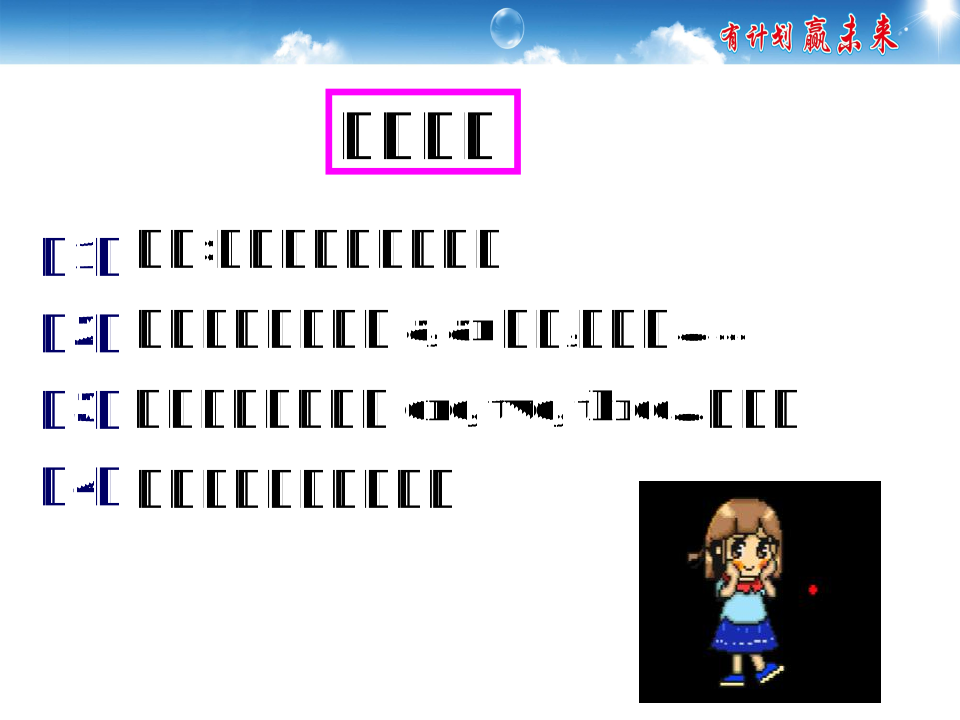
可数名词
(1)
(2)
(3)
(4)
定义:是可以计数的名词。
可数名词前可以用 a, an 限定,表一个…...
可数名词前可以用 one, two, three…限定。
可数名词有复数形式。
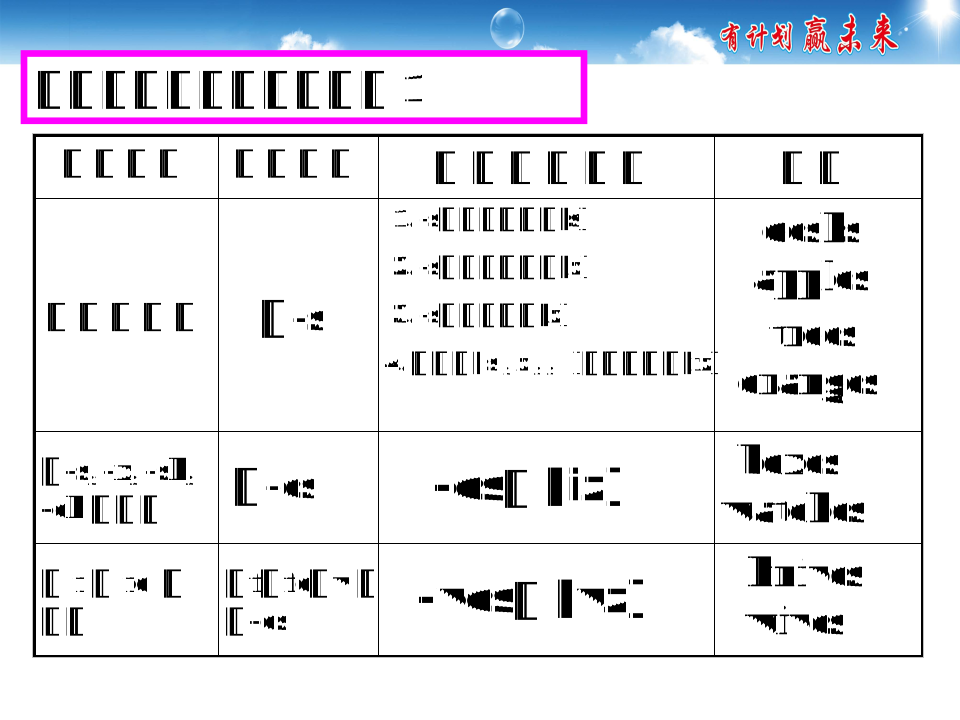
可数名词复数形式的构成 1
加-s
1. -s在清辅音后读[s]
2. -s在浊辅音后读[z]
3. -s在元音后读[z]
4. 以音素[ s , z , , ]结尾的,读[iz]
desks
apples
trees
oranges
以-s, -x, -sh, -ch 结尾的
加-es
-es读[iz]
boxes
watches
以 f 或 fe 结尾的
改f或fe为v 再加-es
-ves读[vz]
knives
wives
名词特点 词尾加法 词尾读音方法 例词
一般情况下
可数名词复数形式的构成 2
改y为i再加-es
-ies读[iz]
families
dictionaries
以元音字母加y结尾的
加-s
-s读[z]
boys
keys
以o 结尾的
有生命的事物加-es
-es读[z]
tomatoes
potatoes
以辅音字母加y结尾的
无生命的事物加-s
-s读[z]
photos
radios
名词特点 词尾加法 词尾读音方法 例词
a hamburger
hamburgers
an orange
three oranges
countable nouns
a tomato
five tomatoes
four strawberries
a strawberry
不可数名词
(1)
(2)
(3)
(4)
定义:是指不能计数的名词。
不可数名词前不可以用 a, an限定。
不可数名词前不可以用 one, two, three…限定。
不可数名词没有复数形式。
milk
bread
uncountable nouns
既可数又不可数名词
定义:在某些情况下能计数,在某些情况下
不能计数的名词。
e.g. (1)a chicken 一只鸡
资源预览图

1
2
3
4
5
6

相关资源
由于学科网是一个信息分享及获取的平台,不确保部分用户上传资料的 来源及知识产权归属。如您发现相关资料侵犯您的合法权益,请联系学科网,我们核实后将及时进行处理。