Unit 2 Grammar 知识点整理及练习 2020-2021学年牛津译林版英语七年级下册讲义(含答案)
2021-02-22
|
6页
|
1139人阅读
|
94人下载
普通
内容正文:
7BU2
Grammar
一般将来时
1.一般将来时的概念
一般将来时表示将来某一时刻的动作或状态,或将来某一段时间内经常的动作或状态。
2.一般将来时常见结构
(1)will / shall 动词原形
这种方法一般单纯地表示将来某个时间将要发生的动作或存在的状态。will用于各种人称;shall只用于第一人称。
肯定句:I/We shall/will visit the Great Wall.
You/He/She/They Will visit the Great Wall.
否定句:I/We shall/will not visit the Great Wall. You/He/She/They Will not visit the Great Wall.
疑问句:Shall I/we visit the Great Wall? Will you/he/she/they visit the Great Wall?
简略回答:(肯)Yes,主语 shall/will (否) No,主语 shall/will not.(缩写为won’t/shan’t)
特殊疑问句:一般将来时的特殊疑问句是将疑问词放在句首,后接一般疑问句(就主语提问时除外)
What will you do next Sunday?
你下个星期天做什么?
[注意]含shall的一般将来时的疑问形式用于表示建议和询问意见。
Shall I tell you a story ?
我给你讲个故事好吗?
(2)be going to 动词原形
be going to 相当于一个助动词(其中be有人称和数的变化),与它后面的动词原形一起构成谓语。用来表示近期将要发生的动作或存在的状态,以及计划、安排、打算要做的事。
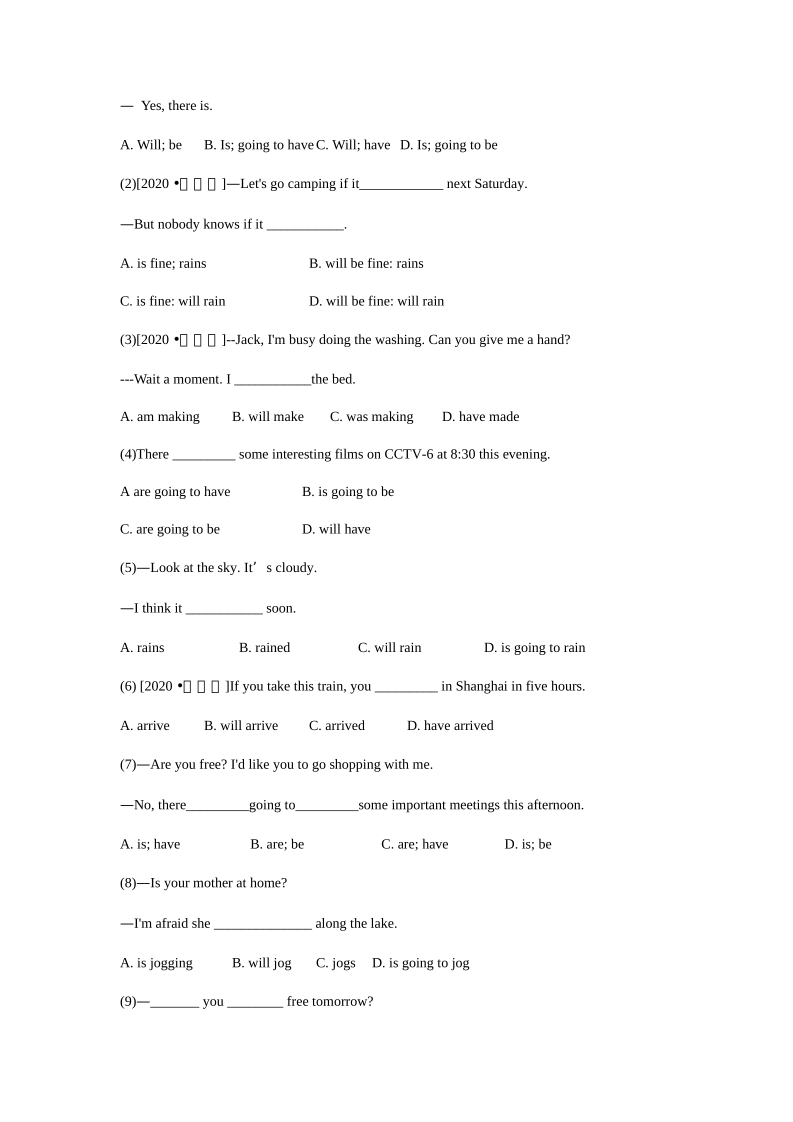
There are going to be two meetings this afternoon.
今天下午将有两个会议。
3.一般将来时常用的时间状语
①由tomorrow 组成的,如:tomorrow morning/evening明天早晨、晚上
the day after tomorrow 后天
②由next组成的,如:next Tuesday/Sunday 下周二/日
③由this 组成的,如:this afternoon/evening 今天下午/晚上
④由co
资源预览图

1

2
3

相关资源
示范课
由于学科网是一个信息分享及获取的平台,不确保部分用户上传资料的 来源及知识产权归属。如您发现相关资料侵犯您的合法权益,请联系学科网,我们核实后将及时进行处理。