2019高考英语最新阅读作文新闻素材课件辑之十一
2019-05-31
|
2份
|
24页
|
644人阅读
|
125人下载
普通
资源信息
| 学段 | 高中 |
|---|---|
| 学科 | 英语 |
| 教材版本 | - |
| 年级 | 高三 |
| 章节 | - |
| 类型 | 课件 |
| 知识点 | - |
| 使用场景 | 高考复习 |
| 学年 | 2019-2020 |
| 地区(省份) | 全国 |
| 地区(市) | - |
| 地区(区县) | - |
| 文件格式 | ZIP |
| 文件大小 | 1.45 MB |
| 发布时间 | 2019-05-31 |
| 更新时间 | 2023-04-09 |
| 作者 | 匿名 |
| 品牌系列 | - |
| 审核时间 | 2019-05-31 |
| 下载链接 | https://m.zxxk.com/soft/10641994.html |
| 价格 | 0.00储值(1储值=1元) |
| 来源 | 学科网 |
内容正文:
世界各地河流均被抗生素污染 非洲和亚洲最严重
1
Rivers around the world are contaminated(污染) with dangerous levels of antibiotics, according to a major new study.
一项新研究显示,世界各地的河流都被抗生素污染了,污染程度已经达到危险水平。
antibiotics [ˌæntɪbaɪ'ɒtɪks]
n. [药] 抗生素;抗生学
Concentrations of antibiotics in some waterways exceed safe levels by 300 times, a global team of scientists led by the University of York found.
英国约克大学带领的国际科学家团队发现,一些河流的抗生素浓度超出安全值300倍。
exceed [ɪk'siːd; ek-]
vt. 超过;胜过
The Thames was contaminated with five antibiotics, including levels of ciprofloxacin (环丙沙星)—used to treat skin and urinary tract infections(尿路感染)—that were three times what is considered safe.
泰晤士河被五种抗生素污染,其中用于治疗皮肤和尿路感染的环丙沙星水平超出安全值的两倍。
4
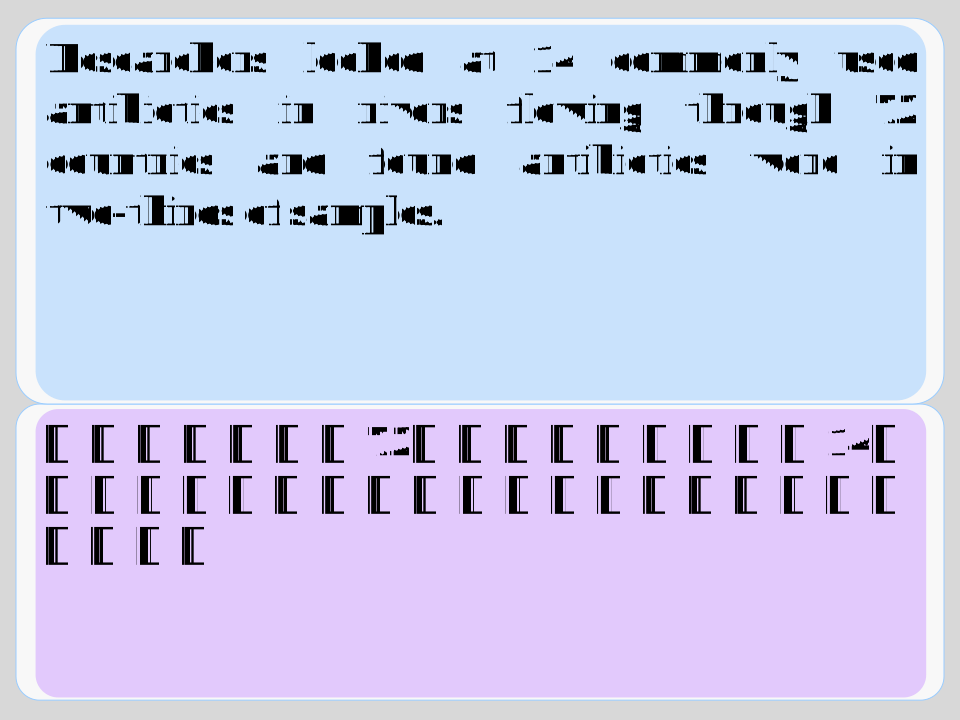
Researchers looked at 14 commonly used antibiotics in rivers flowing through 72 countries and found antibiotics were in two-thirds of samples.
研究人员在流经72个国家的河流中查找14种常用抗生素,并在三分之二的样本中发现了抗生素。
5
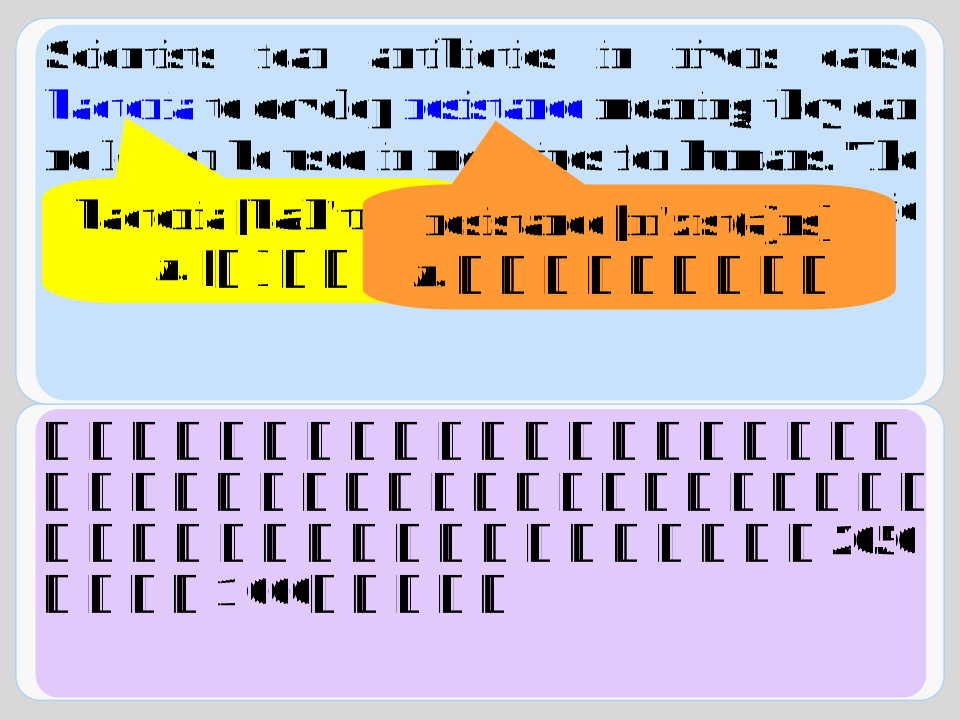
Scientists fear antibiotics in rivers cause bacteria to develop resistance meaning they can no longer be used in medicines for humans. The UN estimates that the rise in antibiotic resistance could kill 10 million people by 2050.
科学家担心河流中的抗生素会导致细菌产生抗体,这意味着这些抗生素不能再用作人类药物。联合国预计,对抗生素耐药性的上升会在2050年前导致1 000万人丧生。
bacteria [bæk'tɪərɪə]
n. [微] 细菌
resistance [rɪ'zɪst(ə)ns]
n. 抵抗;反抗;抵抗力
6
“A lot of the resistance genes we see in human pathogens(病原体) originated from environmental bacteria,” Professor William Gaze, a microbial ecologist at the University of Exeter who was not involved in the study, told The Guardian.
英国埃克塞特大学的微生物生态学家威廉·盖泽教授告诉《卫报》说:“我们在人类病原体中看到的很多抗性基因都来自周围环境中的细菌。”盖泽教授没有参与这项研究。
ecologist [iː'kɒlədʒɪst]
n. 生态学者;生态保护论者
7
Drugs get into rivers via human and animal waste, as well as leaks from wastewater treatment and drug manufacturing sources.
抗生素药物通过人体和动物排泄物进入河流,污水处理厂和制药厂泄露的抗生素也会进入河流。
manufacturing [ˌmænjʊ'fæktʃərɪŋ]
n. 制造;制造业
8
Scientists flew out 92 testing kits to partners across the world who took samples from local rivers. Researchers found Bangladesh, Kenya, Ghana, Pakistan and Nigeria were home to the most
资源预览图

1

2

3

4
5
6

相关资源
由于学科网是一个信息分享及获取的平台,不确保部分用户上传资料的 来源及知识产权归属。如您发现相关资料侵犯您的合法权益,请联系学科网,我们核实后将及时进行处理。