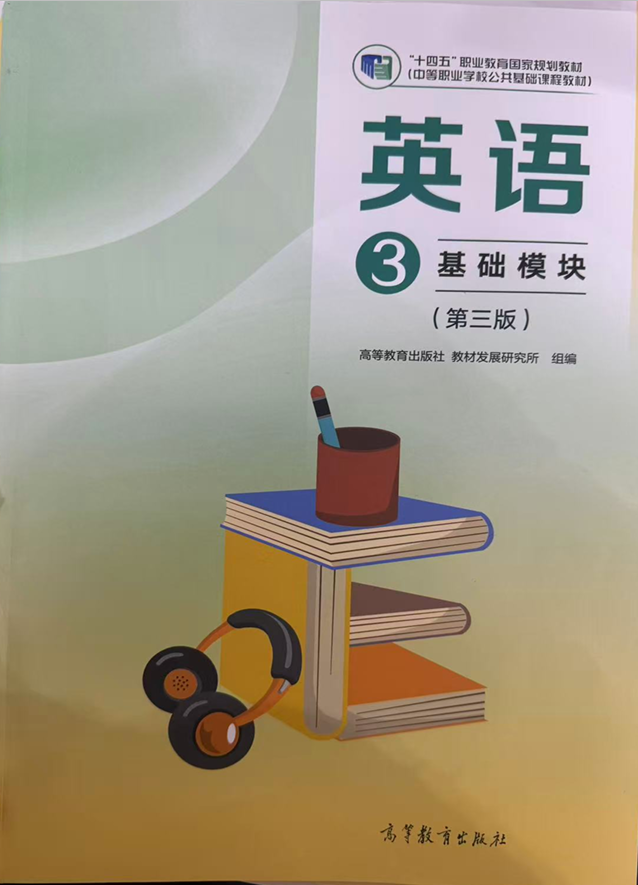
2.4(教案)Community Life-Culture Understanding&Group work-《英语 基础模块3》(高教版第三版)【上好课】
2026-10-13
|
9页
|
14人阅读
|
0人下载
精品
内容正文:
基于课程标准的“教-学-评”一致性课堂教学设计
科目
英语
授课教材
高等教育出版社《英语3 基础模块》(第三版)
授课题目
Unit 2 Community Life
Culture Understanding & Group Work
课时
课型
2课时(90分钟)
文化理解与综合实践课
主题情境
人与社会——中外社区生活、社区文化与服务实践
授课教师
语篇研读
【What】
本课选取 Unit 2 “Community Life” 的 Culture Understanding 与 Group Work。课件首先用不同国家的社区图片开展 Look and Discover,并围绕“看到了什么、有哪些差异、愿意住在哪里、什么是好社区”提出问题。Culture Understanding 阅读语篇“Unique Features of Communities”分别介绍传统中国社区、美国郊区社区及其共性,配有重点词句讲解、5道阅读问答、中美社区比较讨论、思维导图和重点句段翻译。第二课时设置 Merry Garden 社区服务中心的英文宣传视频任务,依次阅读 Excellent Facilities、A Smart Community、A Sweet Home 三则材料,填写“特色—设施/服务—获益”信息表,借助介绍模板准备讲稿并拍摄、展示视频。课末完成12项词语翻译、10空邮件补全、自评与基础/拓展作业。
【Why】
通过中国传统社区与美国郊区社区的对比,帮助学生看到居住空间、购物方式和交往习惯的差异,也认识到两种社区都重视社会联系、传统和归属感。将文本阅读延伸到真实的“社区服务中心向外国客户介绍社区”情境,使学生把社区设施、智慧服务和居住体验转化为得体、清楚的职业场景表达,形成尊重不同生活方式、关注社区互助与公共服务的意识。
【How】
按照“图片观察与预测—中美社区语篇阅读—问题定位与信息比较—思维导图与翻译—情境阅读与信息表—讲稿协作—视频展示—自我检测与分层迁移”推进。第一课时以阅读理解和比较归纳为主,第二课时以职业化信息提取和口语视频输出为主;教师提供问句、对比维度、三栏表和介绍框架,逐步撤除支架,通过独立答题、组内讨论、展示互评及自评落实“教—学—评”一致。
学情分析
学生熟悉自己所在社区的超市、菜市场、公园和邻里交往,对社区服务也有日常体验,能使用 There is/are...、People can... 等简单句介绍地点或设施。但跨文化比较时,容易只谈建筑外观,忽视隐私、互动、传统和归属感等维度;较长英文段落中的 close-knit、suburban、belonging、whose 等词句可能影响理解。进入宣传视频任务后,学生还可能罗列设施却不能解释其价值,或依赖逐字朗读而缺少连贯表达。因此需要以图片、问题链、思维导图和“设施/服务→生活获益”表格建立信息支架,再通过分工、口语练习与简短视频完成输出。
课标要求
结合中等职业学校英语课程对语言能力、文化意识、思维品质和学习能力的要求,本课重点落实:
1. 能读懂与社区生活和社区服务有关的说明性语篇,提取场所、设施、服务、居住体验及文化特点等关键信息。
2. 能使用比较、概括和归类等方式梳理中外社区异同,借助思维导图与表格组织信息,并能够回到文本寻找依据。
3. 能在社区服务与对外宣传等熟悉的职业情境中进行团队合作,完成简短英语介绍及视频展示,表达清楚、基本得体。
4. 能认识社区文化的多样性与共通价值,理解邻里联结、公共设施、智慧服务对生活品质的意义,并进行自评和反思。
教学目标
通过本节90分钟连堂课学习,学生能够:
1.(学习理解)根据 Look and Discover 图片识别不同社区的环境与生活特征;读懂中国传统社区、美国郊区社区两类描述,准确完成5道阅读问答及重点句段理解。
2.(应用实践)围绕住房距离、邻里互动、购物方式、社区活动和共同价值进行比较,完成小组讨论与思维导图;运用 where / which 等句子结构理解语篇。
3.(迁移创新)提取 Merry Garden 的设施、智慧服务和居住体验,填写三栏信息表,借助课件介绍模板小组协作编写讲稿,制作并展示一段英语社区宣传视频。
4.(文化意识与学习评价)能够说明社区形式虽不同,但社会联系和归属感具有共通性;完成12项词汇翻译与10空邮件补全,对薄弱词句进行自评。
教学
重难点
重点:
1. 理解中美社区语篇中居住距离、邻里互动、购物与社区活动的异同,完成5道问答和思维导图。
2. 获取 Merry Garden 三方面的特色、设施/服务和对应获益,并转化为连贯的英文介绍。
3. 运用社区主题词汇与 where / which / whose / that 等结构完成阅读、表达和自评练习。
难点:
1. 从表层“设施差异”进一步概括 privacy、connection、traditions、belonging 等社区文化内涵,使用文本证据支持观点。
2. 不仅列出 Merry Garden 的设施与服务,还能说明“what you will get”,并在有限时间内完成有分工、有逻辑的英文视频表达。
核心语言
【核心词汇】community, connection, close-knit, suburban, charm, privacy, interaction, belonging, facility, convenient, attractive, compare, explore, suit, local, purpose。
【核心短语】a strong sense of connection; live close to each other; share food; exchange greetings; spaced farther apart; social connections; a sense of belonging; a fitness center; smart street lights; facial recognition system; household trash; 24-hour service; weekly housekeeping; dining program; in person。
【重点句式】Houses are usually spaced farther apart, which offers more privacy. / Many Chinese communities have markets, where people buy... / Parks and playgrounds are common, which provide spaces for... / I have made many friends whose kindness... / ...stations nearby that make it easy to travel...。
【交际表达】What differences can you find? / Which community would you like to live in? Why? / What makes a good community? / Today I’d like to introduce this community to you. / Merry Garden is designed to... / It has many facilities such as... / ...can make your life more convenient...。
教学工具
PPT、教材、不同社区图片、阅读与三栏信息表任务单、思维导图、小组拍摄设备(手机/平板)、投屏设备、计时器。
教学策略
任务型教学法(5道阅读问答、比较与思维导图、社区信息表、宣传视频);情境教学法(Merry Garden 社区服务中心向外国客户介绍);阅读策略指导(文本定位、抓关键细节、异同归纳);合作学习法(group discussion、分工、拍摄与分享);支架式教学法(比较维度、三栏信息表、介绍模板);形成性评价(口头反馈、阅读正确率、小组互评、两项 Self-Assessment)。
教学过程
教学环节
教学活动
学生活动
设计意图
Period 1(45 min)
Part 1:
Look and Discover
& Objectives
(8 min)
T: Display the community images one by one and ask Ss to observe the buildings, roads, green spaces and living environment. Then ask: “What can you see in these communities?”
T: Lead a quick comparison with the four PPT questions: “What differences can you find?” “Which community would you like to live in? Why?” “What makes a good community?”
T: Show the three learning objectives: compare communities; collect information about facilities, services and benefits; introduce a community in English through group work.
Ss: Observe the different community photos and describe visible features with simple words or short sentences.
Ss: Discuss preferred communities with a partner, then offer reasons such as privacy, convenience or green space.
Ss: Read the objectives and clarify the two outputs: comparison and community introduction.
以课件原有多国社区图片和四个问题创设观察、对比和个人选择的真实语境,激活生活经验并明确本课学习任务。(感知与注意)
评价方式:师评+即时反馈。观察学生能否说出至少2项可观察的社区特点,尝试给出1条选择理由并理解3项目标。
Part 2:
Culture Reading I:
Chinese Community
(10 min)
T: Present the opening and the paragraph about a traditional Chinese community. Ask Ss to find why neighbors feel connected and what happens during the Spring Festival.
T: Guide Ss to locate live close to each other, a strong sense of connection, frequently interact, share food, exchange greetings, markets and close-knit.
T: Explain the relative clauses in “markets, where people buy...” and “markets ... which reflects...” in context; ask Ss to identify what where / which refers to.
Ss: Read the Chinese community paragraph, underline the supporting details and paraphrase neighbors’ daily interactions.
Ss: Match key words/phrases with meanings and notice the market/neighbor examples.
Ss: Explain the referents of where and which with help from the text.
先依托学生熟悉的中国传统社区文本做细节定位与词块梳理,再从真实句子理解关系代词/副词的指代功能。(获取与梳理)
评价方式:自评+师评。检查学生能否找出“居住距离近—频繁互动—紧密联系”的证据,并说明 markets / which 相关句子的意思。
Part 3:
Culture Reading II:
U.S. Suburbs
(9 min)
T: Present the American suburban community paragraph and the closing paragraph. Ask Ss to mark information on housing distance, shopping, neighbors’ meetings and shared spaces.
T: Highlight spaced farther apart, more privacy, drive to supermarkets, picnics, parks and playgrounds; guide Ss to notice which and While in the original sentences.
T: Ask: “Despite the differences, what do both communities value?” Guide Ss to social connections, traditions and belonging.
Ss: Read the American community and shared-features paragraphs; complete a quick oral compare-and-contrast check.
Ss: Explain why greater distance may offer privacy and what parks/playgrounds provide.
Ss: Underline shared values and interpret the main sentence patterns from context.
按照课件第二段及总结段推进,让学生同时掌握美国郊区的具体生活方式与两类社区的共同文化价值。(比较与分析)
评价方式:师评+同伴核对。能说出至少2项美国郊区特点、1项公共空间用途,并准确归纳双方对社交联系和传统的重视。
Part 4:
Read and Answer
(8 min)
T: Display the 5 “Read and answer some questions” items in order. Ask Ss to answer independently and mark the corresponding line in the reading.
T: Check Q1–2 (close living distance / daily interactions; Spring Festival activities), Q3–4 (houses farther apart; parks and playgrounds), and Q5 (social connections, traditions, belonging).
T: Invite several Ss to answer in complete sentences and use PPT answers for immediate correction.
Ss: Reread the passage and write short English answers to all 5 questions.
Ss: Compare evidence with a partner and correct wording after the answer check.
Ss: Answer orally with “Because...” / “They...” / “Both communities...” patterns.
将课件原有5道问题完整落实为“定位—作答—核对—修订”环节,避免只看译文而忽略阅读证据。(内化与运用)
评价方式:自评+互评+师评。统计5题正确率,重点关注第5题是否答全 social connections、celebrate traditions 和 belonging。
Part 5:
Group Task, Mind Map
& Translation
(10 min)
T: Present the original group task: “What are the differences between a traditional Chinese community and a suburban community in the U.S.?” Organize discussion and invite groups to explain their ideas about community spirit.
T: Ask each group to finish the mind map of the passage, organizing Chinese features, U.S. suburban features and shared features. Display the mind-map page for checking.
T: Present “Translate the main sentences” and guide Ss to check the Chinese meanings of the opening, the Chinese community paragraph, the American suburban paragraph and the shared-features conclusion.
Ss: Compare housing, social interactions, shopping, public spaces and cultural values in groups; share 1–2 viewpoints on community spirit.
Ss: Complete the three-part mind map and check each item with the text.
Ss: Translate selected English sentences first, then compare with the PPT translation and clarify difficult expressions.
把课件“小组比较—思维导图—重点句段翻译”三个相邻环节整合落实,形成从信息对比到结构化归纳、再到句义确认的阅读闭环。(比较与归纳、评价与反馈)
评价方式:小组互评+师评。每组至少列出2项差异及2项共同点,思维导图三大分支完整;翻译能准确反映 privacy、connection、belonging 等含义。
Period 2(45 min)
Part 6:
Group Work: Situation
& Reading
(8 min)
T: Set the PPT situation: Ss are service-center employees of Merry Garden and need to prepare a short promotional video for potential overseas customers.
T: Present and guide groups through the three source texts in their original order: “Excellent Facilities”, “A Smart Community” and “A Sweet Home”.
T: Ask Ss to underline concrete facilities/services and circle corresponding resident benefits, including convenience, safety, a better environment and a warm, comfortable home.
Ss: Take on the community staff role and clarify the target viewers and speaking purpose.
Ss: Read the three short service descriptions and find restaurants, groceries, cafés, shopping/fitness center; smart lighting, facial recognition, APP; and 24-hour service, housekeeping, dining.
Ss: Explain how each feature improves residents’ lives.
由文化阅读自然转入课件职业场景,帮助学生从“读社区特点”过渡到“面向外国客户推荐社区”,搭建信息提取基础。(情境应用)
评价方式:师评+小组核查。每组能从三则材料各找出至少1项设施/服务及其相应生活获益。
Part 7:
Read and Fill
in the Table
(6 min)
T: Display the PPT table “Highlight of the community / Facilities / Services / What you will get”. Ask groups to fill all three rows with evidence from the preceding texts.
T: Check the model contents: Excellent Facilities—shopping/dining/fitness—convenience; A Smart Community—lighting/security/APP—energy saving/safety/environment; A Sweet Home—round-the-clock service/housekeeping/meals—comfort and warmth.
T: Emphasize the link “feature → facility or service → benefit” rather than a list of nouns.
Ss: Work in groups to fill the three-column, three-row information table.
Ss: Cross-check their phrases against the three source texts and correct missing benefits.
Ss: Read a complete example row aloud and convert it into a sentence about residents’ experience.
落实课件原有信息表,帮助学生把分散内容转化为“社区亮点—具体支撑—居民获益”的介绍逻辑。(提取与整合)
评价方式:自评+互评。检查3行信息是否齐全、设施与获益是否正确匹配,并能准确说出 convenience、safety、comfortable life。
Part 8:
Discuss & Prepare
the Introduction
(7 min)
T: Show the PPT “Work in groups. Discuss and prepare the introduction to the community” and the Wang Qiang speaking frame. Guide Ss to complete its missing phrases with information from the table.
T: Model the key sequence: greeting and identity → purpose → designed to meet needs → facilities → convenient and colorful life → smart services → a happy and comfortable home.
T: Assign short group roles (speaker, script editor, camera operator, timekeeper); ask groups to rehearse once and peer-check clarity and pronunciation.
Ss: Fill the given introductory template with “to meet your personal needs”, “facilities”, “restaurants, groceries, cafés...”, “make your life ...”, “smart”, “happy and comfortable” and related phrases.
Ss: Discuss which three highlights should be said in the limited video time.
Ss: Assign group roles, rehearse an English introduction and adjust the script.
忠实使用课件提供的半控制讲稿,从表格信息迁移到完整口头宣传语篇,兼顾语言准确和团队协作。(支架输出)
评价方式:互评+师评。检查讲稿是否含身份、3类特色与对应获益,表达是否衔接,是否有小组分工。
Part 9:
Make a Video
& Share in Class
(9 min)
T: Present the PPT task “Work in groups. Make a video and share it in class.” Ask groups to record a concise one-take promotional video in English using their prepared script.
T: Invite 2–3 groups to play short clips during class and ask the rest to hand in theirs after class if time is limited. Use a simple feedback focus: accurate information, clear delivery and group cooperation.
T: Give immediate comments and invite one improvement suggestion after each displayed clip.
Ss: Record a short promotional video as community service-center staff; speak naturally and use the community information accurately.
Ss: Share representative videos with the class, watch others’ videos and offer concrete feedback.
Ss: Revise or submit their group video as required.
完整落实课件最终视频产出任务,让学生在贴近职业沟通的受众与目的下综合使用阅读信息和英语表达。(迁移创新、表现性评价)
评价方式:小组互评+师评。以“信息准确(3类特色及获益)—英语清楚—表达自然—协作完成”为评价维度,不单纯以拍摄特效评分。
Part 10:
Self-Assessment I:
Read and Translate
(4 min)
T: Present the 12 “Read and translate” items: convenience store, attractive, location, must (n.), compare, search, purpose, explore, suit, local, facility and in person.
T: Ask Ss to translate individually, then reveal the PPT answers and explain the confusing forms must (noun) and suit (verb).
T: Direct Ss to self-rate using the PPT bands: Excellent 11–12; Good 8–10; Need to review 7 or fewer.
Ss: Complete all 12 Chinese-English/English-Chinese items independently.
Ss: Mark and correct their work using the answer page.
Ss: Record the rating band and highlight missed words for review.
将 PPT 12 项词汇自评作为可观察的语言学习证据,及时发现词义和词性问题。(评价与反馈)
评价方式:自评+师评。记录12题正确数,并根据优秀/良好/需复习三个等级给出有针对性的复习建议。
Part 11:
Self-Assessment II:
Complete the Email
(6 min)
T: Display the “Read and complete” email and the word bank. Ask Ss to complete the 10 blanks with appropriate forms of compare, facility, need, convenient, attractive, whose, must, that, suit and explore.
T: Review the PPT answers in paragraph order: compared, facilities, needs, convenient; attractive, whose; must, that, suits, explore.
T: Clarify word-form choices and the relative clause meanings of whose and that. Show the PPT score bands: Excellent 9–10; Good 7–8; Need to review 6 or fewer.
Ss: Read the entire email to Jack, then finish 10 blanks using context and grammar.
Ss: Check their answers paragraph by paragraph, explain selected changes (compared, facilities, needs, suits) and compare whose / that.
Ss: Calculate their scores, self-rate and note the language points to revise.
落实 PPT 完整邮件补全及其自评等级,把词汇变化、句法选择和“介绍居住社区”语篇联动复习。(综合运用、评价与反馈)
评价方式:自评+师评。统计10题正确率,关注过去式、复数、主谓一致及 whose/that 的指代关系,并针对错误做即时反馈。
Part 12:
Review &
Reflection
(2 min)
T: Briefly revisit the three lesson objectives: compare community cultures; collect facility/service/benefit information; introduce Merry Garden through group work.
T: Ask: “What makes a good community?” Invite a one-sentence exit response connecting facilities with belonging or community spirit.
Ss: Check the three objectives against the reading, table and video tasks.
Ss: Give one short closing answer and identify one strength and one point to improve.
用课件主题问题回扣整节课“社区差异与共通价值—社区宣传表达”的学习主线。(概括与反思)
评价方式:师评+学生自评。能以1句话说明好社区的要素,且能说出个人仍需复习的词句或表达。
Part 13:
Homework
(3 min)
T: Assign the two levels exactly as on the PPT. Basic Task: Complete a short introduction to Merry Garden with the information learned in class; read it aloud and practice pronunciation.
T: Extended Task: Explore a community in another country, find its special features, and make a one-minute English introduction or a mini poster.
T: Explain the expected evidence: clear community facts, appropriate vocabulary and understandable spoken or written presentation.
Ss: Record both assignment options and complete the basic task for language consolidation.
Ss: Choose the extended task according to readiness and collect reliable details about another country’s community.
Ss: Prepare to share the introduction or poster in a later lesson.
分层作业严格对应 PPT 的 Basic Task 与 Extended Task:基础层巩固 Merry Garden 英语介绍,拓展层开展跨文化社区观察与表达。(课后迁移)
评价方式:作业评价。基础任务检查信息完整、朗读语音;拓展任务检查社区特征真实性、英文介绍清楚程度和文化比较意识。
板书设计
Unit 2 Community Life — Culture Understanding & Group Work
1. Chinese: close living / markets / frequent interaction → connection
2. U.S. suburbs: spaced-apart houses / malls / parks → privacy
3. Both: social connections + traditions → belonging
4. Merry Garden: Facilities / Smart Community / Sweet Home → convenience / safety / comfort
5. Video structure: Greeting → Features → Facilities & Services → Benefits
教学反思
(课后填写)
课后重点记录:
1. 学生能否用文本证据完成5道问答,准确归纳中美社区差异、共性并完成思维导图。
2. 学生能否将 Merry Garden 的设施、服务和获益转化为清楚的英语介绍,团队视频分工是否合理。
3. 两项 Self-Assessment 哪些词形或定语从句题失分较多,下次如何针对性复习。
精品资源学科网独家享有版权,侵权必究!
学科网(北京)股份有限公司
学科网(北京)股份有限公司
$
资源预览图

1

2

3
由于学科网是一个信息分享及获取的平台,不确保部分用户上传资料的 来源及知识产权归属。如您发现相关资料侵犯您的合法权益,请联系学科网,我们核实后将及时进行处理。