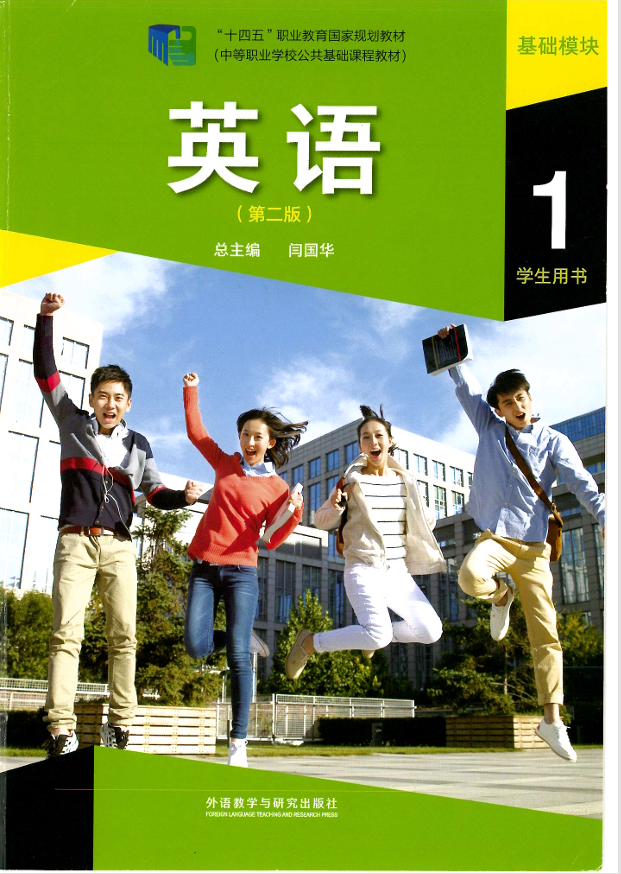
7.2 When Disaster Strikes(Reading & Writing1)-《英语 基础模块1》(外研版第二版)《一课一练》(原卷版+解析版)
2026-09-22
|
2份
|
11页
|
21人阅读
|
0人下载
内容正文:
编写说明:基于中职学生英语知识不牢固、学习内驱力不够的学情特点,为了更好地提高学生的学习效率,辅助教师们抓好课前、课中、课后三个教学环节,本专辑深度解读最新的《中等职业学校英语课程标准》,匠心打造了契合山东职教高考命题特色的【山东专用】《英语 基础模块1》(外研版第二版)《一课一练》专辑,专辑共41练。
本卷为《英语 基础模块1》(外研版第二版)Unit 7 When Disaster Strikes
(Reading & Writing1)的课前预习和课堂检测。
《英语 基础模块1》(外研版第二版)
7.2 When Disaster Strikes
一课一练(2) Reading & Writing1
【课前预习】
一、核心词汇检测
1.The rabbit is eating carrots ________ (happy).
【答案】happily
【解析】考查副词。句意:兔子正在开心地吃胡萝卜。此处修饰动词短语“eating carrots”,需用副词,所给形容词happy的副词为happily。故填happily。
2.We should exercise every day to build up our _______. (body) (单词适当形式填空)
【答案】bodies
【解析】考查名词单复数。句意:我们应该每天锻炼来增强我们的体质。根据空前“our”可知,此处应用名词“body”的复数形式bodies,表示“我们的身体(体质)”。故填bodies。
3.________ (live) far from school, I have to get up early every morning. (单词适当形式填空)
【答案】Living
【解析】考查非谓语动词。句意:因为住得离学校远,我每天早上都得早起。分析句子结构可知,句中已有谓语动词“have to get up”,因此空格处应用非谓语动词;主语I与动词live之间是主动关系,所以用现在分词作原因状语,所给动词live的现在分词形式是living,且位于句首首字母需大写。故填Living。
4.Liz picked up the blue envelope and turned it over ________ (curious). (单词适当形式填空)
【答案】curiously
【解析】考查构词法和句子成分。句意:莉斯拿起蓝色信封,好奇地把它翻过来。分析句子可知,此处用副词修饰动词短语“turned it over”,curious“好奇的”,形容词,加词缀“ly”变成副词“curiously (好奇地)”,符合题意。故填curiously。
5.Miss Liu has made a _________ (contribute) to education. (单词适当形式填空)
【答案】contribution
【解析】考查名词和构词法。句意:刘老师对教育做出了贡献。“make a contribution to ...”为固定短语,意为“为……做出贡献”,contribute动词“贡献”,后去“e”加词缀“ion”变成名词“contribution (贡献)”。故填contribution。
6.In my youth my ambition had been to be an ________ (invent). (单词适当形式填空)
【答案】inventor
【解析】考查构词法和句子成分。句意:我年轻时的志向是成为一名发明家。分析句子可知,不定冠词an后面用名词,在本句中作be的表语。invent“发明”,名词,加词缀“or”变成名词“inventor (发明家)”,符合题意。故填inventor。
7.In chess ________ (compete) I won the first prize. (单词适当形式填空)
【答案】competition
【解析】考查名词和构词法。句意:在国际象棋比赛中,我获得了一等奖。分析句子可知,“In chess...”是介词短语,作状语,需要一个名词来明确“在国际象棋的什么活动里”,所以要把动词“compete”变为名词形式,加词缀“tion”变成名词“competition”,符合题意。故填competition。
8.She gave an ________(interest) talk on her visit to China. (单词适当形式填空)
【答案】interesting
【解析】考查形容词。句意:她做了一场关于自己访华经历的有趣演讲。分析句子可知,空处修饰名词“talk (演讲,表事物)”作定语,应用形容词,interest对应的形容词词形是“interesting”,意为“有趣的”,符合题意。故填interesting。
【课堂检测】
一、单项选择
9.— ________ I bring my pet dog to the park?
— Yes, of course you can.
A.Must B.Can C.Need D.Should
【答案】B
【解析】句意:——我能把宠物狗带到公园吗?——是的,当然可以。
Must必须;Can能够;Need需要;Should应该。答句“Yes, of course you can”中明确使用can,问句是询问“是否能够”带狗去公园,故需用Can提问。
10.— Will you be able to finish the work in time?
— I ________ promise anything, but I’ll do my best.
A.can’t B.shouldn’t C.needn’t D.mustn’t
【答案】A
【解析】句意:——你能及时完成这项工作吗?——我不能保证什么,但我会尽力的。
can’t不能;shouldn’t不应该; needn’t不需要;mustn’t禁止。根据“but I’ll do my best”可知,此处表明说话者强调自身能力不足,无法做出承诺,用can’t。
11.— Must I return the book to the library today?
— No, you ________. You can keep it for another two days.
A.can’t B.mustn’t C.needn’t D.couldn’t
【答案】C
【解析】句意:——我今天必须把书还回图书馆吗?——不,你不必。你可以再保留两天。
can’t不能;mustn’t禁止;needn’t不必。根据“You can keep it for another two days.”可知,此处需否定回答;must引导的一般疑问句,否定回答需用needn’t表示“无必要”。
12.We ________ keep quiet in the library. It’s polite to do so.
A.can B.should C.may D.might
【答案】B
【解析】考查情态动词辨析。句意:我们应该在图书馆保持安静。这样做是有礼貌的。A. can能,会;B. should应该;C. may可以,可能;D. might可能,会(may的过去式)。根据“It’s polite to do so.”可知,礼貌上要求在图书馆应该保持安静,这是责任、义务或规则,需用should。故选B。
13.You ________ play football in the street. It’s very dangerous.
A.can B.may C.must D.mustn’t
【答案】D
【解析】考查情态动词辨析。句意:你禁止在街上踢足球。这非常危险。A. can能、会,表示能力或许可;B. may可能、可以,表示许可或可能性;C. must必须,表示必要的义务或肯定的推测;D. mustn’t禁止、不可以,表示强烈的禁止。根据“It’s very dangerous.”可知,在街上踢足球很危险,所以是禁止的,应用mustn’t。故选D。
14.— ________ I ask you a question about the electrical circuit connection?
— Of course you ________. I’m happy to help.
A.Must; can B.May; can C.Need; should D.Should; may
【答案】B
【解析】考查情态动词。句意:——我可以问你一个关于电路连接的问题吗?——当然可以。我很乐意帮忙。must必须,表示强制性;may可以,表示请求许可;need需要,表示必要性;should应该,表示建议性;can能够,可以。 第一空,根据语境,这里是询问是否可以问一个问题,用May表示请求许可更合适;第二空,根据“Of course”可知,这里表示当然可以,用can来回应请求。故选B。
15.— ________ I borrow this book?
— Yes, you ________.
A.Can; can B.Must; must C.Should; should D.Need; need
【答案】A
【解析】考查情态动词。句意:——我能借这本书吗?——是的,你可以。A. can可以;B. must必须;C. should应该;D. need需要。问句询问是否可以借书,用Can表示请求许可,语气自然且常用。答句“Yes, you can”是对“Can I …?”的标准肯定回应,表示允许。故选A。
16.In the listening, the guide says that we ________ touch the flowers in the nature park, because they are important for the ecosystem.
A.mustn’t B.can C.may D.should
【答案】A
【解析】考查情态动词辨析。句意:在听力中,导游说我们不能碰自然公园里的花,因为它们对生态系统很重要。A. mustn’t禁止,不准;B. can能;C. may可能;D. should应该。根据语境,导游说我们不能碰自然公园里的花,用mustn’t 表示“禁止”这一明确的禁令。故选A。
17.The interviewer says that we ________ use translation apps to talk with people from other countries — it breaks language barriers.
A.can B.must C.need D.should
【答案】A
【解析】考查情态动词。句意:采访者说我们可以使用翻译应用与来自其他国家的人交流——它打破了语言障碍。A. can可以;B. must必须;C. need需要;D. should应该。分析句子可知,横线上表示存在这种可能性,这符合使用翻译应用来克服语言障碍的情境,所以使用can。故选A。
18.It’s strange that he ________ be late for the meeting. He is always on time.
A.must B.should C.can D.may
【答案】B
【解析】考查情态动词辨析。句意:真奇怪,他竟然开会迟到了。他总是很准时。A. must必须;B. should竟然、居然,用于表达惊讶、意外的语气;C. can能够,强调能力;D. may可能、也许。It is strange/necessary/important... that + 主语 + (should) + 动词原形,“He is always on time”与“be late for the meeting”形成反差,表达了说话者的惊讶,因此用表示“竟然”的情态动词should。故选B。
二、阅读理解
How would you like to build a time machine? Paper, sticks, glue and string are all you need. Put them together to build a kite. A kite connects you to the past.
No one knows who flew the first kite. It was probably someone in China or perhaps Indonesia. Indonesian fishermen hung fishhooks on kites and sent them out to sea to catch fish. Starting 2,000 years ago, Chinese farmers flew kites to welcome the New Year and bring good luck to Earth.
In China, people also used kites during wartime. One Chinese story tells how soldiers put noise makers on kites and flew them at night over the enemy camp. The enemies were frightened by the noise and ran away.
About 1,300 years ago, Chinese travelers took kites to Japan. Soon kites filled the skies there. Kites reached Thailand about 700 years ago. During floods, Thai farmers flew kites over their fields. They hoped the kites would drive away the clouds and stop the rain. Over time, kites flew their way out of Asia. Today, kites are a passion all over the world. Kite fans meet at festivals in many parts of the world and have great fun.
Over the years, Kites have also helped people understand the natural world. In 1749, for example, thermometers were tied to kites to measure temperatures. In 1906, cameras hanging from kites took pictures of San Francisco, California after an earthquake. The photos helped people plan what to do.
Kites also helped inventors find out how to make airplanes. The Wright brothers studied how kites flew, which helped them make the first successful airplane.
Since the ancient Chinese first set their kites into the air, people have loved flying kites. Kites give us ways to celebrate, relax and explore. So go fly a kite! Enjoy the feeling of wonder that kite fliers have felt for centuries.
19.According to the passage, in which countries were kites used to make good wishes?
A.China and Japan. B.China and Thailand.
C.Japan and Indonesia. D.Thailand and Indonesia.
20.According to the Chinese story, the army used kites to ________.
A.make the enemies leave in fear B.celebrate victories during wartime
C.stop the enemies from sleeping well D.carry soldiers to fight against the enemies
21.The underlined word “passion” in Paragraph 4 means ________.
A.strong love B.useful machine
C.happy dream D.common treasure
22.How does the writer develop Paragraph 5?
A.By telling stories. B.By listing numbers.
C.By comparing facts. D.By giving examples.
23.What’s the purpose of this passage?
A.To show people how to fly kites.
B.To explain how kites are used in science.
C.To introduce the roles of kites in history.
D.To discuss the difference among kites worldwide.
【答案】19.B 20.A 21.A 22.D 23.C
【导语】本文是一篇说明文。文中介绍了风筝的发展史。并介绍风筝在不同国家及不同的时期的用途。
【解析】19.细节理解题。根据“Chinese farmers flew kites to welcome the New Year and bring good luck to Earth. (中国农民放飞风筝迎接新年,给地球带来好运。)”及“During floods, Thai farmers flew kites over their fields. They hoped the kites would drive away the clouds and stop the rain. (洪水泛滥时,泰国农民会在田地上放风筝,希望风筝能驱走乌云、阻止雨水。)”可知,中国和泰国,风筝被用来许下美好的愿望。故选B。
20.细节理解题。根据“One Chinese story tells how soldiers put noise makers on kites and flew them at night over the enemy camp. The enemies were frightened by the noise and ran away. (一个中国故事讲的是,士兵们把制造噪音的装置装在风筝上,晚上在敌营上空放飞。敌人被风筝发出的噪音吓得逃跑了。)”可知,军队使用风筝使敌人害怕地逃跑了。故选A。
21.词句猜测题。根据“Kite fans meet at festivals in many parts of the world and have great fun. (风筝爱好者在世界各地的节日里相聚并享受无穷乐趣。)”可知,现在人们对风筝是一种热爱。“strong love (热衷的爱好)”与passion意思相同。故选A。
22.细节理解题。根据“In 1749, for example, thermometers were tied to kites to measure temperatures. In 1906, cameras hanging from kites took pictures of San Francisco, California after an earthquake. The photos helped people plan what to do. (例如,在1749年,温度计被绑在风筝上测量温度。1906年,挂在风筝上的照相机拍下了加州旧金山地震后的景象。这些照片帮助人们计划要做什么。)”可知,是通过举例子的方式展开的。故选D。
23.推理判断题。文中介绍了风筝风筝的发展史。并介绍风筝在不同国家及不同的时期的用途。所以文章的目的是介绍风筝在历史中的作用。故选C。
1
原创精品资源学科网独家享有版权,侵权必究!
学科网(北京)股份有限公司
学科网(北京)股份有限公司
$
编写说明:基于中职学生英语知识不牢固、学习内驱力不够的学情特点,为了更好地提高学生的学习效率,辅助教师们抓好课前、课中、课后三个教学环节,本专辑深度解读最新的《中等职业学校英语课程标准》,匠心打造了契合山东职教高考命题特色的【山东专用】《英语 基础模块1》(外研版第二版)《一课一练》专辑,专辑共41练。
本卷为《英语 基础模块1》(外研版第二版)Unit 7 When Disaster Strikes
(Reading & Writing1)的课前预习和课堂检测。
《英语 基础模块1》(外研版第二版)
7.2 When Disaster Strikes
一课一练(2) Reading & Writing1
【课前预习】
一、核心词汇检测
1.The rabbit is eating carrots ________ (happy).
2.We should exercise every day to build up our _______. (body) (单词适当形式填空)
3.________ (live) far from school, I have to get up early every morning. (单词适当形式填空)
4.Liz picked up the blue envelope and turned it over ________ (curious). (单词适当形式填空)
5.Miss Liu has made a _________ (contribute) to education. (单词适当形式填空)
6.In my youth my ambition had been to be an ________ (invent). (单词适当形式填空)
7.In chess ________ (compete) I won the first prize. (单词适当形式填空)
8.She gave an ________(interest) talk on her visit to China. (单词适当形式填空)
【课堂检测】
一、单项选择
9.— ________ I bring my pet dog to the park?
— Yes, of course you can.
A.Must B.Can C.Need D.Should
10.— Will you be able to finish the work in time?
— I ________ promise anything, but I’ll do my best.
A.can’t B.shouldn’t C.needn’t D.mustn’t
11.— Must I return the book to the library today?
— No, you ________. You can keep it for another two days.
A.can’t B.mustn’t C.needn’t D.couldn’t
12.We ________ keep quiet in the library. It’s polite to do so.
A.can B.should C.may D.might
13.You ________ play football in the street. It’s very dangerous.
A.can B.may C.must D.mustn’t
14.— ________ I ask you a question about the electrical circuit connection?
— Of course you ________. I’m happy to help.
A.Must; can B.May; can C.Need; should D.Should; may
15.— ________ I borrow this book?
— Yes, you ________.
A.Can; can B.Must; must C.Should; should D.Need; need
16.In the listening, the guide says that we ________ touch the flowers in the nature park, because they are important for the ecosystem.
A.mustn’t B.can C.may D.should
17.The interviewer says that we ________ use translation apps to talk with people from other countries — it breaks language barriers.
A.can B.must C.need D.should
18.It’s strange that he ________ be late for the meeting. He is always on time.
A.must B.should C.can D.may
二、阅读理解
How would you like to build a time machine? Paper, sticks, glue and string are all you need. Put them together to build a kite. A kite connects you to the past.
No one knows who flew the first kite. It was probably someone in China or perhaps Indonesia. Indonesian fishermen hung fishhooks on kites and sent them out to sea to catch fish. Starting 2,000 years ago, Chinese farmers flew kites to welcome the New Year and bring good luck to Earth.
In China, people also used kites during wartime. One Chinese story tells how soldiers put noise makers on kites and flew them at night over the enemy camp. The enemies were frightened by the noise and ran away.
About 1,300 years ago, Chinese travelers took kites to Japan. Soon kites filled the skies there. Kites reached Thailand about 700 years ago. During floods, Thai farmers flew kites over their fields. They hoped the kites would drive away the clouds and stop the rain. Over time, kites flew their way out of Asia. Today, kites are a passion all over the world. Kite fans meet at festivals in many parts of the world and have great fun.
Over the years, Kites have also helped people understand the natural world. In 1749, for example, thermometers were tied to kites to measure temperatures. In 1906, cameras hanging from kites took pictures of San Francisco, California after an earthquake. The photos helped people plan what to do.
Kites also helped inventors find out how to make airplanes. The Wright brothers studied how kites flew, which helped them make the first successful airplane.
Since the ancient Chinese first set their kites into the air, people have loved flying kites. Kites give us ways to celebrate, relax and explore. So go fly a kite! Enjoy the feeling of wonder that kite fliers have felt for centuries.
19.According to the passage, in which countries were kites used to make good wishes?
A.China and Japan. B.China and Thailand.
C.Japan and Indonesia. D.Thailand and Indonesia.
20.According to the Chinese story, the army used kites to ________.
A.make the enemies leave in fear B.celebrate victories during wartime
C.stop the enemies from sleeping well D.carry soldiers to fight against the enemies
21.The underlined word “passion” in Paragraph 4 means ________.
A.strong love B.useful machine
C.happy dream D.common treasure
22.How does the writer develop Paragraph 5?
A.By telling stories. B.By listing numbers.
C.By comparing facts. D.By giving examples.
23.What’s the purpose of this passage?
A.To show people how to fly kites.
B.To explain how kites are used in science.
C.To introduce the roles of kites in history.
D.To discuss the difference among kites worldwide.
1
原创精品资源学科网独家享有版权,侵权必究!
学科网(北京)股份有限公司
学科网(北京)股份有限公司
$
资源预览图

1

2
由于学科网是一个信息分享及获取的平台,不确保部分用户上传资料的 来源及知识产权归属。如您发现相关资料侵犯您的合法权益,请联系学科网,我们核实后将及时进行处理。