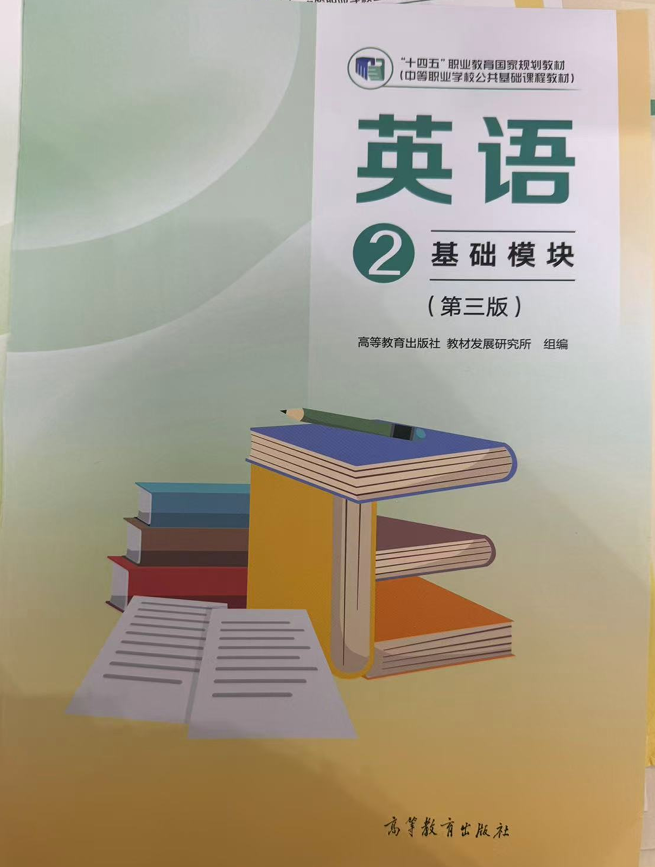
1.4 Travel(Language Practice)-《英语 基础模块2》(高教版第三版)《一课一练》(原卷版+解析版)
2026-09-20
|
2份
|
5页
|
29人阅读
|
0人下载
摘要:
**基本信息**
针对中职英语一般过去时,采用“课前预习-课堂检测”分层设计,通过概念自测→单句应用→语篇综合的递进路径巩固知识,适配学情提升语言能力与学习能力。
**分层设计**
|层次|知识覆盖|设计特色|
|----|----------|----------|
|课前预习(语法概念自测)|一般过去时定义、构成、时间标志等基础概念|4道选择题聚焦核心语法点,帮助学生课前自测认知,夯实基础|
|课堂检测(语法选择)|动词过去式单句应用|5道题结合旅行主题(如徐霞客、马可波罗案例),考查规则/不规则动词过去式|
|课堂检测(选择填空/语法填空)|词汇及语法在语篇中的综合运用|通过短文填空(图书馆学习、摄影展等情境),实现从单句到语篇的能力提升,培养语言应用能力|
内容正文:
编写说明:基于中职学生英语基础薄弱、学习内驱力不足的学情特点,为提升学习效率,落实课前、课中、课后教学闭环,本专辑依据最新《中等职业学校英语课程标准》,打造天津专用《英语 基础模块 2》(高教版第三版)《一课一练》,专辑共 40 练。
本卷为《英语 基础模块 2》(高教版第三版)Unit 1 Travel(Language Practice)的课前预习与课堂检测。
Unit 1 Travel
一课一练(4) Language Practice
【课前预习】
一、语法概念自测
1. 一般过去时主要用于描述下列哪一类情况?
A. 正在进行的动作
B. 过去发生的动作或状态
C. 将来的计划
D. 习惯性真理
【答案】B
【解析】一般过去时用来表示过去某一时间发生的动作或存在的状态,故选B。
2. 行为动词的一般过去时通常如何构成?
A. 一律加-ing
B. 用原形
C. 规则动词加-ed,不规则动词用过去式
D. 一律加-s
【答案】C
【解析】规则动词一般加-ed,不规则动词需记过去式,如 go→went,故选C。
3. 句中有 yesterday、last year、in 1609 等标志时,常用哪种时态?
A. 一般现在时
B. 现在进行时
C. 一般过去时
D. 现在完成时
【答案】C
【解析】yesterday、last year 等是一般过去时常见时间标志,故选C。
4. “Xu never gave up his dream.” 中 gave 是什么形式?
A. 原形
B. 现在分词
C. 过去分词(仅此一种功能)
D. 过去式
【答案】D
【解析】gave 是 give 的过去式,叙述过去事实,故选D。
二、语法精讲
1.定义:一般过去时表示过去某一时间发生的动作或存在的状态,也可表示过去经常性、习惯性的动作。
2.构成:主语 + 动词过去式(+其他)。be 动词用 was/were;行为动词:规则动词加 -ed,不规则动词用过去式。
3.时间标志:yesterday, last week/year, ago, in 1587, just now, when I was young 等。
高频错误:①把不规则动词误加 -ed(如 goed);②有明确过去时间仍误用现在完成时;③主语为 I/he/she 时 be 动词误用 were。
【课堂检测】
一、语法选择
1. Xu Xiake ________ over 30 years traveling throughout the country.
A. spend
B. spends
C. spent
D. spending
【答案】C
【解析】句意:徐霞客游历全国三十多年。叙述过去事实,用过去式 spent,故选C。
2. —How ________ your short visit to Australia, Mr. Ma? —It was wonderful.
A. is
B. was
C. are
D. were
【答案】B
【解析】句意:马先生,你去澳大利亚的短暂访问怎么样?询问已结束的过去经历,用 was,故选B。
3. Marco Polo ________ about his travels along the Silk Road.
A. write
B. writes
C. wrote
D. writing
【答案】C
【解析】句意:马可·波罗写下了他沿丝绸之路的旅行。过去动作,用 wrote,故选C。
4. Last summer we ________ to Yunnan and visited several beautiful cities.
A. travel
B. traveled
C. travels
D. traveling
【答案】B
【解析】句意:去年夏天我们去云南旅行,参观了几座美丽的城市。Last summer 标志过去时,故选B。
5. Although he ________ all sorts of difficulties, Xu never thought of quitting.
A. experience
B. experiences
C. experienced
D. experiencing
【答案】C
【解析】句意:尽管经历了各种困难,徐霞客从未想过放弃。主句为过去时,从句也用过去式,故选C。
二、选择填空
从方框中选择适当的词填空。每个词只能用一次。
A. for
B. it
C. and
D. spent E. of
Last month, Class 2-3 6.______ a weekend studying Xu Xiake’s travel notes in the library. They got ready 7.______ Travel Week by listing key dates and places. Lin Hao said 8.______ was exciting to read about real journeys. The students discussed the story 9.______ made a small poster. The activity was full 10.______ new ideas for their own travel plans.
【答案】6.D 7.A 8.B 9.C 10.E
【导语】本文讲述上月二班三班学生在图书馆研读徐霞客游记并制作旅行周海报的经历。
【详解】
6.考查一般过去时。句意:上个月二班三班花了一个周末研读徐霞客游记。Last month 标志过去,spent 表“花费(时间)”。
7.考查介词搭配。句意:他们通过列出关键日期和地点为旅行周做准备。get ready for 表示“为……做好准备”。
8.考查形式主语。句意:林浩说阅读真实旅行很令人兴奋。it 作形式主语,真正主语为 to read…。
9.考查并列连词。句意:学生们讨论故事并制作小海报。and 连接 discussed 与 made。
10.考查介词搭配。句意:活动充满关于旅行计划的新想法。be full of 表示“充满”。
三、语法填空
阅读下面短文,在空白处填入1个适当的单词或括号内单词的正确形式。
Yesterday morning, our class visited a travel photo show in the school hall. First, the teacher asked us 11.______ (look) at Xu Xiake’s route map carefully. We met our group 12.______ the hall door at 9:00 a.m. and shared what we knew. Do 13.______ talk loudly when other classes are still reading the boards. Put only key facts on 14.______ poster for Travel Week. Everyone felt proud 15.______ these travelers never gave up their dreams.
【答案】11.to look 12.at / by 13.not 14.the / your 15.because
【导语】本篇写昨天班级参观旅行图片展的要求:看地图、集合、保持安静并制作海报。
【详解】
11.考查不定式。句意:老师先让我们仔细看徐霞客路线图。ask sb. to do sth.,填 to look。
12.考查介词。句意:上午9点我们在大厅门口与小组会合。at/by the hall door。
13.考查否定副词。句意:别班还在看展板时不要大声说话。Do not talk,填 not。
14.考查冠词/限定词。句意:只把关键事实写在旅行周海报上。填 the 或 your。
15.考查原因连词。句意:大家感到自豪,因为这些旅行家从未放弃梦想。because 表原因。
原创精品资源学科网独家享有版权,侵权必究!
原创精品资源学科网独家享有版权,侵权必究!
原创精品资源学科网独家享有版权,侵权必究!
学科网(北京)股份有限公司
$
编写说明:基于中职学生英语基础薄弱、学习内驱力不足的学情特点,为提升学习效率,落实课前、课中、课后教学闭环,本专辑依据最新《中等职业学校英语课程标准》,打造天津专用《英语 基础模块 2》(高教版第三版)《一课一练》,专辑共 40 练。
本卷为《英语 基础模块 2》(高教版第三版)Unit 1 Travel(Language Practice)的课前预习与课堂检测。
Unit 1 Travel
一课一练(4) Language Practice
【课前预习】
一、语法概念自测
1. 一般过去时主要用于描述下列哪一类情况?
A. 正在进行的动作
B. 过去发生的动作或状态
C. 将来的计划
D. 习惯性真理
2. 行为动词的一般过去时通常如何构成?
A. 一律加-ing
B. 用原形
C. 规则动词加-ed,不规则动词用过去式
D. 一律加-s
3. 句中有 yesterday、last year、in 1609 等标志时,常用哪种时态?
A. 一般现在时
B. 现在进行时
C. 一般过去时
D. 现在完成时
4. “Xu never gave up his dream.” 中 gave 是什么形式?
A. 原形
B. 现在分词
C. 过去分词(仅此一种功能)
D. 过去式
二、语法精讲
1.定义:一般过去时表示过去某一时间发生的动作或存在的状态,也可表示过去经常性、习惯性的动作。
2.构成:主语 + 动词过去式(+其他)。be 动词用 was/were;行为动词:规则动词加 -ed,不规则动词用过去式。
3.时间标志:yesterday, last week/year, ago, in 1587, just now, when I was young 等。
【课堂检测】
一、语法选择
1. Xu Xiake ________ over 30 years traveling throughout the country.
A. spend
B. spends
C. spent
D. spending
2. —How ________ your short visit to Australia, Mr. Ma? —It was wonderful.
A. is
B. was
C. are
D. were
3. Marco Polo ________ about his travels along the Silk Road.
A. write
B. writes
C. wrote
D. writing
4. Last summer we ________ to Yunnan and visited several beautiful cities.
A. travel
B. traveled
C. travels
D. traveling
5. Although he ________ all sorts of difficulties, Xu never thought of quitting.
A. experience
B. experiences
C. experienced
D. experiencing
二、选择填空
从方框中选择适当的词填空。每个词只能用一次。
A. for
B. it
C. and
D. spent E. of
Last month, Class 2-3 6.______ a weekend studying Xu Xiake’s travel notes in the library. They got ready 7.______ Travel Week by listing key dates and places. Lin Hao said 8.______ was exciting to read about real journeys. The students discussed the story 9.______ made a small poster. The activity was full 10.______ new ideas for their own travel plans.
三、语法填空
阅读下面短文,在空白处填入1个适当的单词或括号内单词的正确形式。
Yesterday morning, our class visited a travel photo show in the school hall. First, the teacher asked us 11.______ (look) at Xu Xiake’s route map carefully. We met our group 12.______ the hall door at 9:00 a.m. and shared what we knew. Do 13.______ talk loudly when other classes are still reading the boards. Put only key facts on 14.______ poster for Travel Week. Everyone felt proud 15.______ these travelers never gave up their dreams.
原创精品资源学科网独家享有版权,侵权必究!
原创精品资源学科网独家享有版权,侵权必究!
原创精品资源学科网独家享有版权,侵权必究!
学科网(北京)股份有限公司
$
资源预览图

1
由于学科网是一个信息分享及获取的平台,不确保部分用户上传资料的 来源及知识产权归属。如您发现相关资料侵犯您的合法权益,请联系学科网,我们核实后将及时进行处理。